Elliott County Kentucky Tobacco Festival
Sandy Hook is a small county seat, and on the evidence assembled here, its largest gathering is the Elliott County Kentucky Tobacco Festival. The fullest account in the record describes a weekend when the downtown filled with a parade, quilt exhibits and music, and when the crowds were summed up as the county’s family reunion. That account covers the fiftieth festival, held on the thirtieth and thirty-first of August, two thousand twenty-four, and its detail carries most of what can responsibly be said about the event. Around it sit thinner support: a tourism column in the local newspaper from June, two thousand twenty-three, registration and pageant notices the following August, and a corporate filing preserving the festival’s formal name. After the fiftieth, the trail cools. The festival’s own page was still posting in late two thousand twenty-five, according to the news layer, yet that same layer observes that the county’s two thousand twenty-six events calendar does not list the festival at all. Both facts belong to an honest picture of where the record now stands.
About
The name most layers use is Elliott County Tobacco Festival, printed that way by a news layer, by the local newspaper, and in the festival’s own corporate filing. A university windshield-survey layer shortens it to simply The Tobacco Festival, a piece of local descriptive usage rather than a rival title. The organising body stands behind the longer form: a state corporate filing prints the name Elliott County Tobacco Festival Inc., reproduced here only as the name the filing carries; nothing else from the filing is used anywhere in this article. Sandy Hook, the host town, is the county seat of Elliott County. A reference layer confirms the seat, and the news layer calls downtown Sandy Hook the Elliott County seat outright. The festival belongs to that downtown: the news layer places the fiftieth edition’s parade, exhibits and music in the town’s centre rather than at a fairground or a park. The festival’s vice president appears in the news layer named in that role; this article refers to the office rather than the person.
Quick Facts
| Item | Detail |
| Printed name forms | “Elliott County Tobacco Festival”; “The Tobacco Festival” in local descriptive usage |
| County | Elliott County, Kentucky |
| Host town | Sandy Hook, the county seat of Elliott County |
| Setting | Downtown Sandy Hook |
| Organising body as filed | Elliott County Tobacco Festival Inc., as printed in a state corporate filing |
| Best-documented edition | The fiftieth festival, thirtieth and thirty-first of August, two thousand twenty-four |
| Timing as printed | Labor Day weekend in a two thousand twenty-three tourism column; the weekend before Labor Day in a news layer |
| Documented programme | Parade, quilt exhibits, bluegrass and country music, pageants |
| Admission | No gate price and no free-entry statement appears in the layers read |
| Later visibility | Own page still posting in late two thousand twenty-five; absent from the county’s two thousand twenty-six calendar, per a news layer |
History
The history the layers actually support is short, and this article resists the temptation to stretch it. The two thousand twenty-four edition was billed as the fiftieth festival, in the news layer’s headline and in its report alike, and that billing is recorded here exactly as printed. No layer states a founding year in words, and converting a fiftieth billing into a starting date would be arithmetic dressed up as evidence, so no starting date is claimed. What the earlier record does show is continuity of presence. In June, two thousand twenty-three, the local newspaper’s tourism column listed the Elliott County Tobacco Festival among the county’s summer-through-fall events, evidence it was already an established fixture a year before its fiftieth edition. In August, two thousand twenty-four, the same newspaper carried festival registration and pageant notices for that year’s edition. The corporate filing adds a quieter kind of depth, though its contents are not reproduced here. Beyond that stands the fiftieth itself, a milestone the news layer treated as significant enough to anchor its coverage.
What to Expect
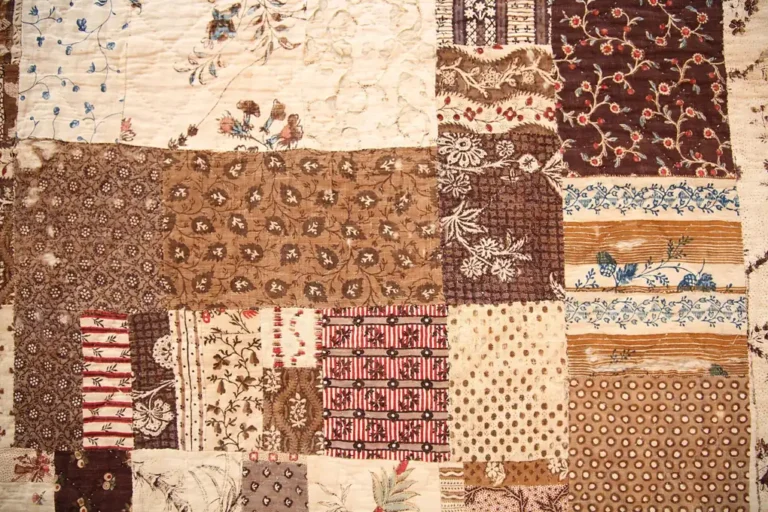
The clearest picture of the festival’s character comes from the fiftieth edition, because the news layer documented it element by element. A parade stood near the centre of the weekend, and it nearly did not: the report describes the parade as one that returned after rain, a detail that speaks to local determination. Quilt exhibits formed another strand of the programme. Music ran through the weekend in bluegrass and country styles, built noticeably around covers of Keith Whitley songs. Whitley was raised in Sandy Hook, and that tribute thread turned the programme into something closer to a homecoming than a booking. Pageants belong to the documented programme as well: the local newspaper carried pageant notices ahead of the two thousand twenty-four edition. The crowds, finally, were the story the news layer kept returning to — people described as the county’s family reunion, a phrase that frames attendance less as tourism than as return. For the fiftieth anniversary, an online form offered a commemorative item at twenty-five dollars — a merchandise sale, and the only price attached to the festival anywhere in the record.
Planning Your Visit
Timing is the first thing to pin down, and the record gives it in two voices. A tourism column in the local newspaper, published in June, two thousand twenty-three, placed the festival at Labor Day weekend in its list of county events. A news layer, describing the staging, calls it the weekend before Labor Day instead. The one fully dated edition cuts across both descriptions: the fiftieth festival ran on the thirtieth and thirty-first of August, two thousand twenty-four, the last weekend of that month. The setting is simpler: downtown Sandy Hook, where the parade, exhibits and music unfolded within the town centre. On cost, the record contains no statement of a gate price and none of free entry, so this article invents neither. The single documented figure is the twenty-five dollars charged for a commemorative item through an online form for the fiftieth anniversary, which bought merchandise, not admission. The two thousand twenty-four parade went ahead only after rain, so weather-ready clothing suits an outdoor downtown programme. For current notices, the channels the record itself shows are the festival’s own page, still posting in late two thousand twenty-five, and the local newspaper, which carried registration and pageant notices before the two thousand twenty-four edition. One caution: the news layer notes that the county’s two thousand twenty-six events calendar omits the festival, so confirmation matters more than usual.
For a useful comparison, see the Edmonson County Kentucky Fancy Jordan Fall Festival for another county festival.
A Sample Day at the Festival
The sketch below follows the fiftieth edition — the one weekend the record describes in detail — rather than an imagined schedule. Begin downtown in the morning among the quilt exhibits; they were a documented strand of the two thousand twenty-four programme and reward an unhurried look. Hold the middle of the day for the parade, the element the news layer treated as the weekend’s centrepiece — in two thousand twenty-four it pressed ahead after rain, which suggests a crowd that does not scatter easily. Give the afternoon to the music. Bluegrass and country sets formed the documented programme, with covers of Keith Whitley songs threaded through them; for a visitor, that tribute is the quickest route into understanding what the festival means locally, since Whitley was raised in Sandy Hook. Fit the pageants around the music; the local newspaper’s notices ahead of the two thousand twenty-four edition confirm them as a working part of the programme. End the day the way the coverage suggests the county itself does: lingering downtown, where the crowd was described as the county’s family reunion and where the social weight of the weekend plainly sits.
How It Compares
Kentucky holds more than one tobacco festival, and the record is careful to keep them apart. The same news layer that documented Sandy Hook’s fiftieth also dates a Carroll County Tobacco Festival at Carrollton on the twenty-fifth and twenty-sixth of September, two thousand twenty-six — a separate event in a different county, mentioned here only so the two are never confused. A Logan County Tobacco and Heritage Festival at Russellville likewise shares the crop in its name and nothing else with the Elliott County event. What distinguishes the Sandy Hook festival within its own record is not tobacco pageantry but tone. Its fiftieth edition was documented as a homecoming: a parade that beat the rain, quilts, pageants, and music organised around a singer the town raised. Set beside that richness, the comparison that matters most is internal — between the fullness of the two thousand twenty-four documentation and the quiet that follows it.

What to Bring
- A rain layer or light waterproof, remembering the weather the fiftieth parade waited through
- Comfortable shoes for a full day on downtown streets
- Cash for small purchases, in a record whose only priced item is a twenty-five dollar commemorative piece
- Sun protection for an end-of-August weekend spent largely outdoors
- Time for the quilt exhibits rather than a glance between other events
- A flexible plan for the pageants and music, since no layer prints a timetable
- Patience for reunion-sized crowds in a small town centre
- A date confirmed close to the day, given the two timings the record prints
Beyond the Festival
Downtown Sandy Hook gives the festival its frame, and the town carries meanings beyond the weekend. It is the seat of Elliott County, which makes the festival a county occasion staged at the county’s civic centre rather than in a satellite village. It is also the town where Keith Whitley was raised, a fact the festival’s own music acknowledged in two thousand twenty-four. The county’s wider calendar, as the tourism column presented it in two thousand twenty-three, runs from summer through fall, with the Tobacco Festival listed among its events. The news layer’s observation that the county’s two thousand twenty-six calendar features other events while omitting this festival belongs here as well: the county’s year plainly continues, whatever the festival’s own position within it proves to be.
Why It Matters
A fiftieth billing is not a small thing for a county-seat festival, and the news layer’s full treatment of the two thousand twenty-four weekend suggests the milestone was felt locally as one. The festival’s value in the record is social before it is commercial. Its crowds were described as the county’s family reunion, its music turned toward a singer the town raised, and its programme mixed the parade, quilts and pageants of a traditional small-county celebration. The word tobacco in its name ties it to the agricultural identity its county has long presented, even though the layers read dwell on the gathering rather than the crop. Against that stands the fragility the same record shows: a single richly documented edition, thinner confirmation afterward, and a county calendar for two thousand twenty-six in which the festival does not appear. Whether the fiftieth was a peak or a pause is a question the record cannot yet answer, and this article leaves it open on purpose.
Frequently Asked Questions
Why did Whitley covers sit at the centre of the fiftieth edition’s music?
Because the singer belonged to the town. The news layer records that Keith Whitley was raised in Sandy Hook, and it describes the fiftieth edition’s music as built around covers of his songs, within a wider bluegrass and country programme. For a festival crowd drawn from the county itself, that repertoire reads as tribute rather than entertainment alone.
Is the festival staged on Labor Day weekend or the weekend before it?
The record prints both. The local newspaper’s tourism column, in June, two thousand twenty-three, listed the festival under Labor Day weekend among the county’s events. The news layer describes the staging as the weekend before Labor Day. The one edition dated in full ran on the thirtieth and thirty-first of August, two thousand twenty-four. This article records the two phrasings as printed and does not reconcile them.
What did the twenty-five dollar charge connected with the fiftieth anniversary actually buy?
A commemorative item, offered through an online form layer for the fiftieth anniversary. It was a merchandise sale attached to the milestone year. It was not an admission price: no layer read states a gate price for the festival, and none states that entry is free either, so the record leaves the entry question open.
Does anything in the record confirm editions after the fiftieth?
Only indirectly. The news layer notes that the festival’s own page was still posting in late two thousand twenty-five, which indicates the organisation remained active after the fiftieth. No later edition is documented with dates or particulars in the layers read, and the same news layer observes that the county’s two thousand twenty-six events calendar does not list the festival.
What to Expect From the Next Elliott County Kentucky Tobacco Festival
How often is Elliott County Kentucky Tobacco Festival held?
The layers present the festival as a recurring feature of the county’s year rather than a one-off gathering. The tourism column slotted it into the county’s regular summer-through-fall round in two thousand twenty-three, and a fiftieth billing in two thousand twenty-four is not attached to an occasional event. No layer, though, describes its frequency in explicit terms.
When is the next Elliott County Kentucky Tobacco Festival?
No date for a coming edition appears anywhere in the record assembled here. The most recent edition dated in full is the fiftieth, on the thirtieth and thirty-first of August, two thousand twenty-four. The festival’s own page was still posting in late two thousand twenty-five, per the news layer, but that same layer notes the county’s two thousand twenty-six events calendar does not include the festival. Anyone hoping to attend a future edition will need fresher local word than these layers provide.
Will the dates change?
They already sit loosely in print. One layer places the festival at Labor Day weekend and another on the weekend before it, while the dated edition fell on the last weekend of August, two thousand twenty-four. A future edition could honour either phrasing, or settle elsewhere in late summer. No organiser statement in the record fixes the placement.
Closing Thoughts
The Elliott County Kentucky Tobacco Festival rests on one splendidly documented weekend: a fiftieth edition with a rain-tested parade, quilts, pageants and a hometown singer’s songs, staged in the downtown of the county seat that raised him. Around that weekend the evidence thins to listings, notices and a corporate name, and beyond it the trail fades to an active page and an empty space on a county calendar. Readers who want the festival’s future settled should watch the channels the record itself used — the festival’s own page and the local newspaper — where any new edition will surface first if it comes.