Berkshire County Massachusetts Berkshire International Film Festival
The first time I drove up for the Berkshire International Film Festival, I treated it as one evening out. The second time, I understood it differently: this is a county-wide event spread across many miles, and the pleasure lives in moving between rooms, towns and audiences. What follows is the version I would hand to a friend — assembled from repeat visits, a few wrong turns, and the habits that make a Berkshire film weekend actually work.
A Returning Visitor’s Cheat Sheet to the Berkshire International Film Festival
| Festival | Berkshire International Film Festival |
| Area | Berkshire County area, western Massachusetts |
| County seat | Pittsfield |
| County population | 129,026 (2020 census) |
| County land area | 946 square miles |
| County founded | April 24, 1761 |
| Typical timing | A spring window in most years |
| Admission | Varies by screening and pass; confirm current listings |
| Setting | Screens and event spaces across the Berkshire County area |
| Signature draw | Features, documentaries, shorts and filmmaker conversations |
Inside the Berkshire International Film Festival: What It Is and How It Feels
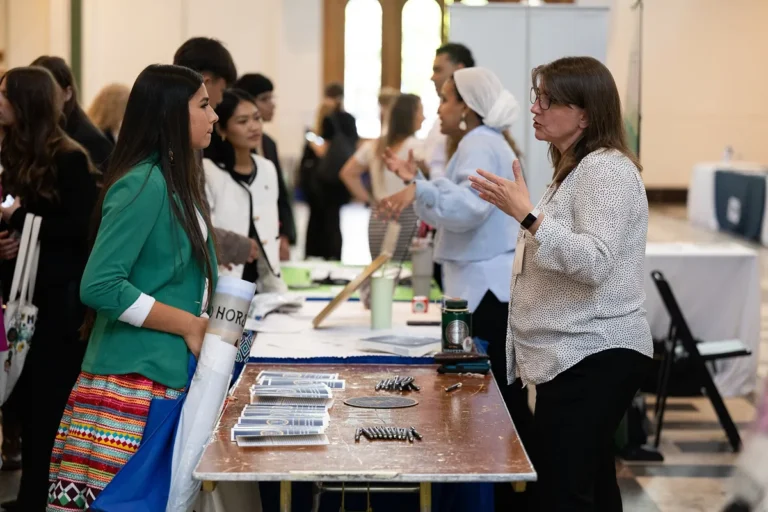
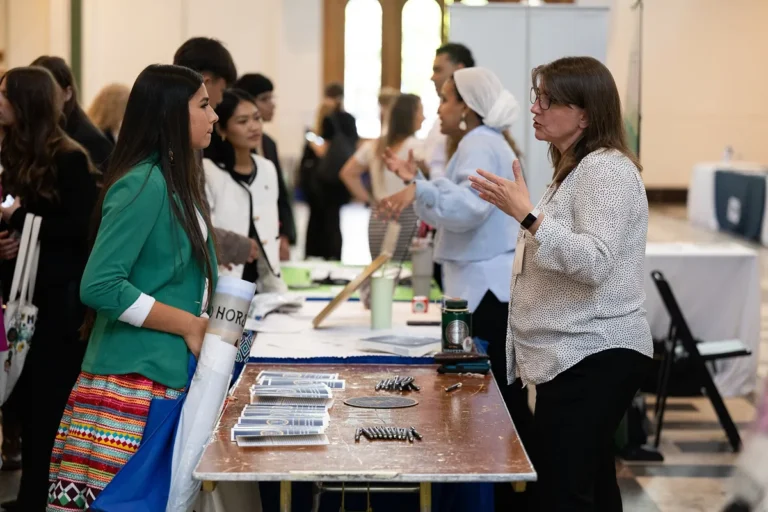
At heart, this is a county-wide invitation to watch films together. Programming leans on features, documentaries and shorts, and the schedule is usually dotted with conversations — directors, producers and subjects sitting in the same room as the audience that just watched their work. The scale is the point. This is not a festival where you vanish into a crowd of thousands; it is one where you might end up in the same coffee line as the person who introduced the film.
For anyone returning, the useful mental model is a hub-and-spoke map. Berkshire County covers 946 square miles, so a lineup that looks compact on paper can mean real driving between screenings. Pittsfield, the county seat, gives you the most urban base; the smaller towns around it supply the charm and, often, the quieter rooms. County population stood at 129,026 in the 2020 census — small enough that the festival feels like a local ritual, large enough to fill a theatre.
What changes year to year is the slate. What stays constant is the rhythm: mornings for the films you planned, afternoons for the ones you didn’t, evenings for the conversation afterwards.
How Film Found a Home in Berkshire County
Berkshire County was incorporated on April 24, 1761, and for much of its first two centuries it was known for farms, mills and, later, a summer colony of writers, painters and performers who came up from New York and Boston for the cool air. That habit — audiences travelling to sit in a darkened room and take culture seriously — is the soil any film festival grows in.
By the time film programming took hold here, the region already had a warm-weather calendar built on music, theatre and dance. A film festival fit naturally into that ecosystem: it could use existing venues, borrow an audience already trained to buy tickets in advance, and add something the Berkshires lacked — a reason to gather around a screen outside the height of summer.
Read as a short timeline: an 18th-century founding, a 19th-century influx of artists and summer visitors, a 20th-century build-out of performance venues, then film arriving as the newest chapter. The festival’s own story belongs to that arc rather than apart from it.
Between Screenings: The Texture of a Festival Weekend in Berkshire County
A festival weekend here has a shape. You start with a plan, abandon part of it, and end up somewhere unexpected — usually talking to a stranger about a film you hadn’t heard of a week earlier. A few things are worth knowing before you go.
Eating Well Between Screenings in the Berkshires
Downtown Pittsfield has the densest cluster of cafés, bakeries and restaurants, which makes it the easiest place to grab a fast lunch between two films. The smaller towns lean toward farm-to-table kitchens, diners and pubs. Returners learn to eat at odd hours: a late breakfast, a substantial mid-afternoon meal, and something quick before an evening screening. On weekend nights, reserve dinner in the popular towns or you will spend the interval you wanted for a glass of wine standing in a doorway.
Q&As, Live Music and the Space Between Films
The festival’s own programming often includes talks and panel conversations, and those are frequently the part people remember longest. Beyond the schedule, the county’s music calendar is famous — summer concerts on the lawns in Lenox, jazz and contemporary bookings in Pittsfield and North Adams, and small bar sets that start late. If your film ends at nine, there is usually somewhere still open.
Bringing Children and Younger Viewers
Not every title in the lineup suits a nine-year-old. Look for family-oriented screenings, animation and short-film blocks, and choose daytime slots over late ones. Pair the film with something outdoors afterwards so the day does not end in a dark room. A small theatre with a short programme is a surprisingly gentle first cinema experience.
Planning a Berkshire Film Weekend Without Guesswork
Getting to Berkshire County by Car, Train or Bus
Most visitors drive. From the east, the Massachusetts Turnpike and Route 7 funnel traffic into Pittsfield and the surrounding towns; from New York, Routes 7 and 20 do similar work. Amtrak’s Lake Shore Limited stops in Pittsfield, which makes a car-free version possible if you base yourself in town. The nearest large airport is in Albany, New York, roughly an hour away depending on your destination. Once here, a car genuinely helps — venues can sit twenty or thirty minutes apart.
Where to Sleep Around Pittsfield and the Hill Towns
Pittsfield offers the widest choice of hotels and motels, plus the shortest walk to the most venues. Lenox, Lee, Stockbridge and Great Barrington add inns, motels and smaller properties with more atmosphere and fewer rooms. Spring weekends book out, so reserve lodging before you finalise your film list. Two nights beat one: arriving Friday night removes the Saturday-morning scramble.
Parking and Moving Between Venues
Downtown Pittsfield has municipal lots and metered street parking; smaller towns rely on street spaces and venue lots. Arrive earlier than feels necessary, and build at least half an hour between screenings in different towns. If a schedule forces a choice, drop the film rather than the buffer — the drive through the hills is part of the experience, not a penalty.
Tickets, Passes and What a Day Really Costs
Admission is handled per screening or through passes, and the details shift year to year, so check the festival’s current listings rather than trusting an old price. Some community programming in the region is free to attend; ticketed screenings are not. Budget realistically for meals, coffee, fuel and lodging — the films are rarely the largest line on the weekend’s bill.
Berkshire Weather and How to Dress
Spring in the Berkshires is a negotiation. Mornings run cold, afternoons warm, evenings cold again, and rain arrives with little warning. Layers, a waterproof shell and shoes that handle both a wet sidewalk and a muddy trailhead cover almost every scenario. Keep a spare pair of socks in the car; you will thank yourself.
Two Days of Film Across Berkshire County
Day one: coffee and a pastry in Pittsfield, a late-morning documentary, lunch downtown, an afternoon short-film block, a walk to clear your head, an early dinner, then an evening feature followed by its Q&A and a nightcap somewhere with a bar stool free.
Day two: breakfast, then a drive to one of the smaller towns for a matinee, a browse through the shops while the parking meter runs, lunch, an afternoon panel, and a final late-afternoon film before the drive home. Leave one slot deliberately empty. The best thing you see all weekend is often the thing you added at the last minute.
How the Festival Compares with Other Berkshire Cultural Draws
Lenox and its summer music season deliver big lawns, picnics and crowds measured in thousands; the film festival is the opposite — small rooms, short queues, quiet intensity. Becket’s dance programming at Jacob’s Pillow shares the intimate-theatre feel but trades cinema for movement. North Adams and MASS MoCA offer contemporary art in a converted industrial complex, an ideal rainy-day companion to a film weekend. Great Barrington and Williamstown add walkable downtowns and long theatre traditions. Together they explain why a film trip here rarely stays a film trip.
What I Pack and Book Before Driving to the Berkshires
Book lodging first, then tickets for the two or three films you would genuinely regret missing. Charge a power bank, download the schedule, and screenshot the venue addresses in case the signal drops in the hills. Pack layers, a rain shell, comfortable shoes, a tote for snacks and a refillable bottle. Carry a little cash for small vendors and donation boxes. Check the festival’s current listings the week you travel, confirm start times, and leave one evening unplanned on purpose.
Beyond the Screen: The Rest of Berkshire County
The county’s 946 square miles hold far more than theatres. Mount Greylock and the surrounding state forests offer serious hiking, and the Appalachian Trail crosses the region. Rivers suit paddling, the back roads suit cycling, and the downtowns — Pittsfield, Lenox, Lee, Stockbridge, Great Barrington, North Adams — each have a distinct character worth an hour. In spring you get waterfalls and mud; by early summer the hills are green and the patios open. Arrive a day early or stay a day late and the trip doubles in value.
What a Film Festival Gives Back to Berkshire County
For a county of 129,026 people, a festival is more than entertainment. It pulls visitors into restaurants and inns during a shoulder season, hands local filmmakers a real screen and a real audience, gives teenagers something to do that is not a screen at home, and keeps a cultural calendar alive outside the summer rush. Pittsfield, the county seat, benefits most as the hub where audiences, crews and conversations concentrate. The county has been a place people travel to for culture since long before film existed; the festival keeps that habit current.
Where the Festival Sits in Berkshire County
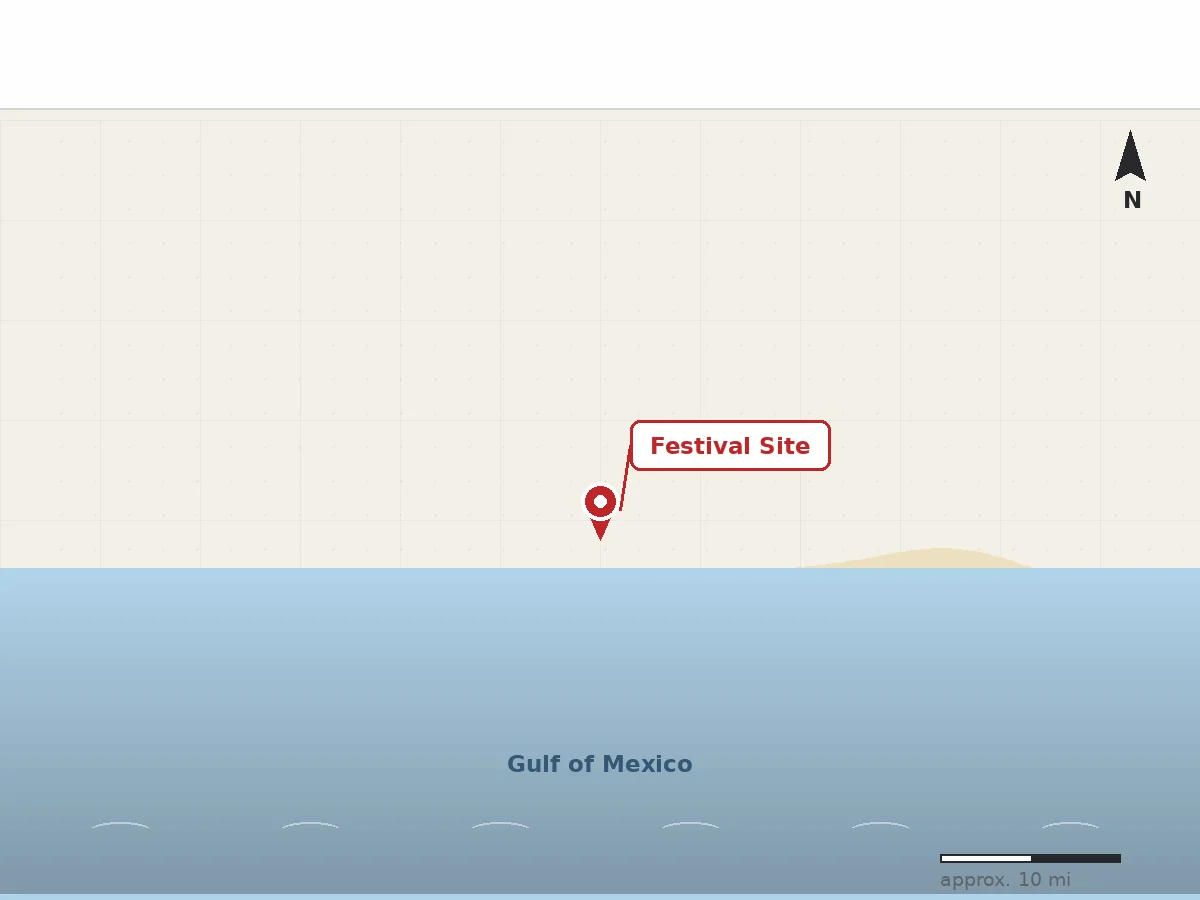
The Berkshire International Film Festival takes place across the Berkshire County area of western Massachusetts, with Pittsfield — the county seat — serving as the most convenient anchor for visitors plotting a route between screenings.
Answers for Returning Berkshire Filmgoers
Do I need to buy tickets in advance?
For evening features and anything with a guest attached, yes — advance purchase is the safest approach, and popular titles can sell out. Smaller daytime screenings sometimes have room at the door, but that is a gamble worth taking only if your schedule is flexible. Confirm details against the current year’s listings, since the mechanics change.
Can I do the festival without a car?
Partly. Base yourself in Pittsfield near the train stop and the densest cluster of venues and you can walk or use local transit for much of the programme. But the county spreads across 946 square miles, and some screenings sit in other towns. A car — or a friend who has one — opens the entire schedule.
How many films should I try to see in a day?
Two or three, realistically. Three is comfortable when the venues are close together; two is honest once you factor in driving, parking and the meal you will inevitably want in between. Anyone who books five in a day ends up watching the clock instead of the film.
Is the festival suitable for children?
Some of it. Look for family-friendly blocks, animation and short programmes, choose daytime slots, and sit near an aisle in case a film does not land. Older children often enjoy the Q&A format more than the movie itself — hearing someone explain how a scene was made is its own kind of entertainment.
The Next Chapter for Film in Berkshire County
The festival’s future looks like the county’s: a mix of anchors and outliers, existing venues rather than new construction, and partnerships with the region’s museums, music organisations and towns. Expect the schedule to keep adapting to how people actually watch things, and expect the audience to keep skewing local as much as visiting. What will not change is the reason people return — the chance to sit in a small room in the Berkshires and watch something with strangers who are acquaintances by the time the credits roll.
Last updated: October 2026
If you have been once, you already know the trick: do not over-schedule. Book the lodging, pick three films, and leave the rest to the county. The Berkshire International Film Festival rewards the returning visitor precisely because it never fits neatly into a single weekend — which is the best argument for coming back.