Caldwell County Kentucky Caldwell County Fair Festival
By mid-afternoon, the shade tree behind the exhibit hall is doing more business than the lemonade stand. The Whitfields — two grandparents, two parents, three kids, one cooler — have claimed their usual patch of grass at the Caldwell County Fair, the same patch they have claimed since the oldest grandchild was small enough to carry on a hip. Grandpa holds the spot. Grandma is checking a pie entry. The kids have vanished toward the midway with a strict budget and a strict curfew, and the parents are somewhere between the livestock barn and the tractor display, pretending they came only for the kids.
That is how a county fair works here: not an event you attend so much as a day you inhabit. Caldwell County sits in western Kentucky, with Princeton as its county seat, a population of 12,649 at the 2020 census, and 348 square miles of farmland, creek bottom, and small towns that empty steadily toward the fairgrounds when fair week arrives. Families come in shifts. Grandparents arrive early for the exhibits and leave before dark. Teenagers drift in at dusk. Parents do both, twice.
Caldwell County Fair Details for Princeton-Area Visitors
| Town / area | The Caldwell County area, centered on Princeton, in western Kentucky |
| County | Caldwell County, Kentucky |
| County seat | Princeton |
| Population | 12,649 (2020 census) |
| Land area | 348 square miles |
| Founded | 1809, named for John Caldwell |
| Typical timing | A summer weekend in most years |
| Admission | Generally free entry; rides, games, and food are pay-as-you-go |
| Setting and features | County fairgrounds with livestock barns, exhibit halls, a midway, and a grandstand |
| Organizer | Local volunteer fair board and community organizations |
What the Caldwell County Fair Actually Is
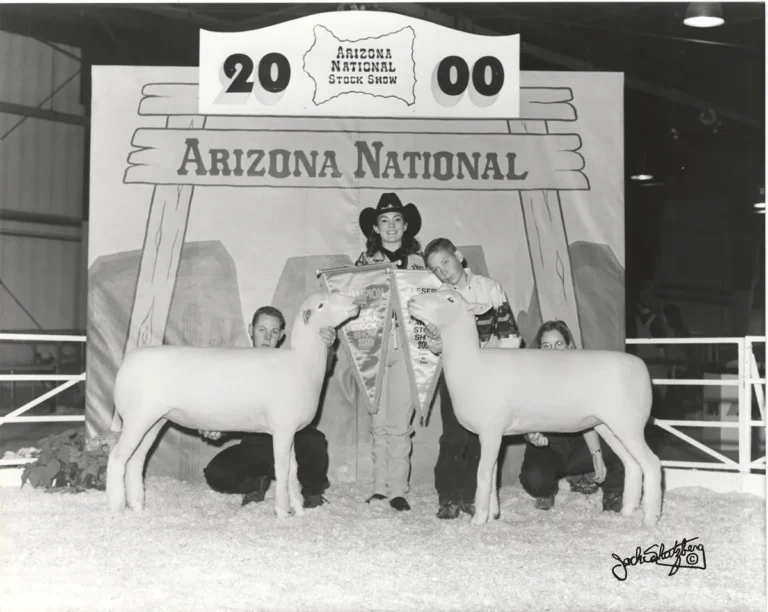
Strip away the lights and the funnel cake and the fair is a county taking inventory of itself. The Caldwell County Fair is where a 4-H member walks a heifer in front of neighbors who remember when her mother showed the same breed. It is where a quilter finds a blue ribbon pinned to a piece she finished in February, and where a teenager who has spent all spring rebuilding an engine finally gets an audience. The fair is a livestock show, an exhibit hall, a midway, a grandstand, and a picnic that happens to last a weekend.
It is also refreshingly unpretentious. You will not need a schedule app or a reserved seat. You will need cash for the ticket booth, sunscreen for the afternoon, and a willingness to stand in a line that moves at exactly the speed of a small town. For a family like the Whitfields, that is the appeal: the fair is big enough to fill a day and small enough that you will know half the people in it.
From an 1809 County to a Fair That Still Fills the Grounds
Caldwell County was formed in 1809 and named for John Caldwell, and Princeton has served as its seat through every chapter since — the tobacco years, the railroad years, the decades when a county’s social calendar was built almost entirely around church, school, and harvest. County fairs grew out of that same rhythm across Kentucky: an annual moment when farmers compared crops, families compared recipes, and everyone compared notes on the year.
For another look at how a community turns its own traditions into a gathering, see the Butler County Kentucky Butler County Fair Festival for a useful comparison.
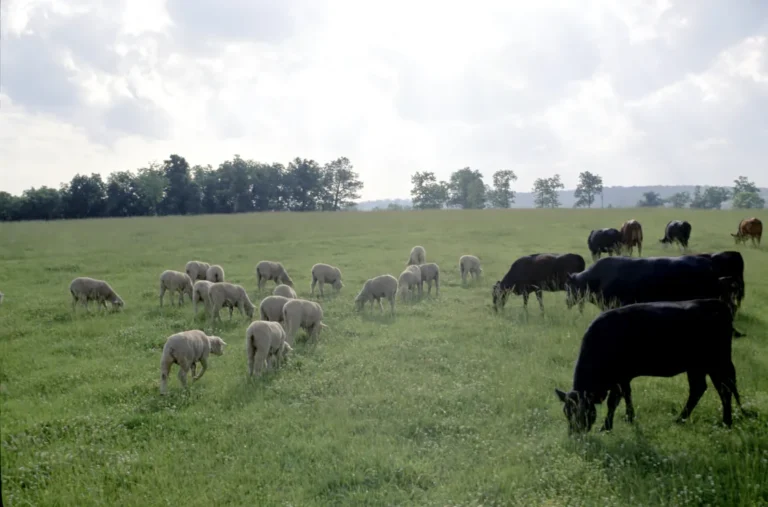
The fairgrounds have carried that rhythm forward even as the surrounding economy changed. Livestock shows still anchor the mornings. Exhibit halls still smell of shellac and sawdust. The midway still arrives, sets up, and disappears overnight, leaving behind trampled grass and a few lost quarters. What has shifted is the audience. Where a fair once served almost exclusively as an agricultural showcase, it now functions as a reunion, a fundraiser, a first job for local teenagers, and a rare evening when the whole county is in one place.
Ask an older resident what has changed and you will hear about the grandstand acts, the price of a ride band, and how many more cars now come in from out of county. Ask what has stayed the same and you will hear about the pie table, the tractor lineup, and the fact that the same families keep showing up, year after year, in the same spot under the same tree.
A Day at the Fairgrounds: Food, Music, and Family
A county fairgrounds has a geography all its own, and once you learn it, you can plan a day without wasting a step. Livestock barns and exhibit halls cluster on one side, where the mornings are busiest. The midway and game row occupy the other, waking up as the heat breaks. Somewhere in between sit the food stands, the picnic tables, and the shade — the true center of gravity for any family with a cooler.
Fair Food With a Caldwell County Accent
Fair food is its own cuisine, and Caldwell County follows the regional playbook: corn dogs, hand-cut fries, funnel cakes dusted with powdered sugar, barbecue sandwiches, lemonade shaken in a barrel, and a church or civic group booth selling something that tastes like an actual recipe rather than a concession. Local vendors matter here. A burgoo or a pulled-pork plate from a community group is often the best meal on the grounds, and the money tends to go straight back into the county.
Grandstand Nights and Local Talent
Evenings belong to the grandstand. Expect a mix of local and regional acts, pageants, contests, and the kind of entertainment that gets grandparents onto their feet and teenagers pretending they are not enjoying it. Between sets, the midway lights take over, and the sound of the fairgrounds shifts from a stage mix to ride motors and shouting. Bring a blanket if you plan to sit on the grass, and bring a little patience for the parking lot afterward.
Livestock Barns, Midway Rides, and Kid-Friendly Corners
For children, the fair is a sequence of small firsts: first ride alone, first ribbon, first time touching a calf, first funnel cake. Livestock barns are free to walk through and usually the calmest part of the grounds in the morning — good for toddlers and for anyone who wants to talk to the exhibitors. Midway rides skew toward the classics, with a separate area for smaller children. Strollers handle gravel and grass reasonably well, though the midway gets tight after dark.
One Family’s Fair Weekend, Hour by Hour
Friday afternoon. Arrive before the dinner rush. Walk the exhibit hall first while it is cool and uncrowded, then check the livestock barns. Eat early — the lines double after six. Let the kids burn an hour on rides before the grandstand program starts, then find a seat on the grass.
Saturday morning. This is the fair at its most local. Livestock shows, judging, demonstrations, and coffee in a foam cup. Grandparents tend to prefer this shift, and parking is easier. Wander the vendor row, then claim a picnic table before noon.
Saturday evening. The busiest stretch of the weekend. Come early or come late, but do not come at seven and expect a close space. Grandstand entertainment, midway lights, and the best people-watching of the year. Teenagers will want to be dropped off and picked up at the gate.
Sunday. Quieter, shorter, and often the most comfortable for young families. Many booths wind down by late afternoon. It is a good window for a last walk through the barns and a final pass at the dessert stands before the grounds go back to being a field with a fence around it.
Planning a Fair Weekend Around Princeton
Getting to Caldwell County
Princeton sits in western Kentucky, within an easy drive of several larger trade towns, which makes the fair reachable for a day trip from well outside the county. Most visitors arrive by car, and the last stretch of the route is two-lane highway through farmland — scenic in daylight, dark and deer-prone after the grandstand lets out. Plan your return drive accordingly.
Where to Stay Near Princeton
Lodging in a county of this size is limited, so out-of-town families generally do one of two things: book a room in a nearby larger town and drive in, or stay with relatives, which is the more traditional option and probably the reason half the county is at the fair in the first place. If you are traveling in, reserve well ahead of fair weekend rather than the week of.
Parking at the Fairgrounds
Fairground parking is typically grass or gravel, managed by volunteers, and free or by donation. Arrive before the evening program if you want a short walk to the gate. Expect a slow exit after the headlining event; the trick is either to leave a few minutes early or to linger by the barns until the lot thins out.
Admission, Ride Tickets, and Budgeting
Entry to a county fair like this is generally free, with costs concentrated in rides, games, food, and any grandstand ticketing. That structure is friendly to families: you can walk the exhibits and barns all afternoon without spending much, then decide how much midway time the kids have earned. Set a cash budget per child and let them manage it — it teaches arithmetic faster than any classroom.
Kentucky Weather and What to Bring
Summer in western Kentucky means heat, humidity, and the occasional sudden storm. Mornings are pleasant, afternoons are sticky, and evenings cool off enough that a light layer helps. Bring water, sunscreen, hats, and a poncho rather than an umbrella, which is useless in a crowd. Closed-toe shoes beat sandals on gravel and in barns.
How the Caldwell County Fair Compares Nearby
Princeton is one of several small county seats in this corner of Kentucky, and each has its own fairground rhythm. Hopkinsville, to the southeast, is a larger city with a broader slate of events and more lodging. Madisonville, to the northeast, is another regional hub with a busy fair tradition of its own. Eddyville, to the west, offers a smaller, tighter version of the same experience.
What sets Caldwell County apart is scale. This is a fair where a 12,649-person county shows up in force, where you can walk the entire grounds in an afternoon, and where the odds are good that the person selling you a corn dog knows your grandmother. Larger fairs offer more spectacle; this one offers more recognition.
Fair-Day Checklist for Caldwell County
Cash for tickets and booths, since not every stand takes a card. Water bottles you can refill. Sunscreen applied before you leave the house, not after you arrive. Hats and a light layer for the evening. Closed-toe shoes. A blanket or folding chairs for the grandstand lawn. A tote bag for exhibit-hall purchases and prize-winning jam. A charged phone and a meeting point written down, because cell service in a crowd of thousands is unreliable. And a set time for the kids to check in — the fair is safe, but it is also large and loud, and a plan beats a panic.
Beyond the Fairgrounds in Caldwell County
Make a weekend of it and the county rewards you. Princeton’s courthouse square is worth an hour of wandering, with the kind of small-town commercial blocks that reward a slow walk and a stop for coffee. The surrounding countryside is farmland and creek bottom, best seen on a back-road drive with the windows down.
Local churches and civic groups often run their own events around fair weekend, and the county’s lake and recreation areas draw families in the hotter part of the day. If you are coming from out of town, build in a morning for the drive and an afternoon for the square — the fair is the centerpiece, but it is not the whole trip.
Why the Fair Still Anchors Caldwell County
In a county of 348 square miles, distance is the everyday reality. Neighbors live miles apart. Schools pull from different corners. The fair is one of the few annual moments when that geography collapses into a single field, and everyone who has been meaning to catch up finally does.
It also quietly funds things. Booth sales, concession proceeds, and volunteer hours flow back into scholarships, youth programs, and community projects. For the 4-H and FFA members who show animals, the fair is a public exam. For the vendors and volunteers, it is a working weekend. For everyone else, it is the closest thing the county has to a standing appointment with itself.
Where the Caldwell County Fair Sits in Kentucky
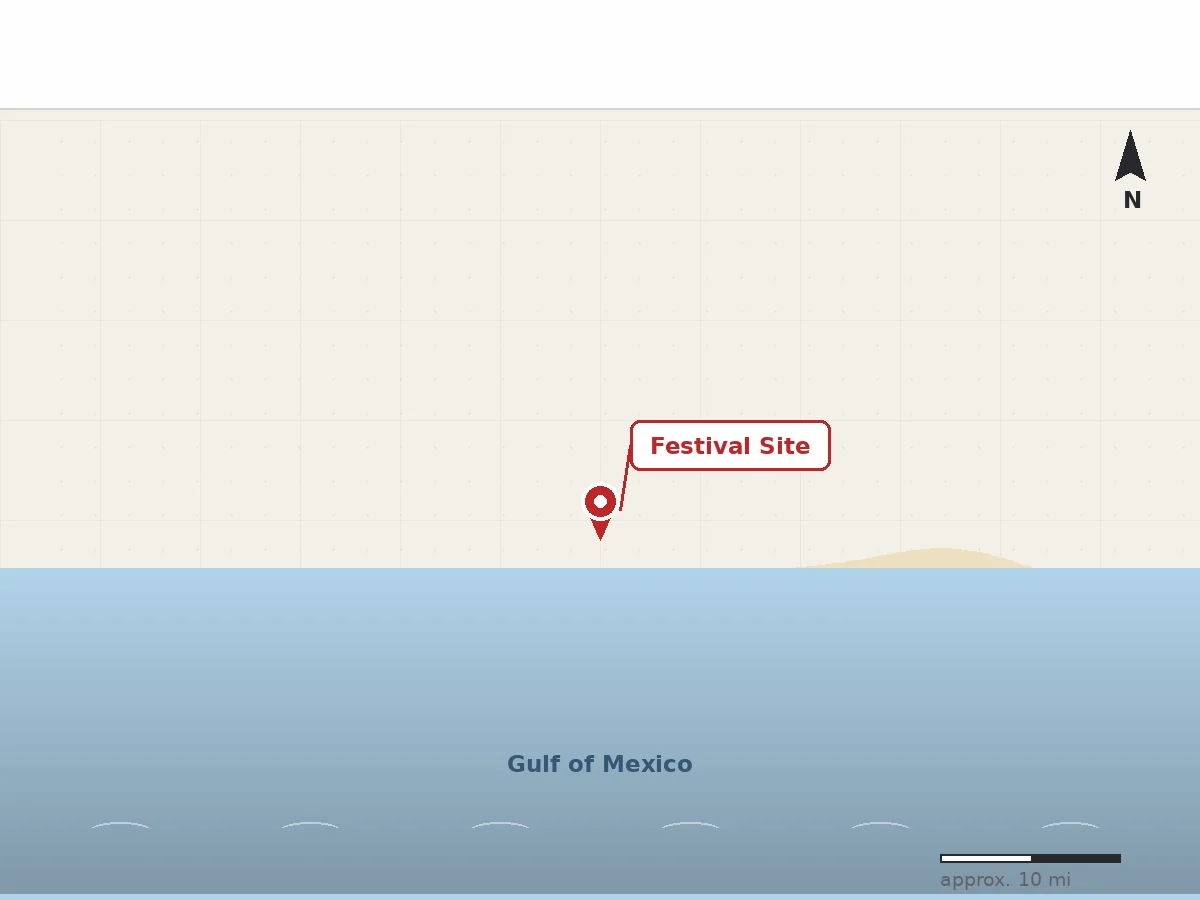
The Caldwell County Fair takes place on the fairgrounds in the Caldwell County area around Princeton, in western Kentucky, with Eddyville to the west, Madisonville to the northeast, and Hopkinsville to the southeast.
Caldwell County Fair Questions, Answered Briefly
Is the Caldwell County Fair free to attend?
Entry is generally free, with costs concentrated in rides, games, food, and any separately ticketed grandstand events. That means a family can spend an afternoon walking the barns and exhibit halls at almost no cost and then decide how much midway time to buy. Bring cash, since smaller booths may not accept cards.
When is the fair usually held?
In most years the fair lands on a summer weekend, which is standard timing for county fairs across this part of Kentucky. Because dates shift from year to year, check with local sources before planning travel rather than assuming a fixed weekend on the calendar.
Is it a good fit for young children and older visitors?
Yes, with a little planning. Mornings are cooler, quieter, and best for barns and exhibits, which suits toddlers and grandparents alike. Evenings are louder and more crowded. A mid-afternoon rest and a return after dinner is the classic strategy for families spanning three generations.
How much time should we set aside?
Two to three hours covers the exhibit halls, barns, and a food-stand lunch. A full evening with grandstand entertainment and midway rides stretches to four or five hours. Many local families spread the fair across two or three visits rather than trying to do everything in one day.
What the Next Caldwell County Fairs Might Look Like
County fairs survive by adapting without losing their shape. The likely direction here is familiar: more emphasis on youth agriculture and hands-on demonstrations, more local food vendors, and continued reliance on volunteers who treat fair week as a civic obligation. Expect the midway to keep its classic rides, the exhibit hall to keep its ribbons, and the pie table to remain the most competitive square footage in Caldwell County.
For visiting families, that stability is the point. A fair that changes slowly is a fair you can return to, year after year, and find your patch of shade still waiting.
Last updated: October 2026
If you go, go the way the Whitfields go: early for the barns, late for the lights, and somewhere in between for a plate of something fried and a conversation with someone you have not seen since last summer. The Caldwell County Fair is not trying to be the biggest weekend in Kentucky. It is trying to be the one where everybody shows up — and in a county of 12,649 people, that is more than enough.