Tippecanoe County Indiana 4-H Fair Festival

Ask anyone who grew up in Tippecanoe County what summer smells like, and you will probably hear about sawdust, funnel cake and the warm interior of a cattle barn. The Tippecanoe County 4-H Fair is the stretch of days when farm families, town kids and Lafayette neighbors all end up in the same place, leaning on the same fence rails, eating from the same stands and cheering for the same ten-year-olds in the show ring.
It is a county fair in the classic Indiana sense, but it is also a youth exhibition with real stakes. Ribbons, trophies and a place in the auction matter to families who spent months halter-breaking a calf or finishing a quilt. Visitors who come only for the food still walk past barns where the county’s next generation is learning to speak in public, keep records and handle a tough judge.
Tippecanoe County 4-H Fair: The Essentials in One Table
| Town / place | Tippecanoe County area, Indiana (Lafayette is the county seat) |
| County | Tippecanoe County, Indiana |
| County seat | Lafayette |
| Population | 186,251 (2020 U.S. Census) |
| Region | West-central Indiana |
| Typical timing | A stretch of days in July, in most years |
| Admission | Typically free to enter the grounds; food, rides and some events cost extra |
| Setting | Fairgrounds with livestock barns, show rings, exhibit halls and a grandstand |
| Signature features | 4-H livestock shows, static exhibits, fair food, grandstand entertainment |
| Organizer | Tippecanoe County 4-H clubs and volunteer fair committees |
What the Tippecanoe County 4-H Fair Is, and Who It Belongs To
The fair is built around 4-H, the youth program that pairs hands-on projects with judging and public display. Members from clubs across the county bring animals — swine, beef and dairy cattle, sheep, goats, poultry and rabbits — alongside static projects such as baking, sewing, woodworking, photography, gardening and small engines.
Regulars describe the fair as two events running at once. In one, judges move quietly through barns and exhibit halls with clipboards. In the other, the grounds fill with families, alumni and neighbors who came for a pork burger and stayed for the demolition derby. Both halves belong to the same county, and both lean on the same volunteers.
Tippecanoe County is home to 186,251 people, in the 2020 census count, spread across 503.24 square miles of west-central Indiana. Lafayette, the county seat, anchors the map. The fair is where a county of that size still manages to feel like one small town for a few days.
For another look at how a community turns its own traditions into a gathering, see the Switzerland County Indiana Swiss Wine Festival for a useful comparison.

From a County Founded in 1826 to a Modern 4-H Fair
Tippecanoe County was founded in 1826, with Lafayette as its seat. In the decades that followed, agriculture shaped nearly every part of life here, from the mills along the Wabash to the rural schoolhouses that sent students into town. County fairs grew out of that world as a way for farmers to compare livestock, swap techniques and mark the end of a growing season.
When 4-H clubs took hold across Indiana in the early 1900s, fairs gained a new center of gravity. What had been largely an agricultural marketplace became a teaching stage for young people, complete with judging standards, record books and public demonstrations.
Over the years, livestock barns were joined by exhibit halls, a grandstand and a midway. The result is a fair that still measures a good year the old way — by how many members finish a project — while also serving as the county’s biggest summer gathering.
A Day in the Barns, the Ring, and the Grandstand
Fair days follow a familiar rhythm. Mornings belong to exhibitors and judges, afternoons to families with strollers, and evenings to the grandstand crowd. Regulars will tell you the best hour is early, before the pavement heats up and while the barn aisles still smell like fresh shavings.
Fair Food That Tastes Like a Tippecanoe County July
Food stands line the main walkways, run largely by 4-H clubs, churches, civic groups and local vendors. Expect pork burgers and breaded tenderloins, corn dogs, curly fries, lemon shake-ups, elephant ears and soft-serve. The baking and food preservation exhibits sit nearby, a reminder that some of the recipes being sold a hundred feet away started as a member’s project. Bring cash for the smaller stands.
Grandstand Nights and Local Talent
Evening entertainment in most years leans on what Indiana fairs do best: tractor pulls, a demolition derby, harness racing on some schedules, and live music from regional bands. The free stage typically hosts talent shows, dance and cheer groups, and 4-H demonstrations. Grandstand events are the one part of fair week that may require a separate ticket, so check the schedule board near the gate.
Family Activities from the Rabbit Barn to the Pedal Pull
Younger children gravitate to the rabbit and poultry barns, where animals sit at eye level, and to the petting areas many fairs set up. Kids’ pedal tractor pulls, face painting, carnival rides and craft tables fill the afternoons. Older visitors often settle near the show ring, where the pace is slower and the seating tends to be shaded.
Planning a Tippecanoe County Fair Trip
Fair week goes better when you plan around heat, parking and the events you actually want to see. Here is how local families usually approach it.
Getting There from Lafayette and Around the County
The fairgrounds sit within the Tippecanoe County area, a straightforward drive from Lafayette, West Lafayette and the smaller communities that ring them. Most visitors arrive by car. If you are leaving from the county seat, allow extra time in the late afternoon, when traffic builds ahead of grandstand events.
Where to Stay Near the Tippecanoe County Fairgrounds
Lafayette and West Lafayette hold the county’s largest concentration of hotels and motels, making them the practical base for out-of-town visitors. Some fairs also offer limited camping or RV space on or near the grounds; availability shifts from year to year, so ask early rather than assuming a spot will be open.
Parking, Traffic and Gate Logistics
Parking is typically on grass lots around the grounds, with volunteers directing traffic. Arrive early on grandstand nights and on the evening of the livestock auction, when lots fill fastest. Wear shoes you do not mind getting dusty, and note where you parked — rows of trucks and trailers can look identical after dark.
Admission, Wristbands, and What Costs Extra
Admission to the grounds is typically free, which is one reason local families treat fair week as a default evening plan. Money changes hands for food, carnival rides, games and some grandstand shows. Ride wristbands and multi-day passes are common at many fairs; vendors often prefer cash, so carry some even if you plan to use a card.
July Heat, Storms, and What to Pack
The fair lands in the hottest part of an Indiana summer, so water, sunscreen and a hat are not optional. Afternoon thunderstorms roll through quickly and can pause shows or clear the midway for a while. Pack a light rain jacket, refillable bottles and a spare shirt for kids who will inevitably end up covered in dust.
A Sample Fair Weekend in Tippecanoe County
Arrive on Friday in the late afternoon and walk the barns before the crowds thicken. Watch a showmanship class in the beef or swine ring, eat dinner from a club stand, then find a seat for the grandstand event. Friday suits visitors who want the full fair atmosphere without committing a whole day to it.
Start Saturday with breakfast at the grounds and head straight to the static exhibits in the morning, when buildings are cool and judges’ comments still hang beside the projects. Midday is for rides and games. Late afternoon belongs to a show ring final or the livestock auction, and evening to music and one more elephant ear.
Sunday runs slower. Families with small children come for the petting areas and a last look at the rabbits. Volunteers begin breaking down booths in the afternoon, so this is the day for a quiet walk through the aisles and a final conversation with the people who made the week happen.
How Tippecanoe’s Fair Compares with Neighboring County Fairs
Tippecanoe County sits in a part of Indiana where nearly every neighboring county runs its own fair, usually within the same July window. Clinton County to the east, White County to the north and Carroll County to the northeast all keep versions of the same tradition, and families with 4-H members sometimes spend more than one week on the road.
The difference is scale. With 186,251 residents counted in 2020 and Lafayette as its seat, Tippecanoe County supports a fair with more barns, more vendors and a fuller grandstand schedule than smaller neighbors can mount. Visitors from surrounding counties often treat it as the bigger night out of their fair season.
Fair Week Checklist for Tippecanoe County Families
Before leaving the driveway, confirm the day’s schedule — show times, grandstand tickets and auction hours shift from year to year. Pack water, sunscreen, hats, a light rain layer, cash for the stands, and closed-toe shoes for anyone walking through barns.
At the grounds, note the restroom and first-aid locations, set a meeting point for teenagers, and keep an eye on heat advisories. If you are showing animals, bring project records, feed, bedding and a change of clothes. Leave the big-wheeled stroller at home if rain is in the forecast.
Beyond the Fairgrounds: Lafayette, West Lafayette and the Wabash Valley
The county seat of Lafayette rewards an extra day. Downtown blocks along the Wabash hold restaurants, breweries and a restored theater district, while Columbian Park offers a zoo, a pool and shade on a hot afternoon. Across the river, West Lafayette is home to Purdue University, whose campus is worth a walk for visitors who have never seen it.
History-minded travelers can head toward the Battle Ground area, where the Tippecanoe battlefield and Prophetstown State Park sit within a short drive of town. Combined with the fair, these stops turn a single-day visit into a weekend covering agriculture, history and the river that shaped the county.
The Fair as Tippecanoe County’s Summer Common Ground
Across 503.24 square miles, the fair is one of the few events that pulls people from every township into the same space. Alumni come back to watch nieces and nephews show. Businesses sponsor classes. Volunteers who spent their own childhoods in the barns now work the gates and the food stands.
That continuity is the point. The fair teaches record-keeping, public speaking and responsibility to a new group of members each year, and it gives the rest of the county a reason to slow down in the middle of July and talk with a neighbor.
Where the Tippecanoe County 4-H Fair Takes Place
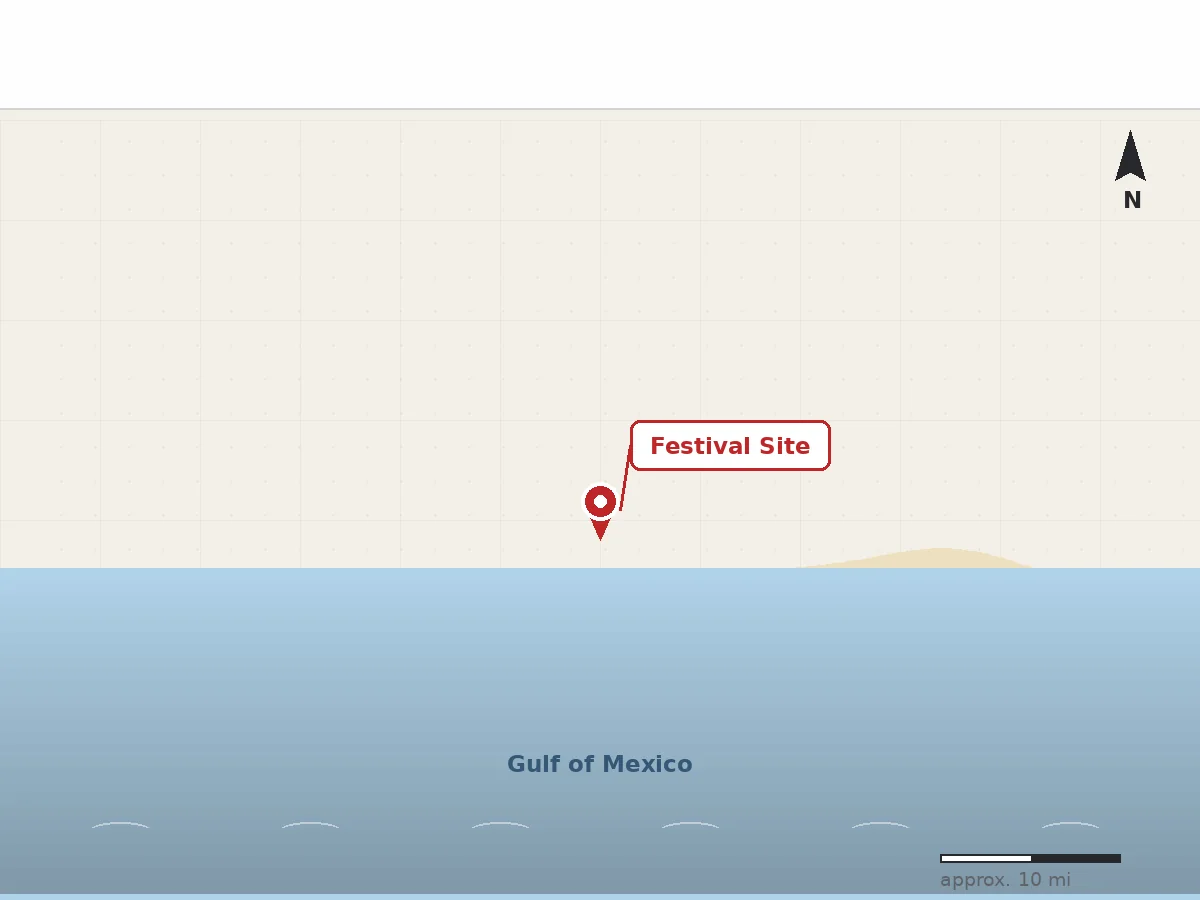
The fair is held in the Tippecanoe County area of west-central Indiana, with Lafayette, the county seat, serving as the closest major town for directions and lodging.
Practical Answers for Tippecanoe County 4-H Fair Newcomers
Is admission to the fair free?
Admission to the grounds is typically free, and that has long been part of its appeal for local families. Costs appear inside the gates: food and drinks, carnival rides and games, and grandstand shows that may sell separate tickets. Carry cash for smaller stands and check the gate schedule for ticketed events.
When does the fair usually happen?
The fair falls in July in most years, during the stretch when Indiana county fairs cluster across the state. Exact dates change annually, so confirm the current week before you request time off or book a room in Lafayette.
Can any child enter a 4-H project?
4-H membership is open to young people across the county, not only those who live on farms. Projects range from livestock to photography, robotics, baking, sewing and gardening, so a Lafayette family with a small backyard can still take part. Local 4-H clubs and the county Extension office handle enrollment.
Is the fair manageable for older visitors and young children?
Yes, with a little planning. Mornings are cooler and quieter, seating near the show rings is often shaded, and the barns involve flat walking. Families with toddlers should bring water and a stroller with sturdy wheels, and everyone should plan around the afternoon heat.
What’s Ahead for the Tippecanoe County 4-H Fair
County fairs are not static. Organizers continue to balance traditional livestock shows with newer project areas such as robotics, computer science and environmental science, while working to keep volunteers involved as the population grows around Lafayette and West Lafayette.
Whatever shifts, the shape of fair week is likely to hold: barns in the morning, families in the afternoon, grandstand in the evening, and a county that shows up for its own kids. Last updated: October 2026
If you are new to Tippecanoe County, put the fair on your calendar for a July evening and go with no agenda. Walk a barn aisle, buy something fried, find a seat near the ring and let the week explain itself. That is how most residents here learned to love it, and it still works.

One Comment