Livingston County Kentucky Livingston County Fair Festival
My first Livingston County Fair was an accident. I was driving through western Kentucky, saw a hand-lettered sign at a crossroads, followed it, and ended up eating a pulled-pork sandwich under a shade tree while a tractor pulled a sled of shouting kids past me. My second visit was planned months in advance. That is what this fair does to people — it turns a detour into a tradition.
This piece is for the returning visitor: someone who has already smelled the funnel cake grease and heard the loudspeaker crackle, and who now wants to do the weekend properly. Livingston County is a 342-square-mile county in western Kentucky, founded in 1798 and named for Robert R. Livingston. Its county seat is Smithland, and the 2020 census counted 8,888 people here. A fair in a county that size is not a spectacle staged for tourists. It is a neighborhood reunion with a midway bolted onto it.
Livingston County Fair Basics, Sized Up for a Returning Visitor
Before the specifics, here is the shape of the thing — the facts a second-time visitor wants confirmed rather than discovered.
| Town / place | Livingston County area, near Smithland, Kentucky |
| County | Livingston County, Kentucky |
| County seat | Smithland |
| Population | 8,888 (2020 census) |
| Region | Western Kentucky |
| Typical timing | Summer, usually across a long weekend |
| Admission | Entry is typically free; rides, games and food are sold separately |
| Setting | Rural fairgrounds surrounded by farmland and river bottom |
| Features | Livestock exhibits, carnival rides, food stands, live entertainment, community displays |
| Organizer | Local volunteers and the county’s agricultural community |
What the Livingston County Fair Is, and Why a Second Visit Beats the First
Strip away any nostalgia and the fair is exactly what a county fair is supposed to be: a few days when an entire county agrees to occupy the same patch of ground. The grounds carry the familiar architecture of rural American summer — exhibit barns, a midway, a small stage, a show ring for livestock judging, and a line of food trailers that appear once a year and vanish without a trace.
What changes on a second visit is your timing. First-timers arrive at noon, wilt by three, and leave before the good part. The better play is the late-afternoon gap, after the day’s judging has wrapped but before the evening crowd rolls in through the gate. The barns are still open, the picnic tables are still free, and the light on the fairground dust is worth the wait. That hour is why I now build my whole weekend around the fair rather than squeezing it in.
From 1798 to Now: How the Fair Grew Out of Livingston County’s Farming Roots
Livingston County was founded in 1798, named for Robert R. Livingston, and Smithland has served as its county seat across a span that now covers more than two centuries. That is a long time for any community to keep a tradition alive, and the fair’s persistence says something about how seriously this corner of Kentucky takes its agricultural calendar.
Kentucky county fairs grew from a practical impulse. Farmers needed a neutral ground to compare livestock, trade seed and settle, once and for all, whose hog was better. Over the decades the competitive edge softened into something more social, and the exhibition became a reunion. The Livingston County Fair followed that arc. Blue ribbons are still the point for the families who compete, but for everyone else the point is simply being there.
What has never changed is who carries it. Fairs this size run on volunteers, on families who have shown animals for generations, and on local businesses that sponsor classes and underwrite ribbons. The money you spend on a raffle ticket or a slice of pie tends to stay within a few miles of where you are standing.
A Day on the Fairgrounds: What Returning Visitors Notice
The fair is not one event but a rhythm — slow mornings, crowded evenings, and a Saturday that feels like the entire county showed up at once. Knowing that rhythm is most of the skill.
Fair Food, Church Stands, and the Local Plate
The midway trailers handle the classics: funnel cakes, corn dogs, lemonade shake-ups, fried anything. The better eating, though, tends to come from the civic and church stands, where the menu is shorter and the recipes have been tested on neighbors for years. Barbecue, soups, pies and home-baked desserts show up alongside the commercial vendors. My rule for a return trip is simple: eat one thing from a trailer and one thing from a stand run by people who live here. Bring cash, because small stands are not always set up for cards.
Live Music, Grandstand Nights, and the Evening Crowd
Evenings carry the entertainment load. Local and regional bands — country, gospel and rock — take the stage, and grandstand-style events draw the biggest crowds of the weekend. Contests and demonstrations fill the gaps between sets. If you have been before, you already know that the best vantage point is rarely the front row; it is the edge of the crowd, where you can hear the music and still watch the fair walk past you.
Family Activities and the Kid-Friendly Hours
The midway rides and kiddie rides anchor the family side of the fair, but the exhibit halls do the quiet work. Entries in crafts, canned goods, vegetables, photography and youth projects fill the display cases, and children who have never met a cow will happily spend twenty minutes in the livestock barn. For families with small kids, the earlier hours are kinder — shorter ride lines, cooler air, and a much easier exit before the evening rush.
Planning a Livingston County Fair Weekend Without Guesswork
A fair this size rewards a little preparation and punishes none of it. Here is how I plan the return trip.
Getting to Smithland and the Fairgrounds
Livingston County is a drive-in county. There is no practical way to reach the fair without a car, and the fairgrounds sit in the rural county area with Smithland — the county seat — as the nearest anchor town. Plan your route in advance, download an offline map if you are coming from outside the region, and give yourself extra daylight for the final approach. Country roads at dusk are not the place to be reading a phone screen.
Where to Stay Around Livingston County
Lodging inside a county of 8,888 people is limited, and fair weekend is when it disappears fastest. Options generally fall into three buckets: small local motels, cabins and campgrounds in the wider lakes region, and larger hotel stocks in neighboring communities a reasonable drive away. Book early, and if you are camping, confirm the details directly rather than assuming a site will be free when you arrive.
Parking at the Fairgrounds
Expect field parking with volunteers directing traffic. Arriving before the evening peak gets you a shorter walk and an easier exit. Pick a meet-up point with your group before you split up, because phone service in a crowd on a rural fairground is not something to bet on. Note where you parked in daylight — the field looks entirely different after dark.
Admission, Ride Wristbands, and What a Day Costs
Entry to fairs of this kind is typically free, with the spending concentrated on rides, games and food. Budget for the midway separately from the food, because the two add up faster than anyone expects. Carry cash for smaller stands and donation buckets, and keep a card for the larger vendors. If ride pricing is your deciding factor, check locally closer to the season.
Summer Heat, River Humidity, and What to Wear
Western Kentucky summers are humid, and afternoons on an open fairground are hotter than the forecast suggests. Wear broken-in shoes for gravel and grass, bring a refillable water bottle, and add a light layer for the evening, when the temperature drops faster than you expect. Afternoon thunderstorms are a real possibility, so a compact rain jacket beats an umbrella in a crowd.
A Sample Weekend Itinerary for the Livingston County Fair
Friday afternoon. Arrive before the gates get busy, park while the field is still half empty, and walk the grounds once without buying anything. That first lap is how you decide where the weekend’s meals will come from.
Friday evening. Eat from a local stand, find a spot near the stage, and stay for the first musical set. Leave before the crowd does. Getting out of a fairground field is a skill, and Friday is the easiest night to practice it.
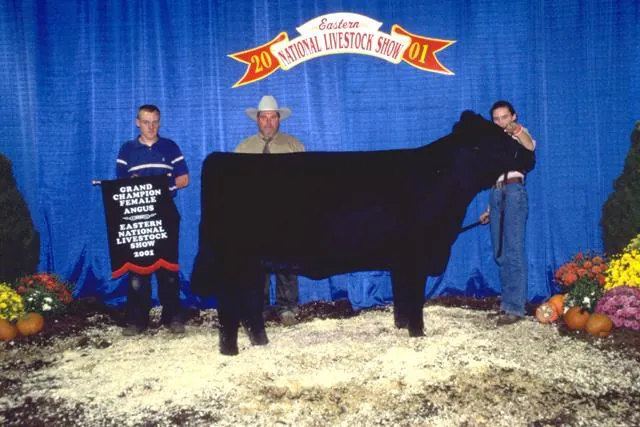
Saturday morning. Come back early for the livestock barns and the exhibit halls, when the entries are freshly judged and the aisles are still walkable. This is the part of the fair that first-timers miss entirely.
Saturday afternoon. Retreat. Go into Smithland or back to wherever you are staying, eat something that is not fried, and rest. The fair is a marathon, and Saturday night is the main event.
Saturday evening. This is the fair at full volume — rides lit up, grandstand packed, food lines long and moving. Ride the midway, watch whatever is drawing the crowd, and accept that you will not see all of it.
Sunday. Return for a slow final lap: the exhibits you skipped, the vendors you meant to visit, one last sandwich. Fairs like this wind down gently, and the last morning is often the most pleasant few hours of the whole weekend.
How the Fair Compares With Smithland, Salem and Grand Rivers
Livingston County is small enough that its communities each offer a different version of a weekend. Smithland, the county seat, is the historic anchor — a river town with a quiet scale that suits a morning walk before the fairgrounds open. Salem serves as a practical hub for errands, fuel and food between fair sessions. Grand Rivers, in the county’s lakes-facing corner, has a more visitor-oriented feel, with the kind of shops and waterfront atmosphere that make it a natural pairing with a fair trip.
Set against other county fairs in the region, Livingston County’s is the intimate version. Larger fairs elsewhere offer bigger grandstand names and longer midway lineups; this one offers shorter lines, lower costs and a crowd where a returning visitor starts recognizing faces. If your priority is scale, drive further. If your priority is the feeling of a genuine local summer, this is the one.
A Returning Visitor’s Checklist for Livingston County
| Cash in small bills | Small stands and donation buckets may not take cards |
| Comfortable closed shoes | Gravel, grass and dust are the whole terrain |
| Refillable water bottle | Summer humidity in western Kentucky is no joke |
| Light rain jacket | Afternoon storms move through quickly |
| Evening layer | Temperatures drop once the sun goes down |
| Parking note or photo | Field parking looks different after dark |
| Meet-up plan | Cell service in a crowd is unreliable |
| Local event listing | Confirm this year’s schedule before you drive |
Beyond the Fairgrounds in Livingston County
The fair is the reason to come, but it is not the only reason to stay another half day. Livingston County’s 342 square miles are mostly farmland, river bottom and quiet two-lane roads, and the driving itself is part of the appeal. Smithland rewards a slow pass through its older streets, and the wider lakes region beyond the county line gives you water, wildlife and campgrounds if you want to stretch the trip into something longer.
For a returning visitor, the move is to build one non-fair half-day into the weekend: a morning drive, a stop for lunch in one of the county’s small communities, and a return to the fairgrounds in the late afternoon when the light turns gold. That combination — local roads plus a fair evening — is the version of Livingston County I keep coming back for.
What the Fair Means to a County of 8,888 People
In a county with 8,888 residents, the fair is one of the few events that genuinely belongs to everyone. It is where 4-H projects get displayed, where older residents see neighbors they have not seen since last summer, and where children learn that a blue ribbon is earned rather than bought. The volunteer labor behind it — the gate workers, the judges, the people flipping burgers for a civic group — is the same labor that holds small communities together the rest of the year.
That is the part a returning visitor notices most. The fair is not a product being delivered to a county; it is the county, briefly visible to itself.
Where the Livingston County Fair Sits in Western Kentucky
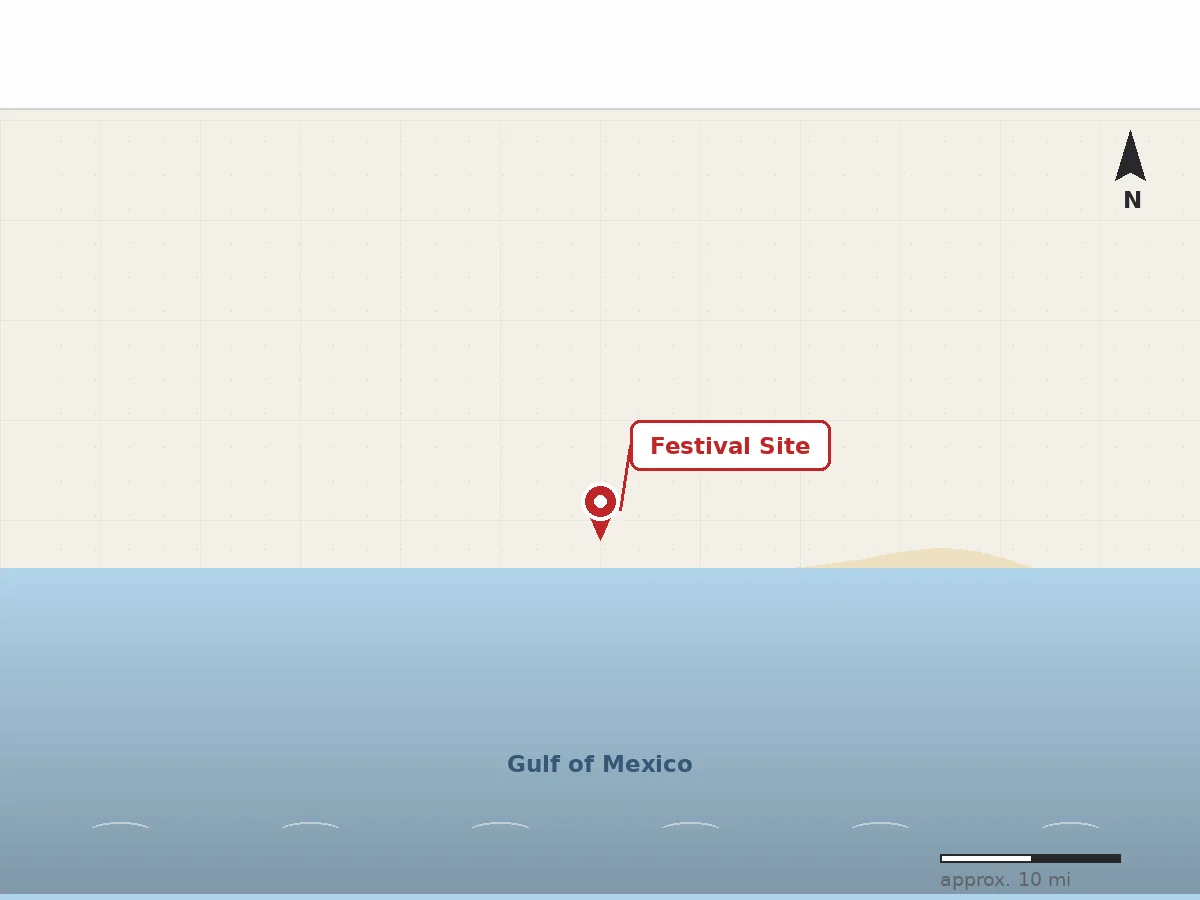
The fair takes place on fairgrounds in the Livingston County area of western Kentucky, with Smithland, the county seat, as the closest anchor town.
Livingston County Fair Questions, Answered
Is the Livingston County Fair free to attend?
Entry to fairs of this type is typically free, with spending concentrated on rides, games and food once you are inside. Treat the gate as the cheapest part of the day and budget accordingly for the midway.
When is the fair usually held?
It falls in summer, generally across a long weekend. Because the exact weekend shifts from year to year, confirm the dates through a local listing or the county’s community channels before you plan travel.
Is it a good fair for young children?
Yes, particularly in the earlier hours. Kiddie rides, livestock barns and exhibit halls are all manageable before the evening crowd arrives, and leaving before the rush makes the whole day easier on everyone.
Should I bring cash?
Bring some. Larger vendors increasingly accept cards, but smaller stands, raffles and donation buckets in a county this size are often cash-only, and an ATM is not something to count on at a rural fairground.
What the Next Livingston County Fair Might Look Like
County fairs survive by adapting without losing their shape. The things most likely to keep the Livingston County Fair recognizable are the same things that have carried it this far: youth agriculture, volunteer labor, and a community small enough that everyone’s participation still matters. Expect the midway to keep modernizing and the exhibit halls to keep filling with entries from families who have been doing this for generations.
For a returning visitor, the practical advice is unchanged. Watch for the season’s schedule as summer approaches, book lodging early, keep a little cash in your pocket, and plan to be on the grounds in that late-afternoon window when the fair is at its best. Some things about a county fair do not need updating.
Last updated: October 2026
If you have been once, you already know the pull of it — the smell of the barns, the sound of the loudspeaker, the particular pleasure of running into someone you met at the same fair a year ago. The Livingston County Fair does not try to impress anyone. It simply shows up every summer, in a county of 8,888 people, and invites the whole place to spend a weekend together. Go a second time and you will understand why that is enough.