Osborne County Kansas Osborne County Fair Festival
After a few summers of making the same drive into Osborne, the Osborne County Fair stops feeling like an event on the calendar and starts feeling like a season. You learn which gate moves fastest, where the shade lands by late afternoon, and roughly when the livestock barns get loud. That familiarity is the appeal: this is a county fair built for people who come back, and for the family members who meet them there.
Osborne County spreads across 894 square miles of north-central Kansas — wheat fields, pasture, and small towns strung along two-lane highways. The county seat is Osborne, and the county’s population sat at about 3,500 in the 2020 census. A fair in a place this size is less a tourist attraction than a reunion with a midway attached, and that is exactly what makes it worth planning a trip around.
Osborne County Fair Essentials, Line by Line
The short version, for anyone deciding whether to make the drive:
| Town / area | Osborne County area, Kansas |
| County | Osborne County |
| County seat | Osborne |
| Population | About 3,500 (2020 census) |
| Region | North-central Kansas |
| Typical timing | Mid-to-late summer, in July or August most years |
| Admission | Typically free to enter the fairgrounds |
| Setting | Rural fairgrounds surrounded by prairie farmland |
| Features | Livestock shows, exhibit halls, carnival rides, grandstand entertainment |
| Organizer | Local fair board and community volunteers |
Returning visitors will recognize the shape of that list immediately: agriculture first, entertainment second, and a volunteer crew holding the whole thing together.
What the Osborne County Fair Actually Is
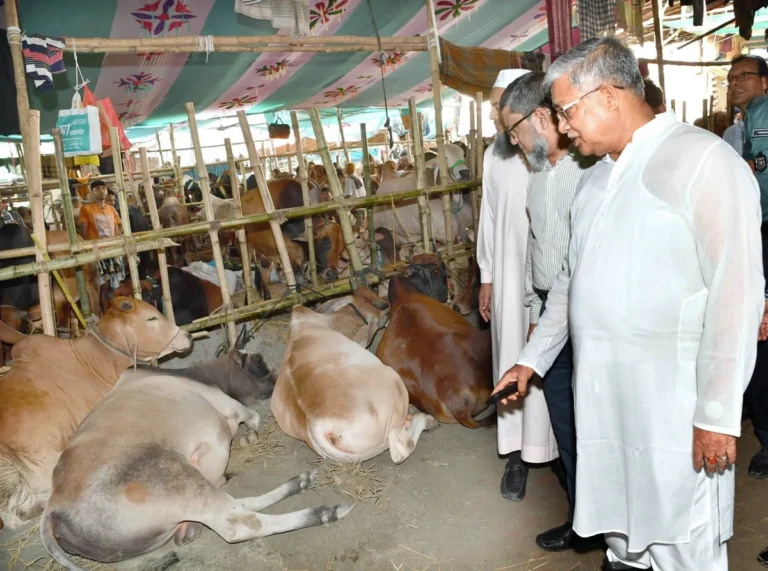
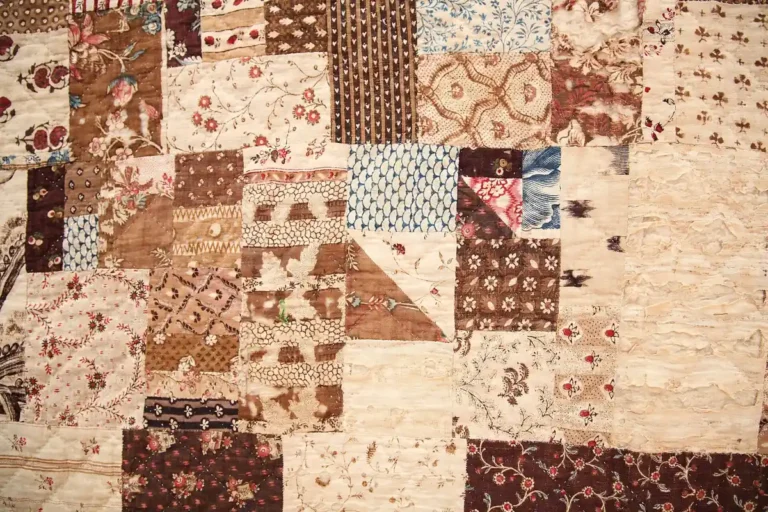
Strip away the carnival lights and the fair is an agricultural showcase with a party wrapped around it. The core is the exhibit side: livestock projects, poultry and small-animal entries, baked goods, canned preserves, quilts, photography, and the kind of garden produce that inspires genuine arguments among neighbors.
For another look at how a community turns its own traditions into a gathering, see the Osage County Kansas Osage County Fair Festival for a useful comparison.
For repeat visitors, the rhythm is predictable in the best way. Mornings belong to barns and show rings, when animals are washed and brushed and exhibitors are still hopeful. Afternoons pull people toward the exhibit halls and commercial tents. Evenings belong to the grandstand, the midway, and long conversations in folding chairs near a trailer.
The fair is also the county’s annual inventory of itself. In a county of roughly 3,500 people, nearly everyone on the grounds is connected to someone showing a project, running a booth, or working a shift at a food stand. That is why the week feels less like a public event and more like a family gathering that happens to sell corn dogs.

From Vincent Osborne’s County to Fair Week on the Prairie
Osborne County was founded on February 26, 1867, and named for Vincent Osborne. The county seat took the same name, and the surrounding 894 square miles filled in over the following decades with farms, ranches, and small communities tied to the rail lines and the grain trade.
County fairs in this part of Kansas grew out of the agricultural calendar rather than a marketing plan. When harvest work eased and livestock were fattened, families had both the time and the reason to gather: to compare animals, swap seed and advice, judge each other’s preserves, and let the kids run loose for a few days.
That pattern held here. What began as a farm-focused exhibition gradually added the pieces that make a modern county fair — a midway, grandstand programming, concession stands, and youth competitions. Each generation inherited the week and added its own layer. The result is an event that has outlasted almost everything else on the county’s social calendar.
Inside the Fairground Rhythm: What Returning Visitors Notice
First-timers often arrive expecting something small and leave surprised by how much is packed into a few days. The grounds are compact — you can walk the whole thing in an afternoon — but the schedule is dense.
Fair Food Worth Planning Your Day Around
Food splits into two camps. The first is midway standard: corn dogs, funnel cakes, fry bread, nachos, and lemonade in cups big enough to require two hands. The second, and the one regulars talk about, is the local food — church and civic group stands, pie by the slice, barbecue, and the home-baked entries that appear in the exhibit hall before they appear on a plate. Plan at least one meal around a stand run by a local organization; the money stays in the county, and the recipes are the ones people grew up on.
Grandstand Nights and Live Entertainment
Evenings are when the grounds fill up. Grandstand programming at Kansas county fairs typically mixes live music, youth events, and crowd-pleasing competitions, and Osborne follows that pattern. Expect local and regional acts, a schedule that builds toward the weekend, and a crowd where everyone seems to know everyone. Arrive early if you want a seat rather than a patch of grass, and bring a blanket either way — the temperature drops fast once the sun goes down.
Family Activities and Kid-Friendly Corners
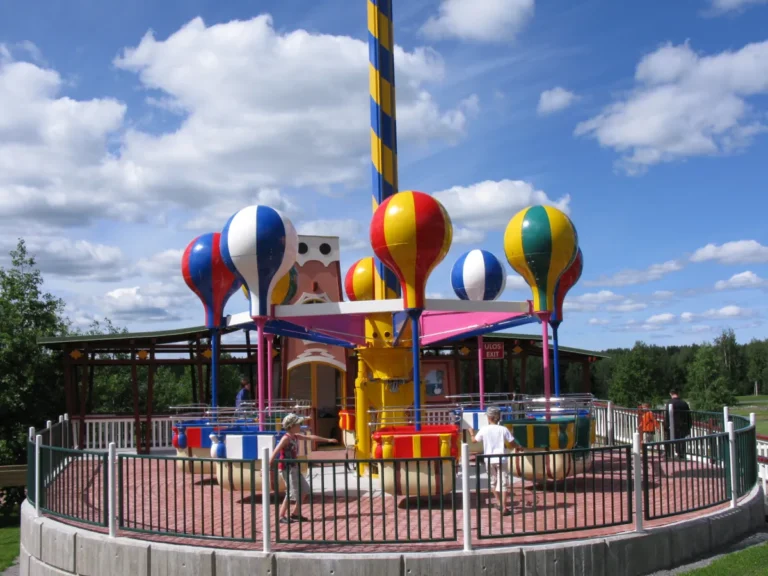
Families get the run of the place. Carnival rides and games anchor one side of the grounds, while the barns and exhibit halls offer something rarer: a chance for kids to talk with the people who raised the animals they are looking at. Petting areas, youth competitions, and simple fairground games keep younger children busy, and older kids often end up in the show ring themselves. Strollers work fine on the main paths, though barn areas can be uneven after rain.
Planning a Fair Week Trip to Osborne County
The fair is easy to attend, and easier to enjoy if you handle a few logistics ahead of time.
Driving Into Osborne County
Osborne sits in north-central Kansas, and nearly everyone arrives by car. The county seat is the natural anchor for the trip, with highways feeding in from several directions and small towns scattered across the surrounding 894 square miles. Fill the tank before you get close — services thin out on county roads — and give yourself daylight for the first drive so you can enjoy the approach across open farmland.
Where to Stay Around Osborne
Lodging in a rural Kansas county is limited, so fair week fills fast. Expect a short list of options — a local motel, guest rooms in nearby communities, and campground or RV spots for anyone who prefers to bring their own basecamp. Book well ahead, and treat the surrounding towns as part of your search area; a short drive is a small price for a bed.
Parking Without the Guesswork
Fairground parking is usually a lot, a field, or a grassy stretch beside the grounds, managed by volunteers and either free or modestly priced. Come early for grandstand events and you will walk less. If the ground has been wet, drive something that handles mud without drama.
What a Fair Day Costs
Admission to the fairgrounds is typically free, which makes this one of the better-value family outings in the region. Budget for rides, food, games, and any grandstand ticketing, and carry cash — small stands do not always take cards, and ATM options in a county of 3,500 are not something to gamble on.
Kansas Summer Weather and What to Pack
Fair week lands in the middle of a Kansas summer: heat, humidity, wind, and the occasional dramatic thunderstorm. Bring water, sunscreen, and a hat, plus a light layer for the evening. Check the forecast before committing to a day, and watch the sky in the afternoon — storms here build quickly and move fast.
A Sample Weekend Itinerary in Osborne
Friday evening: Arrive before the dinner rush, walk the grounds once to get your bearings, then eat at one of the local organization stands. Spend the last hour of daylight in the barns while exhibitors are still working, then find a seat for the evening’s grandstand program.
Saturday morning: This is the heart of the fair. Livestock shows start early, the exhibit halls open, and the coffee is strong. Watch a class or two even if you know nothing about the animals — the judges’ comments are the best free education on the grounds.
Saturday afternoon and evening: Rides, games, and a slow pass through the open-class exhibits. If you have kids, this is the block to spend on their terms. Then eat early, claim your spot for the grandstand, and stay through the closing act if the schedule has one.
Sunday: A shorter, softer day. Many fairs wind down with a final round of events, award announcements, and the quiet dismantling of booths. It is the best time to actually talk with people — volunteers are off their feet and happy to tell you what changed since last year.
How Osborne Compares With Alton, Downs, and the Wider Circuit
Osborne is the county’s hub and the fair’s home base, which makes it the obvious place to stay, eat, and resupply. Neighboring communities like Alton and Downs sit within easy reach and give the week a broader shape: a morning at the fairgrounds, an afternoon on the back roads between small towns.
Compared with larger fairs on the north-central Kansas circuit, the Osborne County Fair trades scale for ease. You will not fight traffic for an hour or pay city prices for parking. What you get instead is a fair where the person selling you a burger is likely related to the kid showing a steer an hour later. Bigger events offer more rides and bigger names; Osborne offers a week you can see in a day and still feel like you missed something.
Fair-Week Checklist for the Truck and the Day Bag
Cash in small bills
Refillable water bottles
Sunscreen and hats
A light jacket or hoodie for the evening
Closed-toe shoes for the barns
A blanket or lawn chairs for the grandstand
A tote for exhibit-hall purchases
A phone charger and a printed copy of the schedule
Add two habits to that list. Arrive early for anything with a start time, because parking fills quickly once the evening crowd rolls in. And talk to people — exhibitors, volunteers, the person behind the pie table. The fair is at its best when you treat it as a conversation rather than a checklist.
Beyond the Fairgrounds: Osborne County the Rest of the Year
The fair is a good excuse to see the county rather than just pass through it. Osborne, the county seat, anchors the trip with its courthouse and small downtown, and the roads radiating outward cut through some of the most open country in north-central Kansas — 894 square miles of fields, pasture, and horizons that do not quit.
Returning visitors often build an extra half day into fair week for exactly this: a slow drive on gravel, a stop at a small-town cafe, a look at the old buildings that mark where rail lines and farm trades once concentrated. Bring binoculars if you like birds and a full tank if you plan to wander. Cell service comes and goes, which is part of the appeal.
What Fair Week Means to a County of 3,500
In a county with roughly 3,500 residents, the fair does work no single business or institution can do alone. It is the annual meeting point for farm families, town families, alumni, and grandchildren visiting from out of state. It is also a quiet economic engine: vendors, fuel, food, lodging, and the small purchases that add up across a few days.
More than that, the fair is a handoff. Older exhibitors teach younger ones how to fit an animal, set a table, or finish a quilt. Volunteers who have run the same booth for decades train replacements without ever calling it training. The week survives because people keep showing up for the unglamorous parts — setting up pens, frying food, sweeping at midnight.
Where the Osborne County Fair Sits on the Kansas Map
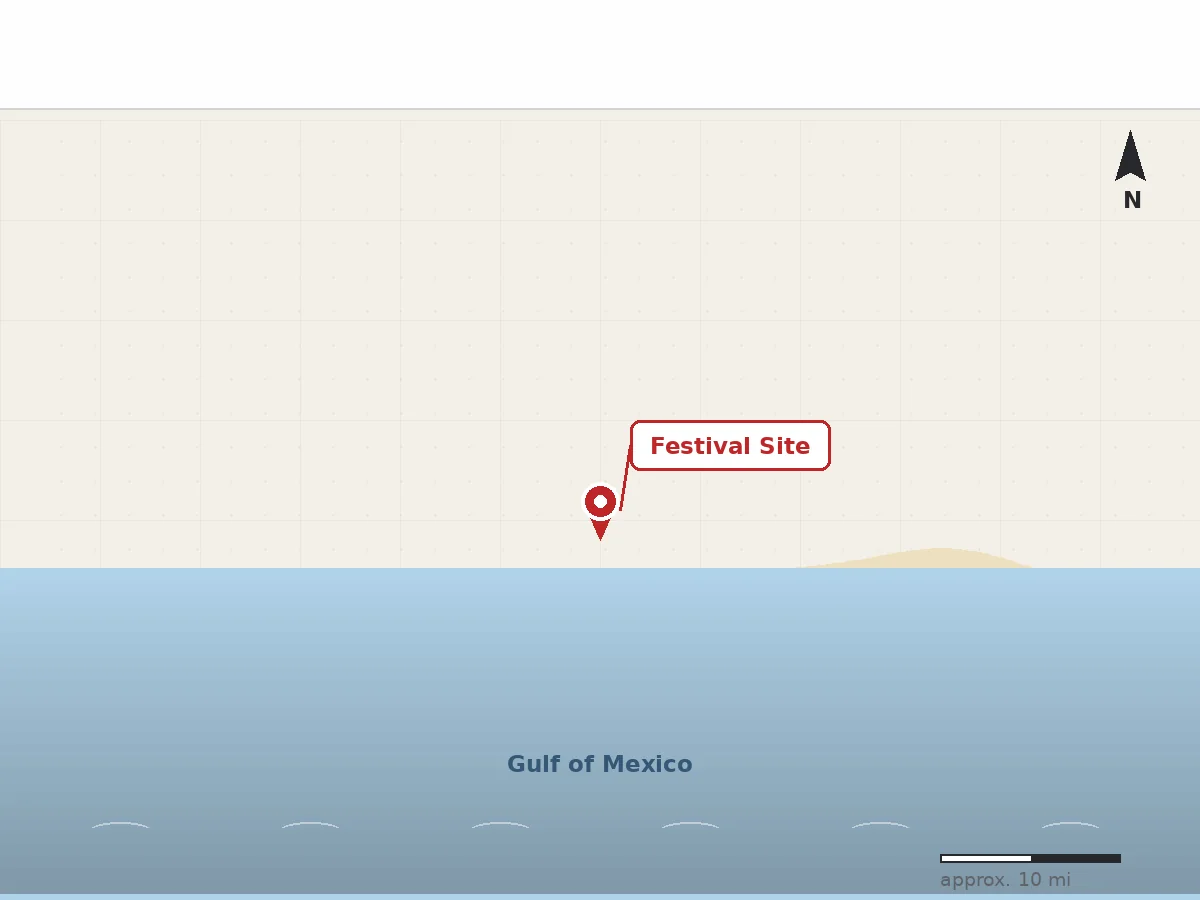
The Osborne County Fair takes place in Osborne County in north-central Kansas, with the county seat of Osborne serving as the surrounding area’s main hub.
Answers for First-Timers and Repeat Fairgoers
Is there an admission fee for the Osborne County Fair?
Admission to the fairgrounds is typically free, which is standard for county fairs in this part of Kansas. Individual attractions — carnival rides, games, grandstand events, and food — carry their own costs, so budget for the extras rather than the gate.
When is the Osborne County Fair usually held?
It is a summer fair, typically falling in July or August, with most of the activity packed into a long weekend. Because the exact dates shift from year to year, check local listings and county announcements before you book lodging.
Is the fair a good fit for young children and older visitors?
Yes. The grounds are compact and walkable, the schedule runs from morning livestock shows to evening entertainment, and the exhibit halls offer quieter corners when younger kids need a break. Older visitors will find plenty of seating and shade, and the pace is unhurried compared with larger regional fairs.
What should I bring on the day I visit?
Water, sunscreen, a hat, and cash. Add closed-toe shoes for the barn areas, a light layer for the evening, and lawn chairs or a blanket if you plan to watch grandstand programming. Kansas summer weather can turn quickly, so a rain jacket is rarely wasted.
Looking Ahead to Another Fair Season in Osborne County
County fairs do not stay relevant by accident. They stay relevant because the people who run them keep adjusting — adding events that draw younger families, holding onto the livestock and exhibit traditions, and finding volunteers willing to take a shift.
For Osborne County, the next fair season will look familiar to anyone who has been coming for years and slightly new to anyone who has not. The constants are the ones that matter: the barns, the exhibit halls, the food stands run by local groups, and the grandstand filling up as the sun drops.
For a returning visitor, that is the whole appeal. You go back because you know what to expect, and you keep going back because it is never quite the same.
Last updated: October 2026
The Osborne County Fair is not trying to be the biggest event in Kansas, and it does not need to be. It is a county fair in the truest sense — a few days when 894 square miles of prairie life gathers in one place, shows its work, feeds its neighbors, and stays up too late talking. If you have been before, you already know the drive. If you have not, put it on next summer’s calendar and find out why people keep coming back.