Osceola County Iowa Osceola County Fair Festival
Osceola County is small by any measure: 6,192 people spread across 399.396 square miles of northwest Iowa prairie. That scale is exactly why its county fair feels the way a fair should. The Osceola County Fair gathers farm families, town folks, and youth exhibitors in and around Sibley, the county seat, for a few days of livestock shows, carnival lights, grandstand noise, and more fried food than anyone’s doctor would recommend. This guide covers what to expect, how to plan a trip, and what else is worth seeing nearby.
One thing to settle first: this is a summer event, not a year-round attraction. In most years the fair lands on a multi-day run in July, the traditional slot for Iowa county fairs, though the schedule shifts slightly from one year to the next. Treat everything below as a planning framework and confirm current dates locally before you book anything.
Osceola County Fair Facts for Your Trip File
| Event | Osceola County Fair |
| Town and area | Osceola County area, anchored by Sibley |
| County | Osceola County, Iowa |
| County seat | Sibley |
| County population | 6,192 (2020 census) |
| County land area | 399.396 square miles |
| Region | Northwest Iowa, near the Minnesota state line |
| Typical timing | Mid-summer, usually a multi-day run in July |
| Admission | Grounds entry is typically free or low-cost; rides, grandstand shows, and concessions are pay-as-you-go |
| Setting and features | County fairgrounds with exhibit halls, livestock barns, a grandstand, and a midway; youth exhibits, livestock shows, carnival rides, and fair food |
Inside the Osceola County Fair: A Small County, A Full Fairground
A county fair in a county of 6,192 people is not a scaled-down state fair. It is its own thing, built around the rhythms of farm life and small-town calendars: exhibit entries judged in the morning, livestock shows through the afternoon, a midway that lights up at dusk, and a grandstand that fills after supper. Expect barns rather than arenas, bleachers rather than box seats, and a schedule that bends around weather and chores.
The fairgrounds function as the county’s temporary town square. Neighbors who have not seen each other since harvest catch up over pork burgers, kids show animals they have raised all spring, and local businesses sponsor classes and trophies. Visitors from outside the area are genuinely welcome; just understand that you are walking into a community reunion that happens to include carnival rides.
That combination makes the fair a good fit for travelers who like authentic small-town events, photographers chasing golden-hour light on the midway, and families hunting for a low-cost summer outing that does not require a wristband and a parking garage.
For another look at how a community turns its own traditions into a gathering, see the Osborne County Kansas Osborne County Fair Festival for a useful comparison.
How a County Named for Osceola Built a Fair Tradition
Osceola County was created on January 15, 1851, and organized on January 1, 1872. That two-decade gap says a lot about how slowly settlement reached this corner of Iowa. The county took its name from Osceola, the Seminole war chief, a striking choice for a stretch of tallgrass prairie more than a thousand miles from the Florida Everglades. Sibley became the county seat, and the surrounding 399.396 square miles filled in with farms, rail towns, and compact main streets.
Iowa’s county fair tradition grew out of nineteenth-century agricultural societies that staged exhibitions of livestock, grain, and household goods. Osceola County’s fair sits squarely in that lineage: an annual showcase where a year of work gets judged, displayed, and celebrated. Over the decades the fair added carnival rides, grandstand entertainment, and youth programs, but the agricultural core never moved.
Today the fair remains one of the few events that pulls together every corner of the county, from Sibley and Ocheyedan to Ashton, Harris, Melvin, and the farmsteads in between. That reach is the reason it has outlasted so many other small community events that quietly disappeared.
Fairground Rhythms: Food, Music, and Family Fun
Fair Food and Local Flavor
Food is the great equalizer at any Iowa county fair, and this one follows the pattern. Expect the classics: pork burgers and brats off the grill, walking tacos, funnel cakes, corn dogs, fresh-squeezed lemonade, and pie or bars from church and community stands. Portions are generous, prices are modest, and the lines move fastest in the late afternoon before the grandstand crowd arrives. Bring cash for the small stands, since not every booth has a card reader.
Grandstand Nights and Local Entertainment
Evening is when the fairgrounds hit full volume. Grandstand programming in northwest Iowa typically leans on the crowd-pleasers: tractor pulls, demolition derbies, motocross, and live music from regional bands. Some nights are ticketed separately, others are included with grounds entry, so check the current schedule before you promise anyone a specific show. Between events, the midway carries the soundtrack with ride music and carnival barkers.
Family Activities, Livestock Barns, and Youth Exhibits
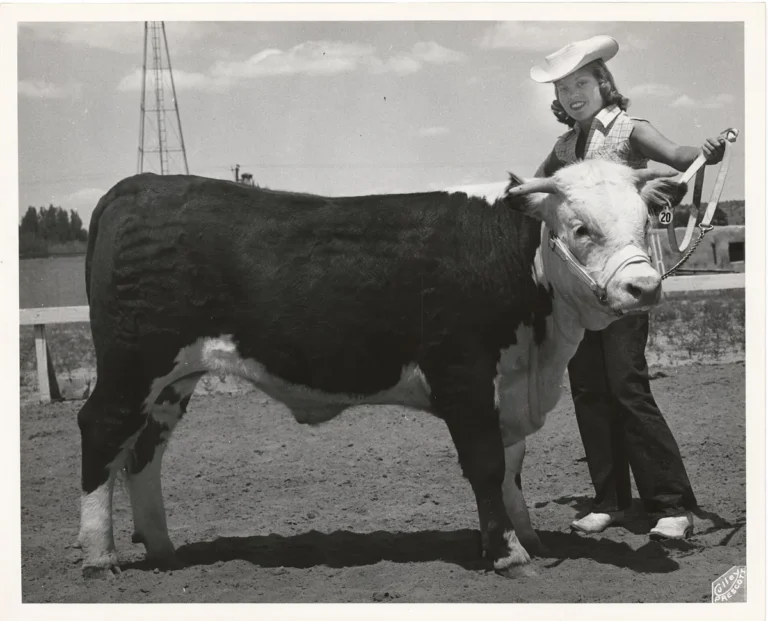
Families get the most out of the fair before the evening rush. The livestock barns are open and welcoming, and exhibitors are usually happy to answer questions about their animals. Youth exhibits, the backbone of Iowa county fairs, fill the exhibit halls with photography, baking, gardening, and craft projects. Carnival rides skew toward younger kids and teens, with a mix of gentle rides and spin-you-silly options. Strollers handle the grounds fine, but the gravel between barns can be dusty in dry weather.
Planning Your Osceola County Fair Trip
Getting to Sibley and the Fairgrounds
Sibley sits in the northwest corner of Iowa, with U.S. 59 running through town and the county’s paved routes fanning out toward the Minnesota line. Most visitors arrive by car, and the drive across this part of Iowa is flat, fast, and lined with corn and soybeans. If you are coming from a larger city, plan the fair as part of a broader northwest Iowa loop rather than a quick detour.
Where to Stay in and Around Osceola County
Lodging in a county of 6,192 people is limited, so book early once dates are confirmed. Expect a handful of small-town motels, guesthouses, and campgrounds in the area, with more rooms in nearby regional hubs within a reasonable drive. Camping can be a strong option in summer, but verify availability and hookups ahead of time rather than assuming you can roll in and find a spot.
Parking on Fair Days
Fairground parking is usually the easy part in a county this size, but the lot nearest the main gate fills during grandstand events. Arrive thirty to forty-five minutes before a big show, or park a few blocks out and walk. Follow local signage and volunteers rather than inventing your own spot along a field edge.
Admission, Costs, and Cash
Grounds entry at county fairs like this one is typically free or low-cost, with spending concentrated on carnival rides, grandstand tickets, food, and games. Set a rough budget per person for rides and food, and keep some cash on hand for smaller vendors. If you are traveling with kids, decide in advance whether you are doing unlimited ride bands or individual tickets.
Weather, Clothing, and Comfort
July in northwest Iowa means heat, humidity, and the real possibility of an afternoon thunderstorm. Wear breathable clothing, closed-toe shoes for barns and gravel, and bring sunscreen, a hat, and a refillable water bottle. Evenings cool off quickly once the sun drops, so a light layer in the car is smart. If storms roll in, fairgrounds generally pause activities and resume when it is safe.
A Sample Osceola County Fair Weekend
Friday afternoon: Arrive in Sibley early, park without stress, and walk the barns before the crowd builds. Grab an early supper from a food stand, then find a seat for the evening grandstand event. Stay for the midway lights after dark, when the fairgrounds look their best.
Saturday: Come back mid-morning for livestock shows and the exhibit halls, which are busiest and most interesting before noon. Spend the hot part of the afternoon in town or back at your lodging, then return for the carnival, a second grandstand show, and dessert you did not plan on.
Sunday: Keep it short. Walk the grounds one last time, buy something from a youth exhibitor, and take a slow drive through the county before heading home. If you have time, a stop at a local landmark or a small-town cafe rounds out the trip nicely.
Osceola County Fair vs. Nearby County Fairs and Towns
Context helps when you are deciding how to spend a summer weekend in this corner of Iowa. The Clay County Fair in Spencer is the region’s heavyweight, a large, multi-day event with national entertainment draws and a much bigger footprint. The Lyon County Fair in Rock Rapids and the O’Brien County Fair in Primghar sit closer in scale to Osceola County’s fair: community-rooted, agriculture-first, and easy to navigate in an afternoon.
Choose Osceola County if you want something unhurried where you can actually talk to exhibitors and park without a strategy. Choose Spencer if you want a big-fair atmosphere with headline acts. Many travelers do both in the same summer, since the towns are close enough to pair across a long weekend.
Osceola County Fair Packing and Prep Checklist
Before you leave: confirm the current fair dates and grandstand schedule; check the weather forecast for the Sibley area; pack sunscreen, hats, water bottles, and closed-toe shoes; bring cash for small vendors and games; charge your phone and pack a battery brick for long days; note that evenings cool down and a light jacket helps; and if you are staying overnight, book lodging well in advance because rooms in a county this size go quickly during fair week.
Beyond the Fair: Sibley, Ocheyedan, and the Prairie Between
The fair is a good excuse to explore the rest of Osceola County. Sibley, the county seat, has the kind of compact downtown where you can park once and walk the whole thing. Ocheyedan, Ashton, Harris, and Melvin are small towns with their own local character, and the drive between them is classic northwest Iowa: grain elevators on the horizon, windbreaks along the section lines, and big skies that turn dramatic at sunset.
This is prairie pothole country, which means wetlands and waterfowl for anyone with binoculars. Local high points and roadside parks offer wide views over the farmland, and the Minnesota state line is close enough for a short side trip. If you want a bigger-town afternoon, regional hubs within driving distance offer shopping, restaurants, and additional lodging.
Why the Osceola County Fair Still Matters in a County of 6,192
In a county with 6,192 residents, the fair is not just entertainment. It is infrastructure for community life. It is where kids learn to present a project, handle an animal, and lose gracefully. It is where volunteer hours from dozens of people turn an empty fairground into a working small city for a few days. It is where the county’s agricultural identity gets passed to the next generation instead of quietly retiring.
That is worth something beyond the gate receipts. County fairs across the Midwest have struggled as populations shrink and entertainment options multiply, yet Osceola County’s version keeps drawing people back because it serves a purpose no screen can replace: face-to-face time in a place where everyone knows your family name.
Where the Osceola County Fair Sits on the Map
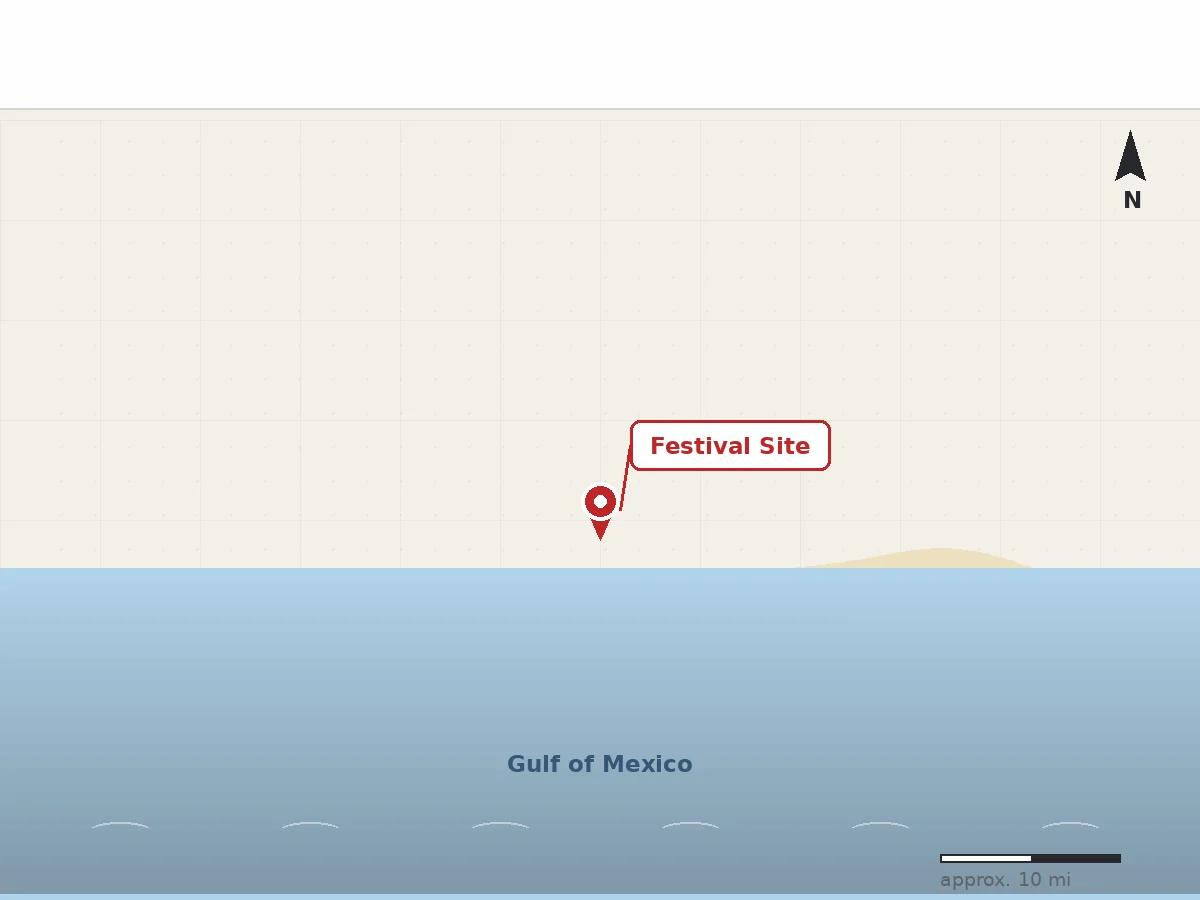
The Osceola County Fair takes place in the Osceola County area of northwest Iowa, with Sibley, the county seat, serving as the hub for visitors exploring the surrounding prairie towns.
Osceola County Fair Visitor Questions
When is the Osceola County Fair usually held?
It is a summer fair, typically scheduled for a multi-day run in July, which is the traditional window for county fairs across Iowa. Exact dates shift from year to year, so confirm the current schedule through local listings before you plan travel or lodging.
Do I need to buy tickets in advance?
For most visitors, no. Grounds entry at fairs of this size is usually free or low-cost, with spending focused on carnival rides, food, games, and any separately ticketed grandstand shows. If a headline grandstand event is on your must-do list, check ahead in case advance tickets are recommended.
Is the fair a good outing for young children?
Yes. The barns, small-animal exhibits, and kid-friendly carnival rides make it an easy day out for families, and the grounds are compact enough to cover without exhausting small legs. Go earlier in the day for cooler temperatures and shorter lines, and bring a stroller if you have toddlers.
Should I bring cash to the fairgrounds?
Bring some. Larger vendors and carnival operators often accept cards, but smaller food stands, youth fundraisers, and game booths frequently run on cash. A mix of both is the safest approach, especially if you plan to buy from community booths.
Looking Ahead at the Osceola County Fair
The fair’s future looks a lot like its past: dependent on volunteers, youth participation, and the willingness of a small county to show up for itself. As farm numbers shift and young families move in and out of rural Iowa, fairs like this one increasingly double as recruitment for the next generation of exhibitors and organizers. Expect continued emphasis on youth programs, family-friendly grandstand nights, and keeping the event affordable for local families.
For travelers, that means the fair will likely remain what it is now: unpretentious, easy to navigate, and best experienced without a rigid schedule.
Last updated: October 2026
If you plan around a July weekend, confirm the dates locally, book lodging early, and arrive with cash, sunscreen, and no particular hurry, the Osceola County Fair will deliver exactly what a county fair should: a few days when a small corner of northwest Iowa feels like the center of the world.


One Comment