Ottawa County Kansas Ottawa County Fair Festival

The Ottawa County Fair is the kind of county fair that rewards a little planning. It runs for a multi-day stretch in mid-summer, it pulls families from every corner of a 721-square-mile county, and it compresses livestock shows, exhibit halls, a midway, and grandstand nights into a schedule that moves fast. You can show up cold and still enjoy yourself. You will just miss things.
This guide is written for the visitor who wants the logistics settled in advance: when to arrive, where to park, what a day actually costs, and how to build a full weekend around a county seat of 5,735 people.
A Planner’s Snapshot of the Ottawa County Fair
These are the fixed points worth knowing before you load the car.
| Festival | Ottawa County Fair |
| Location | The Ottawa County area, Kansas, with Minneapolis as the county seat |
| County | Ottawa County, Kansas, founded February 27, 1860 |
| Population | 5,735 (2020 census) |
| Land area | 721 square miles |
| Region | North-central Kansas |
| Typical timing | Mid-summer, usually a multi-day run in July or early August |
| Admission | Typically free to enter the grounds; food, rides, and vendor items are extra |
| Setting and features | Fairgrounds with barns, exhibit space, a midway, and grandstand seating; livestock shows, project exhibits, carnival rides, and fair food |
| Organizer | A volunteer fair board and community groups from across the county |
The Ottawa County Fair, Explained for First-Time Visitors
Strip away the carnival lights and the Ottawa County Fair is a countywide show-and-tell. Families from across Ottawa County bring livestock, garden produce, baked goods, crafts, and photography to be judged, then spend the rest of the week drifting between the barns, the exhibit hall, and the midway.
That mix makes the fair easy to navigate. The grounds are compact enough to walk in a single evening, but the schedule layers events across several days, so first-timers often return a second night once they understand the layout. Mornings lean toward judging and livestock handling. Afternoons bring families with small children. Evenings fill with grandstand events, food lines, and the loudest part of the midway.
For another look at how a community turns its own traditions into a gathering, see the Osceola County Iowa Osceola County Fair Festival for a useful comparison.
It is also a genuinely local fair. In a county of 5,735 people spread across 721 square miles, fair week functions as the annual reunion — the place where neighbors from different towns actually see one another.
A Fair Tradition in a County Founded on February 27, 1860
Ottawa County was founded on February 27, 1860, with Minneapolis as its county seat, and the fair tradition here grew out of the same agricultural rhythms that built the county. In a place this size, a county fair was never just entertainment. It was the annual accounting of a year’s work: who bred the better heifer, whose tomatoes held up, whose pie crust earned the ribbon.
Over the decades that core purpose has stayed intact even as the surrounding attractions multiplied. Livestock and project exhibits remain the spine of the week, and youth participation keeps the tradition moving forward — a young exhibitor who starts showing animals in grade school often ends up running a committee a decade later.
What has changed is scale and comfort. Fairgrounds gained permanent barns and exhibit buildings, grandstand programming broadened beyond livestock, and food vendors multiplied. What has not changed is the timing. Fair week still lands in mid-summer, when farm families can reasonably step away for a few days before the season turns.
What a Fair Day in Ottawa County Feels Like
Fair days here follow a recognizable arc, and knowing it helps you pick an arrival time. If you want quiet, come early. If you want energy, come after dinner.
Fair Food and the Midway Menu
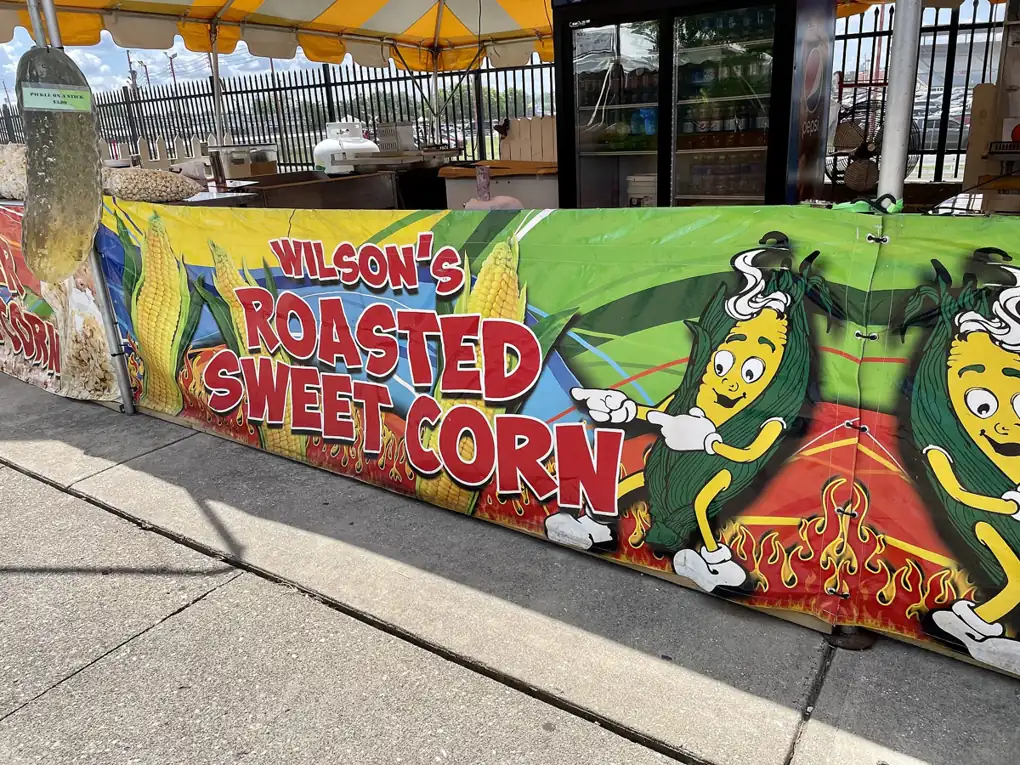
Fair food is its own economy. Expect the standard lineup — funnel cakes, corn dogs, burgers, pulled pork, kettle corn, snow cones — plus whatever local groups are running out of their stands and trailers. Church and civic booths are often the best value and the best food, and they are frequently cash-friendly. Set a per-person food budget before you arrive, because it is easy to spend more at the midway than you intended. If you are feeding a family, eat a real meal beforehand and treat the fair as dessert.
Grandstand Entertainment and Live Music
Evenings carry the headline events. Grandstand programming typically blends contests, motorsports-style events, and live music, and seating fills quickly on the biggest nights. Arrive early if you want a seat rather than a standing spot, and expect the area around the grandstand to be the busiest part of the grounds after dark. Smaller stages and open-air performances run earlier in the day, which is where you will find local musicians and thinner crowds.
Family Activities, Youth Exhibits, and Rides
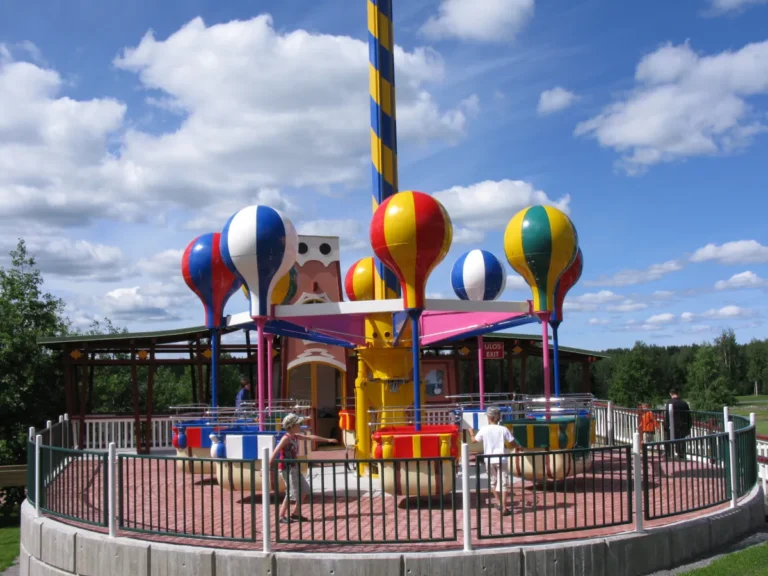
For families with young children, the afternoon is the sweet spot: rides are running, animals are still active in the barns, and the crowd has not thickened yet. Youth exhibits deserve real time — project displays, livestock shows, and the small competitions that give the fair its purpose. Ride wristbands usually make more sense than single tickets if your kids plan to ride more than a couple of times. Strollers work on the main paths but struggle in barn aisles, so a carrier is often easier.
Getting to the Ottawa County Fairgrounds and Planning Your Day
Ottawa County is rural north-central Kansas, and the fairgrounds sit within the county’s road network rather than on an interstate exit. That is good news for drivers and a reminder to sort out fuel, food, and cash before you get close.
Getting There from Minneapolis and Around the County
Minneapolis, the county seat, is the natural reference point, and most visitors arrive by car from the surrounding towns and farms. Give yourself extra time during peak evening hours, when two-lane roads carry a lot of local traffic. Coming from outside the county, route through a larger regional town and take the county roads in from there. Navigation apps handle it well, but cell coverage can thin out in spots.
Where to Stay Near Ottawa County
Lodging inside Ottawa County is limited, so most out-of-town visitors base themselves in a nearby larger community and drive in for the evening. Book well ahead for fair week — mid-summer is peak season across this part of Kansas. Campers and RV owners do best by confirming options early rather than assuming a site will be open.
Parking Without the Guesswork
Parking is typically on or next to the fairgrounds, on grass and gravel rather than pavement. Arrive before the grandstand program begins if you want a short walk. Note where you parked while it is still daylight, because the lots are dark and unmarked after the show. Keep a flashlight handy and expect a slow, patient exit at the end of the night.
Admission, Costs, and How Much Cash to Carry
Grounds admission is typically free, which makes the fair an easy, low-commitment stop. Your money goes to food, rides, games, raffles, and vendor booths instead. Carry some cash even though many vendors accept cards — small booths and youth groups often do not. A sensible family budget covers food per person, ride tickets or a wristband, and a little slack for the kids.
Kansas Weather and Fair Week Contingencies
Mid-summer in north-central Kansas means heat, humidity, and the occasional fast-moving storm. Plan around the middle of the day; mornings and evenings are cooler and far more comfortable. Bring water, hats, and sunscreen, and watch the sky — outdoor events pause or shift when weather moves in. A light rain jacket beats an umbrella in a crowd, and closed-toe shoes handle muddy lots better than sandals.
A Sample Ottawa County Fair Weekend, Start to Finish
First evening: Arrive late afternoon, walk the grounds once to get your bearings, eat at a civic food stand, then settle in for the grandstand program. Leave before the final rush if you have small children.
Saturday morning: Return early for livestock and project judging. This is the quietest, most authentic stretch of the fair and the best time to actually talk with exhibitors.
Saturday afternoon and evening: Rides, games, and the midway, followed by live entertainment. Eat at the fair, or grab something in town first to control costs.
Sunday: A shorter day. Catch the exhibits you missed, buy something from a vendor, and let the kids ride one last time before the grounds wind down.
How Ottawa County’s Fair Week Compares Nearby
Fair week in Ottawa County is a mid-sized, walkable, community-first event. Compared with larger regional fairs — the kind staged around Salina in Saline County, Abilene in Dickinson County, or Concordia in Cloud County — it trades sheer size for accessibility. Parking is simpler, lines are shorter, and you can cover the whole fair in one evening if you move with purpose.
What you give up is scale: bigger fairs in the region bring more vendors, larger carnivals, and headliner entertainment. What you gain is a fair where the people showing animals are your neighbors. Within easy driving range, the Ottawa County Fair works well as a half-day trip. From farther out, pair it with a night in a nearby town and treat it as a weekend.
Fair Week Prep List for Ottawa County Visitors
Pack light, but pack these.
| Cash in small bills | Youth groups and small booths may not take cards |
| Water bottles and sunscreen | Mid-summer Kansas afternoons are hot and exposed |
| Closed-toe shoes | Barn aisles, gravel lots, and possible mud |
| Light rain jacket | Summer storms arrive and pass quickly |
| Flashlight or charged phone | Grass parking lots go dark after the grandstand |
| A set food budget | Midway spending adds up faster than expected |
| Seat cushion or blanket | Grandstand benches get hard during long programs |
Beyond the Fairgrounds in Ottawa County
The fair is a good excuse to spend real time in the county itself. Minneapolis, the county seat, is the natural starting point — a small Kansas town with the civic buildings and quiet streets that anchor a county of 5,735 people.
Ottawa County’s 721 square miles are mostly working land: fields, pasture, and the long horizons that make north-central Kansas feel wide open. Driving between towns is part of the experience, so leave twenty minutes of slack in your schedule just to take it in. Fuel up, carry water, and enjoy the fact that a traffic jam here means a grain truck and four pickups.
What Fair Week Holds Together in Ottawa County
With 5,735 residents spread across 721 square miles, Ottawa County has no single place where everyone naturally gathers. Fair week creates one. It is where schools, farms, businesses, and volunteer groups converge, where teenagers take on real responsibility, and where older residents pass down skills that are not taught anywhere else.
The economic piece matters too. Fair spending circulates locally, and food stands and raffles often fund youth programs and community projects for the rest of the year. The deeper value is social: a county this size depends on people knowing each other, and the fair is where that happens.
Where the Ottawa County Fair Sits on the Map
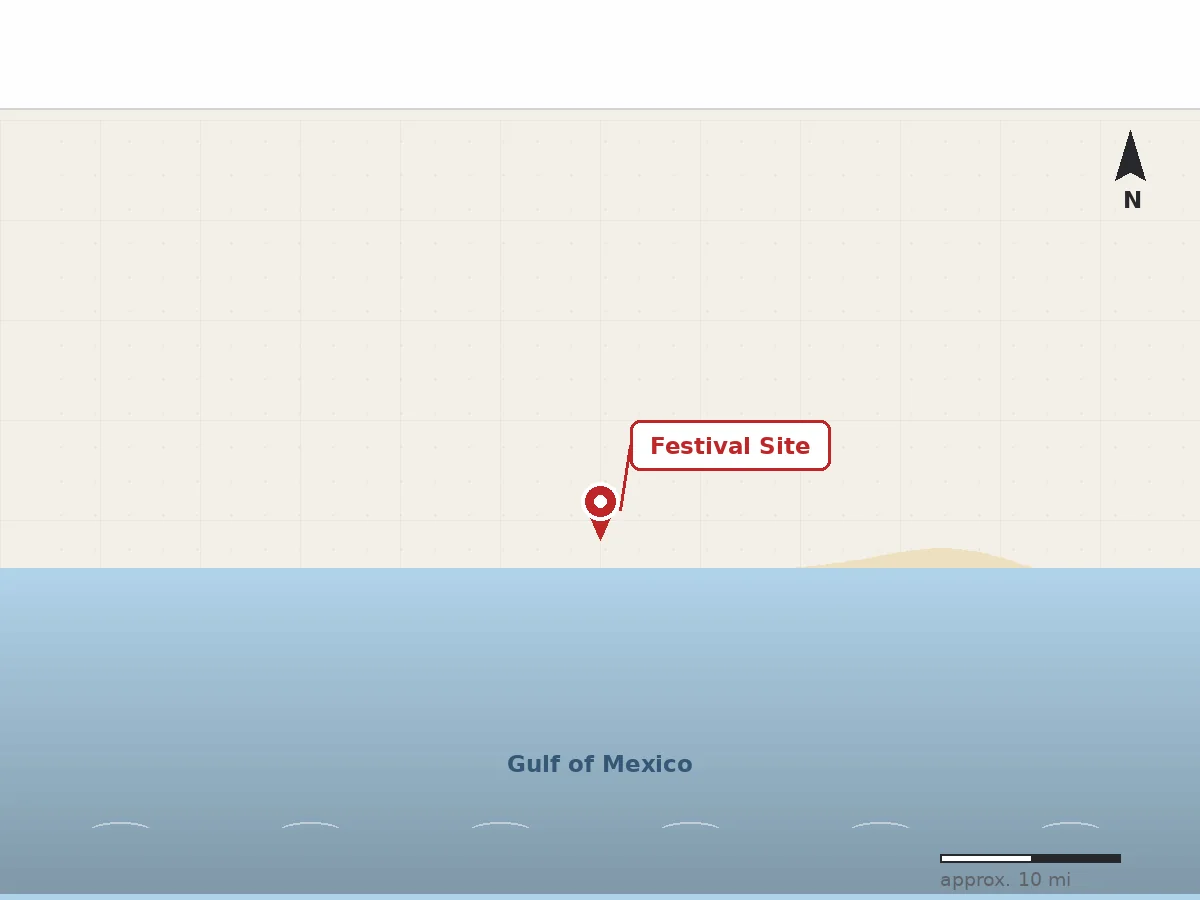
The Ottawa County Fair takes place within Ottawa County, Kansas, in the north-central part of the state, with Minneapolis serving as county seat and the main reference point for visitors.
Ottawa County Fair Answers for First-Time Planners
Is the Ottawa County Fair free to attend?
Grounds admission is typically free, so there is no ticket barrier to walking in and looking around. Budget for food, rides, games, raffle tickets, and vendor purchases instead. Individual events, carnival rides, and grandstand nights may carry their own charges, so bring a little cash alongside a card.
How long does the fair run?
It is a multi-day event, typically staged in mid-summer, most often in July or early August. Most visitors spread their time across two or three visits rather than trying to see everything in one night, since morning livestock activity and evening grandstand programs draw entirely different crowds.
Is the fair manageable for young children and older visitors?
Yes, with a little timing. Afternoons suit young families best; evenings are loud and crowded. Older visitors often prefer the early hours, when the grounds are quiet, the barns are open, and seating is easy to find. Paths are generally flat, but grass lots and gravel can be uneven.
What happens if it rains during fair week?
Summer storms in this part of Kansas can arrive quickly and clear just as fast. Outdoor events may pause or move indoors when weather threatens. Bring a light jacket, wear shoes you do not mind getting muddy, and check with fair volunteers on site for same-day schedule changes.
The Next Chapters of the Ottawa County Fair
County fairs survive by adapting, and Ottawa County’s has the two things that matter most: a deep volunteer base and a genuine reason to exist. Expect the agricultural core to remain — livestock, projects, and youth exhibits — while entertainment and vendor offerings continue to shift with the times.
For visitors, the practical advice is to treat fair week as a tradition worth repeating annually rather than a one-time stop. Come once to learn the layout, then return the next year with a plan: your parking spot, your food stand, and the night the grandstand is worth arriving early for.
Last updated: October 2026
However you schedule it, the Ottawa County Fair fits neatly into a weekend: free to walk into, compact enough to cover in an evening, and built around the people who actually live in Ottawa County. Bring cash, bring water, arrive early for the grandstand, and leave room in your plans to come back a second night. Most people do.