Osage County Kansas Osage County Fair Festival
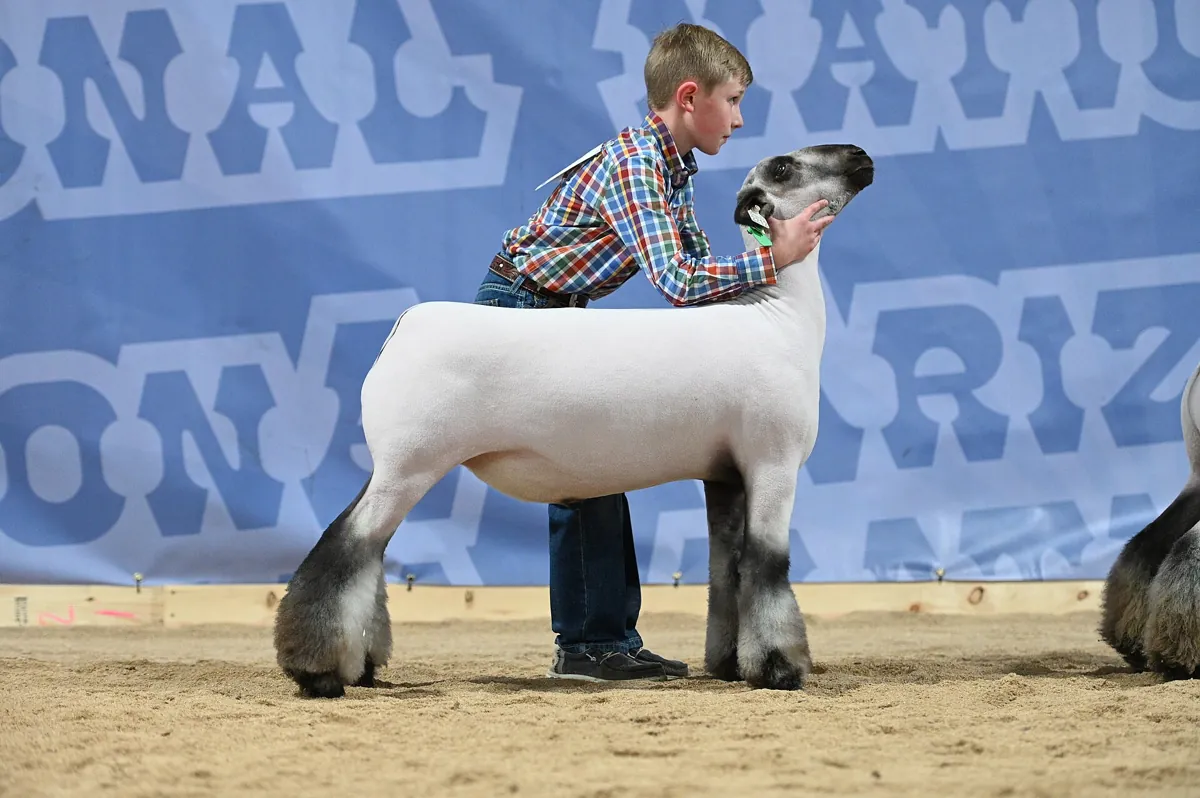
Twice is the magic number at the Osage County Fair. The first visit is a blur of livestock barns, funnel cake smoke and trying to find the grandstand before the evening program starts. The second visit is when you stop checking the schedule every five minutes and start knowing where to park, which food stand to hit before the line forms, and which patch of shade stays cool at four in the afternoon. This guide is written for that second visit — and for the tenth.
Osage County is a 720-square-mile stretch of east-central Kansas, founded in 1855, with Lyndon as its county seat and a population of 15,766 as of the 2020 census. The fair is the county’s biggest shared calendar event, and it runs on the kind of volunteer energy only small counties produce. If you’ve been before, you already know the drill. If you haven’t, consider this your shortcut.
Ten Things to Know Before Your Next Osage County Fair
A fast reference for regulars who want the essentials without scrolling.
| Town / place | The Osage County area, Kansas |
| County | Osage County |
| County seat | Lyndon |
| Population | 15,766 (2020 census) |
| Region | East-central Kansas, between Topeka and the Flint Hills |
| Typical timing | Late summer, usually a multi-day run in July or August |
| Admission | Typically free, with small charges for some activities and concessions |
| Setting | Rural fairgrounds with open-air barns, exhibit halls and a grandstand |
| Features | Livestock shows, 4-H exhibits, carnival rides, grandstand events, food stands |
| Organizer | Volunteer fair board and local community groups |
What the Osage County Fair Really Is
The Osage County Fair is the kind of county fair that hasn’t been redesigned for tourists. It exists because farm families, 4-H members, school groups and small-town businesses across a 720-square-mile county still want one week a year when everyone is in the same place at the same time. Expect the classic layout: barns and pens for livestock, an exhibit hall full of baking, canning, photography and needlework, a midway with rides and games, a grandstand for evening events, and a show ring where the week’s biggest moments happen.
Because the fair is put on by a volunteer fair board and local community groups rather than a commercial promoter, the schedule leans toward participation. Entering something — a pie, a photo, a bucket calf, a quilt — is part of the experience for a lot of Osage County residents, and it’s why returning visitors often head to the exhibit hall first to see who won what.
For another look at how a community turns its own traditions into a gathering, see the O’Brien County Iowa O’Brien County Fair Festival for a useful comparison.
A County Born in 1855 and a Fair That Grew With It
Osage County was founded in 1855, in the territorial years before Kansas became a state, and Lyndon has served as its county seat. Agriculture shaped everything that followed. The county’s prairie, creek bottoms and uplands were broken into farms and ranches, and the towns that grew up along the old Santa Fe Trail corridor — Burlingame, Osage City, Overbrook, Carbondale, Scranton — were built around rail shipping and grain.
County fairs in Kansas grew out of exactly that world. They began as agricultural exhibitions where farmers compared yields, breeders compared bloodlines, and households showed off what they could do with a season’s produce. Over generations the Osage County Fair added carnival rides, grandstand entertainment and youth competitions, but the agricultural core never left. The fair’s history is less a list of dates than a list of continuities: 4-H and FFA exhibits, open-class entries, livestock auctions, and the same families showing up year after year, sometimes three generations deep.
What a Fair Week Feels Like in Osage County
Fair week runs on a predictable daily arc. Mornings belong to exhibitors and judges, afternoons to families and shade, evenings to the grandstand.
Fair food worth planning your day around
Fair food here is a mix of the familiar and the local. You’ll find the standard midway lineup — funnel cakes, corn dogs, cotton candy, lemonade shake-ups — alongside concession stands run by church groups, booster clubs and volunteer fire departments, which is where the returning crowd tends to eat. Look for pulled pork, walking tacos, homemade pie by the slice and breakfast burritos early in the morning. Portions are generous, lines move fastest before the dinner rush, and cash is still the smoothest way to pay at the smaller stands.
Grandstand nights and live music
Evenings are when the fairgrounds fill up. Grandstand programming typically includes live music — local and regional country, rock and cover bands — along with crowd-drawing events like demolition derbies, tractor pulls and motocross-style shows in most years. Smaller stages host acoustic acts between sets. Bring a lawn chair or a blanket if you plan to sit on the grass; bleacher seating fills quickly on the biggest nights.
Family activities that fill an afternoon
Kids get the run of the place. The carnival midway usually runs every night, with ride wristbands or ticket bundles sold on-site, and there’s generally a petting area, a kids’ pedal tractor pull and hands-on activities in the exhibit buildings. The livestock barns are open to the public and are one of the best free attractions on the grounds — just remind children to ask before touching animals and to keep fingers out of pens. The grounds are mostly flat, though gravel and grass make a sturdy stroller worthwhile.
Planning a Trip to the Osage County Fair
Getting to Osage County
Osage County sits in east-central Kansas, with Topeka to the north, Lawrence to the northeast, Ottawa to the southeast and Emporia to the southwest. US-75 is the county’s main north–south route and links Lyndon, Osage City and Burlingame, while the Kansas Turnpike crosses the county’s southeast corner. Almost everyone arrives by car. Plan on a scenic drive through farm country and give yourself extra time at dusk, when deer and farm equipment are both on the move.
Where to stay near the fairgrounds
Lodging inside Osage County is limited and tightens up around fair week. Options include a small number of independent motels and short-term rentals in and around the county’s towns. Many returning visitors base themselves in Topeka, Lawrence or Ottawa and drive in for the evening, which keeps hotel choices wide open. If you want to stay close, book well ahead of the fair’s usual late-summer window.
Parking around the grounds
Parking is generally on grass and gravel, directed by volunteers. Arrive early on grandstand nights — the lot closest to the main gate fills first, and overflow means a longer walk. Follow the volunteers rather than inventing your own spot; field edges and equipment lanes need to stay clear. A flashlight or phone light helps on the walk back after the evening program.
Admission and what things cost
Admission to the Osage County Fair is typically free, which is one reason locals treat it as a default summer evening plan. Costs show up in the details: carnival rides and wristbands, grandstand events, raffle tickets and food. Budget for cash — larger vendors may take cards, but the volunteer-run stands often don’t, and there’s rarely an ATM on the grounds. Exhibit entry fees for participants are modest and usually listed in the fair book.
Kansas weather and how to dress
Late summer here means hot, humid afternoons, warm evenings and a real chance of a thunderstorm rolling through with little warning. Dress for heat, bring water, and keep a light rain jacket in the car. Fair boards watch the radar closely and will delay or reschedule outdoor events when lightning is nearby, so check the schedule before heading out on a stormy day.
A Sample Fair Weekend, Friday Through Sunday
Friday afternoon: arrive an hour before the gates get busy, walk the exhibit hall first while it’s cool, then tour the livestock barns. Eat at a volunteer concession stand before the dinner line forms.
Friday evening: claim a seat at the grandstand or spread a blanket on the grass for the night’s main event, then wander the midway once the lights are on and the crowds thin.
Saturday morning: the fair at its most authentic — judging, livestock shows and coffee with people who have been coming since they were kids. Arrive early for breakfast burritos.
Saturday afternoon: family time. Rides, games, the petting area, and a second pass through the exhibits to see what took ribbons.
Saturday evening: the biggest night on the grounds. Come early, park patiently and stay for the music.
Sunday: shorter and quieter. Good for catching anything you missed, picking up entries, and saying goodbye to the same people you’ll see next year.
How the Osage County Fair Compares With Nearby Fairs
Osage County’s fair sits in a crowded late-summer stretch of eastern Kansas county fairs. To the east, the Douglas County Fair in Lawrence and the Franklin County Fair in Ottawa draw bigger crowds and a more urban-and-suburban mix. To the south, the Coffey County Fair in Burlington runs on similar agricultural rhythms. To the north and west, the Shawnee County Fair in Topeka and the Wabaunsee County Fair in Alma cover the same seasonal ground.
What separates the Osage County Fair is scale and pace. It’s smaller than the fairs in Lawrence or Topeka, which means shorter lines, easier parking and a better chance of running into someone you know. If you’re choosing between fairs on a given weekend, pick Osage County for the small-town version: fewer vendors, more neighbors.
Packing and Prep for a Day at the Osage County Fair
Charge your phone and pack a battery brick. Bring cash in small bills for concession stands and raffles. Wear closed-toe shoes you don’t mind getting dusty, and keep a refillable water bottle handy. Add sunscreen, a hat and a long-sleeve layer for the evening. Check the schedule online or in the local paper before you drive out, leave pets at home, and if you plan to enter exhibits, note the entry deadlines — they usually fall before the fair opens.
Beyond the Fairgrounds: Osage County the Rest of the Year
Osage County rewards a slower look. Lyndon, the county seat, is the natural base, with a classic small-town downtown and the kind of diners and hardware stores that make a morning errand interesting. Osage City, Burlingame, Overbrook, Carbondale and Scranton each have their own Main Street character, and the county’s Santa Fe Trail history shows up in markers and old rail corridors throughout the area.
Outdoors, the county holds more water than its farm-country reputation suggests: Melvern Lake, Pomona Lake and Osage State Fishing Lake all sit within or along the county’s edges, offering fishing, camping and boating. The Flint Hills begin just to the west, and the drive between Osage County towns in late summer — tall grass, hay bales, big sky — is worth the gas on its own.
A County Fair That Doubles as Osage County’s Reunion
A county fair is one of the last places where a whole county assembles without a specific reason beyond showing up. In Osage County, with 15,766 residents spread across 720 square miles, that matters. The fair is where 4-H kids learn to speak to judges, where volunteer fire departments raise money, where local businesses sponsor ribbons, and where teenagers get a first summer job. It’s also where the county’s agricultural identity gets passed down — not through a museum exhibit, but by a ten-year-old leading a heifer around a ring while a grandparent watches from the fence.
Where the Osage County Fair Sits in Kansas
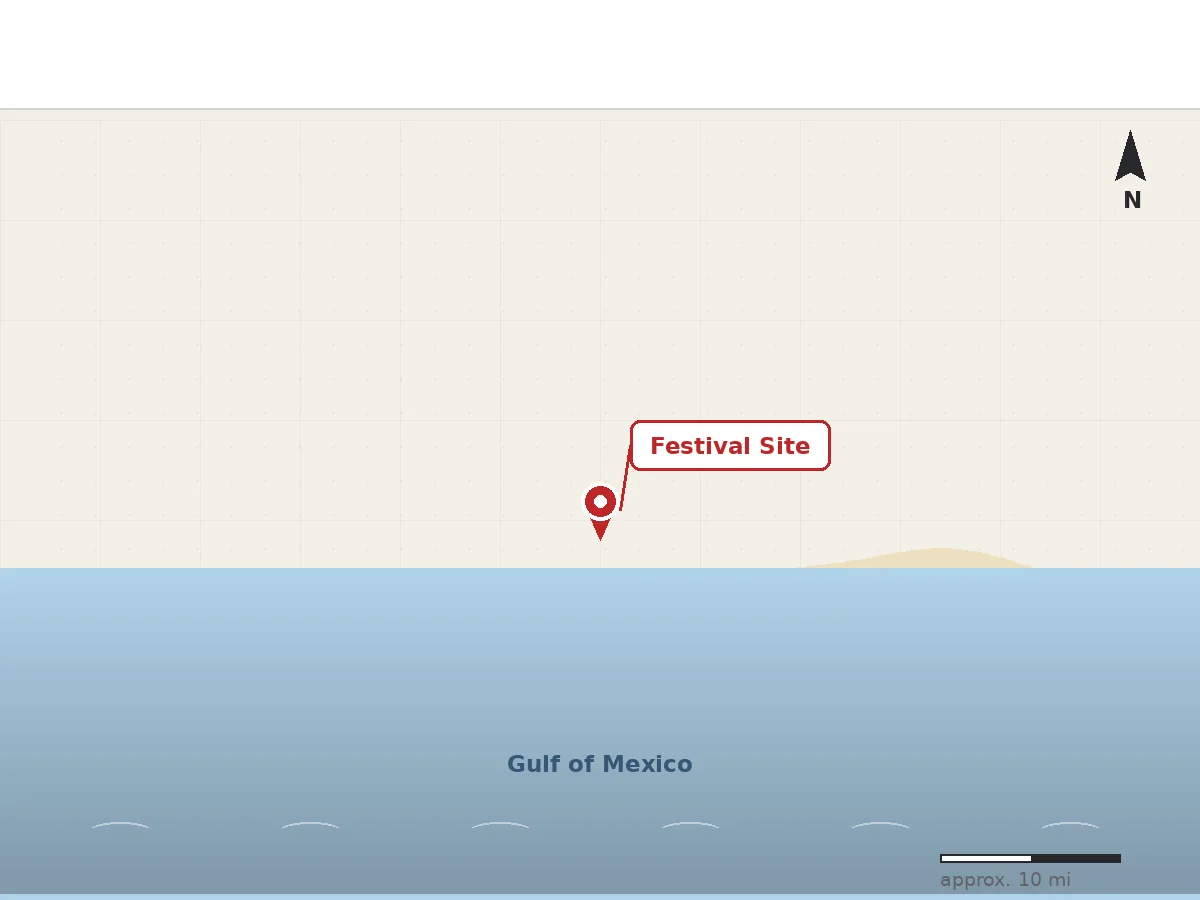
The Osage County Fair takes place on the fairgrounds in the Osage County area of east-central Kansas, with Lyndon, the county seat, as the nearest anchor town and US-75 the main route in.
Osage County Fair Answers for First-Timers and Regulars
Is the Osage County Fair free to attend?
Admission is typically free, which is standard for many Kansas county fairs. You’ll pay for carnival rides, grandstand events, raffle tickets and food, and some special events may carry a small entry fee. Bring cash, since the volunteer-run stands are the heart of the fair and not all of them take cards.
When does the fair usually happen?
The fair falls in late summer, most often during a multi-day run in July or August. Exact dates shift from year to year, so check the current schedule before you plan a trip. Weeknights are quieter; the biggest crowds usually show up on weekend evenings.
What should a first-timer bring?
Comfortable shoes, cash, a water bottle, sunscreen and a layer for the evening. A lawn chair or blanket helps if you plan to watch grandstand events from the grass. If you’re coming with kids, a change of clothes is a reasonable precaution after a visit to the livestock barns.
Do you have to live in Osage County to attend or enter exhibits?
No. The fair is open to the public, and while many exhibit classes are aimed at county residents and 4-H members, open-class categories typically welcome entries from outside the county as well. Rules vary by department, so read the fair book or ask the fair board if you’re planning to enter something.
The Next Chapter for the Osage County Fair
County fairs everywhere are working through the same questions: how to keep young families involved, how to balance agricultural tradition with entertainment that competes with screens, and how to keep a volunteer board staffed. Osage County’s fair has advantages — a farming base that still values the exhibit hall, towns small enough that word travels fast, and a schedule that hasn’t drifted far from what it has always been.
Expect the next few years to bring more online scheduling and entry forms, more emphasis on youth programs, and continued reliance on the same volunteers who have run the gates for decades. Whatever changes, the shape of the week — barns in the morning, families in the afternoon, grandstand at night — is likely to hold.
Last updated: October 2026
If you’ve been to the Osage County Fair before, you already know which gate to use and which stand has the best pie. If it’s been a few years, the fairgrounds will feel smaller than you remember and the welcome will feel exactly the same. Put it on the calendar for next summer, and bring someone who has never been.

One Comment