Owyhee County Idaho Owyhee County Fair & Rodeo Festival
Murphy, Idaho, is a small county seat in a county so large that many of its own residents have never seen all of it. Drive southwest out of the Treasure Valley, cross the Snake River, and the highway unrolls into open country: sagebrush flats, rimrock, irrigated hay meadows along the river bottoms, and the blue-gray shoulders of the Owyhee Mountains rising to the south. Murphy sits where that road bends, with a courthouse, a few buildings, and fairgrounds that stay quiet for most of the year.
Murphy, Idaho: A County Seat With Rodeo on the Calendar
Owyhee County was founded on December 31, 1863, and it covers 7,697 square miles. The 2020 census counted 11,913 people here — fewer than two residents per square mile across ranch country, canyon breaks, and public land. That arithmetic explains why a county fair matters in a place like this. When neighbors live an hour apart, a fairground becomes the one address where the whole county gathers at once.
That gathering is the Owyhee County Fair & Rodeo, a summer tradition built on the county’s ranching life and its long relationship with horses, cattle, and open range. For a few days each year, the grounds near Murphy fill with horse trailers, livestock pens, food stands, and families who might otherwise go months without crossing paths.
The Fair and Rodeo in Ten Lines
| Festival | Owyhee County Fair & Rodeo |
| County | Owyhee County, Idaho |
| County seat | Murphy |
| Population | 11,913 (2020 census) |
| County land area | 7,697 square miles |
| Region | Southwestern Idaho, along the Oregon line |
| Typical timing | Summer, often in August |
| Admission | Typically free grounds admission |
| Setting | Rural fairgrounds with an outdoor arena and Owyhee Mountains views |
| Features | Rodeo events, livestock and 4-H exhibits, fair food, grandstand entertainment |
What the Owyhee County Fair & Rodeo Is All About
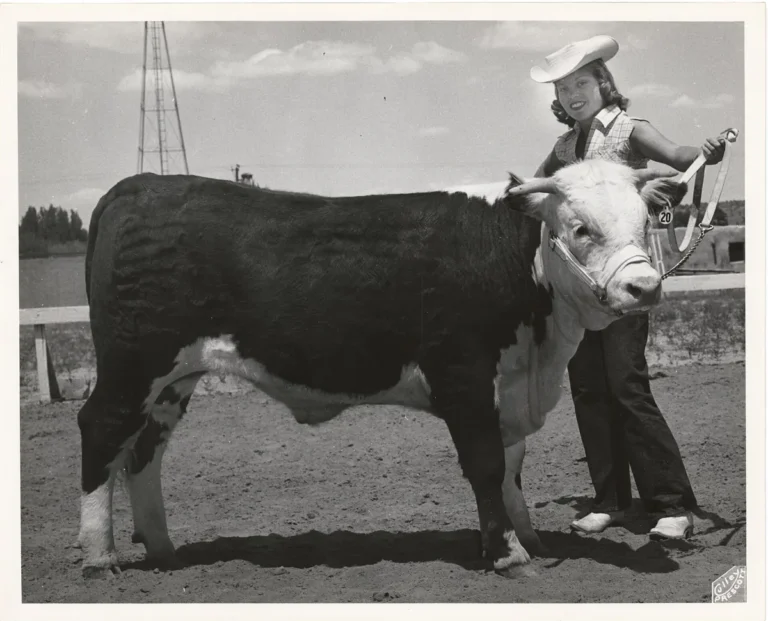
This is a county fair in the traditional sense: a multi-day summer event where the arena, the barns, and the exhibit hall each carry equal weight. Expect a rodeo schedule with afternoon slack and evening performances, a barn full of cattle, sheep, goats, and swine raised by local 4-H and FFA members, and an exhibit hall where baking, preserves, photography, quilting, and garden produce are judged and displayed. A market animal sale usually closes out the livestock side of the week.
The rodeo is the anchor. County rodeos in this part of Idaho typically feature saddle bronc and bareback riding, barrel racing, breakaway and team roping, steer wrestling, and crowd-pleasing youth events. You will not find the polished production values of a televised circuit finals here, and that is the appeal — the announcer knows the contestants by name, and half the grandstand is related to somebody in the arena.
The crowd is a mix: ranching families who have attended for generations, 4-H parents hauling trailers before sunrise, grandparents claiming seats early, and day-trippers from the Treasure Valley looking for an honest small-town evening. Because admission to the grounds is typically free, people drift in and out across the day rather than treating it as a single ticketed outing.
Silver City, Ranches, and the Long Road to a County Fair
Owyhee County’s story begins with minerals. After the county was created on December 31, 1863, while Idaho was still a territory, gold and silver strikes in the Owyhee Mountains pulled prospectors into places like Silver City and Ruby City, and for a couple of decades the county’s wealth came out of the ground rather than off the range. Murphy, in the northern part of the county, eventually became the seat of government, and the courthouse there has anchored county business ever since.
Mining faded, and ranching took over. Cattle and sheep operations spread across the sagebrush country and the river bottoms, and the county’s communities — Murphy, Bruneau, Grand View, Marsing, Homedale, and the ranch settlements in between — organized their social lives around school, church, brandings, and the occasional public gathering. Agricultural societies and stock growers’ groups in the West built their annual meetings around exhibits, horse races, and judging competitions, and Owyhee County followed that pattern.
Through the twentieth century, the county fair became the fixed point of the summer calendar. Youth programs grew, the livestock shows expanded, and a rodeo became the centerpiece of the evenings. The fair has always depended on volunteers — people who set up pens, cook in booths, judge exhibits, and announce rodeo events because no one else is going to do it. That volunteer structure is why the event has survived in a county with fewer than twelve thousand residents.
Inside the Fairgrounds: Rodeo, Food, and Family Tradition
A day at the Owyhee County Fair moves in slow, predictable rhythms: cool mornings at the barns, hot afternoons in the shade of the exhibit hall, and loud evenings in the grandstand. Here is how the pieces usually fit together.
Fair Food With a High Desert Accent
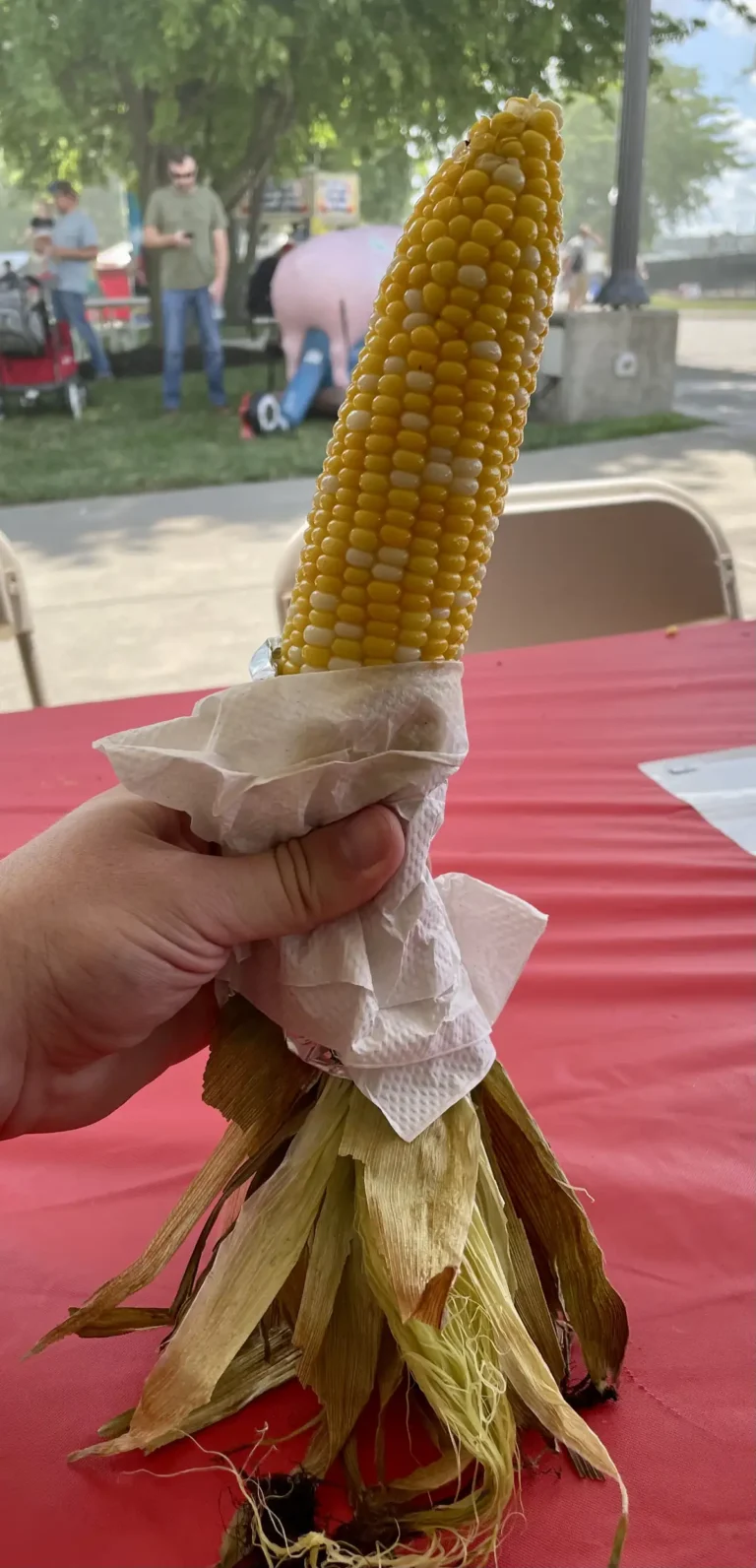
Fair food here leans practical and generous: burgers and hot dogs off a flat-top, barbecue, fry bread, chili, corn on the cob, pie by the slice, and ice cream melting faster than anyone can eat it. Lemonade and iced tea are the standard antidotes to a July or August afternoon, and coffee stands do steady business before the morning livestock shows. Local clubs and youth groups often run booths, which means the money tends to circulate back into the county rather than out of it.
Rodeo Nights and Grandstand Entertainment
Evening rodeo performances draw the biggest crowds of the week. The grandstand fills well before the grand entry, the national anthem is sung live, and the arena announcer keeps the pace moving between roughstock rides and timed events. Expect dust, expect a rodeo clown working the crowd during delays, and expect at least one local contestant to get a louder cheer than anyone on the professional circuit would.
Family Activities, 4-H Exhibits, and the Barns
Families with young children usually start at the livestock barns, where kids can see animals up close and often talk to the teenagers who raised them. The exhibit hall is the quiet alternative when the sun is at its worst, and youth events — stick horse races, mutton bustin’, and similar contests — give smaller kids a turn in front of a crowd. Bring strollers that handle gravel and dirt, and keep an eye on little ones near the arena rail.
Planning a Trip to Owyhee County
Getting There From the Treasure Valley
Most visitors reach the Owyhee County area by driving southwest from the Boise metro through Marsing and continuing along the highway toward Murphy — roughly an hour of driving, depending on where you start. The route crosses the Snake River and then climbs into open country, so fuel up before you leave town. From the south, travelers come up through Grand View and Bruneau.
Where to Stay in and Around Owyhee County
Lodging inside the county is limited, so most out-of-town visitors base themselves in the Treasure Valley — Caldwell, Nampa, Meridian, or Boise — and drive out for the day. Bruneau Dunes State Park offers camping in the county’s southern reaches, and RV travelers often stay at private parks along the Snake River corridor. If you want a motel room close to the fairgrounds, book well ahead of fair week.
Parking and Grounds Logistics
Parking at rural county fairs is usually a field, a gravel lot, or a designated strip along the access road, often managed by volunteers directing traffic. Arrive early on rodeo nights, follow the flaggers rather than improvising your own spot, and expect dust. Grounds are generally walkable, but the surface is uneven, so sturdy shoes beat sandals.
Admission, Costs, and Cash
Grounds admission at the Owyhee County Fair & Rodeo is typically free, with individual activities, food, and some rodeo seating potentially carrying their own small charges. Bring cash. Rural cell service can be spotty, and while many vendors now take cards, a pocket full of small bills makes everything faster.
Weather: Hot Afternoons, Cold Nights
This is high desert country. Summer days can push past 95 degrees with intense sun and wind, while evenings in the grandstand can drop into the fifties. Pack sunscreen, a hat, a water bottle, and a light jacket for after dark. Afternoon thunderstorms are possible in late summer, and when they hit, they hit fast.
A Sample Weekend Built Around the Fair and Rodeo
Arrive Friday afternoon and walk the barns while the heat eases. Grab dinner from a booth, find a seat in the grandstand before the grand entry, and stay for the full rodeo. Saturday morning is for the exhibit hall and livestock judging; the middle of the day is for shade, lemonade, and conversation. Catch the afternoon slack if you want to see timed events without the crowd, then return for the evening performance. Sunday tends to be quieter — awards, the market sale, and pack-up — which makes it a good time to drive south to Bruneau Dunes or loop back through Grand View before heading home.
How Owyhee Compares With Nearby County Fairs
The Canyon County Fair in Caldwell is bigger, closer to the metro, and built around a larger carnival and concert lineup. The Elmore County Fair in Mountain Home sits in a similar high desert setting but serves a community tied to an air base as much as to ranching. The Twin Falls County Fair is larger still, with a longer tradition of grandstand entertainment. Owyhee’s fair is the smallest and most ranch-centered of the group, and that is precisely its character: fewer attractions, more neighbors, and a rodeo that feels like a family reunion with a grandstand.
The Owyhee County Fair Checklist
Bring cash in small bills, a refillable water bottle, sunscreen, a wide-brimmed hat, sunglasses, a light jacket for the evening, closed-toe shoes for gravel and barn aisles, and a cooler with drinks in the vehicle for the drive home. Leave pets at home unless they are cleared for the grounds, and keep them out of the heat if you must travel with them. Charge your phone before you go and download an offline map, since service thins out quickly. If you plan to bid at the livestock sale, know your limit in advance. And if you are hauling a trailer, arrive with time to spare before the evening performance.
Beyond the Fairgrounds: Owyhee County’s Back Roads
Owyhee County rewards anyone willing to keep driving after the rodeo ends. Bruneau Dunes State Park, south of the fairgrounds, holds the tallest single-structured sand dune in North America and offers camping and stargazing in genuinely dark sky. The Snake River corridor along the county’s northern edge is part of a vast birds-of-prey conservation area, and the Bruneau Canyon overlook offers a vertigo-inducing look into a river gorge most Idahoans never see. History buffs head for the Silver City area, where mining-era buildings still stand above the sage. Marsing, Homedale, Grand View, and Bruneau each make an easy stop for gas, groceries, and a look at small-town Idaho life.
What the Fair Means to a County of 11,913 People
In a county of 7,697 square miles with fewer than twelve thousand residents, institutions that bring people together are not luxuries — they are infrastructure. The fair and rodeo keep youth agriculture alive, give local businesses a busy week, and hand the county a shared calendar date that everyone recognizes. For ranching families, it is a chance to compare notes on a hard year or a good one. For kids, it is the first place many of them speak in public, show an animal, or ride in front of a crowd. That is a lot of weight for a few days in August to carry, and it carries it every year.
Where the Owyhee County Fairgrounds Are
The Owyhee County Fair & Rodeo takes place in the Owyhee County area of southwestern Idaho, with Murphy serving as the county seat and the hub for fairground activity.
Visitor Questions About the Owyhee County Fair & Rodeo
When is the Owyhee County Fair & Rodeo usually held?
It is a summer event, most often falling in August, and it typically runs across several days with rodeo performances in the evenings. Because the schedule shifts from year to year, check current county announcements before you plan travel.
Is there an admission charge to get in?
Grounds admission is typically free. Food, some activities, and certain rodeo seating may carry separate charges, so it is wise to carry cash even if you do not expect to pay at the gate.
Is the fair a good outing for young children?
Yes. The livestock barns, youth rodeo events, and exhibit hall are all family-friendly, and the atmosphere is relaxed. Supervise children closely around animals and near the arena, and plan around the hottest part of the afternoon.
How far is it from Boise?
It is roughly an hour’s drive from the Boise area, heading southwest through Marsing toward Murphy. That makes the fair very doable as a day trip, though staying for an evening rodeo means driving home after dark on rural roads.
The Next Chapter for Owyhee County’s Summer Tradition
The fair’s future rests on the same things that have sustained it for generations: volunteers, youth participation, and the willingness of a spread-out county to keep showing up. As 4-H and FFA programs evolve and younger families move into the area, the event will likely keep adapting — more efficient facilities, broader entertainment, and continued emphasis on the livestock and rodeo traditions at its core. Whatever changes, the fairgrounds near Murphy will still be the one place where all of Owyhee County stands in the same dusty field at the same time.
Last updated: October 2026
If you go, go for the rodeo, but stay for the barns and the bleachers. The Owyhee County Fair & Rodeo is not trying to be a big-city event, and that is exactly why it works — a few days of horses, livestock, fry bread, and neighbors in a county that measures its distances in hours rather than miles.