Orange County Indiana 4-H Fair Festival

Fair week in Orange County, Indiana, arrives with the heat of high summer and the smell of sawdust, livestock feed, and fried dough. The Orange County Indiana 4-H Fair gathers the county’s 4-H families, livestock exhibitors, and neighbors for a stretch of days built around project judging, show rings, and evening crowds. What follows is a practical guide to how the fair works, what a visit feels like, and how to plan a trip around it.
Ten Essentials for the Orange County Indiana 4-H Fair
| Town / area | The Orange County area, around Paoli |
| County | Orange County, Indiana |
| County seat | Paoli |
| Population | 19,867 (countywide) |
| Region | Southern Indiana hill country |
| Typical timing | A summer week, most often in July |
| Admission | Typically free at the gate; rides, food, and some grandstand events cost extra |
| Setting | Outdoor fairgrounds with livestock barns, exhibit halls, show rings, and midway space |
| Features | 4-H project exhibits, livestock shows and auction, rides, games, concession stands |
| Organizer | Orange County 4-H clubs, volunteers, and local sponsors |
A County Fair Built on Projects, Animals, and Neighbors
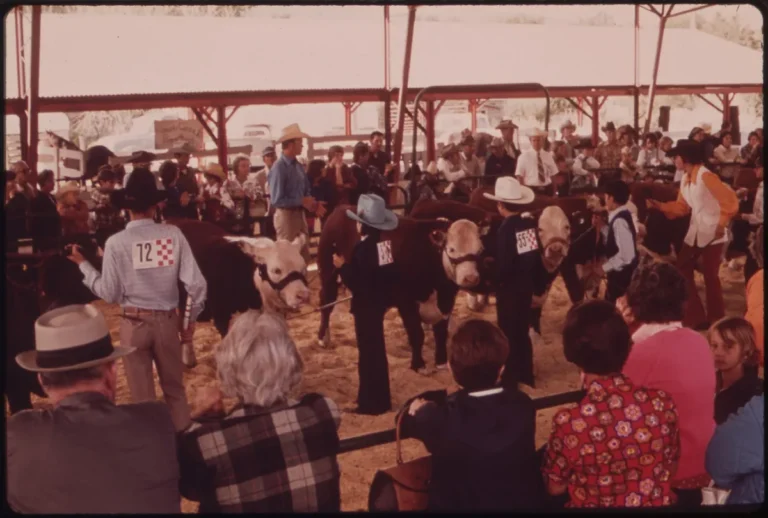
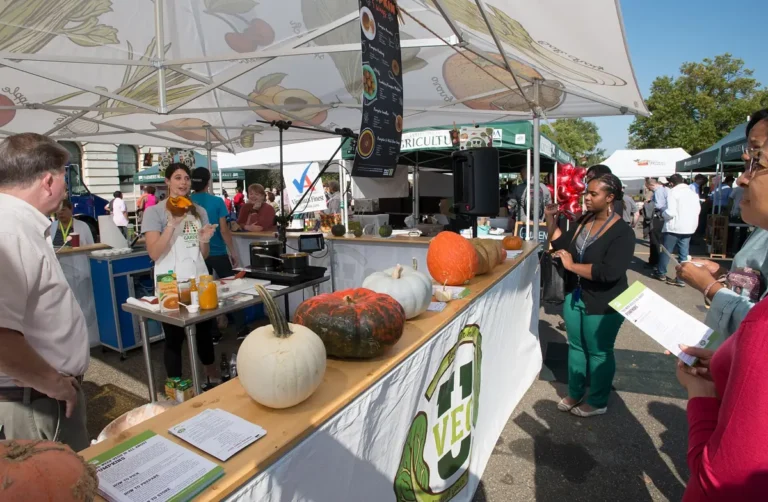
At its core, the Orange County Indiana 4-H Fair is an exhibition. Members of 4-H clubs from across the county spend months preparing projects — a market hog, a dairy calf, a pen of poultry, a garden basket, a photography series — and fair week is when that work is judged, displayed, and celebrated. Walk through the exhibit buildings and you see the whole range of what young people in Orange County can do with a season of attention.
Around those exhibits sits everything else a fair needs: concession trailers, a midway, a grandstand, and barns that stay busy from early-morning feeding through late-night cleanup. Orange County covers 408.19 square miles, and during fair week much of it seems to funnel toward the same set of gates. Paoli, the county seat, anchors the event, and families from townships in every direction treat it as a fixed point in the summer.
It is a fair with an agricultural spine and a broad welcome. You do not need to know a Hampshire from a Duroc, or understand how a market class is scored, to enjoy an afternoon here. Curiosity is enough — and the exhibitors are usually happy to explain what they have been working on.
From an 1816 County Seat to a Modern Fair Week
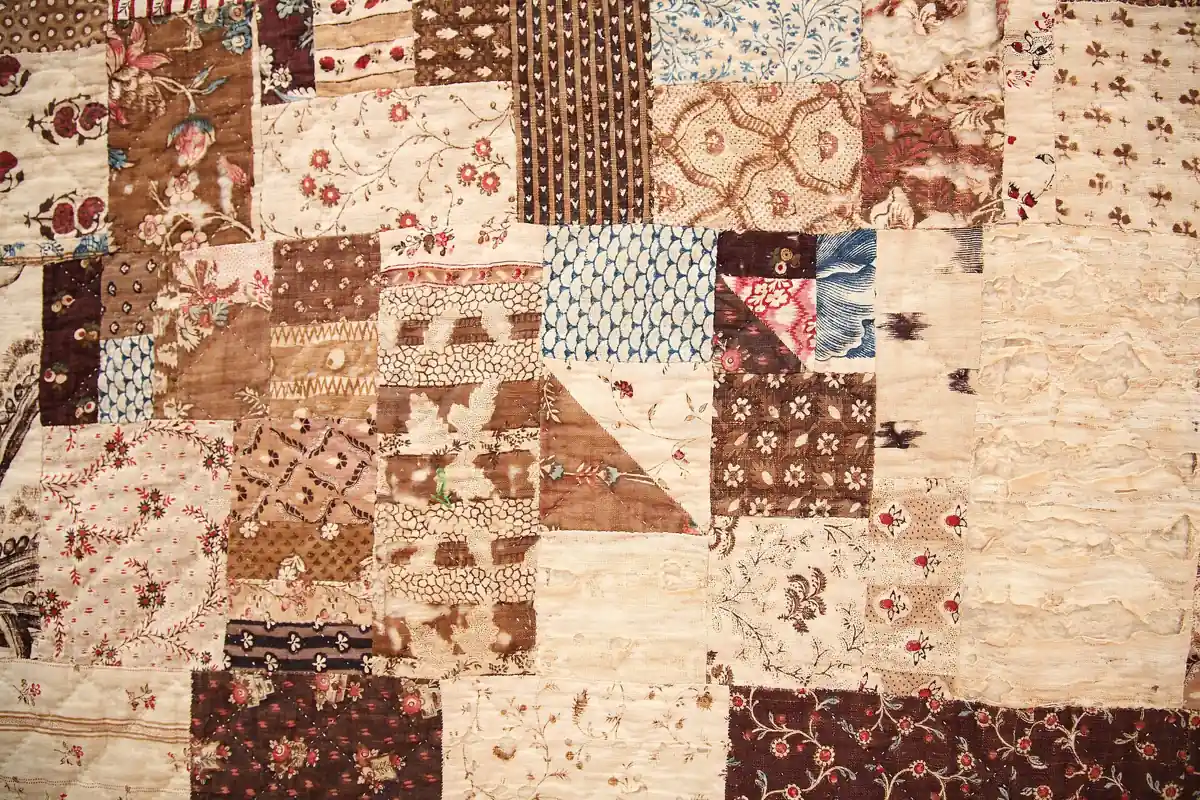
Orange County was founded on February 1, 1816, and Paoli has served as its county seat through the two centuries since. The fair itself is a much younger institution, but it grew out of the same impulse that built the county: families working the land and gathering to compare notes, trade stock, and catch up.
For another look at how a community turns its own traditions into a gathering, see the Ohio County Indiana Rising Sun Navy Bean Festival for a useful comparison.
County fairs took hold across Indiana in the late 1800s and early 1900s, and 4-H clubs followed, giving rural young people a structured way to learn farming, homemaking, and citizenship skills. In Orange County, small exhibitions of crops and livestock — often a single day, sometimes staged on a town square or a farm field — gradually grew into a multi-day fair with barns, exhibit halls, and a midway.
The modern fair carries that evolution forward. Judging is still central, and the livestock auction still matters enormously to families who have invested months in an animal. Rides, food vendors, and evening entertainment now share the grounds with the show rings, which is how a working agricultural showcase became a weeklong community festival.
Volunteers carry most of the load. 4-H clubs, parents, alumni, and local businesses staff the gates, run the concession stands, and keep the schedule moving from morning weigh-ins to the last evening event. It is a pattern that has repeated in Orange County for generations, and it is the reason the fair still feels locally owned rather than imported.
What Fair Week Feels Like in Orange County
A visit is easy to navigate once you understand the rhythm. Mornings belong to exhibitors and their families, afternoons fill with judging and rides, and evenings bring the biggest crowds, the loudest grandstand, and the longest lines at the food stands.
Food: Pork Burgers, Funnel Cakes, and 4-H Stands
Fair food in Orange County follows the Indiana template: pork burgers and tenderloins, corn dogs, elephant ears, funnel cakes, lemon shake-ups, and soft-serve. Several stands are run by 4-H clubs and local nonprofits as fundraisers, which means your lunch money does double duty. Portions are generous, the busiest window is right around supper, and the lines move fastest in the mid-afternoon lull.
Entertainment: Grandstand Nights and Local Talent
Evening programming anchors the fair’s social calendar, with grandstand events and live local music filling most nights; the exact lineup shifts from one fair to the next. Smaller stages and barn aisles fill in the gaps. Most visitors simply drift between the midway, the bleachers, and the barns, letting the schedule find them rather than the other way around.
Family Activities: Rides, Animals, and Hands-On Moments
Families tend to build the day around the barns, where kids can watch animals being washed, fed, and led into the ring. The midway handles the thrill side, with rides and games scaled for younger children as well as teenagers. Exhibit halls reward a slow walk, especially for anyone who likes photography, baking, or crafts. A stroller with real wheels helps on grass and gravel, and shade is worth claiming early on hot afternoons.
Planning a Fair-Week Trip to Orange County
Most of what you need to know is simple logistics: how you get there, where you sleep, where you park, what things cost, and what the weather is likely to do. Handle those five and the rest of fair week takes care of itself.
Getting There: Routes Into Paoli and the County
Paoli sits near the center of Orange County, and nearly everyone arrives by car. State highways feed into the county seat from the surrounding region, and the fairgrounds are a short drive from there. Expect two-lane roads, the occasional piece of farm equipment, and slower traffic near the gates as the evening crowd builds.
Where to Stay: Paoli, French Lick, and Beyond
Lodging is available in and around Paoli and in the French Lick and West Baden Springs area, which is known for its resort hotels. Smaller motels and guest rentals dot the county and the surrounding region, and camping is an option for visitors who prefer it. During fair week, book early — summer weekends fill quickly and the closest rooms go first.
Parking: Grass Lots and the Long Walk
Fairground parking is typically on grass or gravel, with volunteers directing cars into rows. Arrive before the evening rush if you want a spot near the gate; later arrivals should expect a longer walk. Wear shoes you do not mind getting dusty, and take a moment to note where you parked before you head inside.
Admission and Costs: Free Gates, Paid Extras
Admission at the gate is typically free, with costs concentrated in rides, games, food, and any grandstand events that charge separately. Bring cash, since some stands and ticket booths may not take cards, and set a rough midway budget if you have kids in tow. A fair week can be as inexpensive or as pricey as you decide.
Weather: Southern Indiana Heat and Rain Plans
Fair week lands in the hottest stretch of the southern Indiana summer, so expect heat, humidity, and the occasional fast-moving thunderstorm. Hydrate, use sunscreen, and save barn and exhibit-hall time for the middle of the day. If storms roll through, outdoor events may pause for a while; a light rain jacket and a flexible schedule are more useful than a perfect plan.
A Sample Fair Weekend in Orange County
Every fair week is a little different, but a weekend visit tends to follow a familiar shape.
Friday Evening: Arrival and the First Loop
Start with a slow walk through the barns while exhibitors are still settling in and animals are calm. Loop the midway before the crowds peak, then grab dinner from a 4-H or nonprofit stand. Find a seat near the grandstand for the evening’s main event, and finish with a funnel cake on the way back to the car.
Saturday: Projects, Rides, and the Livestock Show
Saturday is the fullest day of the week. Morning is the best time to see animals being prepped and to walk the exhibit halls without elbows in your way. Afternoon suits rides and games, especially once the heat eases. By evening, the livestock show draws families to the ring while the midway runs late.
Sunday: A Quieter Morning and a Last Pass
Sunday morning is calmer — good for revisiting exhibits you missed, talking with exhibitors about their projects, and picking up anything you wanted from a vendor. Many families use the last day to say goodbye to people they only see at the fair, which is a large part of the point.
How the Orange County Fair Compares With Nearby Towns
Orange County’s neighbors each keep their own traditions. French Lick and West Baden Springs, to the east, lean on resort history and hospitality, drawing visitors from well beyond the county line. Orleans, in the northern part of the county, holds tight to a small-town identity and its own community celebrations. Further north, Mitchell and the surrounding Lawrence County towns host their own fairs and festivals.
The Orange County 4-H Fair is the most agricultural and the most youth-centered of the group. If you want livestock, project exhibits, and a genuine county-wide reunion, this is the one to plan around.
Fair-Week Checklist for Orange County Visitors
Pack for heat and dust: closed-toe shoes, a hat, sunscreen, and a refillable water bottle. Bring cash in small bills, a light rain jacket, and a tote for anything you buy. If you are visiting with children, agree on a meeting point near the main gate before anyone wanders off.
Check the fair schedule before you go so you know when livestock shows and exhibit buildings open. Leave pets at home, watch the sky for afternoon storms, and allow more time than you think you need — the walk from the far parking lot is longer than it looks.
Beyond the Barns: Paoli, French Lick, and the Rest of Orange County
Fair week is a good excuse to see more of Orange County. Paoli, the county seat, has a courthouse square worth a stroll, with local shops and diners within a few blocks. To the east, French Lick and West Baden Springs carry a distinct resort-era character, with historic hotels and architecture that draw visitors year-round.
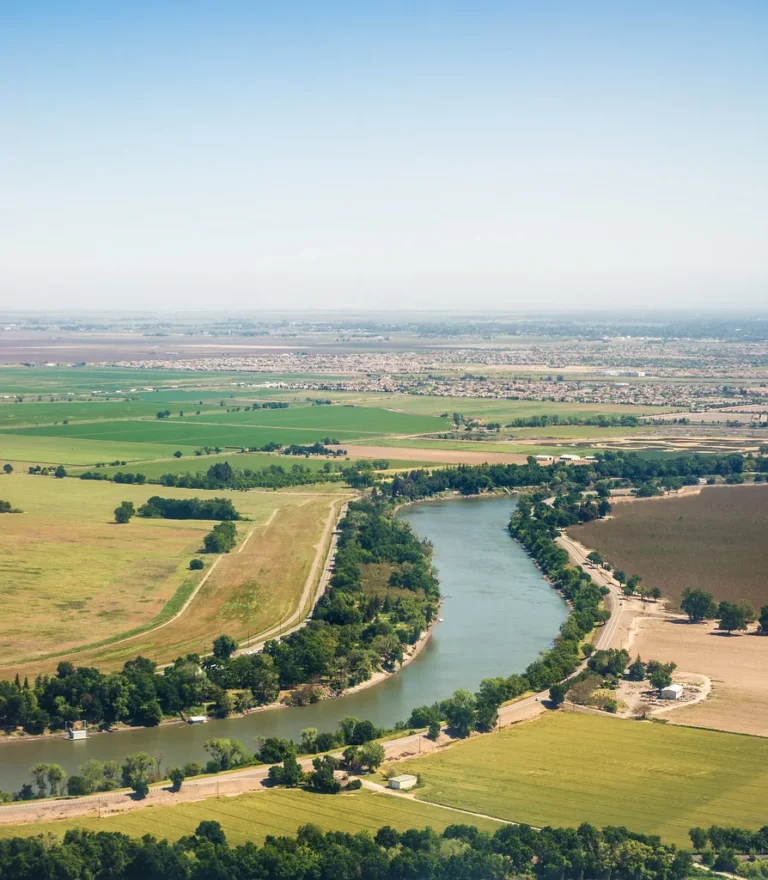
The county’s 408.19 square miles hold rolling farmland, wooded hills, and small communities where people still know their neighbors. Add a morning drive between fair visits — the countryside between towns is the reason many visitors end up staying an extra day.
What Fair Week Means to a 408-Square-Mile County
In a county of 19,867 people, the 4-H fair does more than entertain. It is a showcase for young people who have spent months on a project, a fundraiser for clubs and nonprofits, and a rare week when much of the county is in the same place at the same time.
For 4-H members, it is a test of animal handling, record-keeping, public speaking, and patience. For everyone else, it is proof that Orange County’s social fabric still runs through its barns, its exhibit halls, and its volunteer rosters.
Pinpointing the Fair in Orange County, Indiana
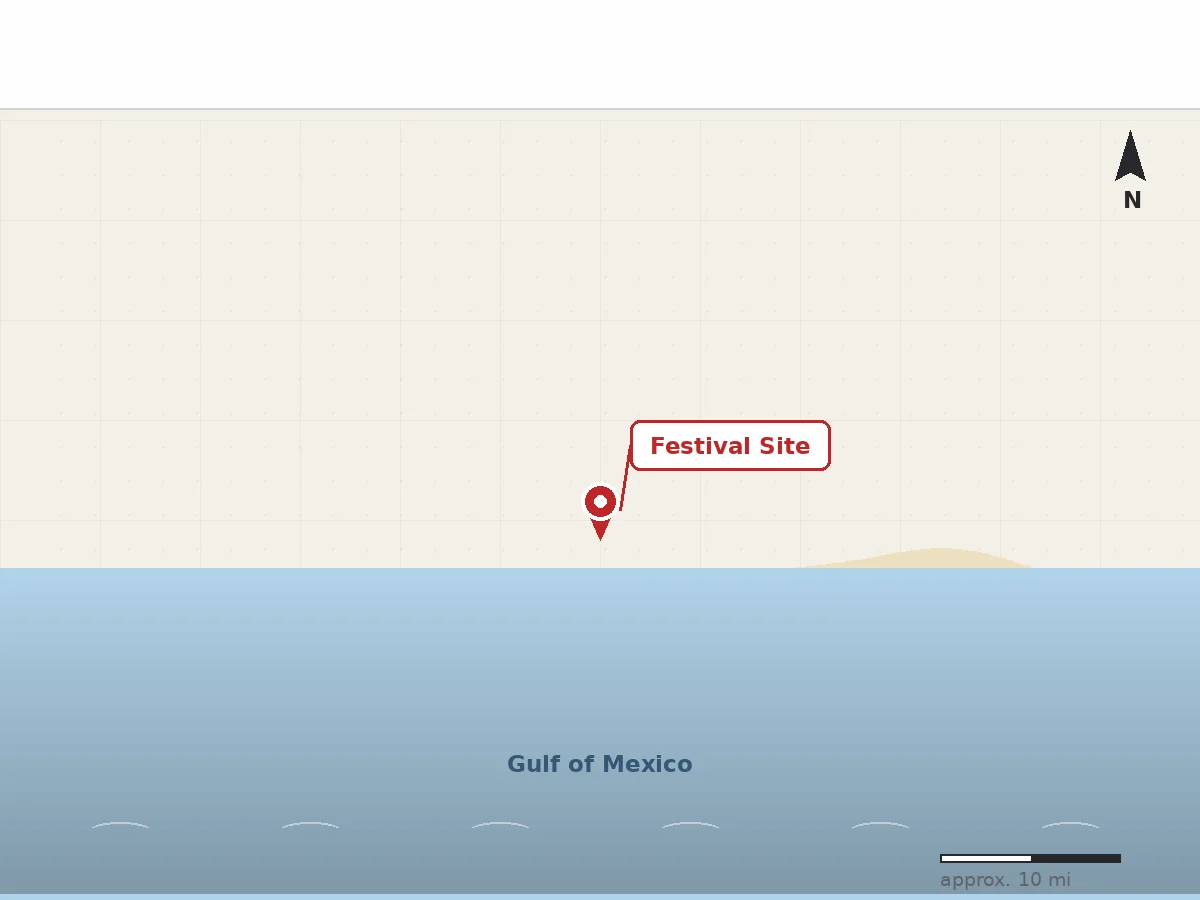
The Orange County Indiana 4-H Fair takes place in Orange County, Indiana, the southern Indiana county whose seat is Paoli.
Answers for First-Time Orange County Fairgoers
Is the fair free to attend?
In most years, admission at the gate is free, and your spending goes toward rides, games, food, and any separately ticketed grandstand events. Because pricing can change from year to year, check the current fair schedule before you make the trip.
When is the best time to visit?
Mornings are quietest and best for exhibits and livestock. Evenings are the busiest and most social, with the grandstand, midway, and food stands all in full swing. If you want both, arrive in the late afternoon and stay through the evening.
Can I bring children and strollers?
Yes — fairs like this are built for families. Strollers handle the midway fine, though grass and gravel lots can be bumpy. Bring water and sunscreen, and pick a meeting spot in case your group separates in the crowd.
What should I wear?
Closed-toe shoes are the practical choice for barn aisles, gravel, and grass. Dress for heat and humidity, and bring a light layer for evening storms. If you plan to spend time near animals, skip the sandals.
The Next Chapter for the Orange County 4-H Fair
County fairs everywhere are wrestling with the same questions: how to keep young people involved in agriculture, how to fund aging fairground buildings, and how to stay relevant when entertainment options multiply. Orange County’s fair has an advantage in its volunteer base and its 4-H roots — the pipeline of families who show up year after year because their parents did.
Expect new events and improved facilities alongside the judging rings and exhibit halls that sit at the center of it all. Whatever changes, the week will still belong to the exhibitors, the volunteers, and the neighbors who clear their calendars for it.
Last updated: October 2026
If you are anywhere near southern Indiana