Winnebago County Iowa Winnebago County Fair Festival
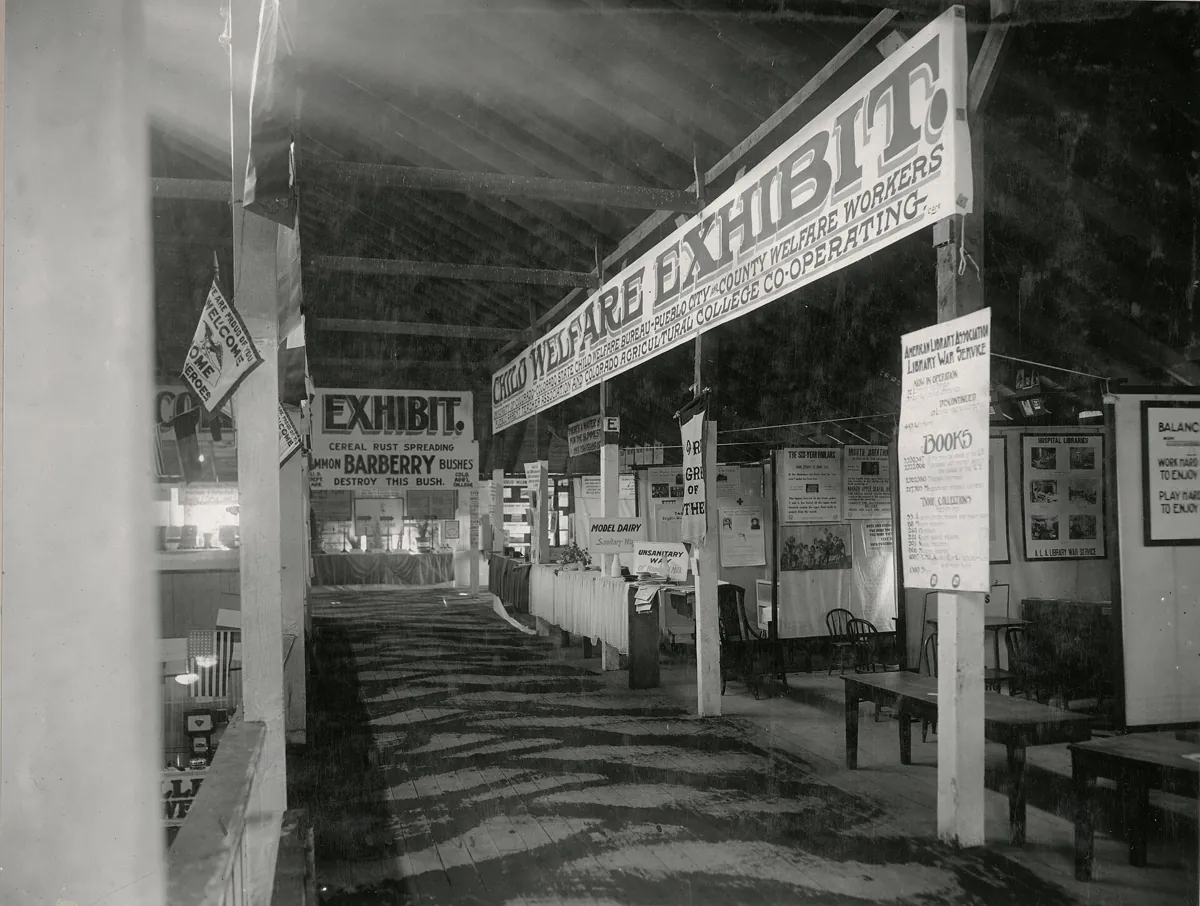
Winnebago County, Iowa, is a 402-square-mile stretch of north Iowa where Forest City serves as the county seat and a familiar anchor for farm families, small towns, and local businesses. The Winnebago County Iowa Winnebago County Fair Festival pulls that wide community into one place for a summer weekend of livestock shows, exhibit halls, fair food, grandstand entertainment, and the kind of reunions that happen when neighbors finally slow down long enough to talk. It is not a mega-fair built for tourists passing through. It is a county fair built on local habits: the same families volunteering at the gates, the same kids showing animals, the same grandparents claiming a shady bench before the music starts.
Ask residents what the fair means, and the answers rarely start with a schedule. They start with people. “We go to see who we haven’t seen all year,” one lifelong Winnebago County resident says. “Then we eat, then we walk the barns, then we run into somebody else.” That rhythm is the real draw.
Winnebago County Fair Facts for a Forest City Summer Weekend
| Town / place | The Winnebago County area, Iowa |
| County | Winnebago County, Iowa (North Iowa region) |
| County seat | Forest City |
| Population | 10,679 (2020 Census) |
| Land area | 402 square miles |
| Founded | 1847 |
| Typical timing | A summer weekend, often in July or early August |
| Admission | Typically free unless a specific event posts otherwise; some activities may be ticketed separately |
| Setting & features | County fairgrounds atmosphere with livestock, exhibits, food stands, entertainment, and local volunteers |
| Organizer | Local fair board and community volunteers |
Those basics matter because they shape the visit. A county fair in a county of 10,679 people is not anonymous. You will likely stand in line behind someone who knows the person handing you a pork chop, and that changes the pace of the day.
The Winnebago County Fair as Residents Live It
The full display name — Winnebago County Iowa Winnebago County Fair Festival — is a mouthful, but locally it is usually just “the fair.” That shorthand says a lot. Residents do not treat it as an outside attraction that arrives once a year. They treat it as part of the county’s seasonal clock, alongside planting, harvest, school calendars, and summer travel plans.
You hear the same habits repeated. Families arrive early to claim space near the exhibit buildings. Teenagers drift toward the carnival lights and the grandstand. Older residents stake out the shade and watch the crowd the way other people watch a ballgame. Parents pack wipes, water, and extra cash for the kids’ favorite food stands. Volunteers rotate through shifts and then stay after their shift because they see someone they know.
For another look at how a community turns its own traditions into a gathering, see the Wilson County Kansas Wilson County Fair Festival for a useful comparison.
“We plan our summer around it,” one parent from the Winnebago County area says. “Not because it’s fancy, but because everybody’s there.” That is the community-voice version of a fair review: not a star rating, but a habit. The fair works because it fits into real lives. It is close enough for a quick evening stop and big enough to justify a full weekend.
How a County Founded in 1847 Built a Fair Tradition
Winnebago County was founded in 1847, and its county seat, Forest City, became the civic center for a landscape of farms, small communities, and rural roads. County fairs in Iowa grew from that same agricultural world. They were places to compare crops, show livestock, trade news, and turn a season of work into a few days of community celebration.
The Winnebago County Fair carries that older purpose forward. The modern fair may include carnival rides, food trailers, and grandstand entertainment, but the core is still local. Exhibits show what people in the county made, grew, baked, preserved, or raised. Livestock barns show what young handlers learned. The fair board and volunteers keep the event running through a patchwork of tradition and practical decisions.
Residents describe the fair as something that has always been there, even as the county changed. The population recorded in the 2020 Census was 10,679, and the county’s 402 square miles still depend on the kind of neighbor-to-neighbor connection a fair makes visible. History here is not only in dates. It is in the habit of showing up.
What a Summer Weekend at the Winnebago County Fair Feels Like
The fair unfolds at a county pace. Morning tends to belong to exhibitors, judges, and families with animals. Afternoon brings more casual visitors, exhibit browsing, and food lines. Evening shifts toward grandstand events, carnival rides, and the social swirl of people who came after work. The exact schedule changes from year to year, but the rhythm is familiar.
Food Stalls and the Forest City Favorites Residents Seek Out
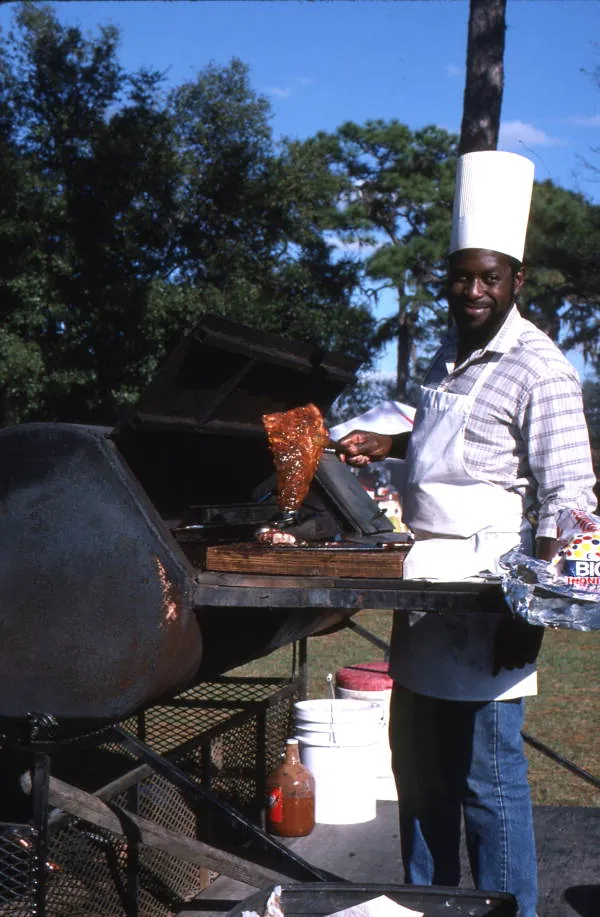
Fair food is part of the ritual. Residents talk about walking the midway and deciding what smells too good to pass up. You will find the usual county fair comforts — grilled items, fried snacks, sweets, cold drinks, and stand food that tastes better because you are eating it outdoors with people you know. Local groups often run stands, which means your lunch money may support a booster club, church group, or community organization. The best strategy is simple: eat early or late to avoid the peak rush, and leave room for one thing you did not plan to buy.
Music, Grandstand Moments, and Small-Stage Entertainment
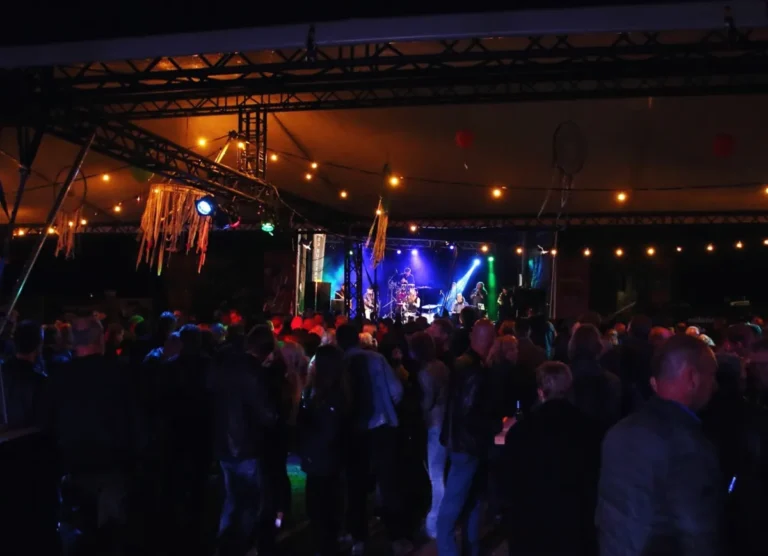
Entertainment at the Winnebago County Fair tends to be community-minded rather than celebrity-driven. Grandstand events, local performers, and small-stage acts give the fair its evening energy. Residents often say they come for one event and stay for another. The grandstand is where the crowd gathers, but the smaller moments matter too: a kid dancing near the bleachers, a band playing while the sun goes down, or a announcer thanking volunteers between events. Check the current fair schedule for the year’s specific lineup, since offerings rotate.
Family Activities from Livestock Barns to Carnival Lights
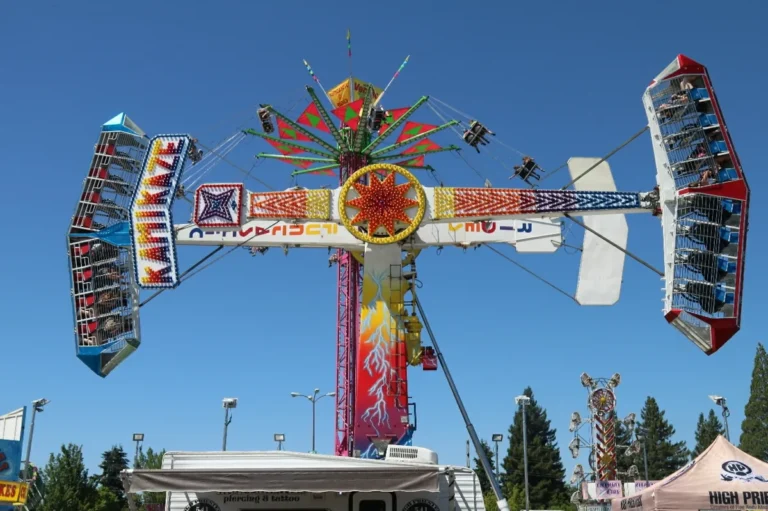
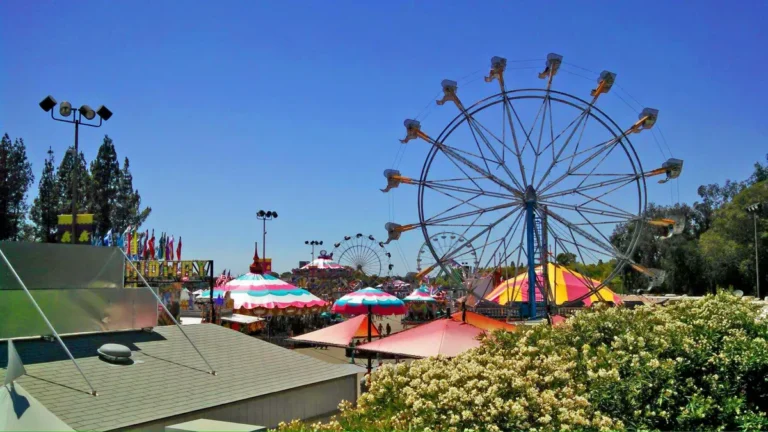
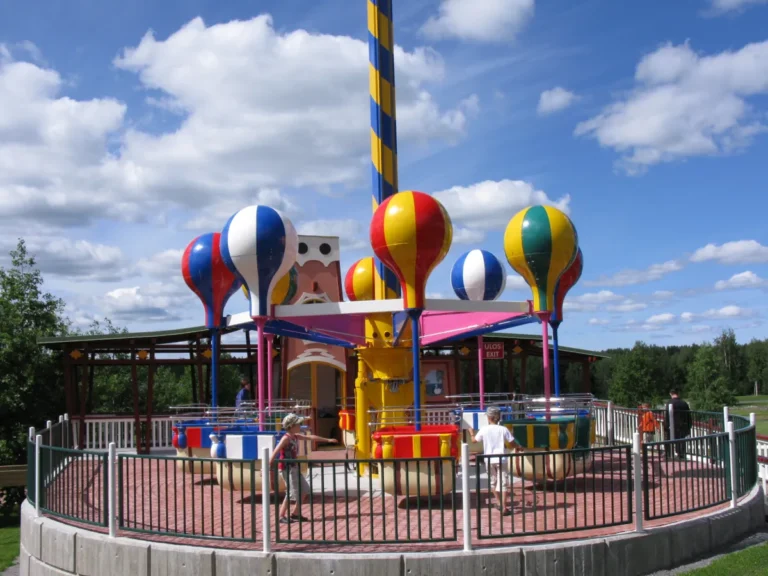
Families move through the fair in loose loops. First the animals, because younger kids want to see the rabbits, cattle, pigs, and horses. Then the exhibit hall, where ribbons and handmade projects reward a slower look. Then the carnival, if the budget and the energy allow. Strollers, wagons, and grandparents are all common sights. The fair is not so large that it overwhelms, but it has enough variety to fill a day. For many local families, the measure of a good fair is not how much they did, but how many people they ran into along the way.
Planning a Winnebago County Fair Weekend Around Forest City
Getting There from Forest City and Across Winnebago County
Forest City is the county seat and the most useful reference point for visitors. From there, fair traffic moves along local roads and through the surrounding Winnebago County area. If you are coming from elsewhere in north Iowa, plan for rural driving, slower speeds near the grounds, and the possibility of waiting in a short line at peak entry times. A printed or downloaded map helps in areas where cell service is uneven.
Where to Stay Near Forest City and the County
Lodging in and around Forest City is limited compared with a big city, so book early if the fair weekend overlaps with other local events. Visitors often stay with family or friends, or choose nearby communities within a reasonable drive. If you are coming from out of the area, treat Forest City as your base and build in extra time for the drive to the fairgrounds. The point is not a resort weekend. It is a comfortable place to sleep between fair days.
Parking Around the Winnebago County Fairgrounds
Fair parking is usually a mix of designated lots and supervised grass or field parking, depending on the year and weather. Arrive earlier for grandstand events and evening programs. Follow volunteer directions, keep aisles clear, and expect a short walk. Comfortable shoes are not a cliché here; they are practical equipment.
Admission, Costs, and Cash-Friendly Habits
Admission is typically free unless a specific event posts otherwise, though grandstand shows, carnival rides, food, and some activities may have separate costs. Bring a little cash even in a card-friendly world, because small vendors and community groups sometimes appreciate it. Set a casual budget for food and rides, and check current fair information for any year-specific tickets or passes.
Weather for a North Iowa Summer Fair Weekend
Summer in Winnebago County can be warm, humid, breezy, or suddenly stormy. Pack sunscreen, water, and a light rain layer. Morning can feel cool under shade while afternoon sun feels much stronger. If storms are in the forecast, have a plan to wait in a vehicle or building and follow local announcements. Fair weekends go on, but smart visitors watch the sky.
A Sample Fair Weekend, Day by Day
Day one: Arrive in the late morning and start with the livestock barns before the afternoon crowd builds. Walk through the exhibit hall and look for local 4-H and community entries. Eat lunch from a stand run by a local group, then find a shady spot to people-watch. In the evening, return for the grandstand or a music act, and take one slow loop through the carnival lights before heading home.
Day two: Come back for the things you missed. Check the schedule for a show, contest, or demonstration. Try a different food stand, let the kids choose one ride, and spend time in the barns again — animals behave differently when the day cools. End with a walk through the grounds as the fair winds down. That is when residents often say hello to the people they meant to find the day before.
How the Winnebago County Fair Differs from Other North Iowa Summer Stops
Compared with a large Iowa fair, the Winnebago County Fair is smaller, more local, and easier to navigate in a single weekend. You are not fighting a huge footprint or a distant parking lot. Compared with Forest City’s own community events, the fair is broader and more agricultural, drawing from the whole county rather than one town. And compared with smaller town celebrations in the Winnebago County area, the fair has a wider mix of exhibits, entertainment, food, and livestock competition. It sits in the middle: bigger than a block party, smaller than a state fair, and rooted in the county’s farm-and-neighbor identity.
A Winnebago County Fair Packing and Prep Checklist
Bring sunscreen, water bottles, comfortable shoes, a light rain jacket, and a hat. Pack cash for small vendors, a tote for fair purchases, and wipes for sticky hands. Charge your phone, but expect to be outdoors and away from outlets. Check the current fair schedule before you go. Decide on a meeting point if your group splits up. Leave pets at home unless the fair specifically allows them. Wear clothes you do not mind getting dusty. And keep one meal slot open for whatever smells best in the moment.
Beyond the Fairgrounds: Forest City and Winnebago County Between Events
Forest City is the county seat, and the county around it spreads across 402 square miles of north Iowa. The fair is a centerpiece, but it is not the only reason to linger. The area’s identity is tied to small towns, agricultural land, local businesses, and the kind of civic life that shows up in school events, church suppers, and community fundraisers. Visitors who stay an extra half-day can slow down and see the county as residents do: not as a pass-through, but as a place where relationships are the main infrastructure. The fair simply makes those relationships visible for a weekend.
Why the Winnebago County Fair Still Anchors the County Calendar
The fair matters because it gives Winnebago County a shared place to be together. In a county of 10,679 people, not everyone sees everyone else regularly. The fair compresses the county into a few acres. Farmers talk with town residents. Grandparents watch grandkids show animals. Volunteers see their work pay off in real time. Local groups raise money and visibility. Teenagers get a taste of independence while still under the community’s watchful eye.
Residents often measure the fair by its familiar details. “If I don’t run into at least five people I haven’t seen since last summer, I didn’t stay long enough,” one local says with a laugh. That is not nostalgia for its own sake. It is a practical form of community maintenance. The fair keeps the county’s social fabric from fraying, one handshake and one shared basket of fries at a time.
Where the Winnebago County Fair Sits in the County Map
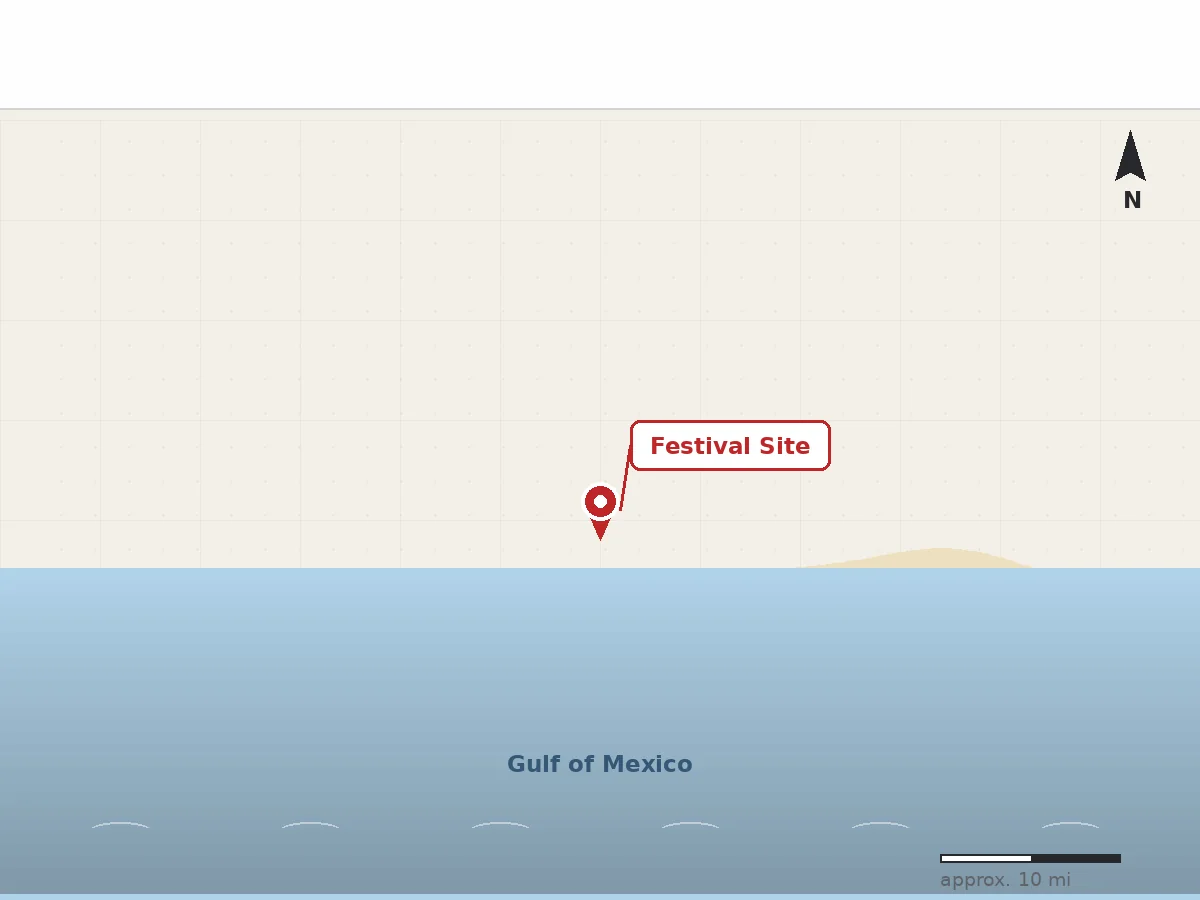
The Winnebago County Fair is held in the Winnebago County area of north Iowa, with Forest City serving as the county seat and a natural reference point for visitors.
Winnebago County Fair Questions Locals Hear from First-Timers
When does the Winnebago County Fair usually take place?
It is typically held on a summer weekend, often in July or early August. The exact dates shift from year to year, so check current local fair information rather than relying on a past calendar.
Is the Winnebago County Fair free to attend?
Admission is typically free unless a specific event posts otherwise. Grandstand shows, carnival rides, food, and some activities may have separate costs. Bring a little cash and confirm current details before you go.
What should I prioritize if I only have one day?
Start with the livestock barns and exhibit hall, because they show the fair’s local core. Then eat from a community-run stand, catch an entertainment event, and walk the midway in the evening. If you have kids, let them choose one carnival ride rather than trying to do everything.
Is the fair suitable for young children and older visitors?
Yes. The fair is generally walkable and community-oriented, with animals, exhibits, food, and seating areas. Families with strollers and older visitors should plan for uneven ground, weather changes, and a slower pace during peak hours. Arriving earlier or later in the day often makes the experience easier.
The Next Chapter for the Winnebago County Fair in Forest City
The Winnebago County Fair’s future will likely look like its past in one important way: it will depend on local people. Fair boards, volunteers, exhibitors, sponsors, and families all keep the event moving. As the county continues to change, the fair remains a place to celebrate agriculture, recognize young people, support local groups, and keep neighbors connected. The details may evolve, but the habit of gathering is strong.
Last updated: October 2026
For anyone who wants to understand Winnebago County, Iowa, the fair is a good place to start. It is not polished for outsiders, and that is the point. It is a living county tradition — loud, dusty, sweet-smelling, and full of people who know one another. Come for the food, stay for the livestock and the music, and leave with a better sense of what keeps a small Iowa county connected.
One Comment