Clark County Idaho Clark County Rodeo Festival
Dubois is the kind of Idaho town that makes a visitor check the map twice. It is the county seat of Clark County, a county founded on February 1, 1919, and by the 2020 census it held just 790 people across 1,765 square miles. That scale—more land than many states, fewer residents than a single city block—shapes everything here, including the Clark County Idaho Clark County Rodeo Festival. The event is not a stadium spectacle dropped into a metropolis. It is a county gathering, rooted in Dubois and the surrounding ranch country, where rodeo weekend becomes a social anchor for the whole area.
Clark County Rodeo Facts for Dubois and the Surrounding County
| Town / place | Dubois and the surrounding Clark County area |
| County | Clark County, Idaho — founded February 1, 1919; 1,765 square miles |
| County seat | Dubois |
| Population | 790 (2020 census) |
| Region | Clark County, Idaho, around Dubois |
| Typical timing | Annual warm-season gathering; confirm the current year’s schedule locally |
| Admission | Typically free; any event-specific fees are announced locally |
| Setting | Small-town rodeo grounds in a vast rural Idaho county |
| Features | Rodeo competition, community food, family activities, local gathering |
| Organizer | Local Clark County rodeo volunteers and community organizers |
The Rodeo at the Heart of a 1,765-Square-Mile County
The Clark County Rodeo belongs to a place where distances are measured in long drives and where the county seat, Dubois, functions as both government center and community crossroads. With 790 residents counted in 2020, Clark County does not have the crowd volume of Idaho’s larger cities. That is precisely the point. The rodeo is intimate by geography, not by accident. It draws from ranches, small settlements, and families who may not see one another every week but who share the same schools, roads, and rural rhythms.
For visitors, the festival is a chance to experience that county-scale social life. You will not find endless rows of corporate vendors or a sprawling midway. Instead, expect a rodeo built around the arena, the grand entry, local concessions, and the easy reunion feeling of a place where most people know the person handing them a burger. Exact events and attractions can vary by year, so the most reliable approach is to check local announcements and arrive ready for a community-run weekend rather than a packaged tourist production.
From the 1919 Founding of Clark County to Rodeo Weekend in Dubois
Clark County was established on February 1, 1919, with Dubois as its county seat. That founding date places the county in the early twentieth-century wave of Idaho organization, when vast open country was being mapped into formal counties and local government took shape. The land area is 1,765 square miles, a figure that explains much about Clark County’s character: ranches, two-lane roads, wide views, and a population—790 in the 2020 census—that is spread thinly across the landscape.
The rodeo itself is best understood as part of that long community tradition rather than a single dated invention. Rodeo in rural Idaho grew from the working skills of ranch life: riding, roping, livestock handling, and the kind of horsemanship that was once practical before it was competitive. Over time, those skills became a public celebration. In Clark County, the rodeo became a way for neighbors to gather, for young riders to test themselves, and for the county to mark a season together.
A simple timeline helps frame the story. In 1919, Clark County was founded and Dubois became the county seat. Through the twentieth century, ranching, rural schools, and community events shaped the county’s social calendar. By 2020, the census recorded 790 residents across 1,765 square miles. Today, the Clark County Rodeo continues that thread, connecting the county’s past to a present where small-town gatherings matter more than ever.
What Rodeo Weekend Feels Like in the Clark County Area
Rodeo weekend in Clark County is less about passive spectatorship and more about joining a county-wide reunion. The pace is relaxed, the setting is rural, and the focus stays on the arena. Visitors who arrive expecting a polished theme-park experience may miss the point. The appeal is the authenticity of a small Idaho county coming together, with all the dust, noise, food, and familiarity that implies.
Food and Concessions Around the Rodeo Grounds
Food at a county rodeo often has a fundraiser feel: concession stands, local groups selling baked goods, coffee, burgers, and simple meals that keep everyone going through a long afternoon. Because Clark County is small, the food scene is not about trendy menus. It is about convenience, community, and cash-friendly service. Bring small bills, expect limited hours, and treat the concession stand as part of the local experience rather than a full restaurant.
Music, Announcers, and Rodeo Entertainment
The core entertainment is the rodeo itself. Announcers call the action, music fills the gaps between events, and the grand entry sets the tone. Depending on the year, there may be additional live music, a dance, or community performances. Those details are best confirmed locally. What remains consistent is the rhythm of the arena: bursts of action, pauses for setup, and a crowd that reacts like it knows the competitors because, in many cases, it does.
Family Activities and Kid-Friendly Moments
County rodeos are naturally family-oriented. Children watch from the fence, families spread blankets or claim seats, and the arena becomes a shared backyard for the afternoon. Kid-friendly moments may include youth events, rodeo royalty, or informal activities around the grounds, though the exact lineup changes year to year. Parents should plan for sun, noise, animals, and uneven ground. A little preparation goes a long way toward making the day easy for younger visitors.
Planning a Trip to the Clark County Rodeo from Dubois
Planning for the Clark County Rodeo starts with accepting the county’s scale. This is a place of long distances and limited services, so a successful trip depends on preparation rather than improvisation. Use Dubois as your orientation point, confirm the current year’s schedule, and build in extra time for rural roads and small-town pacing.
Getting to Dubois and the Clark County Area
Dubois is the county seat and the natural gateway to the rodeo area. Because Clark County covers 1,765 square miles, services are spread out. Fill your fuel tank before you get deep into rural roads, download offline maps, and do not assume every small settlement has a open gas station or grocery store. If you are traveling with children or pets, plan rest stops in advance. The drive itself is part of the experience, with wide views and a pace that rewards patience.
Where to Stay Near Clark County
Lodging in and around Dubois is limited, so early booking is wise. Some visitors base themselves in nearby communities and drive in for the rodeo, while others look for camping or RV options where permitted. Because the county has only 790 residents, the hospitality network is small and personal. If you need a motel, cabin, or campground, start your search well before the event weekend and confirm cancellation policies.
Parking at the Rodeo
Parking at a rural rodeo is usually straightforward but not unlimited. Follow local signs and volunteers, arrive early for the best spots, and carpool if you are meeting friends. Do not block ranch roads, gates, or private driveways. If the ground is wet, be prepared for muddy conditions and park where directed rather than inventing your own space. A little patience at arrival makes the whole day smoother.
Admission, Costs, and Cash
Admission is typically free, though some events, vendors, or fundraisers may have separate costs. Bring cash for concessions, raffles, and community booths, because small events may not have reliable card service. If you are budgeting, focus on food, drinks, and any optional activities rather than a large ticket price. Confirm current details locally, since arrangements can change from year to year.
Weather and What to Wear
Clark County weather can shift quickly. Warm afternoons may turn into cool evenings, and wind or rain can arrive without much warning. Dress in layers, bring a hat and sunscreen, and wear sturdy shoes that can handle dust, grass, or mud. A light rain jacket is smart even on a promising morning. If you plan to stay for the full rodeo and any evening gathering, keep a warm layer in the car.
A Sample Rodeo Weekend in Dubois and Clark County
If the rodeo runs across a weekend, a relaxed itinerary works best. Arrive on Friday afternoon, check into your lodging or campsite, and take a short drive through Dubois to get oriented. Have dinner, ask locals about the weekend schedule, and turn in early. The county’s quiet is part of the appeal, so resist the urge to over-schedule the first night.
On Saturday, start with coffee and a slow morning. Head to the rodeo grounds before the main action begins, giving yourself time to park, find a seat, and visit the concession stands. Spend the afternoon watching rodeo competition, talking with neighbors, and letting children experience the atmosphere. In the evening, look for any community meal, music, or gathering tied to the rodeo weekend.
Sunday can be a gentle departure day. Take a back-road drive if weather allows, stop for a final look at the open country, and leave Dubois with a better sense of why a county of 790 people keeps a rodeo alive. If the event is shorter than a full weekend, compress the plan and prioritize the arena time, local food, and a conversation with someone who has lived in the county for decades.
How the Clark County Rodeo Compares with Other Idaho Gatherings
Set beside a large Idaho city rodeo, the Clark County Rodeo is smaller, more intimate, and more closely tied to one county’s daily life. Compared with a typical county fair, it is more focused on rodeo and ranch tradition, with less midway and more arena. And compared with a quiet weekend in Dubois when no event is scheduled, the rodeo transforms the county seat into a gathering place, filling the area with trailers, families, and familiar faces. Each comparison points to the same quality: this is a local festival first.
Clark County Rodeo Practical Checklist
| Check | Why it matters |
| Confirm the current year’s schedule | Timing can vary; local announcements are final. |
| Book lodging early | Clark County lodging is limited. |
| Fill the fuel tank | The county covers 1,765 square miles. |
| Bring cash | Vendors and fundraisers may not take cards. |
| Pack layers | Warm days can turn into cool evenings. |
| Wear sturdy shoes | Rodeo grounds and parking areas can be uneven. |
| Bring sun protection | High-country sun can be strong. |
| Leave pets at home | Unless event rules say otherwise, pets are best kept safe. |
| Respect ranch country | Stay on roads and follow local signs. |
Beyond the Rodeo: Dubois and the Wider Clark County Landscape
The Clark County Rodeo is a reason to visit, but it is not the only reason to slow down. The county’s 1,765 square miles hold a landscape of open country, working ranches, and small communities where the pace is set by weather and seasons rather than traffic lights. Dubois, as the county seat, is the natural hub for exploring the area. Even a short drive reveals why people here value self-reliance and neighborliness in equal measure.
Visitors should approach the area with respect for private land and rural livelihoods. Stay on public roads, close gates you open, and avoid assuming that every dirt road leads to a public attraction. The reward is a quieter kind of travel: wide views, dark skies, and the sense of being in a county that has not been polished for tourists. The rodeo is the doorway; the surrounding landscape is the reason to linger.
Why a 790-Person County Keeps This Rodeo Going
In a county with 790 residents, every volunteer matters. The Clark County Rodeo survives because people show up—to organize, cook, announce, park cars, sponsor events, and compete. That kind of effort is not a side detail; it is the foundation. The rodeo preserves skills that were once everyday ranch work, gives young people a place to compete, and creates an annual touchstone for families spread across a huge county.
The festival also matters because it keeps a rural identity visible. Clark County is not a place that trends on social media or draws international crowds. Its significance is local, durable, and deeply tied to the people who live there. When Dubois fills with rodeo traffic, the county is not performing an identity for outsiders. It is simply gathering as itself, and visitors are lucky to be included.
Locating the Clark County Rodeo in Dubois, Idaho
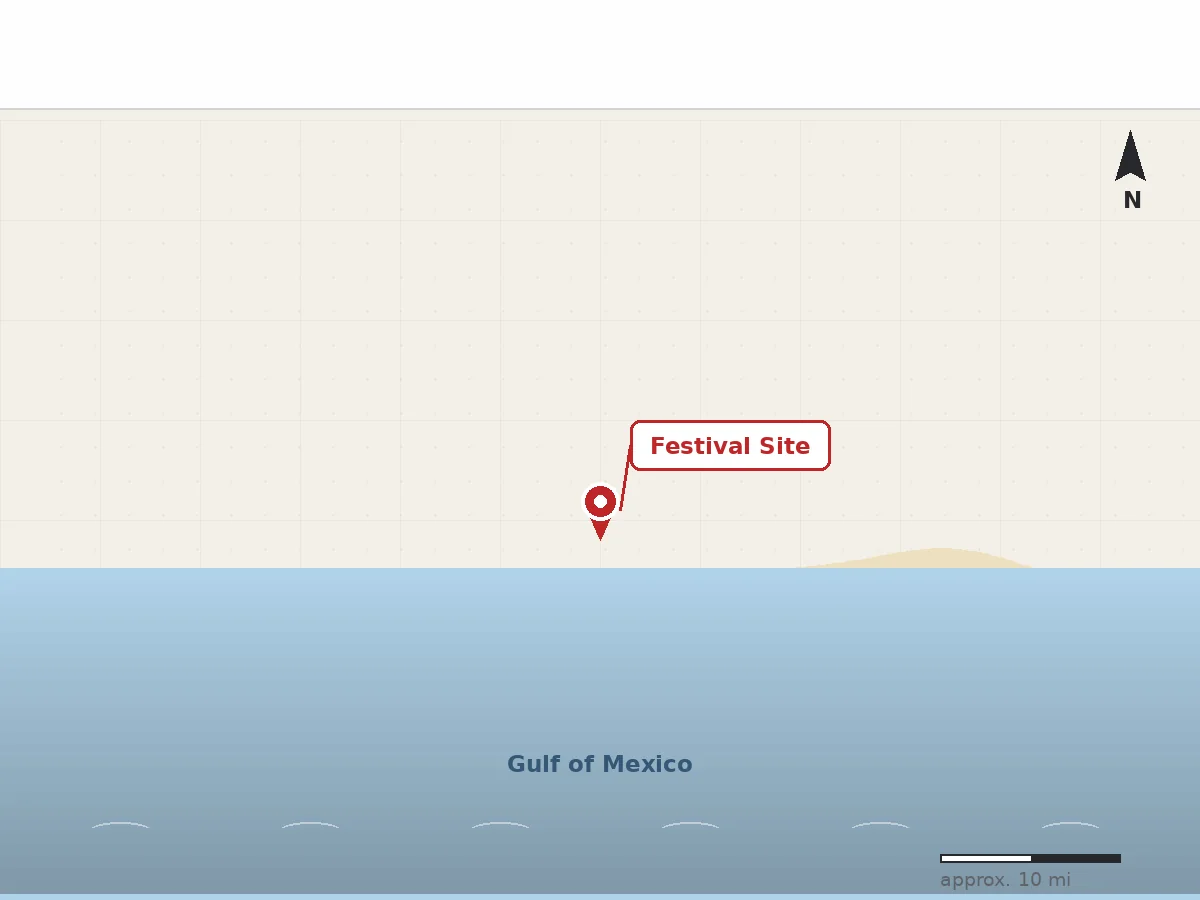
The Clark County Rodeo takes place in the Clark County area around Dubois, the county seat of Clark County, Idaho.
Clark County Rodeo Questions from Visitors
When is the Clark County Rodeo usually held?
The rodeo is typically a warm-season community event, but exact timing can vary from year to year. Because no fixed date is guaranteed, check local Clark County announcements before planning travel. If you are coming from outside the area, build flexibility into your weekend and confirm the schedule close to your trip.
Is admission to the Clark County Rodeo free?
Admission is typically free, though some events, vendors, or fundraisers may have separate costs. Bring cash for concessions, raffles, and community booths. Confirm current details locally, since small events can adjust arrangements depending on the year and the needs of the organizers.
Where should I stay when visiting Dubois for the rodeo?
Lodging in and around Dubois is limited, so book early. Some visitors stay in nearby communities and drive in, while others look for camping or RV options where permitted. Use Dubois as your base for the county seat and the rodeo area, and confirm availability before you commit to a long drive.
What should I bring to the Clark County Rodeo?
Bring layers, sun protection, sturdy shoes, and cash. A refillable water bottle and a jacket for cool evenings are smart choices. Leave pets at home unless event rules say otherwise, and plan for rural conditions where services may be limited.
The Future of Rodeo Tradition in Clark County, Idaho
The future of the Clark County Rodeo depends on the same things that have sustained it: volunteers, families, local sponsorship, and a community willing to gather. With 790 residents spread across 1,765 square miles, the county cannot rely on sheer population. It relies on commitment. As long as that commitment holds, the rodeo will remain a defining weekend for Dubois and the surrounding area.
For visitors, that means the festival is likely to stay what it has always been—unpretentious, rooted, and genuinely local. It may not grow into a massive tourism event, and that is not necessarily a loss. Its value lies in authenticity, in the continuity of rural skills, and in the simple fact that a small Idaho county still makes time to celebrate itself.
Last updated: October 2026
If you plan to attend the Clark County Rodeo, treat it as an invitation into a county rather than a stop on a checklist. Come prepared, spend time in Dubois, talk with the people who make the weekend happen, and leave the landscape as you found it. That approach will give you the truest version of the Clark County Idaho Clark County Rodeo Festival.