Winneshiek County Iowa Nordic Fest Festival
Some festivals ask you to watch. Nordic Fest asks you to eat, dance, and possibly attempt a little rosemaling. For a first-timer arriving in Decorah on a late-July weekend, the experience is less a single ticketed event than a whole town loosening its collar — Winneshiek County’s county seat turning its streets, parks, and riverfront blocks over to a celebration of Norwegian heritage that has been part of northeast Iowa life for generations.
That is the first thing to understand before you go: Nordic Fest is not a fenced fairground. It spreads through downtown Decorah, so the town itself is the venue. You will walk between things. You will stand in a line for lefse. You will hear a fiddle tune drifting from a side street and follow it. This orientation is written for the person who has never been — someone who wants to know what the weekend actually feels like, how to plan around it, and what to see beyond the festival grounds.
Nordic Fest Essentials for a First Visit
| Town and area | Decorah and the surrounding Winneshiek County area |
| County | Winneshiek County, Iowa |
| County seat | Decorah |
| County population | 20,070 (2020 census) |
| Region | Northeast Iowa bluff country, close to the Minnesota border |
| Typical timing | Each summer, in most years during late July |
| Admission | Generally free to enter the festival areas; food, crafts, and some activities are pay-as-you-go |
| Setting | Downtown Decorah streets, nearby parks, and riverside blocks |
| Signature features | Norwegian food, folk dance, fiddle music, heritage crafts, family activities |
| Organizer | Volunteer-driven, with local businesses, churches, and heritage groups involved |
What Nordic Fest Actually Is in Decorah
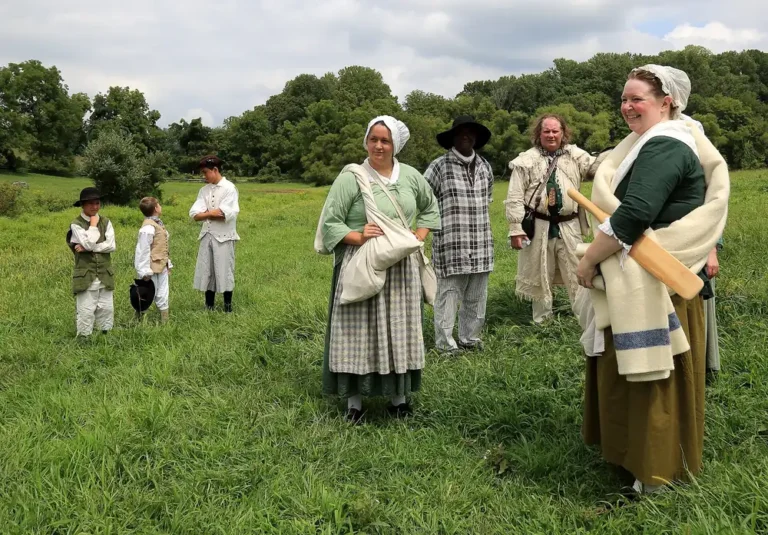
Nordic Fest is a heritage festival built around the Norwegian-American story of this corner of Iowa. Winneshiek County was founded in 1847, and the decades that followed brought waves of immigrants from Norway who farmed the valleys, built churches, and settled in Decorah. Their descendants did not let the traditions fade. Instead, they built a festival around them.
Practically speaking, that means a weekend of food, music, dance, and craft demonstration in a compact walkable downtown. You will find vendors selling Norwegian pastries and hot dishes, demonstrations of traditional handwork, folk dancers in bunads, musicians playing the Hardanger fiddle, and a general atmosphere of a town hosting a very large family reunion. Decorah’s Norwegian-American museum, Vesterheim, anchors the heritage side of the weekend and is worth building time around.
What surprises most first-timers is the scale relative to the place. Winneshiek County holds just over twenty thousand people across roughly 690 square miles, yet for a few days each summer Decorah feels considerably busier than its usual self. Book lodging early. Arrive with comfortable shoes. And do not expect to see everything in one afternoon.
For another look at how a community turns its own traditions into a gathering, see the Winnebago County Iowa Winnebago County Fair Festival for a useful comparison.

From Immigrant Churches to a Summer Street Festival
The festival’s roots run through the same soil as the county itself. Winneshiek County was organized in 1847, with Decorah established as the seat of government. Norwegian settlers arriving through the mid-nineteenth century found a landscape that reminded them of home — steep wooded bluffs, spring-fed creeks, and river valleys — and they clustered here in numbers large enough to shape the region’s churches, schools, and civic life for a century and more.
By the mid-twentieth century, that heritage had become something to celebrate publicly rather than simply remember privately. Community groups, heritage organizations, and local businesses began building a festival that would put Norwegian food, music, and craft in front of a broad audience. The idea took hold, and over the following decades Nordic Fest grew from a local observance into one of the signature summer events of northeast Iowa — still run on volunteer energy, still tied to the town that hosts it.
The rough arc looks like this: immigrant settlement in the 1800s, a strong ethnic community through the early 1900s, a postwar push to preserve and share those traditions, and then steady growth into a weekend that draws visitors from across the Midwest. Each generation has added its own layer — new demonstrations, new performers, new families taking over the lefse griddle.
Your First Walk Through Downtown Decorah
Plan on the festival being a wandering experience. Streets close, booths go up, and the crowd moves in a loose current from one block to the next. The best approach for a first-timer is to walk the whole footprint once without buying anything, get your bearings, and then circle back to what looked interesting.
Lefse, Krumkake, and the Norwegian Food Lines
Food is the festival’s center of gravity, and the lines prove it. Expect potato lefse rolled fresh, krumkake baked on irons, rosettes, sandbakkels, and heartier fare such as rømmegrøt and meatballs. Some of the most memorable stands are run by churches and community groups, which is part of the charm — you are eating food made by people who grew up making it. Bring cash as a backup, eat early or late to dodge the crush, and pace yourself. This is a grazing weekend, not a single-meal one.
Hardanger Fiddles, Folk Dance, and Street Stages
Music and dance run continuously across multiple small stages and open corners. You will hear Hardanger fiddle, traditional song, and folk dance performances, often by costumed groups whose routines have been handed down and rehearsed for months. Because venues are small and close together, you can sample three different performances in an hour. Check a printed schedule early in the day, pick two or three must-sees, and let the rest happen by accident.
Kid-Friendly Corners and Hands-On Heritage
Families do well here. Craft demonstrations invite watching and sometimes trying — rosemaling, weaving, woodcarving, and other traditional handwork. There are typically activities aimed at children, and the general pace of a walkable downtown festival suits strollers and short attention spans. Set a meeting point early, since cell service gets strained when crowds thicken, and keep an eye out for the troll figures and other photo stops that kids gravitate toward.
Planning a Nordic Fest Trip Around Winneshiek County
Driving Into Decorah and Northeast Iowa
Decorah sits in the bluff country of northeast Iowa, a region of winding river roads and ridge-top views. Most visitors arrive by car, and the final stretch on two-lane highways is scenic but slow — allow more time than the mileage suggests, especially on the Friday of festival weekend. If you are coming from a larger metro, plan the drive as part of the trip rather than a chore to be rushed.
Where to Stay in and Near Decorah
Lodging in Decorah fills fast for festival weekend, sometimes months ahead. Options include local hotels, motels, bed-and-breakfasts, and campgrounds in the surrounding county. If Decorah is full, look at neighboring towns within a reasonable drive and treat the commute as part of the day. Camping and cabin stays are popular with repeat visitors who like being close to the bluffs and trout streams.
Parking, Shuttles, and Getting Around Town
Downtown parking is limited and street closures reduce it further. Expect to park on the edges of the business district or in outlying lots and walk in. Arriving before mid-morning gives you far better odds. Once you are downtown, everything is walkable, so leave the car where it is for the day and move on foot.
Admission and What a Day Actually Costs
Entry to the festival areas is generally free, which makes Nordic Fest unusually easy on a budget. Your spending is concentrated in food, crafts, and any ticketed performances or special programs that may be offered. Bring a mix of cash and card, set a rough daily ceiling, and remember that the best parts of the weekend — the music on the street, the demonstrations, the wandering — cost nothing at all.
Late-July Weather and What to Wear
Late July in northeast Iowa means warm, humid days and the real possibility of an afternoon thunderstorm. Dress in light layers, wear shoes you can walk in for hours, and pack a rain jacket rather than an umbrella if you plan to stand in crowds. A hat, sunscreen, and a refillable water bottle are worth the space in your bag.
A Sample Nordic Fest Weekend in Decorah
Friday. Arrive by early afternoon, park on the edge of downtown, and walk the full festival footprint before it gets crowded. Use the quiet hours to study the schedule, mark two performances and one demonstration, and eat an early supper from a food stand. Spend the evening on the street as the town fills up, then get to bed at a reasonable hour — Saturday is the long day.
Saturday. Start with coffee and pastries downtown, then catch a morning folk dance performance while the light is good and the crowds are manageable. Midday is for food: split items with your group so you can try more. In the afternoon, visit Vesterheim and take in craft demonstrations. Evening brings the biggest crowds and the best street atmosphere — pick a spot early for the main performances.
Sunday. Sunday is gentler. Return for anything you missed, buy the craft item you kept thinking about, and eat one last lefse before the booths come down. Use the afternoon for the surrounding countryside — a drive along the bluffs, a stop at a local brewery or trout stream, and a slow route home.
Nordic Fest Alongside Other Upper Midwest Summer Stops
If you are building a longer trip, Nordic Fest pairs naturally with other stops in the region. Spring Grove, Minnesota, just across the state line, shares the same Norwegian settlement history and makes an easy heritage-themed companion visit. Lanesboro, Minnesota, in the Root River valley, offers a different flavor entirely — an arts-and-outdoors town known for biking and theater rather than ethnic festival programming. Closer to home, Waukon, the seat of neighboring Allamakee County, and Cresco to the west give you small-town Iowa main streets that feel unhurried after a festival weekend.
Compared with a large urban ethnic festival, Nordic Fest is smaller, cheaper, and far more rooted in its place. Compared with a typical county fair, it is more focused and more culturally specific. The closest comparison is probably a town reunion that happens to welcome strangers warmly.
A First-Timer’s Nordic Fest Checklist
Before you go: reserve lodging well in advance, confirm the weekend’s timing through official festival channels, and check the schedule for ticketed events. Pack comfortable walking shoes, light layers, rain gear, sunscreen, a water bottle, and a small day bag. Bring cash alongside cards, and set a food budget you are happy with.
On the day: arrive early, park once, and walk. Set a family meeting point. Photograph the schedule board so you do not have to keep hunting for it. Be patient in food lines — they are part of the experience. Talk to the volunteers at demonstration booths; they are usually the most interesting people you will meet all weekend.
Beyond the Booths: Bluff Country Near Decorah
Winneshiek County rewards anyone who stays an extra day. The landscape of wooded bluffs, spring-fed creeks, and cold-water trout streams is some of the most distinctive terrain in Iowa. Local parks, trails, and overlooks offer hiking and paddling, and the surrounding countryside is excellent for a slow drive with the windows down.
Decorah itself has a lively small-town food and drink scene, with local breweries, cafés, and shops that stay busy through festival weekend. The Norwegian-American museum deserves several unhurried hours if you want the heritage context behind everything you just ate and heard. Seed Savers and other agricultural attractions in the area round out an itinerary for travelers who like gardens, orchards, and working landscapes.
What Nordic Fest Means to Winneshiek County
For a county of just over twenty thousand people, hosting a festival of this profile is no small undertaking. It is sustained by volunteers, church groups, local businesses, and families who have been involved for decades. That volunteer structure is also what keeps the festival feeling genuine rather than packaged.
The event does real work beyond entertainment. It keeps a specific immigrant heritage visible and alive, gives young people a reason to learn folk dance and traditional craft, and brings visitor spending into a rural economy that benefits from every busy weekend. For Decorah residents, it is also simply the weekend when the whole town shows up at once.
Where the Festival Fills Decorah’s Streets
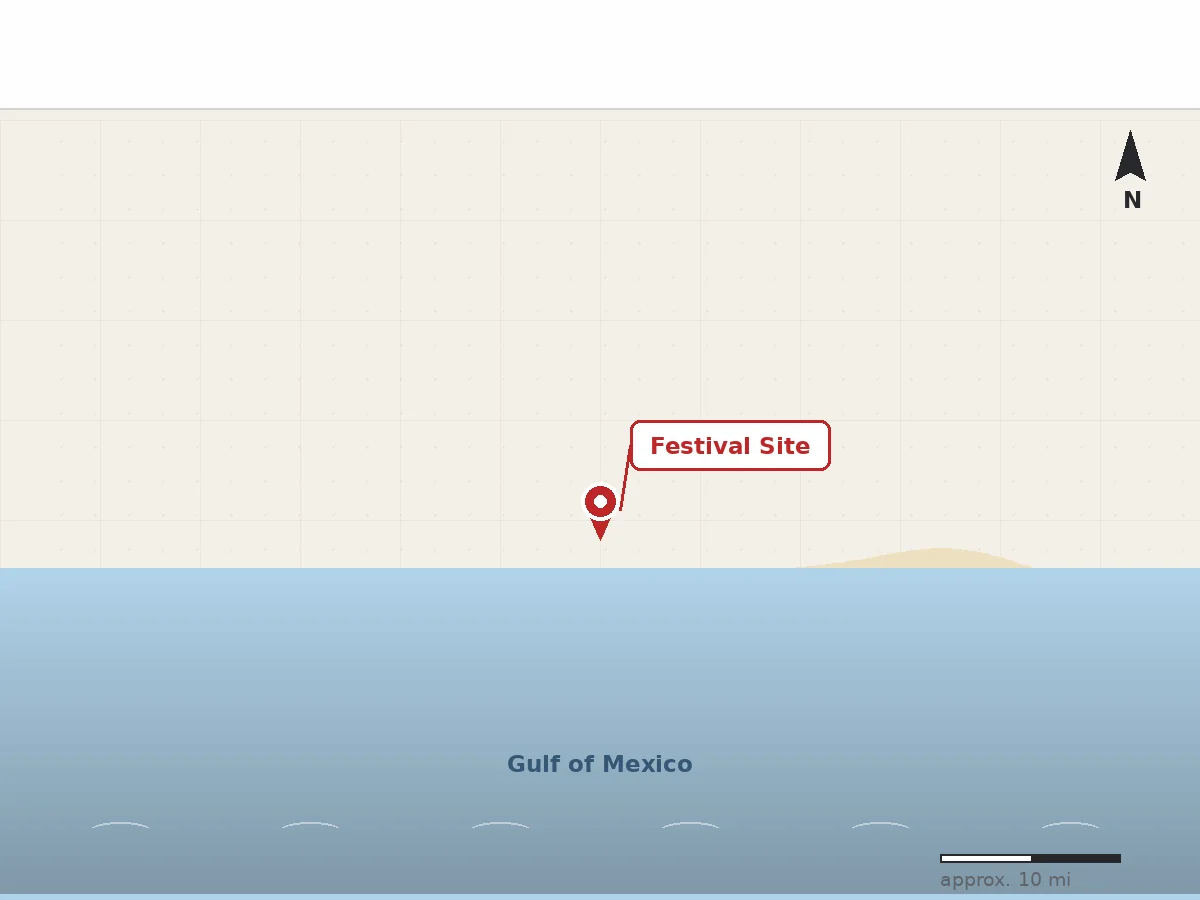
Nordic Fest takes place in downtown Decorah, the Winneshiek County seat in northeast Iowa, with activity concentrated along the walkable blocks at the center of town.
Answers for Your First Nordic Fest in Decorah
When does Nordic Fest usually happen?
In most years the festival is held over a weekend in late July, spanning Friday through Sunday. Exact dates shift from year to year, so confirm the current schedule through official festival channels before you book anything. Because it lands in the heart of summer, expect warm, humid conditions and the chance of an afternoon storm.
Do I need tickets to attend?
Admission to the festival areas is generally free. You pay as you go for food, drinks, crafts, and any special ticketed programs that may be offered that year. That structure makes Nordic Fest an affordable weekend for families — the main costs are lodging, meals, and whatever handmade item you cannot resist taking home.
Is Nordic Fest good for children and older visitors?
Yes. The downtown footprint is compact and walkable, with plenty of benches, shade, and food stops to break up the day. Children tend to enjoy the craft demonstrations, costumed performers, and hands-on activities, while older visitors appreciate that most of the festival can be experienced without long stretches of standing in one place. Bring a stroller or wheelchair if you need one, and plan rest breaks during the busiest midday hours.
How busy does Decorah get during the festival?
Very busy by local standards. Lodging fills early, downtown parking disappears quickly, and food lines stretch during peak mealtimes. The trade-off is atmosphere: the streets feel alive in a way that only happens a few days a year. Arrive early in the day, park once, and walk everywhere to sidestep most of the frustration.
Looking Ahead at Nordic Fest’s Next Chapters
Nordic Fest’s future depends on the same thing that built it: people willing to volunteer. Like many rural heritage festivals, it faces the ongoing challenge of keeping younger generations engaged while preserving the traditions that make it distinctive. The encouraging sign is that the festival has always adapted — adding demonstrations, broadening its musical lineup, and finding new ways to make Norwegian culture approachable for visitors who have no Scandinavian ancestry at all.
For first-timers, that means the festival you visit this year will feel both familiar and slightly different from the one your parents attended. Expect the lefse to remain. Expect the fiddle music to remain. Expect the town to keep showing up.
Last updated: October 2026
If you are planning a first trip to Nordic Fest, treat it less like a checklist and more like a long weekend in a town that happens to be throwing a very good party. Book your room early, wear shoes you trust, arrive hungry, and leave room in the schedule for the unplanned moments — the conversation at a craft booth, the fiddle tune you follow down a side street, the second helping of krumkake you did not intend to eat. That is the version of Nordic Fest most people remember.