Wilson County Kansas Wilson County Fair Festival
If you have never been to the Wilson County Fair, the most useful thing to know up front is that this is a county fair in the classic Kansas mold rather than a commercial festival. There are no turnstiles or VIP packages. There are barns, an exhibit hall, a midway, a grandstand, and a few days each year when the whole Wilson County area turns out to see who won the ribbons.
The fair belongs to Wilson County, Kansas — a county of 8,624 residents at the 2020 census, spread across 575 square miles of rolling prairie in the southeast part of the state. Fredonia is the county seat and the practical anchor for visitors. This orientation covers what the fair actually is, how a county founded in 1855 came to hold it, what you will eat and hear, how to plan the trip, and where to go once the fairgrounds quiet down.
Wilson County Fair Basics: Key Details in One Table
| Town / area | Wilson County area, anchored by Fredonia |
| County | Wilson County, Kansas |
| County seat | Fredonia |
| Population | 8,624 (2020 census) |
| Region | Southeast Kansas |
| Typical timing | Late summer, during Kansas county fair season |
| Admission | Generally free to enter the grounds; vendors and rides set their own prices |
| Setting | Rural fairgrounds with livestock barns, an exhibit hall, and a grandstand |
| Features | Livestock shows, 4-H and open-class exhibits, carnival rides, fair food, grandstand entertainment |
| Organizer | Local fair board and community volunteers |
What the Wilson County Fair Actually Is
The competitive core of the fair is agriculture. Exhibit halls fill with open-class and 4-H entries — breads, pies, canned goods, quilts, photography, garden vegetables, sunflowers, and floral arrangements — while the barns hold poultry, rabbits, goats, sheep, swine, and cattle. Ribbons, premiums, and bragging rights are the currency of the week, and the judging is taken seriously.
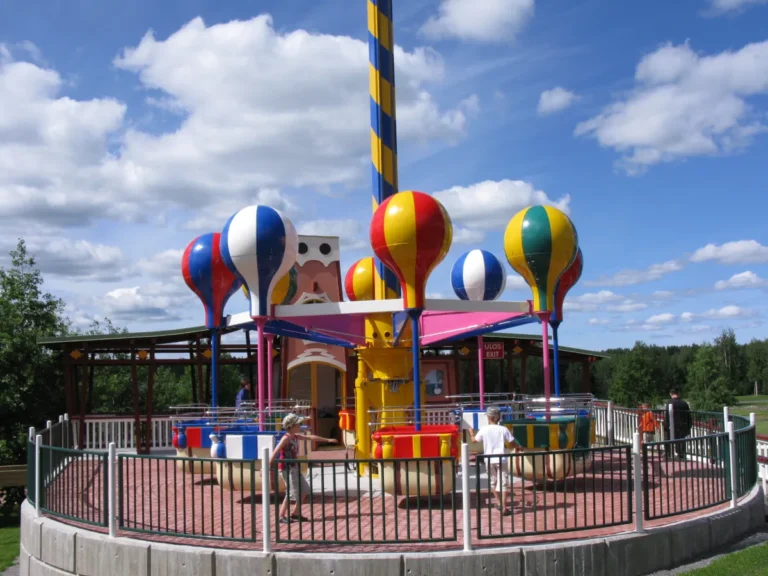
Wrapped around that core is the social half of the fair: food stands run by churches and civic groups, a carnival with rides scaled for small children and teenagers, vendor booths, a grandstand for evening entertainment, and constant chances to run into someone you have not seen since last year’s fair.
First-timers often plan to stop by for an hour and end up staying for the evening. The grounds are compact enough to walk in a loop, the pace is deliberately unhurried, and the best moments tend to be unplanned — a kid showing a first goat, a pie auction, a conversation on a picnic bench.
For another look at how a community turns its own traditions into a gathering, see the Wichita County Kansas Wichita County Fair Festival for a useful comparison.
From 1855 Prairie Roots to Today’s Fairgrounds
Wilson County was established in 1855, named for Hiero Wilson. Fredonia became the county seat, and the county’s 575 square miles of prairie, creek bottoms, and small towns grew around farming — wheat, corn, soybeans, sorghum, and livestock.
County fairs in Kansas grew out of that world. Agricultural societies formed so farmers could compare crops, stock, and methods, and the annual exhibition became the place where a season’s work was measured against a neighbor’s. The Wilson County Fair belongs to that long tradition rather than to any single founding moment; it is the local expression of a habit that took hold across Kansas in the late nineteenth century.
What has changed is the packaging, not the purpose. Modern fairs add carnivals, sound systems, and food trucks, but the exhibit hall still works the way it always has: entries arrive in the morning, judges work through categories, and by evening the ribbons are up and families are walking the aisles looking for their names.
On the Ground: What a Fair Day Feels Like
A fair day in Wilson County has a recognizable shape. Mornings are quiet and barn-scented. Afternoon brings the heat, the crowds, and the carnival. Evening is when the grandstand fills and the grounds take on a different character entirely.
Fair Food, Church Booths, and Kansas Classics
Food at the Wilson County Fair comes in two varieties. The first is the midway menu: funnel cakes, corn dogs, cotton candy, and lemonade in cups too large to finish. The second, and the one regulars seek out, is the local stand — church groups and civic organizations serving burgers, chili, pie by the slice, cinnamon rolls, and coffee.
Prices are set by each vendor, so bring a mix of cash and card. Lines move fastest in the early afternoon and slow considerably after sunset, when the midway lights come on and the whole grounds shift into a louder gear.
Music, Grandstand Shows, and Evening Entertainment
Evening is when the fair leans into entertainment. Grandstand programming at Kansas county fairs commonly includes live country and rock bands, demolition derbies, tractor pulls, and figure-eight races, and the Wilson County Fair follows that pattern in most years. Local performers and school groups often get stage time earlier in the day.
Because lineups change year to year, the reliable move is to check the fair’s schedule before you drive out. Grandstand events are the one part of a county fair where arriving late genuinely costs you — the good seats go early.
Family Activities, Livestock Barns, and 4-H Exhibits
Families with young children tend to orbit the carnival and the small-animal barn, where rabbits and poultry are easy to see at eye level. The exhibit hall is quieter, works well as a mid-afternoon break, and is where kids can see what other kids their age made, grew, or baked.
4-H and FFA members are the backbone of the fair. Watching a livestock show — even without knowing the judging criteria — is one of the more absorbing things you can do, because the kids doing the showing have usually spent months preparing, and it shows.
Planning a Trip to Fredonia and the Wilson County Area
Wilson County is rural, which means planning is mostly about distance and timing rather than reservations. A little preparation goes a long way.
Getting There: Roads into Southeast Kansas
Fredonia sits in southeast Kansas, reachable by US Highway 400 and a network of state highways linking the county to Wichita, Chanute, Independence, and the Oklahoma line. Most visitors drive; there is no practical rail or air option into the county itself, so plan on a car and a full tank.
Where to Stay Around Wilson County
Lodging inside Wilson County is limited. Fredonia has a small number of motels and guest rentals, and the nearby towns of Neodesha and Altoona add a few more options. Many fairgoers stay in larger cities and drive in for the day, or stay with family. Book early during fair week — this is the busiest stretch of the local calendar.
Parking and Moving Around the Grounds
Fairground parking is typically on grass or gravel near the gates, often free, and fills quickly during grandstand events. Arrive an hour before anything with a start time. Once inside, everything is walkable; the grounds are flat, so a stroller or a wagon for tired kids is a reasonable thing to bring.
Admission, Costs, and Cash
Admission to the fairgrounds is generally free, which is one reason the fair draws people who only have an hour to spare. Costs come from the midway, food vendors, and any grandstand event with its own ticket. Bring small bills for stands that do not take cards, and set a rough budget for rides before your kids see the midway.
Late-Summer Kansas Weather
Kansas in fair season means heat, humidity, and the possibility of a fast-moving evening storm. Daytime temperatures often push into the nineties, so sunscreen, a hat, and water matter more than you think. Evenings cool off nicely. If a storm rolls in, fairgrounds typically pause and resume, so have a plan for waiting it out.
A Sample Fair Weekend in Wilson County
What follows is a loose itinerary rather than a schedule — the point is to show how a first visit can be paced so you see the whole fair without wearing yourself out.
Friday evening: arrive late afternoon, walk the exhibit hall while it is still cool, eat at a church stand, then claim a grandstand seat before the evening program. Stay for the midway lights and leave after the crowd thins.
Saturday morning: come early for the livestock shows, the most authentic part of the fair and the least crowded. Midday: retreat to the shade or the exhibit hall, then hit the carnival in the mid-afternoon. Saturday evening: grandstand event, dessert from a vendor, and a slow walk through the barns after dark.
Sunday: a shorter day. Stop by for the final exhibits, catch any awards or premium announcements, buy something from a vendor you liked, and head out before teardown begins. It is the calmest day of the fair and a good one for photos.
How the Wilson County Fair Compares with Nearby Kansas Celebrations
Wilson County sits in a cluster of counties that all hold fairs, and first-timers sometimes wonder which one to visit. Neighboring Allen County, with Iola as its seat, and Neosho County, anchored by Chanute, run their own fair traditions in the same season, as do Woodson and Montgomery counties to the east and south.
The differences are mostly scale. Larger counties can book bigger grandstand acts and longer midway runs; smaller ones feel more intimate and more agricultural. Wilson County’s version sits comfortably in the middle — big enough for a real carnival and a full slate of livestock classes, small enough that you will recognize faces by the second day.
Packing and Prep List for Your First Visit
| Cash in small bills | Vendor stands and raffles may not take cards |
| Sunscreen and a hat | Fairgrounds are open and shade is limited |
| Refillable water bottle | Kansas late-summer heat |
| Closed-toe shoes | Dust, gravel, and livestock areas |
| Folding chairs or a blanket | Grandstand and lawn seating |
| A light rain jacket | Evening storms move in fast |
| A tote bag | Exhibit hall purchases and leftovers |
| A phone charger | Long days drain batteries quickly |
Beyond the Fairgrounds: The Rest of Wilson County
Once you have had your fill of the midway, Wilson County rewards a slower look. Fredonia, the county seat, has a traditional courthouse-square downtown worth a walk, with the kind of storefronts that small Kansas towns either keep alive or lose. Neodesha and Altoona are short drives, and each has its own main street.
The county’s 575 square miles are farm country — wheat and soybeans, pasture, creek bottoms, and gravel roads that go somewhere rather than nowhere. If you have time, drive a loop out of Fredonia at sunset. It is the landscape the fair is celebrating, and seeing it makes the exhibit hall make more sense.
Why the Fair Still Matters to a County of 8,624
In a county with a population of 8,624, the fair is not just an event; it is one of the few times the whole county is in one place. School districts, churches, farm families, and small businesses all show up. For 4-H members, it is the culmination of a year’s project work. For older residents, it is a reunion. For kids, it is the week that defines summer.
That is the practical significance of a fair this size. It keeps skills alive — baking, canning, woodworking, animal husbandry — and it keeps a generation of kids in the same room as the adults who will teach them. A county fair is infrastructure for a community, and Wilson County treats it that way.
Where the Wilson County Fair Sits in Southeast Kansas
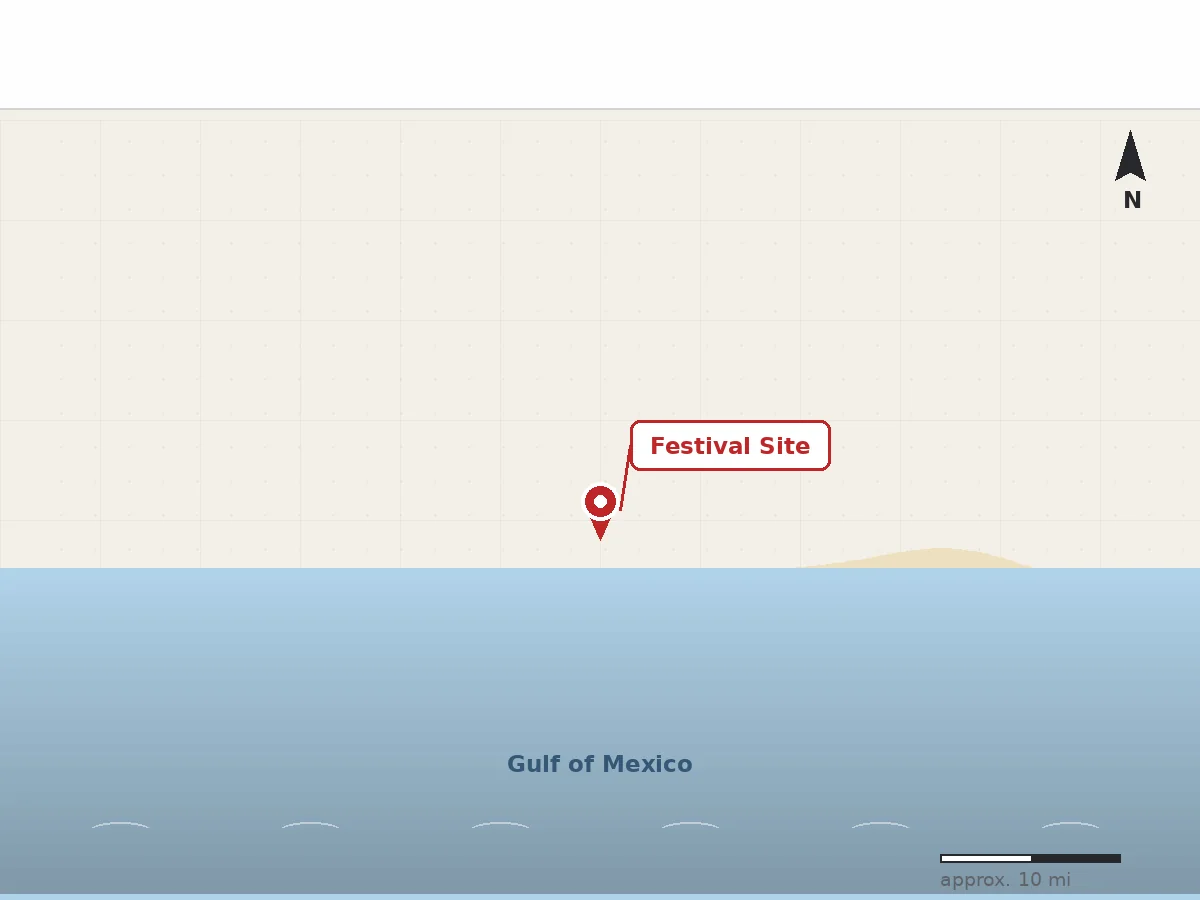
The Wilson County Fair takes place in the Fredonia area of Wilson County, in southeast Kansas, roughly between Wichita to the west and the Oklahoma line to the south.
Wilson County Fair Questions First-Timers Ask
Do I need to buy tickets ahead of time?
Generally no. Admission to the fairgrounds is typically free, and you pay as you go for food, rides, and any grandstand event with its own ticket. If a specific concert or derby is your main reason for coming, check the schedule and buy early if advance sales are offered.
When should I arrive?
Arrive in the late afternoon if you want the full sweep — exhibit hall, food, and evening entertainment in one visit. Arrive in the morning if livestock shows are your priority, since that is when the barns are busiest and the crowds are smallest.
Is the fair good for young children?
Yes, with a caveat about the heat. The carnival, small-animal barn, and food stands are all child-friendly, and the grounds are flat and walkable. Plan around the hottest part of the afternoon and bring a stroller or wagon for tired legs.
How do I find out what is happening on a given day?
Schedules change year to year, so check local sources before you go — community bulletin boards, local news outlets, and the fair’s own listings. Grandstand events in particular are worth confirming, since they often require a separate ticket and a specific arrival time.
Looking Ahead: The Fair’s Next Chapters in Wilson County
County fairs everywhere are working out how to stay relevant to a generation with more entertainment options and less free time. Wilson County’s advantage is that its fair is already doing the things that keep people coming: livestock, exhibits, food, and a midway, all in a place where everyone knows everyone.
Expect the format to evolve — more online entries, card readers at more stands, different entertainment — without much change to the essentials. The ribbons will still go up on the same walls, and the same families will still walk the aisles looking for their names.
Last updated: October 2026
If you have never been, pick a late-summer weekend, drive to Fredonia, park on the grass, and start in the exhibit hall. Everything else at the Wilson County Fair follows naturally from there.