Wichita County Kansas Wichita County Fair Festival
Fair week begins before sunrise in Wichita County. The Whitaker family loads a pickup in the dark — a cooler wedged behind the seat, a foil-covered pie balanced on a folded blanket, a goat haltered in the trailer — and points the truck toward Leoti, the county seat, where the pavement meets the fairgrounds and half the county’s calendars empty at once.
Their day has a shape they know by heart: barn check first, then the exhibit hall, then whatever the grandstand offers after dark. In a county of 719 square miles and 2,152 people, fair week is the one stretch when the distance between neighbors collapses into a few acres of gravel, grass, and floodlights.
Wichita County Fair Essentials for a Leoti Weekend
| Festival | Wichita County Fair |
| Town / area | The Wichita County area, centered on Leoti |
| County | Wichita County, Kansas |
| County seat | Leoti |
| Population | 2,152 (2020 census) |
| Region | High Plains of western Kansas |
| Typical timing | Summer, across a multi-day run during fair season |
| Admission | Generally free to the grounds; individual activities and concessions priced separately |
| Setting | County fairgrounds on open prairie, minutes from downtown Leoti |
| Signature features | Livestock shows, 4-H and open-class exhibits, home arts, midway rides, grandstand events |
A County Fair Built for a 719-Square-Mile Neighborhood
The Wichita County Fair is the annual county fair for Wichita County, Kansas, and it belongs to Leoti the way the courthouse square does. It is not a destination festival with gates and wristbands at every turn; it is a working county fair where the entries on the tables were baked that morning and the animals in the barns were raised by kids who live a half-hour drive apart.
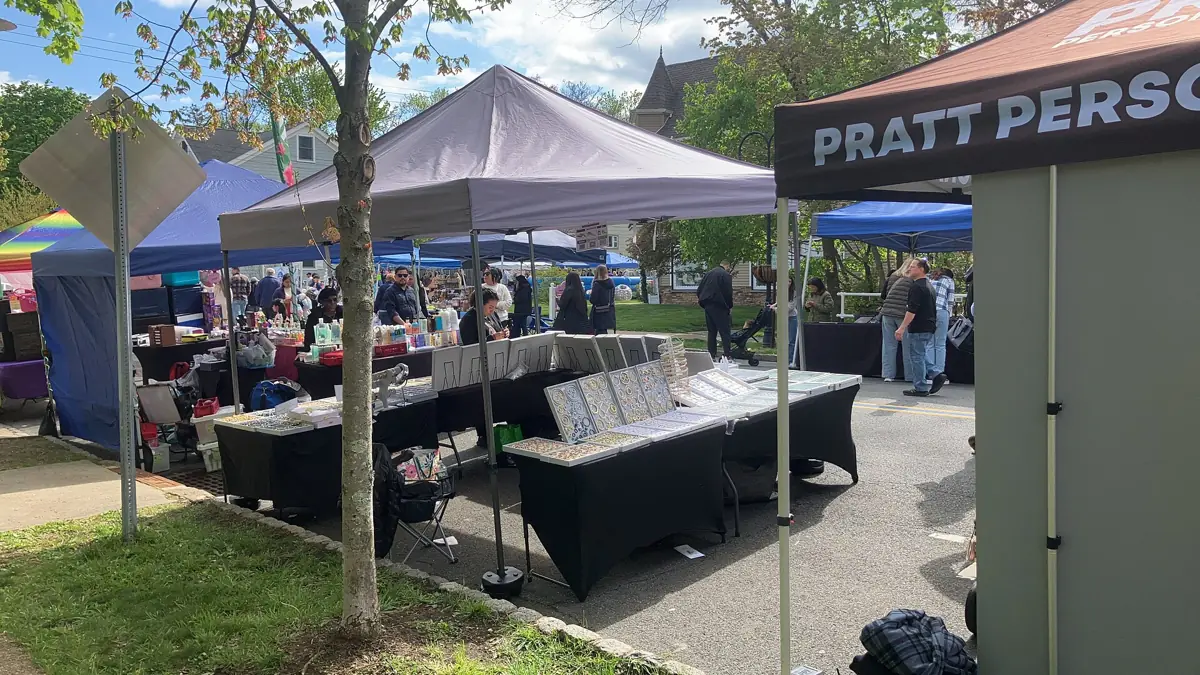
Expect the classic architecture of a Kansas fair: a barn complex that smells of shavings and feed, an exhibit hall lined with quilts, canned goods, photographs, and vegetables, a midway that hums after dusk, and a grandstand that fills when something loud is scheduled. Admission to the grounds is typically free, with money changing hands for rides, food, raffles, and the occasional grandstand event.
Because the county is vast and thinly settled, the fair functions as a reunion as much as a carnival. Families who haven’t crossed paths since the last harvest stand in line together for lemonade. That social gravity is the real draw — the rides are a bonus.
For another look at how a community turns its own traditions into a gathering, see the Webster County Iowa Webster County Fair Festival for a useful comparison.
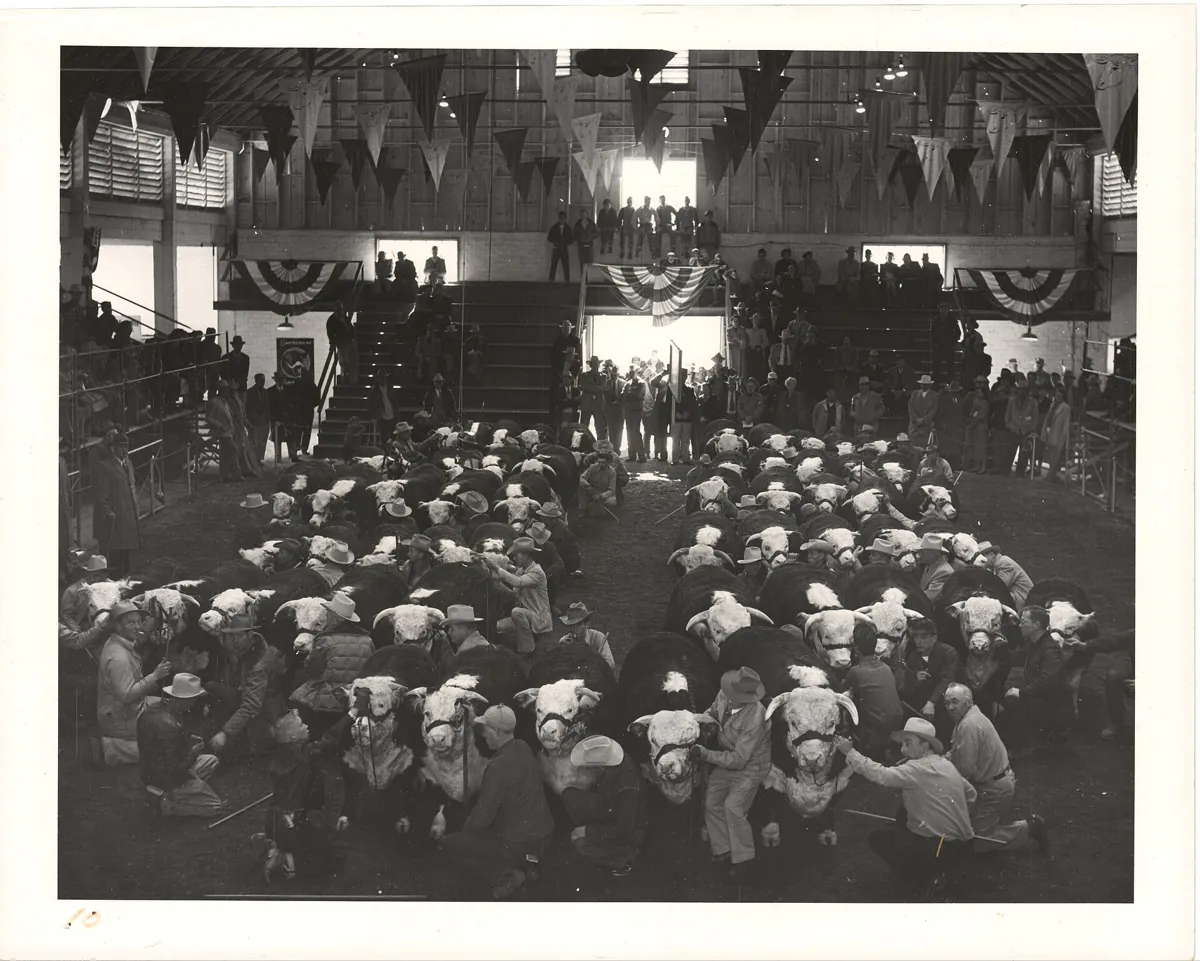
From a Christmas Eve Founding in 1886 to Fair Week
Wichita County was founded on December 24, 1886, carved out of the high plains at a time when homesteaders were proving up claims and small railroad towns were betting on themselves. Leoti became the county seat, and around it grew the ranches, wheat fields, and feedlots that still define the landscape.
County fairs arrived in this part of Kansas as a practical ritual: a place to compare seed, trade stock, show off a season’s work, and let children compete with something at stake. That impulse never left. The fairgrounds became the county’s shared front porch, and the annual fair became the week when the whole 719 square miles agreed on a single meeting place.
Generations later, the format has barely changed in spirit. A child who shows a goat in Leoti today is doing what a great-grandparent did on the same grounds — just with better trailers and worse weather luck.
Inside Fair Week: Barns, Fryers, and Grandstand Nights
Fair days here run long and loose. Mornings belong to exhibitors, afternoons to families with strollers, evenings to teenagers and anyone who came for the grandstand. Plan on walking a lot on grass and gravel, and plan on running into someone you know.
Food: Fry Bread, Bierocks, and Pie by the Slice
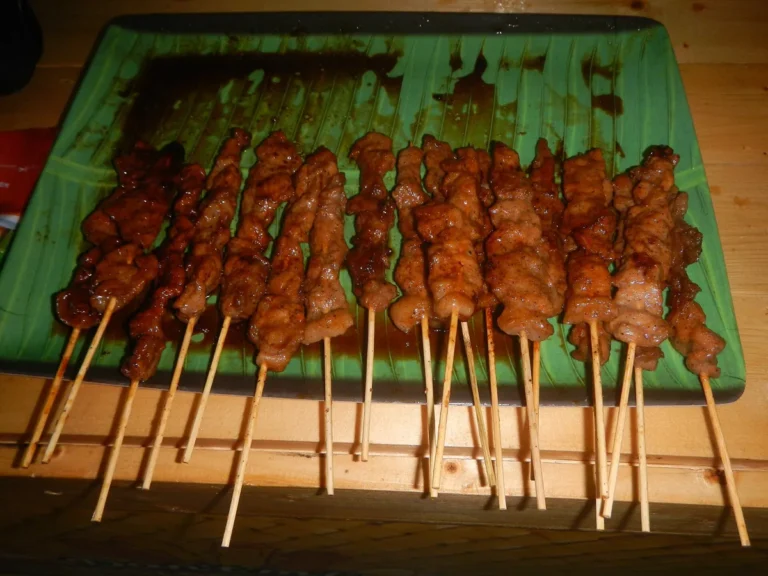
Fair food in western Kansas is unpretentious and enormous. Expect the standard midway lineup — corn dogs, funnel cakes, nachos, cotton candy — alongside booths run by local groups selling bierocks, walking tacos, pulled pork, and homemade pie. Church and civic stands are often the best value on the grounds.
Bring cash for the small stands. Lines move fastest in the late afternoon lull, right before the evening crowd arrives and the grill smoke thickens.
Music and Grandstand Entertainment Under a Wide Sky
Evenings bring the loudest hours. Grandstand programming at a fair this size usually leans on local and regional talent — country and rock cover bands, dance groups, tractor pulls, demolition events, and the kind of show that draws a full set of bleachers because everyone in the county knows someone involved.
Sound carries across open prairie, so even visitors standing near the barns catch most of the set. Bring a jacket; the temperature drops fast once the sun is down.
Family Activities from the Barns to the Midway
The kid-friendly core of the fair is the livestock barn, and it is genuinely open to the public. Watching a nine-year-old coax a stubborn lamb around a ring is free entertainment with real stakes. Petting areas, exhibit hall scavenger hunts, and craft displays keep younger children busy between rides.
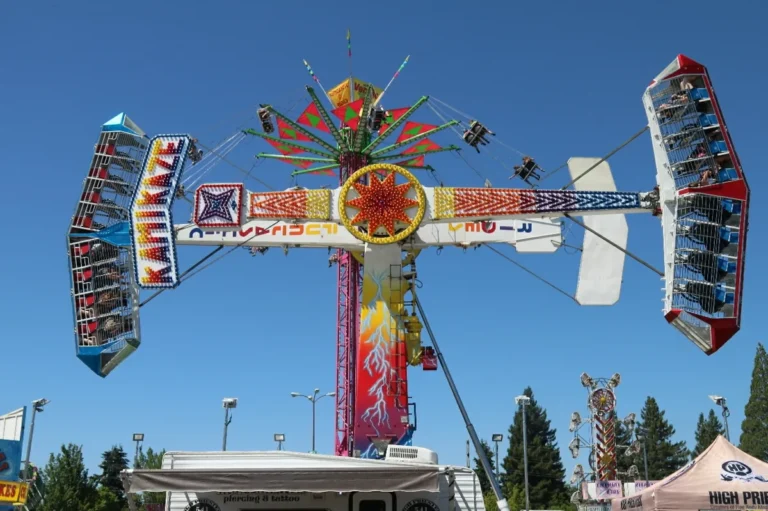
The midway handles the rest: spinning, flashing, and priced per ride or by wristband depending on the year. Stroller-friendly paths exist but the ground is uneven, so wagons with big wheels beat compact strollers here.
Planning the Trip to Leoti and Wichita County
Wichita County is remote even by Kansas standards, which is exactly why a fair week here feels like an event rather than a stop. A little planning goes a long way.
Getting There Across the High Plains
Leoti sits in the western part of the state, connected to neighboring county seats by long, flat highways with wide shoulders and few stops. Drivers coming from the east pass through Scott City; drivers from the west come in past Tribune. Fill the tank before the final stretch — services thin out considerably once you leave the larger towns.
Where to Stay Around Wichita County
Lodging in Leoti is limited to small local motels, and fair week fills them early. Many families base themselves in larger regional towns within driving distance, or stay with relatives on a farm. If you are coming from out of state, book well ahead and treat the drive in as part of the experience.
Parking Near the Fairgrounds
Parking is generally on-site or on nearby streets and is usually free, though the lots fill fast on grandstand nights. Arrive before the evening rush or accept a short walk. Keep an eye out for livestock trailers maneuvering — they have the right of way in practice, if not in writing.
Admission, Wristbands, and What Cash Buys
Entry to the fairgrounds is typically free, which makes the fair an easy stop for a family on a budget. Costs add up at the ride tickets, the food stands, and any ticketed grandstand show. Carry small bills, since some booths and raffles still run on cash.
Western Kansas Weather and How to Dress
Summer here means hot afternoons, strong wind, and the real possibility of a sudden thunderstorm rolling in off the plains. Wear a hat, bring sunscreen, and pack a light rain layer. Evenings cool off sharply, so a sweatshirt in the truck is never wasted.
A Sample Fair Weekend for the Whitakers
Their Saturday starts early because the goat does not care that it is a weekend. Barn check and feeding, then a walk through the exhibit hall while the entries are still being judged. Mid-morning is the livestock show, which means bleacher sitting, clipboard watching, and a ribbon either way.
Lunch comes from a civic booth — bierocks and lemonade — followed by an afternoon of midway rides while the heat peaks. The youngest naps in a wagon under a shade tent. Late afternoon is for the pie slice, the raffle tickets, and catching up with neighbors in folding chairs.
Evening brings the grandstand, a jacket, and a slow walk back to the truck after dark with dust on everyone’s boots. Sunday is quieter: a late breakfast, one last barn visit, and the drive home across the flat, darkening prairie.
How the Wichita County Fair Compares Nearby
Neighboring county seats run their own fairs in the same summer window, and families here often pick two or three. Scott City, to the east, is the largest nearby hub and offers more commercial bustle. Syracuse, to the southwest, keeps a smaller, tighter feel. Garden City, farther east, brings a bigger-city scale with more lodging and dining.
What sets Leoti’s fair apart is intimacy. With a county population of 2,152, the fair is small enough that the same faces appear at the pie table, the bleachers, and the barn aisle. If you want a fair where you can learn three names in an afternoon, this is the one.
Fair-Week Packing and Prep for Western Kansas
Bring a wide-brimmed hat, sunscreen, refillable water bottles, a light rain jacket, and a sweatshirt for after dark. Wear closed-toe shoes you don’t mind getting dusty, and bring a wagon rather than a compact stroller for kids. Cash in small bills covers booths, raffles, and ride tickets.
Before you go, check the local fair schedule for that year’s grandstand lineup, confirm motel availability, and plan your fuel stops. Charge your phone, but expect spotty signal in the countryside — and treat that as part of the appeal.
Beyond the Fairgrounds in Wichita County
Leoti rewards a slow hour or two. The downtown blocks around the courthouse hold the everyday rhythm of a county seat — a café, a hardware store, a grocery where half the shoppers know the cashier by name. It is the kind of town where a visitor is noticed and welcomed in the same breath.
Out past the city limits, the county opens into wheat fields, pasture, and horizon in every direction. Sunset on the high plains is the local attraction nobody charges for. Drive a few miles out, pull over safely, and watch the sky do something theatrical.
What Fair Week Means to a County of 2,152
In a place this size, institutions survive on volunteer hours. The fair exists because people who spent all day in a field or an office show up afterward to run a booth, judge a category, or haul bleachers. That labor is the fair’s actual budget, and it is renewed every year.
For kids, the fair is the first place they learn to speak in public, handle an animal, lose gracefully, and win in front of neighbors. For adults, it is a yearly accounting of who grew, who moved back, and who is doing better than last season. That is a lot of weight for a midway to carry, and it carries it anyway.
Leoti Is the Compass Point for Fair Week
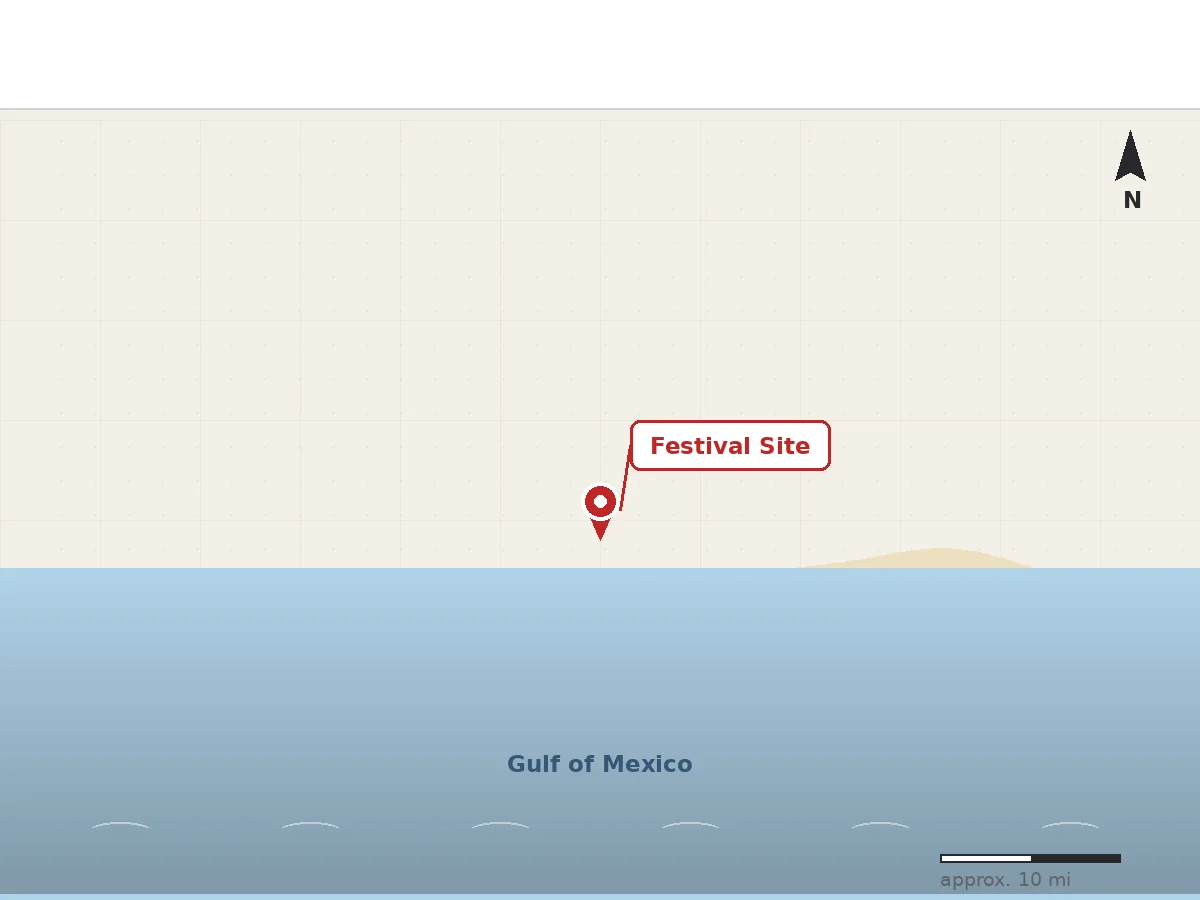
The Wichita County Fair takes place in and around Leoti, the county seat of Wichita County, Kansas, on the high plains of the state’s western edge.
Straight Answers for First-Time Fairgoers in Leoti
Is the Wichita County Fair free to attend?
Entry to the fairgrounds is generally free, which is typical for county fairs in this part of Kansas. You will pay separately for rides, food, raffle tickets, and any ticketed grandstand show, so bring cash for the small stands.
When does the fair usually take place?
The fair is held each summer across a multi-day run, in keeping with the Kansas county fair season. Because the exact dates shift from year to year, check the current schedule before you plan travel or book a room.
Can kids and grandparents enjoy the same day?
Yes, and that is the point. The barns, exhibit hall, and food stands are comfortable for all ages, with seating scattered around the grounds. Evenings get loud at the grandstand, so families with young children often come early and leave before the noise peaks.
How far is Leoti from larger towns?
Leoti is a long drive from any major city, which is part of its character. Nearby county seats such as Scott City, Syracuse, and Tribune are the closest practical stops for fuel, groceries, and additional lodging. Plan your route and your tank accordingly.
The Next Chapter for the Wichita County Fair
The fair’s future looks like its past: volunteers, exhibitors, and families who keep showing up. Younger families moving into the county bring new energy to the barns and the exhibit hall, while longtime hands keep the traditions steady. The balance between those two forces is what keeps a fair alive.
Expect the essentials to remain — livestock, home arts, food stands, and a grandstand that fills after dark. In a county founded on December 24, 1886, and still measuring itself in harvests rather than headlines, a week like this is not nostalgia. It is infrastructure.
Last updated: October 2026
If you go, go for the whole day rather than an hour. Fair week in Wichita County rewards the people who stay long enough to see the barns quiet down, the lights come on, and the same families who waved at you that morning wave again on their way to the truck.