Webster County Iowa Webster County Fair Festival
The Webster County Fair is one of those Iowa summer events that rewards a little planning. It is a county-scale fair in a county of 36,999 people, which means the pace stays relaxed, the lines are shorter than at a state fair, and the people running the livestock barns are often the same families showing animals in them. What follows is the practical version of everything worth confirming before you load the car.
Webster County Fair Basics: What to Know Before You Drive Out
| Town / area | Webster County area, Iowa |
| County | Webster County |
| County seat | Fort Dodge |
| Population | 36,999 (2020 census) |
| Region | Webster County, Iowa, with Fort Dodge as the hub |
| Typical timing | Summer, most often July |
| Admission | Generally free at the gate; rides, food, and grandstand events priced separately |
| Setting | Open-air fairgrounds in the Webster County countryside |
| Features | Livestock and 4-H exhibits, midway rides, grandstand shows, fair food |
| Organizer | Volunteer county fair board |
Fair details shift a little from season to season — a different grandstand act, a reworked vendor row, a new carnival operator. Treat the table above as the shape of the event rather than a fixed schedule, and confirm the current year’s specifics through local listings as your visit gets closer.
What the Webster County Fair Actually Is
The Webster County Fair is a traditional county agricultural fair staged in the Webster County area of Iowa. Webster County was founded in 1851 and named for Daniel Webster, and its county seat is Fort Dodge, which is also the most practical base for anyone arriving from outside the region. With 36,999 residents spread across 718 square miles, the county is rural enough that the fair functions as a genuine annual reunion rather than a packaged tourist attraction.
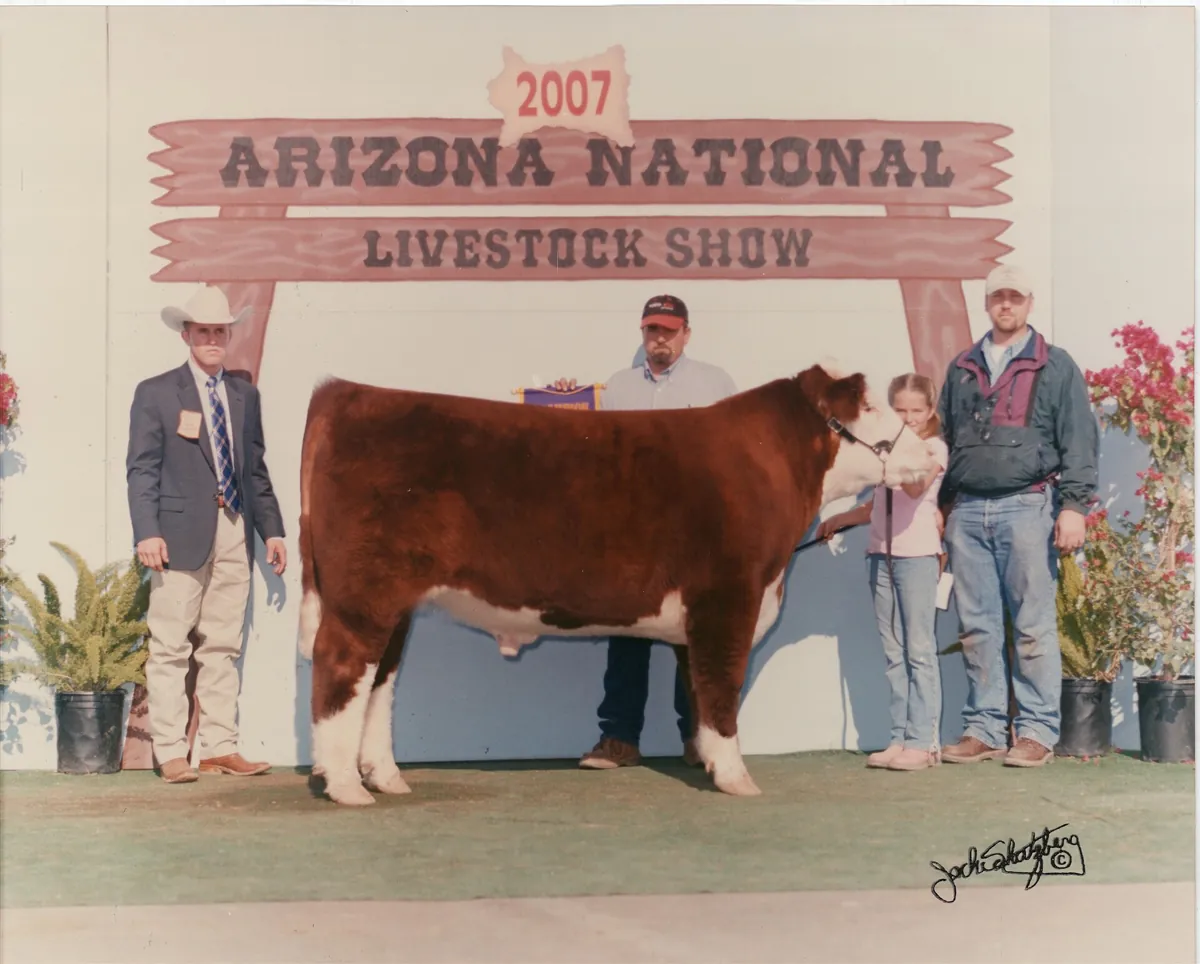
The program follows the classic county fair pattern. Livestock shows and static exhibits dominate the daylight hours, with 4-H and open-class entries competing for ribbons. A midway supplies rides and games, food stands line the walkways, and the grandstand anchors the evenings. If you have been to county fairs elsewhere in the Midwest, the outline will feel familiar — what changes is the particular flavor of a Webster County crowd.
From an 1851 County to a Summer Fair Tradition
The story of the fair starts with the county itself. Webster County was established in 1851 and named for Daniel Webster, the Massachusetts statesman and orator. Fort Dodge became the county seat, and the surrounding 718 square miles of prairie and farmland settled into the grain-and-livestock economy that defined most of Iowa through the nineteenth and twentieth centuries.
For another look at how a community turns its own traditions into a gathering, see the Wayne County Iowa Wayne County Fair Festival for a useful comparison.
County fairs grew out of that economy. They began as places where farmers could compare seed, stock, and equipment, and where rural families could gather at the one point in the year when the work allowed it. Over the decades the educational purpose widened into entertainment — carnival rides, grandstand shows, competitions of every kind — while the agricultural core stayed intact. The Webster County Fair carries that same dual identity today: a working showcase for local agriculture and a summer celebration the wider community plans its calendar around.
What a Fair Day in Webster County Looks Like
A fair day here has a rhythm. Mornings belong to the barns, afternoons to families and exhibit halls, evenings to the grandstand and the midway lights. Knowing that shape helps you decide where to be and when.
Fair Food: Funnel Cakes, Pork Producers, and Church Stands
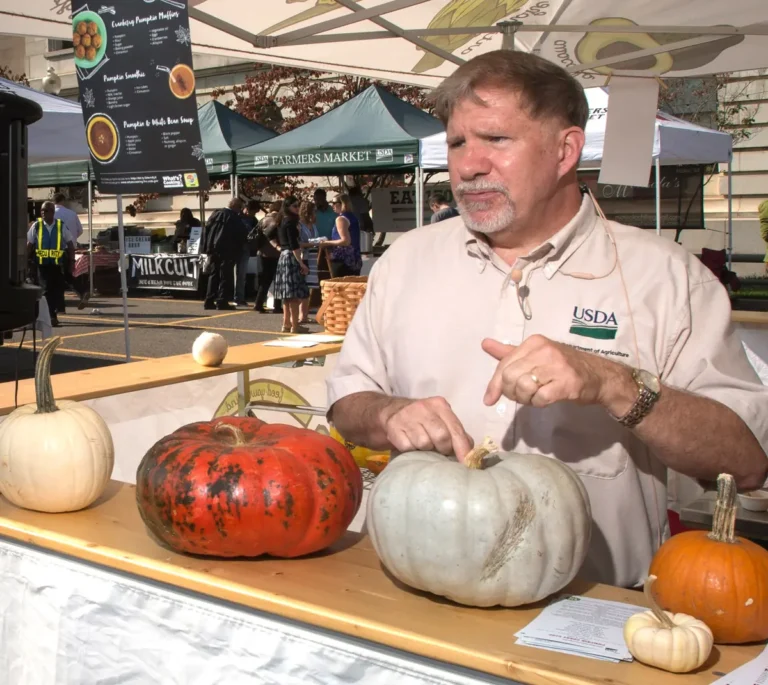
Food is half the reason people come. Expect the standard lineup done well: corn dogs, funnel cakes, pork sandwiches, hand-dipped ice cream, lemonade, and whatever deep-fried experiment turns up this year. Local church groups, service clubs, and 4-H clubs often run stands of their own, and that is where you find the best value and the most regional cooking — walking tacos, pie by the slice, breakfast burritos early in the day. Bring cash for the smaller stands; card readers are more common than they once were, but not universal.
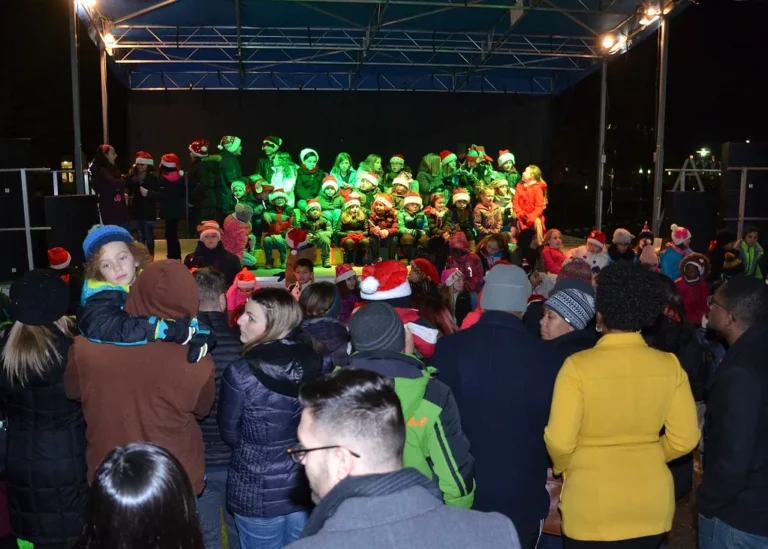
Grandstand Nights, Local Bands, and Hometown Contests
Grandstand programming usually carries the evenings, with a mix of music, motorsport-style events, and family entertainment depending on the year. Local and regional bands often play earlier, and there is typically a contest or two — a talent show, a tractor pull, a fair queen competition — that draws a hometown crowd. Beyond the grandstand, expect strolling entertainment, bingo, and the ambient noise of the midway. Lineups change annually, so check the current schedule rather than assuming last season’s acts will return.
Family Activities That Carry the Afternoon
This is an easy fair to bring kids to. Petting areas, livestock barns, and small-animal exhibits tend to hold attention longer than the rides do, and many families split the day between the two. Look for kids’ pedal pulls, craft and coloring contests, and hands-on agricultural displays. Strollers handle the grounds reasonably well, though barn aisles get tight during judging. Grandparents gravitate toward the exhibit halls and food stands, which makes this a fair that works across three generations at once.
Getting to the Webster County Fair and Making the Trip Easy
Driving Into the Webster County Area
The fair sits within the Webster County area, with Fort Dodge as the county seat and the natural waypoint. Most visitors arrive by car; the county’s road network makes the trip straightforward from anywhere in the region, and the drive through surrounding farmland is part of the experience. Coming from out of state, Fort Dodge is the practical arrival point, and the grounds are a short drive from there.
Where to Sleep Near Fort Dodge
Fort Dodge holds the county’s largest concentration of lodging, from national chain motels to smaller independent options, and it is where most out-of-town fairgoers base themselves. Because fair weekends fill rooms quickly in a county this size, book early once the season’s timing is announced. Campers and RV owners sometimes stay at nearby campgrounds; if that is your plan, confirm availability well in advance.
Parking Around the Grounds
Parking is typically on-site or in adjacent grass lots, with volunteers directing traffic during peak hours. Arrive before the evening grandstand if you want a spot close to the gate, and expect a short walk if you come later. Wear shoes you do not mind getting dusty — Iowa fairgrounds in summer are usually dry, but a passing storm can turn a grass lot muddy fast.
What a Fair Day Actually Costs
Gate admission to a county fair like this is generally free, with costs concentrated in what you choose to do inside: ride tickets or wristbands, food, games, and grandstand events. Set a rough budget per person for food and rides and you will rarely be surprised. Many families find a wristband cheaper than individual ride tickets if kids plan to ride for hours.
Iowa Weather and What to Wear
Expect real summer weather: warm, humid days, cooler evenings, and the chance of an afternoon thunderstorm. Dress in light layers, bring sunscreen and a hat, and keep a rain jacket in the car rather than carrying it all day. The most comfortable window is usually late afternoon into evening, when the heat breaks and the fair lights come on.
A Sample Webster County Fair Weekend
A weekend at the fair does not need a minute-by-minute plan, but a loose structure helps.
Friday evening: arrive in the late afternoon, walk the barns while they are still busy, and eat dinner from the stands before the grandstand event begins. This is the best night for first impressions and the easiest for photos.
Saturday: come early for livestock shows and exhibit halls, when judging is underway and the barns are at their liveliest. Spend the hot middle of the day indoors with the exhibits and the food, then return to the midway as it cools off. Saturday evening is the biggest of the fair — plan to stay for the grandstand and any fireworks on the program.
Sunday: the final day tends to be quieter and more family-focused. Catch whatever you missed, buy from the 4-H and vendor stands, and leave time for a slow loop through the grounds before everything wraps up.
How the Webster County Fair Compares Nearby
The obvious comparison is the Iowa State Fair in Des Moines, which is larger in every dimension — more food, more music, more walking — and also more crowded and more expensive. The Webster County Fair trades scale for comfort: you can see the whole thing in a day and still talk to the people who raised the animals you are looking at.
Closer to home, neighboring county fairs across the region deliver a similar experience with their own local character, and Fort Dodge’s own summer events fill in the calendar around them. Choosing between a county fair and a town celebration usually comes down to priorities: fairs win on livestock, exhibits, and grandstand programming, while town festivals win on street food and downtown atmosphere.
Webster County Fair Packing and Prep List
| Bring | Why it helps |
| Sunscreen and a hat | Shade is limited on the midway and in the barns |
| Cash in small bills | Not every stand takes cards |
| Closed-toe shoes | Gravel, grass, and livestock areas |
| Refillable water bottle | Summer heat adds up fast |
| Light rain jacket in the car | Afternoon storms move through quickly |
| Charged phone or camera | Photos of exhibits and grandstand nights |
| A set meeting point | Easy to lose your group in the evening crowd |
| A ride budget for kids | Wristbands or tickets, decided before you arrive |
Beyond the Fairgrounds in Webster County
Fort Dodge, the county seat, is worth a half-day on its own — it holds the county’s densest cluster of restaurants, shops, and services, and it is where you will find most of the lodging. The rest of Webster County spreads across 718 square miles of farmland, small towns, and rural roads that make for an easy, unhurried drive.
If you are extending the trip, build in time for a slow loop through the countryside, a stop at a local diner, and a look at the town squares that anchor the smaller communities. A county fair is a good excuse to see a part of Iowa most travelers pass by without noticing.
Why the Fair Still Anchors Rural Webster County
With 36,999 residents spread across the county, the Webster County Fair is one of the few events that pulls the whole area into one place at one time. It is where 4-H members learn to present their work, where farm families compare notes, and where kids from Fort Dodge and the surrounding towns meet up before the school year starts again.
That matters more than it might sound. County fairs remain one of the last institutions that mix generations, occupations, and townships without much ceremony. The fair’s continued existence depends on volunteers, exhibitors, and vendors who show up year after year — exactly the kind of participation that keeps a rural county connected.
Where the Webster County Fair Sits in Iowa
The Webster County Fair takes place in the Webster County area of Iowa, with Fort Dodge serving as the county seat and the most convenient hub for visitors coming from outside the region.
Practical Answers for First-Time Fairgoers in Webster County
When is the Webster County Fair usually held?
It is a summer fair, typically staged in July, with the bulk of the activity packed into a single weekend. Because the exact timing shifts each year, confirm it through local listings and county announcements rather than relying on last season’s calendar. Weekday evenings run quieter; the weekend brings the biggest crowds and the fullest grandstand schedule.
How much does it cost to attend?
Gate admission is generally free, and you pay as you go once inside — ride tickets or wristbands, food, games, and grandstand events. Budget a little extra for raffle tickets, 4-H sales, and parking in some years. Families usually find the total lower than a trip to a larger state fair.
Is the fair a good outing for young children?
Yes. The barns, petting areas, and small-animal exhibits are the usual highlights for younger kids, and the midway is easy to navigate. Bring a stroller if you have one, plan around the hottest part of the afternoon, and set a meeting point in case anyone gets separated in the evening crowd.
Where should out-of-town visitors stay?
Fort Dodge, the Webster County seat, has the widest choice of lodging and is a short drive from the fairgrounds. Book early — a county of 36,999 people does not have unlimited rooms, and fair weekends fill up. Campers should confirm nearby campground availability well before the season begins.
The Seasons Ahead for the Webster County Fair
County fairs do not stand still. They adjust to what audiences want — more evening entertainment, different carnival operators, new food vendors, expanded youth programs — while holding onto the livestock shows and exhibits that justify the whole enterprise. The Webster County Fair will keep making those adjustments in the seasons ahead, as it has since the county’s early years.
For visitors, the practical takeaway is simple: check the current schedule, plan around the weather, and come ready to spend an evening on the grounds. That formula has worked for generations in Webster County.
Last updated: October 2026
The Webster County Fair is not trying to be the biggest event in Iowa, and that is precisely its appeal. It is a few days each summer when Fort Dodge and the surrounding towns turn out for livestock, food, music, and neighbors — and for a visitor, that makes for a genuinely good weekend. Go once and you will understand why the county keeps coming back.

One Comment