Floyd County Indiana 4-H Fair Festival
New Albany has been the seat of Floyd County since 1819, and from its riverfront streets the county unfolds into one of the tightest-knit corners of southern Indiana — 148.96 square miles of farmland, small towns, and neighborhoods pressed close to the Ohio River. In a county that compact, traditions do not drift away. They get handed down. Few are handed down as dependably as the Floyd County Indiana 4-H Fair, the summer gathering that pulls farm families, town families, grandparents, and neighbors into the same few acres for a few days each year.
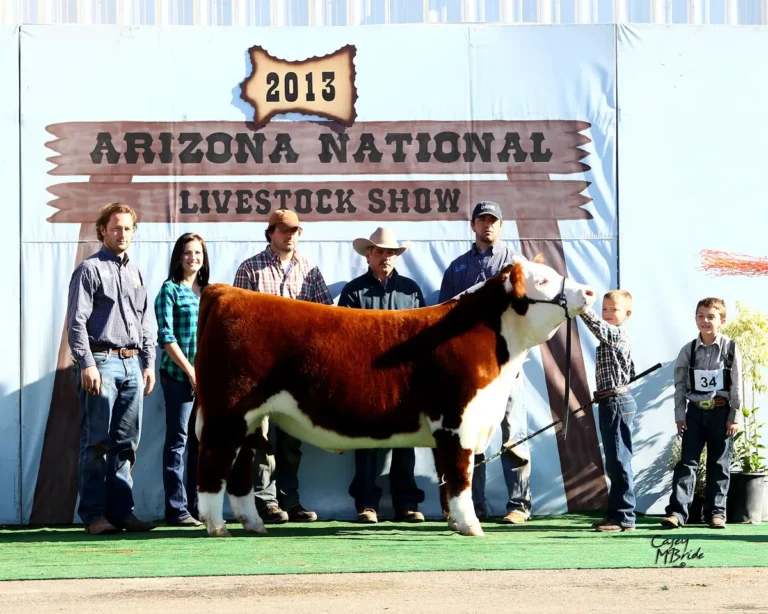
The fair is a county fair in the oldest sense of the phrase: part livestock show, part school project come to life, part carnival, part reunion. Ribbons matter here. So do funnel cakes, hog pens, bake sales, and the quiet drama of a judge walking a row of cages. For anyone who grew up in Floyd County, the sound of a show barn on a warm evening is a memory with a season attached to it.
Key Details About the Floyd County 4-H Fair and Its Home County
A quick orientation to the fair, the county that hosts it, and what a visitor can reasonably expect.
| Town / area | Floyd County, Indiana, in the Ohio River valley around New Albany |
| County | Floyd County, Indiana |
| County seat | New Albany |
| County founded | 1819 |
| Land area | 148.96 square miles |
| Population | A compact county: New Albany plus Floyd County’s smaller communities and rural townships |
| Typical timing | Summer, during the traditional 4-H fair season, usually across several consecutive days |
| Admission | Typically free to enter; concessions, rides, and some activities charge their own prices |
| Setting and signature features | County fairgrounds with exhibit halls, show rings, barns, and open-air space — 4-H livestock shows, project exhibits, judging, fair food, evening entertainment, family activities |
| Organizer | Local 4-H volunteers and county 4-H program leadership |
What the Floyd County 4-H Fair Actually Is
Strip away the carnival lights and the fair is, at its core, a youth development event with a midway attached. 4-H members from across the county spend months on projects — a market hog, a dairy calf, a photography portfolio, a woodworking piece, a garden basket, a sewing garment — and the fair is where that work gets judged, displayed, and talked about in public. The fairground ends up doubling as a classroom, a reunion hall, and a stage.
Clubs draw members from New Albany and from the smaller communities and rural townships scattered across Floyd County’s 148.96 square miles. Volunteers carry much of what visitors see: staffing barns, checking in entries, keeping show rings on schedule, and running the food stands that help fund the program year after year. Many of them showed at this same fair when they were kids. For visitors with no 4-H connection at all, it still works — walk the barns, watch a showmanship class, browse the project hall, eat something fried, and let the kids ride until the light goes soft.
For another look at how a community turns its own traditions into a gathering, see the Fayette County Iowa Fayette County Fair Festival for a useful comparison.
From an 1819 County to a Summer Institution
Floyd County was founded in 1819 with New Albany as its seat, and for most of its first century the county’s life ran on the Ohio River, the mills and quarries that grew along it, and the farmland stretching north of town. Fairs and market days were part of how that world did business and how neighbors kept track of one another. A county this small — 148.96 square miles — has always depended on gathering.
The 4-H idea arrived in the early 1900s, when rural youth programs such as corn clubs and canning clubs evolved into organized clubs under the 4-H name. County fairs became the natural showcase for that work. What began as a handful of entries in a school room or a barn aisle gradually grew into a multi-day run of shows, exhibits, and contests that anchored the summer calendar.
Over the decades the fair broadened. Livestock and crops stayed central, but project categories expanded into photography, foods, sewing, engineering, and public speaking — the same shift that reshaped 4-H nationally. The fairgrounds themselves became county infrastructure, used for other events through the year and remembered by generations as the place where they first learned to handle an animal, speak to a judge, or lose gracefully.
What a Fair Day in Floyd County Feels Like
Fair week has a rhythm. Mornings belong to exhibitors and judges, afternoons to families with small children, and evenings to everyone at once — barns lit up, grills going, the midway buzzing, and the grandstand program pulling a crowd. Arrive at different hours and you get three different fairs.
Fair Food, From Concession Row to the 4-H Booths
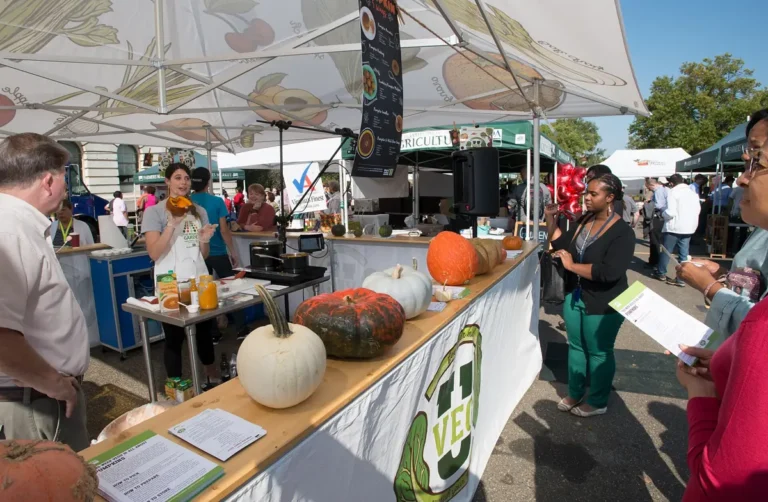
Food is the great equalizer at any Indiana county fair, and Floyd County is no exception. Expect the classics: breaded tenderloins, corn dogs, funnel cakes, lemon shake-ups, ice cream, and cold drinks by the gallon. Club-run booths add a homegrown layer — pies, cakes, and whatever the local organizations are known for. Prices vary by vendor, and cash still moves fastest at smaller stands, though card acceptance has spread widely.
Music, Demonstrations, and Evening Entertainment
The lineup changes from year to year, but the shape of it stays familiar: live music, grandstand events, demonstrations, and 4-H contests that double as entertainment. Showmanship classes, livestock auctions, and project awards all draw spectators who have no stake in the outcome. Because schedules shift annually, check the current fair program before you plan an evening around a specific event.
Family Activities, Animals, and Hands-On Projects
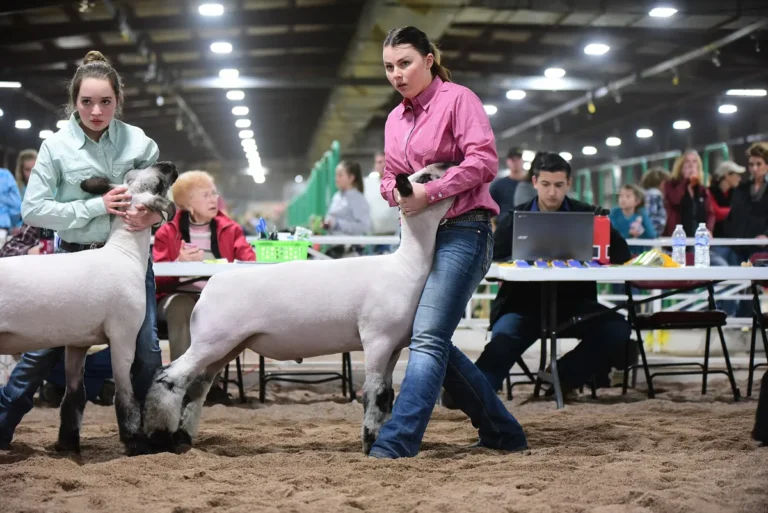
Children gravitate to the animals first — rabbits, poultry, goats, sheep, swine, and cattle, often with exhibitors happy to answer questions. The project hall is the sleeper attraction: photography, crafts, baking, and garden displays that show what local kids actually made. Rides and games round out the midway, and many families simply park a blanket near a show ring and let the afternoon drift.
Planning a Fair Visit in Floyd County
A little preparation makes a summer fair day far more comfortable, especially with kids in tow or a long drive involved.
Getting to the Fairgrounds from New Albany and Beyond
New Albany is the county seat and the easiest reference point for out-of-town visitors. Most people arrive by car, and the drive from within Floyd County is short. Travelers coming from the wider Louisville area cross the Ohio River and head into southern Indiana; from there, local roads lead toward the fairgrounds. Follow posted fair signage rather than a memorized route, since entrances and traffic patterns can change during peak evenings.
Where to Stay in and Around Floyd County
Lodging clusters around New Albany and the river corridor, with additional options a short drive away. Fair week overlaps with other summer travel, so booking early is wise if you are coming from out of town. Campers and trailer-towing families should confirm hookup and parking policies directly with the property before arrival.
Parking on a Busy Fair Night
Fairground parking is usually a mix of paved lots and grass fields, staffed by volunteers who direct traffic. Evenings and weekend afternoons fill fastest, so arriving before the dinner rush buys you a shorter walk. Keep an eye on weather: after heavy rain, grass parking can get soft, and a vehicle with decent clearance is a comfort.
Admission, Costs, and Where the Money Goes
Admission to a county 4-H fair is typically free, with costs concentrated in concessions, rides, games, and occasional special events. Money spent at club food stands often supports the youth programs themselves, which is part of why so many locals treat fair food as a contribution rather than an expense.
Summer Heat, Storms, and What to Wear
Southern Indiana summers run hot and humid, with afternoon thunderstorms that can build quickly and pass just as fast. Dress for the heat, wear shoes you can walk in across gravel and grass, and bring water. Barns and exhibit halls offer shade and shelter, so a downpour rarely ends a fair visit — it just relocates it.
A Sample Weekend at the Floyd County 4-H Fair
Friday afternoon. Arrive before the dinner crowd, walk the barns while animals are still being groomed, and let the kids get close to the pens. Grab an early supper from a club stand and stake out a seat near the show ring.
Friday evening. This is the fair at full volume. Livestock classes, midway lights, live entertainment, and long lines at the popular food trailers. Stay for the last show of the night, then walk the grounds once more as things quiet down.
Saturday morning. Come early for judging and demonstrations. The project hall is calm and uncrowded, and exhibitors are often available to talk about what they made or raised.
Saturday afternoon and evening. Rides, games, and the grandstand program. Families with younger children often split the day — a midday break for air conditioning, then a return for the evening events and one last funnel cake.
Sunday. A quieter, friendlier pace. Awards, cleanup, and the last chance to see the exhibits before the barns empty out for another year.
Floyd County’s Fair Beside Nearby Celebrations
Floyd County sits in a crowded festival region, and each neighbor does something different. New Albany’s Harvest Homecoming, held each autumn, takes over the downtown streets with a parade, food booths, and a decidedly urban street-festival feel — bigger crowds, different season, no livestock.
The Kentucky State Fair, across the river in Louisville, is a large-scale event with indoor exhibitions, big-name entertainment, and a statewide footprint. It is a spectacle rather than a neighborhood gathering. Neighboring southern Indiana county 4-H fairs offer the closest comparison to Floyd’s — similar rhythms, similar barns, similar volunteer energy — but each carries its own local flavor. What sets Floyd County’s fair apart is scale: small enough that you run into people you know, complete enough that a full weekend disappears inside it.
What to Pack and Confirm Before Fair Week
Check the current fair schedule online or in local listings before you commit to a day, since show times and entertainment shift annually. Confirm whether any special event requires a separate ticket. Then pack accordingly: sunscreen, hats, refillable water bottles, a light rain layer, comfortable closed-toe shoes, and cash for smaller stands.
For families, a stroller with larger wheels handles gravel and grass far better than a compact one, and a small bag of wipes earns its keep around the barns. If you plan to bid at a livestock auction or buy project items, ask about payment methods in advance. And leave room in the car — bake sale boxes and craft purchases add up faster than expected.
Beyond the Fairgrounds: New Albany and Rural Floyd County
Once the fair wraps for the day, Floyd County rewards a slow drive. New Albany’s downtown holds a dense stock of historic architecture, independent shops, and riverfront views, and the town has long been a stop for travelers moving along the Ohio. Heading north and west, the county opens into farmland and small communities where the pace drops sharply.
Pair a fair visit with a meal in New Albany, a walk along the river, or a loop through the countryside that puts the county’s 148.96 square miles into perspective. It is a short drive from one end to the other, which is exactly why the fair has always worked here — everyone is close enough to show up.
Why This Fair Still Holds Floyd County Together
County fairs survive because they do something no other event does: they put a whole county in one place at one time. In Floyd County, that means a farmer from a rural township standing next to a family from a New Albany neighborhood, both watching a teenager lead a calf around a ring. The fair is one of the few remaining institutions that crosses that divide without ceremony.
It also functions as a pipeline. Volunteers who ran booths as kids now train the next group. Alumni who moved away come back for a night. The projects on display each summer are evidence that the county still invests in its young people, and the ribbons on the wall are the receipts.
Where the Fair Sits in Floyd County
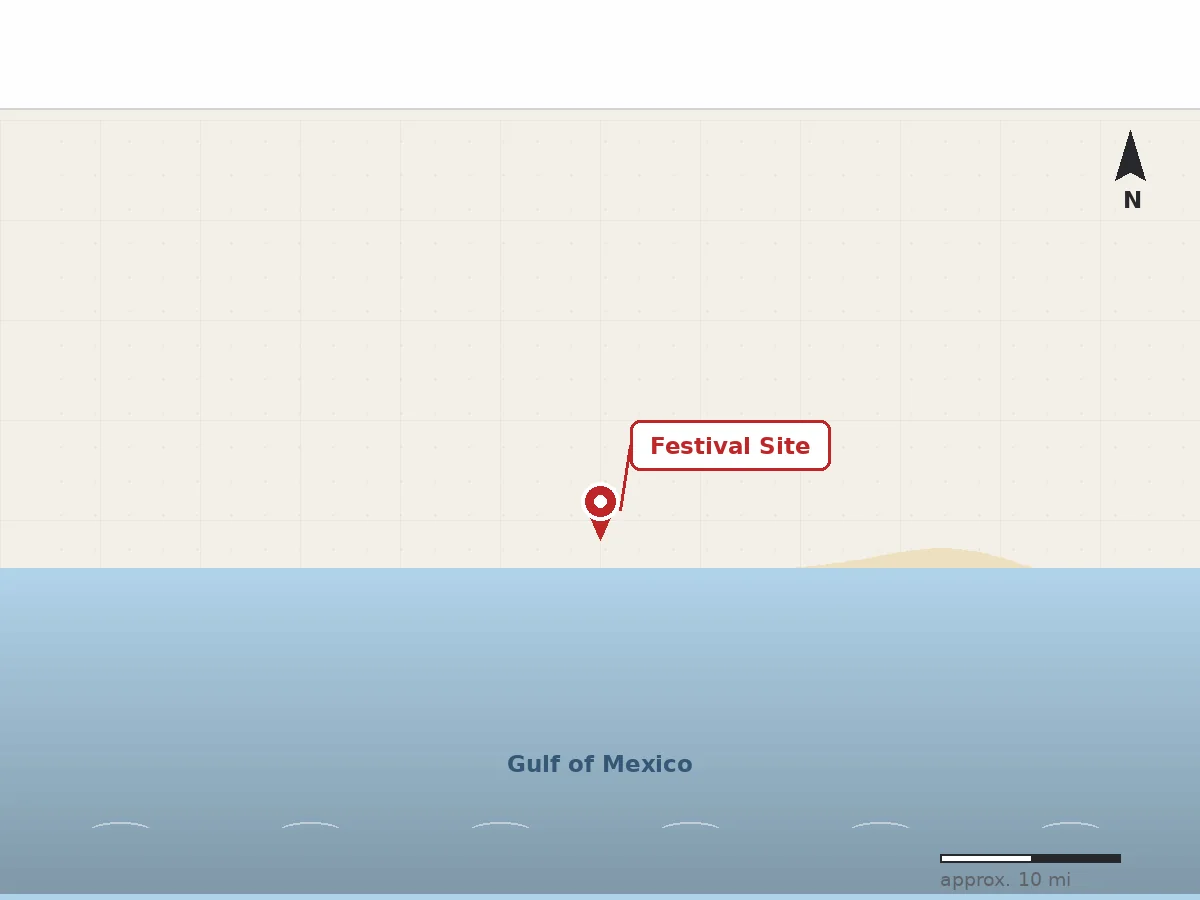
The Floyd County 4-H Fair takes place at the county fairgrounds in the Floyd County area, a short drive from New Albany, the county seat.
Practical Answers for First-Time Fairgoers in Floyd County
Does it cost anything to walk into the fair?
Admission is typically free, which is standard for county 4-H fairs. You will pay for concessions, rides, games, and some special events, and club-run food stands set their own prices. Budget for parking only if the fairgrounds charge during peak periods, and confirm that locally before you go.
When does the fair usually take place?
Like most 4-H fairs, it is a summer event, generally running across several consecutive days during the warm months. The exact week shifts from year to year, so check the current schedule before planning a trip around it rather than relying on last year’s calendar.
Do you have to be in 4-H to attend?
No. The fair is open to the public, and most of the crowd has no direct involvement in the exhibits. Families come for the animals, the food, the rides, and the entertainment. If you are curious about joining 4-H, fair week is actually the best time to ask questions — volunteers are on hand and happy to explain how clubs work.
What happens if it rains during fair week?
Summer storms move through quickly in this part of Indiana, and most activities continue once they pass. Exhibit halls and barns provide shelter, and some events shift under cover. Extremely severe weather can delay or cancel outdoor programs, so check the fair’s updates if the radar looks rough.
What Comes Next for the Floyd County 4-H Fair
The fair’s future looks a lot like its past: volunteer-driven, locally funded, and dependent on families who keep entering projects and showing animals. The pressures are familiar ones — an aging volunteer base, rising costs, competition for summer weekends — but so are the strengths, including a county small enough that participation still feels personal.
Expect the fair to keep evolving in small ways. Project categories will continue to widen, digital entries and online schedules will become more common, and food stands will adapt to what visitors want. What will not change is the calendar slot, the barns, and the sense that for a few days each summer, Floyd County is all in one place.
Last updated: October 2026
For a county founded in 1819 and still anchored by a single river town, the Floyd County Indiana 4-H Fair is more than a summer diversion. It is the annual proof that a small place can still gather itself, show its work, and send everyone home a little more connected than they arrived.

One Comment