Stanton County Kansas 4-H/FFA Fair Festival
Stanton County 4-H/FFA Fair: The Essentials Before You Go
| Town / area | Stanton County area, centered on Johnson City |
| County | Stanton County, Kansas |
| County seat | Johnson City |
| Population | 2,084 (2020 census) |
| Region | Southwest Kansas, High Plains |
| County founded | 1887, named for Edwin Stanton |
| Land area | 680 square miles |
| Typical timing | Late summer, usually a stretch of days in July or early August |
| Admission | Typically free to enter; individual vendors set their own prices |
| Setting | County fairgrounds with barns, a show ring, an exhibit hall, and an outdoor arena |
What the Stanton County 4-H/FFA Fair Is All About
The Stanton County 4-H/FFA Fair is the county’s annual showcase of youth agriculture, home economics, and community life, held in the Stanton County area of southwest Kansas. For a few days each late summer, the fairgrounds fill with livestock trailers, exhibit tables, and families who have had the week circled on the calendar since childhood.
The fair is built around 4-H and FFA members — young people who spend months raising steers, hogs, sheep, and goats, training horses, tending gardens, sewing garments, baking, and assembling photography and woodworking projects. The fair is where that work is judged, displayed, and celebrated.
Because Stanton County is a farming and ranching county of 2,084 people, the fair doubles as a countywide reunion. Neighbors compare notes over barbecue, alumni drift back through the barns, and the show ring becomes the social center of the county for the better part of a week. Visitors from outside the county are welcome, and the pace is easygoing — ask a question about a project and you may end up in a twenty-minute conversation.
Stanton County Fair History: A Farming County’s Annual Gathering
Stanton County was founded in 1887 and named for Edwin Stanton, and Johnson City has served as its county seat throughout. County fairs took hold across the region for a practical reason: farm families needed a place to compare seed, livestock, and methods, while 4-H clubs gave young people a structured way to learn agricultural and homemaking skills.
Over the decades, the Stanton County fair grew from a purely agricultural exhibition into a broader community event. The 4-H and FFA partnership is central to that shift. FFA chapters brought vocational agriculture students into the same show rings and exhibit halls, so a single fair now spans market livestock, breeding stock, public speaking, mechanics, and conservation projects.
For another look at how a community turns its own traditions into a gathering, see the Stafford County Kansas Stafford County Fair Festival for a useful comparison.
The county’s 680 square miles are sparsely populated, and that shapes the fair’s character. With a small population spread across a wide, dry landscape, fair week is one of the few times each year when the whole county gathers in one place. That has kept the event resilient — less a commercial venture than a civic institution, sustained by volunteers, booster groups, and families who have shown animals on the same grounds for generations.
A rough timeline of how it developed:
1887 — Stanton County is founded and named for Edwin Stanton; Johnson City becomes the county seat.
Early fairs — Farm families organize exhibitions to compare crops, livestock, and methods.
4-H and FFA era — Youth clubs and vocational agriculture chapters become the backbone of the exhibit halls and show rings.
Recent decades — Entertainment, concessions, and family programming join the traditional livestock and static exhibits.
Today — The fair remains a late-summer anchor in the Stanton County area.
What to Expect at the Stanton County Fairgrounds
Expect a working fairgrounds rather than a polished theme park. Barns, pens, an exhibit hall, and an outdoor arena do the heavy lifting, and the schedule rotates around weigh-ins, judging, and the livestock sale. Static exhibits — baking, canning, photography, quilting, woodworking, and horticulture — fill the hall for the duration, so there is always something to look at between shows.
Fair Food and Community Meals
Food at a Stanton County fair tends to be honest and inexpensive: concession trailers with burgers, hot dogs, funnel cakes, and snow cones, plus the kind of church and booster-club stands that sell pulled pork, brisket, chili, and pie by the slice. Community meals are often the social high point of the week, and they are a good reason to arrive hungry. Bring cash for the small stands — card readers are not universal in a county this size.
Entertainment and Evening Programming
Evening is when the grounds fill up. Expect a mix of grandstand or arena events, live music from regional bands, kids’ games, and a livestock auction that draws local businesses and families alike. Programming varies year to year, so the smart move is to check the fair schedule once you arrive and plan your evenings around the auction and whatever headliner event is on the calendar.
Family Activities and Hands-On Exhibits
This is a genuinely family-friendly fair. Younger children can watch the bucket calf and small-animal classes, walk the barn aisles, and take part in games and contests. Older kids often gravitate to the show ring and the mechanics and welding exhibits. Because 4-H and FFA members do the explaining, children get a rare chance to ask a teenager what it actually takes to raise an animal for a season.
Planning a Trip Around the Stanton County Fair
Fair week is short, and the county is large, so a little planning goes a long way. Here is what to sort out before you drive out.
Getting to Johnson City and the Fairgrounds
Johnson City sits in Stanton County in the far southwest corner of Kansas, and the fairgrounds are within the Stanton County area rather than in a distant rural location. Most visitors arrive by car, and the final approach is on two-lane highways, so plan for a slower pace than an interstate drive. Fuel up before you get close, and top off water — distances between towns here are longer than they look on a map.
Where to Stay in and Around Stanton County
Lodging in a county of 2,084 people is limited, and fair week is the busiest stretch of the year. Small motels and guest rentals in and near Johnson City book early, and many visitors base themselves in a larger regional town and drive in for the day. Campers and RV owners often make a weekend of it near the grounds. Reserve as far ahead as you can, and if you are visiting family, ask about floor space — that is still how a lot of fair week gets handled.
Parking at the Fairgrounds
Parking at county fairgrounds is generally informal and typically free, with grass lots and designated areas near the barns and exhibit hall. The busiest windows are early evening and during the livestock sale, so arriving mid-afternoon gives you an easier spot and a chance to walk the grounds before the crowd builds. If you are hauling a trailer, follow posted livestock routing rather than parking in the general lot.
Admission, Costs, and What to Bring
Admission to the fair is typically free, with costs concentrated in food, concessions, raffle tickets, and any evening events that charge their own entry. Budget modestly and carry cash. Bring sunscreen, a hat, a refillable water bottle, and a light jacket for after dark. Closed-toe shoes are a good idea in the barns, and a folding chair makes the arena and grandstand far more comfortable.
Weather During Fair Season in Southwest Kansas
Late summer in this part of Kansas means hot, dry afternoons, steady wind, and the occasional fast-moving thunderstorm. Mornings are the most comfortable time to be outdoors, evenings cool off pleasantly, and shade is at a premium during the middle of the day. Watch the sky, keep an eye on weather alerts, and treat any storm shelter signage as something worth locating before you need it.
A Sample Fair Weekend in the Stanton County Area
Friday afternoon. Arrive early, park while the lot is quiet, and walk the barns before the evening rush. Stop at the exhibit hall to see the static entries, then find a seat for the evening livestock classes. Eat dinner at a concession stand or a booster-club meal and stay for the entertainment.
Saturday morning. Come back for the early judging and weigh-ins, which are the most interesting part of the fair for anyone who wants to understand how livestock evaluation works. Grab coffee and a breakfast item, then watch the small-animal and bucket calf classes — they draw some of the biggest crowds of the week.
Saturday afternoon. This is the hottest stretch of the day, so use it for the indoor exhibit hall, the mechanics and photography displays, and a long visit with whoever is staffing the 4-H booth. Hydrate, and let younger kids cool off before the evening.
Saturday evening. Return for the auction and the headline event. The livestock sale is where the community shows up in force, and it is worth watching even if you are not bidding. Finish the night with dessert from a stand and a lap through the grounds after dark.
Sunday. If the schedule runs into the weekend’s final day, use the morning for a slow pass through the barns, thank a few volunteers, and take a short drive through the county before heading home.
Nearby Kansas Fairs and Towns Worth the Drive
Southwest Kansas has a dense circuit of county fairs, and travelers can easily stack two or three into one trip. Syracuse, the seat of neighboring Hamilton County, is a short drive west and offers its own fair traditions in a similarly small-town setting. Ulysses, in Grant County to the southeast, is a larger trade town with more services and its own summer fair programming. Garden City, further east, is the region’s biggest retail and dining hub — a useful base if Stanton County lodging is full.
The Stanton County fair is the smallest and most intimate of the group. If you want carnival rides and a big commercial midway, look to a larger regional fair. If you want to stand ten feet from a show ring, talk to the families doing the work, and eat pie at a church stand, this is the one to plan around.
Fair Day Checklist for Stanton County Visitors
Cash in small bills for concession stands and raffles. Sunscreen, hat, and sunglasses. Refillable water bottle. Light jacket or long sleeves for the evening. Closed-toe shoes for the barns. Folding chairs or a blanket for the arena. A printed or downloaded copy of the fair schedule. Camera or phone charged for exhibit photos. Bug spray for after dusk. A cooler in the car for anything you buy at the auction or the food stands. Patience for two-lane roads and a willingness to strike up a conversation.
Beyond the Fair: The Wider Stanton County Area
The fair is a reason to come, but the county rewards a slower look. Johnson City, the county seat, is the natural starting point for a drive through 680 square miles of high plains farmland and ranch country. The landscape here is wide, flat, and quietly beautiful in the way of the southern Great Plains — big skies, straight roads, and pivot irrigation circles that read like geometry from a distance.
Pair the fair with a regional loop: Syracuse and the Hamilton County area to the west, Ulysses and Garden City to the east and southeast, and the Colorado state line not far away. Birders and photographers find the open country productive, and anyone interested in agricultural history will get more out of a county like this by driving it than by reading about it.
What the Fair Means to Stanton County
In a county with 2,084 residents, institutions survive on participation, and the 4-H/FFA Fair has participation in abundance. It is where children learn to keep records, meet deadlines, speak in public, and handle disappointment — and where the community gets to see the results. Local businesses buy animals at the auction, volunteers run the stands, and grandparents who showed livestock decades ago watch grandchildren do the same.
That continuity is the fair’s real value. It ties a founding-era farming county to its present, keeps skills alive that would otherwise fade, and gives a sparsely populated place one reliable week when everyone is in the same room.
Where the Stanton County Fairgrounds Sit
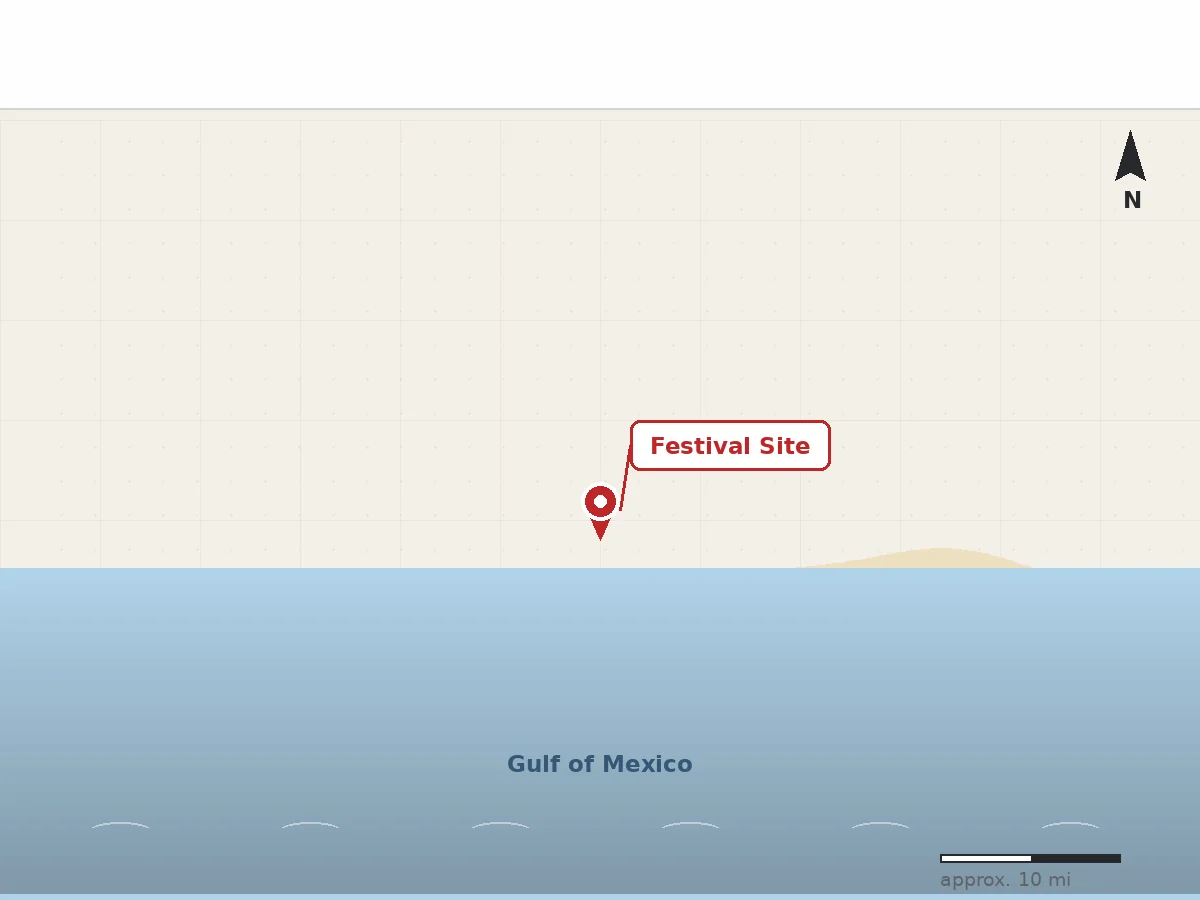
The fair takes place in the Stanton County area around Johnson City, the county seat of Stanton County in southwest Kansas.
Stanton County Fair Questions, Answered
Is there an admission charge for the Stanton County 4-H/FFA Fair?
Entry is typically free, which is standard for county fairs of this size. Your spending will mostly go to food, concessions, raffles, and any evening event that sets its own ticket price. Bring cash, since not every stand in a county this small takes cards.
When does the fair usually take place?
It is a late-summer event, generally falling within a stretch of days in July or early August. Exact dates shift from year to year, so confirm the current schedule through local sources before you plan travel or lodging.
Is the fair suitable for visitors who are not involved in 4-H or FFA?
Absolutely. The fair is open to the public, and plenty of attendees come simply to watch the shows, browse the exhibit hall, eat, and enjoy the evening entertainment. If you are curious about a project, ask — exhibitors and volunteers are generally happy to explain what you are looking at.
How far ahead should I book a place to stay?
As early as you can. Lodging options in and around a county of 2,084 people are limited, and fair week is the busiest period of the year. Many visitors stay in a larger regional town and drive in, or camp near the grounds, so keep those options in mind if local rooms are gone.
Looking Ahead for the Stanton County 4-H/FFA Fair
The fair’s future looks much like its past: youth exhibits at the center, volunteers holding it together, and a community that shows up because the alternative is a county with one fewer shared tradition. The pressures are familiar ones for rural Kansas — an aging population, fewer farm families, and young people who leave for school and work. The counterweight is the fair’s ability to adapt, adding entertainment and family programming while protecting the livestock shows and exhibit halls that give it meaning.
For visitors, that means the fair is likely to remain what it has always been: a few days in late summer when the Stanton County area gathers in one place, and outsiders are welcome to pull up a folding chair and watch.
Last updated: October 2026
If you are planning a trip through southwest Kansas, build your schedule around fair week in Stanton County. Come for the livestock shows and the exhibit hall, stay for the auction and the pie, and leave with a clearer picture of what a small Kansas county looks like when all of it is in one place at the same time.

One Comment