Livingston County Illinois Livingston County Fair Festival
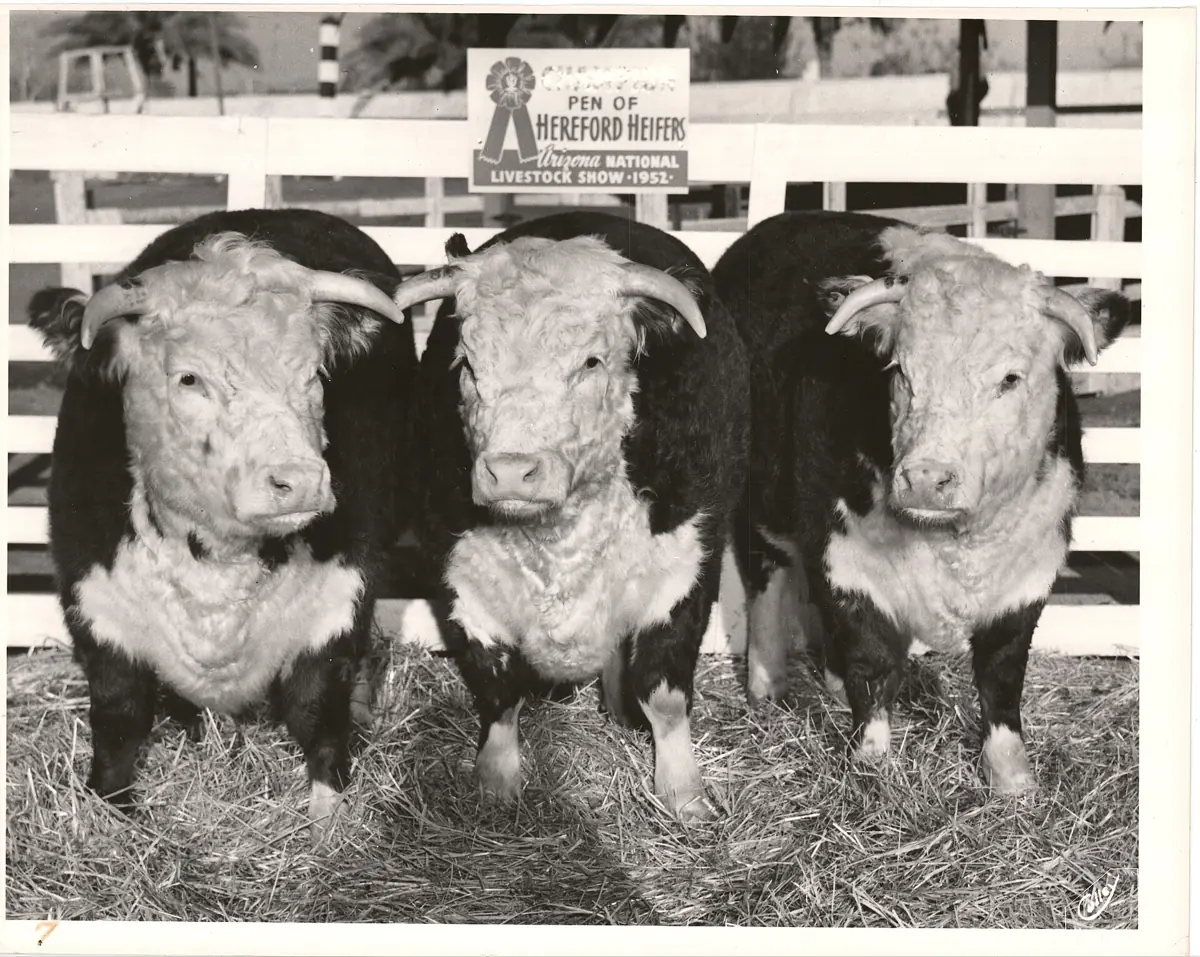
The Livingston County Fair—often listed as the Livingston County Illinois Livingston County Fair Festival—is the kind of local event that rewards a little planning. It unfolds in the Livingston County area of Central Illinois, where Pontiac serves as county seat and the surrounding 1,046 square miles mix farmland, small towns, and a deep agricultural calendar. This guide is built for travelers who want to know where to stay, how to park, what to budget, and how to shape a weekend around the fair without wasting time.
Livingston County Fair Facts for Trip Planners
| Town / place | Livingston County area, Illinois |
| County | Livingston County, Illinois |
| County seat | Pontiac |
| Population | Rural county population centered on Pontiac and small communities |
| Region | Central Illinois |
| Typical timing | Summer county-fair season, often July or August |
| Admission | Generally free gate admission; some activities may charge |
| Setting | Agricultural fairgrounds in the Livingston County area |
| Features | Livestock shows, exhibits, carnival rides, fair food, entertainment |
| Organizer | Local fair volunteers and agricultural community groups |
What the Livingston County Fair Brings to Pontiac and Beyond
The Livingston County Fair is a countywide gathering rather than a single-city expo. Its identity is tied to Livingston County’s 1,046 square miles, to Pontiac as the county seat, and to the farm families, businesses, and volunteers who keep a classic Illinois county fair running. Visitors can expect a schedule that blends agriculture with entertainment: livestock barns, project exhibits, carnival rides, food stands, and stages or grandstand events that give the fair its evening energy.
Because the fair is rooted in Livingston County, it also serves as a practical reunion point. People from Pontiac and the surrounding rural communities come together for a few days of competitions, food, and catching up. For out-of-town visitors, that means the fair is approachable and locally flavored. It is not a massive theme park, and that is part of its appeal: the pace is human, the grounds are walkable, and the focus stays on community traditions.
A Fair Tradition Rooted in Livingston County’s 1837 Founding
Livingston County was founded in 1837, with Pontiac later serving as its county seat. In a region built on agriculture, county fairs became more than entertainment. They were practical forums for sharing farming methods, showing livestock, judging crops, and celebrating the harvest cycle. The Livingston County Fair belongs to that long tradition, even as its modern version has added rides, music, and family entertainment.
Over the generations, the fair’s role has shifted with the county. When travel was slower and communities were more isolated, a county fair was a major social event. Today, with cars and digital calendars, it remains a rare chance to see Livingston County’s agricultural life up close. The livestock barns, exhibit halls, and grandstand are not just attractions; they are living links to the county’s rural foundation.
For another look at how a community turns its own traditions into a gathering, see the Lee County Illinois Dixon Scarecrow Festival for a useful comparison.
That history also explains the fair’s layout and rhythm. County fairs tend to organize around barns, arenas, exhibit buildings, and a central midway. Visitors who understand that geography can move efficiently between a livestock show, a food stand, and an evening performance. The fair may evolve, but its core purpose—bringing Livingston County together—has stayed remarkably consistent.
Inside the Livingston County Fair: Food, Stages, and Family Draws
A good fair visit starts with knowing what you want to see and eat. The Livingston County Fair typically offers a mix of agricultural judging, midway rides, local vendors, and entertainment. The following sections break down the main visitor zones so you can plan your time around the things that matter most to your group.
Fair Food and Agricultural Flavors in Livingston County
Fair food is part of the ritual. Expect the classics: corn dogs, pork burgers, funnel cakes, lemonade, fries, and ice cream. In a county like Livingston, local agricultural products often shape the menu, so look for stands that highlight beef, pork, or dairy. Food lines tend to be longest around midday and early evening, so a late-afternoon snack can save you time.
If you are budgeting, decide before you arrive whether you want a full meal at the fair or a few smaller items. Many families split food to keep costs down and still sample several stands. Carry a refillable water bottle, especially during hot summer afternoons, and check whether the grounds have water stations or vendor refill options.
Music, Grandstand Entertainment, and Local Talent
Evening entertainment gives the fair its after-dark pull. Depending on the year, the schedule may include local bands, grandstand events, contests, or community performances. Because exact acts change annually, the best approach is to check the fair’s current schedule before you drive over. Plan your day so you are not caught far from the grandstand when a headline event begins.
For a relaxed experience, arrive before the main entertainment and walk the grounds first. That gives you time to eat, visit the barns, and find a good seat or standing spot. If you have children or older adults in your group, choose a meeting point near a prominent building or gate in case your group separates.
Family Activities and Livestock Exhibits for All Ages
Families often build their fair day around livestock exhibits and youth projects. These areas are where the county fair feels most authentic: animals being groomed, projects on display, ribbons posted, and young exhibitors learning how to present their work. The barns are also a good place to slow down and ask questions when exhibitors are available.
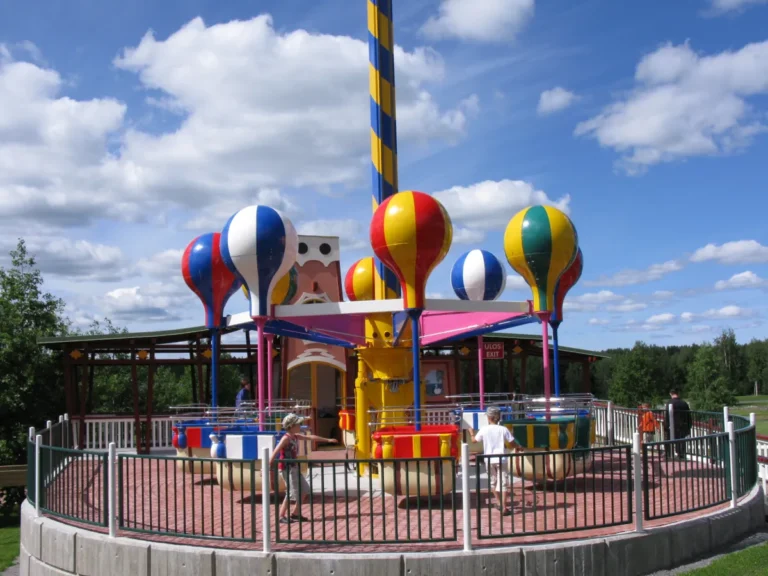
Carnival rides and games usually anchor the midway, while smaller children may enjoy age-appropriate rides, animals, and hands-on displays. A simple family strategy is to split the day into three blocks: morning livestock and exhibits, afternoon rides and games, and evening food and entertainment. That rhythm keeps everyone from getting overtired in the summer heat.
Planning Your Livingston County Fair Visit Like a Local
Logistics make or break a county fair visit. Livingston County is large—1,046 square miles—so the fairgrounds may be a longer drive than expected for some visitors. Pontiac, as the county seat, is the most useful reference point for routes, lodging, and supplies. Build in extra time for rural roads, especially if you are towing a trailer or traveling with children.
Getting to the Livingston County Fairgrounds
Use Pontiac as your primary orientation point when planning the drive. From there, follow local signs and the fair’s published directions to the grounds. If you are coming from outside Livingston County, download an offline map before you leave, because rural cell coverage can be inconsistent. Give yourself a buffer for summer road construction, farm equipment, and heavier fair traffic near entry points.
Where to Stay Near Pontiac and Livingston County
Pontiac and the surrounding Livingston County communities offer the closest lodging options for fairgoers. Because the fair is a local draw, rooms can fill during peak summer weekends. Book early if you are attending on a Friday or Saturday night. If you are visiting from farther away, consider staying in Pontiac and treating the fair as your evening anchor, with daytime drives into the county’s rural areas.
Parking and Grounds Navigation at the Fair
Parking at county fairs is usually a mix of designated lots and field parking. Arrive early for the best spots and the shortest walk, especially if you have strollers, coolers, or mobility needs. Follow volunteer directions rather than trying to create your own space. Once inside, pick a landmark near the entrance—such as a ticket booth, exhibit hall, or grandstand—so you can find your way back easily.
Admission, Costs, and Fair Budgeting
Gate admission to the Livingston County Fair is typically free, but individual activities may charge. Budget for food, carnival rides, games, and any grandstand events. A practical approach is to set a cash limit per person and carry small bills for vendors. If you plan to spend several hours, compare the cost of individual ride tickets against any available wristband or package options.
Weather and What to Pack for a Central Illinois Fair
Central Illinois summer weather can be hot, humid, and stormy. Pack sunscreen, hats, and refillable water bottles. A light rain jacket or poncho is smart for sudden showers, and closed-toe shoes are better than sandals for barn areas and uneven ground. If thunderstorms are forecast, have a plan to shelter in a building or vehicle and check the fair’s updates before heading out.
A Sample Weekend at the Livingston County Fair
A Friday evening arrival is ideal for easing into the fair. Park, walk the midway to get your bearings, and grab dinner from a food stand. Then visit the livestock barns or exhibit hall while the crowds are still building. Finish with a grandstand event or live entertainment, and leave before the final rush if you want an easier exit.
Saturday can be the fullest day. Start with morning livestock shows and project exhibits, when animals and exhibitors are active. Break for lunch, then spend the afternoon on rides, games, and family activities. In the evening, return for music or grandstand entertainment. If you have young children, consider a mid-afternoon rest at your hotel or vehicle before the evening session.
Sunday is often a quieter, more relaxed fair day. Use it to revisit favorite exhibits, catch a demonstration, or buy one last fair treat. Check the schedule for any morning events and confirm closing times before you plan your departure. A Sunday visit can be especially good for visitors who want a less crowded experience.
Livingston County Fair vs. Nearby Fair and Town Options
Compared with a large state fair, the Livingston County Fair is smaller, more local, and easier to navigate in a single day. Compared with a one-day town festival in the Livingston County area, it offers a fuller multi-day schedule with livestock shows, exhibits, and evening entertainment. And compared with other Central Illinois county fairs, its character is shaped by Pontiac as the county seat and by the vast rural reach of Livingston County’s 1,046 square miles.
Livingston County Fair Checklist Before You Leave
Before you drive to the fair, confirm the current schedule and any admission or parking details; charge your phone and download an offline map; pack water, sunscreen, hats, and rain gear; bring cash and small bills; wear comfortable closed-toe shoes; set a meeting point for your group; plan for heat and thunderstorms; and leave extra travel time for rural roads around Pontiac and Livingston County.
Beyond the Fair: Pontiac and Livingston County Detours
Because the fair is tied to Livingston County rather than a single block, it pairs well with a broader county drive. Pontiac is the county seat and a natural base for supplies, meals, and lodging. From there, the surrounding 1,046 square miles reveal the farmland and small communities that give the fair its context. If you have extra time, use the fair as a starting point for understanding rural Central Illinois rather than treating it as an isolated stop.
The Livingston County Fair’s Role in a 1,046-Square-Mile County
The Livingston County Fair matters because it gives a large, spread-out county a shared calendar moment. It supports youth agriculture, gives local businesses and vendors a market, and keeps traditions alive in a region founded in 1837. For Pontiac and the surrounding communities, the fair is both a celebration and a practical gathering—a place where ribbons, recipes, livestock, and music all point back to local identity.
Locating the Livingston County Fair in Central Illinois
The Livingston County Fair takes place in the Livingston County area of Central Illinois, with Pontiac as the county seat and the most useful orientation point for visitors.
Livingston County Fair Logistics: Four Answers for Visitors
Is the Livingston County Fair free to attend?
Gate admission is typically free, but some activities may charge separately. Budget for food, rides, games, and any special grandstand events. Check the current fair schedule for the most accurate cost details before you go.
When is the Livingston County Fair usually held?
The fair is typically held during the summer county-fair season, often in July or August. Exact dates change from year to year, so confirm the current schedule before planning your trip.
What should families prioritize at the fair?
Families often start with livestock barns and youth exhibits, then move to the midway and food stands. Evening entertainment is a good finale. Build in breaks, water, and shade, especially if you are visiting with young children or older adults.
How should visitors handle Central Illinois summer weather?
Prepare for heat, humidity, and possible thunderstorms. Bring sunscreen, hats, water, and rain gear. Wear comfortable shoes for uneven ground, and have a shelter plan in case severe weather moves through the area.
The Next Chapter for the Livingston County Fair
The fair’s future will likely depend on the same things that built it: volunteers, agricultural participation, local sponsorship, and community attendance. As Livingston County changes, the fair can remain relevant by balancing tradition with fresh entertainment and family-friendly programming. For visitors, that means the fair is worth revisiting—each year may feel familiar, but the schedule and exhibits keep it alive.
Last updated: October 2026
Plan the Livingston County Fair as a summer county tradition, not a rushed stop. With Pontiac as your base, a clear parking plan, and a flexible schedule, you can enjoy the livestock barns, fair food, midway, and evening entertainment while still having time to appreciate the rural county that surrounds it all.


One Comment