Monroe County Indiana Bloomington Wool & Fiber Festival
Where Monroe County’s Fiber Folk Gather Each Autumn
Every autumn, the hills around Bloomington take on a slightly softer character. Fleeces get skirted, wheels get oiled, and somewhere in the Monroe County area a hall fills with the smell of lanolin and the quiet click of spindles. The Bloomington Wool & Fiber Festival is a weekend-long gathering for the people who grow wool, dye it, spin it, weave it, and wear it — along with anyone who simply likes the look of a well-made sweater.
Monroe County has been farm country and forest country since it was founded on January 14, 1818, with Bloomington as its county seat. Its 411.32 square miles hold roughly 139,718 residents, and this festival is one of the friendliest places to watch the rural and the urban halves of that population actually meet.
You do not need to know a drop spindle from a nostepinne to enjoy it. Curiosity is the only real requirement, and conversation is the currency.
Bloomington Wool & Fiber Festival: Key Details for Visitors
| Town / area | Monroe County area, Indiana, with Bloomington as the hub |
| County | Monroe County, Indiana |
| County seat | Bloomington |
| County population | 139,718 |
| Region | South-central Indiana |
| Typical timing | A weekend in autumn, usually September or October |
| Admission | General admission is typically free |
| Setting | Wooded hills, working farms, and small-town Indiana around Bloomington |
| Signature features | Fleece and yarn vendors, spinning and weaving demonstrations, fiber animals, hands-on workshops |
| Organizer | Volunteer fiber growers and makers from across Monroe County |
The Heart of the Bloomington Wool & Fiber Festival
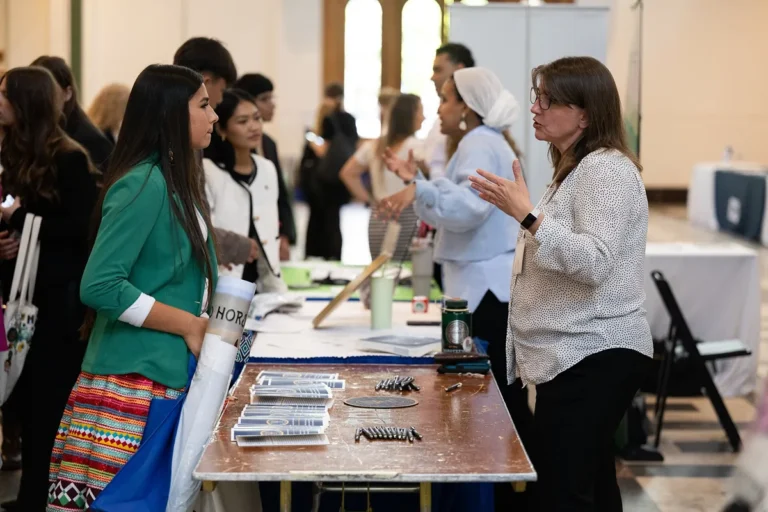
At its core, the festival is a market with a classroom attached. Vendors spread out fleece in every shade of gray, brown, and cream; baskets of roving; skeins of hand-dyed yarn; and finished pieces — mittens, shawls, rugs, hats — made by the same hands that sell them.
Around the edges of the shopping, the real business of the weekend happens. Someone demonstrates how a fleece becomes a batt. Someone works a scarf on a floor loom in real time. Someone stands over a dye pot explaining why indigo smells the way it does. Fiber animals usually make an appearance too, and a freshly shorn sheep is a surprisingly good conversation starter.
For another look at how a community turns its own traditions into a gathering, see the Miami County Indiana Peru Visual Arts Festival for a useful comparison.
Workshops and demonstrations are aimed at every level. Beginners can often try carding, drop-spindle spinning, wet felting, or a simple braid; experienced makers gravitate toward fleece selection, color work, and equipment. Because the festival is small enough to walk in an afternoon, it rewards slow looking. Ask questions — most vendors will happily stop what they are doing to explain a technique.
One more thing worth knowing: this is a fiber festival, not a generic craft fair. Almost everything for sale traces back to an animal or a plant, and much of it traces back to a farm within driving distance of Bloomington.
From Farm Fleeces to a Bloomington Tradition
When Monroe County was organized on January 14, 1818, with Bloomington named as the seat, the new county was a landscape of hardwood ridges, creek bottoms, and small clearings. Farm families across southern Indiana kept mixed livestock, and sheep were part of the mix — not because wool was fashionable, but because it was necessary. Clothing, blankets, and quilts all began as fleece, and the work of carding, spinning, and weaving fell largely to women working by firelight through the winter months.
Through the nineteenth and twentieth centuries, that household economy faded. Cheap factory cloth arrived, small farm flocks thinned out, and the knowledge of turning a fleece into yarn became a specialty rather than a chore.
The last few decades have brought a quiet reversal. Handspinning, natural dyeing, and small-batch fiber production have grown steadily, and a new generation of growers and makers has rediscovered wool that can be traced to a specific farm and a specific animal. The Bloomington Wool & Fiber Festival grew out of that revival — an autumn weekend where the people who raise the fiber and the people who work it can finally stand in the same room.
What has not changed is the rhythm. Wool work is seasonal by nature: shearing in spring, processing through summer, and by fall a festival that feels like the harvest end of the year’s labor.
What Awaits You at the Monroe County Fiber Weekend
The festival is compact enough to see in a few hours and rich enough to fill two days. Expect a mix of indoor and outdoor space, with vendors, demonstrations, and animals close together, and a crowd ranging from serious fiber professionals to families out for a fall drive.
Food, Drink, and Farm-Style Comfort
Food at a wool festival tends to match the setting: hearty and unfussy. Expect local vendors selling soups, chili, baked goods, and coffee, plus a few stands with jams, honey, and preserves to take home. Vegetarian options are usually available, though the selection can be thin at smaller events, so it helps to eat beforehand if you have strict dietary needs. Cash is useful, and a thermos is never a bad idea on a cool morning.
Music, Demonstrations, and the Hum of the Wheels
Live music generally leans acoustic — folk, old-time, and bluegrass — the kind of thing that can be played under a tent without drowning out conversation. The real entertainment, though, is the demonstration table. Spinning wheels, drum carders, and dye pots run all weekend, and watching a raw fleece become yarn is more hypnotic than it sounds. Depending on the year, you may also catch shearing, herding, or a felting session, along with informal talks on breed selection and fiber care.
Family Activities and Things for Young Makers
This is an easy festival to bring children to. Fiber animals are the main draw — sheep, alpacas, angora rabbits, and sometimes llamas — and there is often a hands-on area where kids can card wool, roll a felt ball, or try a drop spindle. The atmosphere is forgiving of sticky fingers and short attention spans. Strollers work better on outdoor paths than in crowded vendor aisles, so a carrier can be the smarter choice.
Planning Your Trip to Bloomington and Monroe County
Bloomington is the hub for the weekend, which keeps planning simple: base yourself in town, drive out to the festival, and use the rest of the day for the surrounding county.
Getting to the Festival in the Monroe County Area
Almost everyone arrives by car. Bloomington sits at the center of Monroe County and is the natural jumping-off point, with the festival grounds a short drive from town. Traffic builds through mid-morning on the busiest day, so an early start buys easier parking and a quieter first hour. Visitors from farther out commonly fly into Indianapolis and drive south.
Where to Stay Around Bloomington
Bloomington has the widest range of lodging in the county, from national hotel chains to independent inns and bed-and-breakfasts. Book early in the fall — this is football season, foliage season, and festival season all at once, and weekends fill quickly. For a quieter stay, look at cabins and campsites near Lake Monroe and the surrounding state forest land.
Parking and Arriving Without the Scramble
Parking is typically on-site or in nearby lots, often with volunteers directing traffic. Carpooling helps, and arriving before the gates get busy is the single best way to avoid a long walk. Wear shoes you do not mind getting dusty or muddy; the ground can be uneven and autumn rain is always possible.
Admission, Costs, and Cash for Makers
General admission is typically free, which makes this an inexpensive outing for families. Your money goes further at the vendor tables, where fleece, yarn, and equipment add up quickly. Many makers take cards, but not all do, and service can be spotty in a crowded hall, so bring cash as a backup. Set a budget before you walk in — hand-dyed yarn has a way of rearranging priorities.
Autumn Weather in Southern Indiana
Late September and October in Monroe County are famously pleasant and famously changeable. Mornings can start chilly, afternoons can turn warm, and a passing shower is always possible. Dress in layers, bring a rain shell, and keep a pair of warm socks in the car. Buildings offer shelter, but much of the festival happens under tents or in the open air.
A Sample Weekend: Two Days of Wool in Monroe County
Saturday: Arrive early, while the fleece tables are still full and parking is easy. Spend the first hour walking the whole vendor floor without buying anything — you will make better decisions once you have seen everything. Mid-morning, catch a spinning or shearing demonstration, then break for lunch from a food vendor. The afternoon is for workshops: a beginner spinning class or a felting session if you can get a spot, or a slower pass through the booths for fleece and equipment. Finish the day with dinner in downtown Bloomington.
Sunday: Come back for the things you talked yourself out of on Saturday. Sunday tends to be calmer, which makes it the better day for asking detailed questions about breed, dye lot, or how a particular fleece behaves on the wheel. If the festival winds down early, use the afternoon for a drive through the county’s wooded hills, a walk near Lake Monroe, or a stop at a local orchard or farm stand.
Bloomington’s Wool Weekend Alongside Nearby Craft Destinations
Compared with the large fiber festivals that pull crowds from across the Midwest, Bloomington’s is intimate — you can talk to nearly every vendor in a day, and the focus stays on fleece, yarn, and the animals behind them. Three nearby touchstones help explain the region’s character.
Brown County and its art colony in Nashville, a short drive east of Bloomington, offer galleries, studios, and a year-round craft tradition that pairs naturally with a wool weekend. Bloomington’s own farmers’ market is the other anchor: a Saturday-morning institution where local growers sell produce, meat, and increasingly fiber and yarn from small flocks.
Farther north, Indianapolis supplies the big-city version of everything, from large fairs to museums and a broader retail scene. Bloomington’s festival sits in the middle — rural enough to feel like a farm visit, urban enough that dinner and a hotel are minutes away.
A Practical Checklist for Wool-Weekend Travelers in Monroe County
Bring cash, a tote bag for purchases, and a notebook or phone for vendor cards. Wear layers and comfortable shoes, and pack a rain jacket. If workshops require registration, reserve ahead when the option is offered. Charge your phone and download an offline map in case service drops. Ask before photographing a maker’s work, and ask before touching fleece unless a sign invites you to. Bring a water bottle, a snack, and patience for a full parking lot. Traveling with kids? Head to the animals first — it buys goodwill for the rest of the day.
Beyond the Fleece: Bloomington and Monroe County Year-Round
Bloomington is a university town, and that shapes the rest of the weekend: bookshops, coffee roasters, a wide range of restaurants, and a live-music scene that runs well past the festival’s closing time. Downtown is walkable and worth an evening.
Out in the county, Lake Monroe and the surrounding state forest land offer hiking, boating, and some of the best fall color in southern Indiana. Brown County’s back roads are a short drive east. If you want to keep the fiber thread going after the festival, look for local yarn shops, farm stands selling fleece, and small mills that process fiber — many welcome visitors by appointment.
Community Threads: What the Wool Weekend Means Locally
A festival like this does quiet work. It gives small farms a market for fleece that might otherwise be sold for pennies or discarded. It hands beginners a living connection to a craft that was nearly lost. It puts a value on slowness in a season that is otherwise all hurry.
More concretely, it draws visitors into Monroe County businesses — hotels, restaurants, gas stations, farm stands — on a fall weekend when tourism matters. It also keeps knowledge circulating: a spinner teaching a teenager to draft fiber is preserving a skill no screen can teach. In a county organized on January 14, 1818, the wool weekend is a young tradition with an old soul.
Pointing Yourself Toward the Monroe County Hills
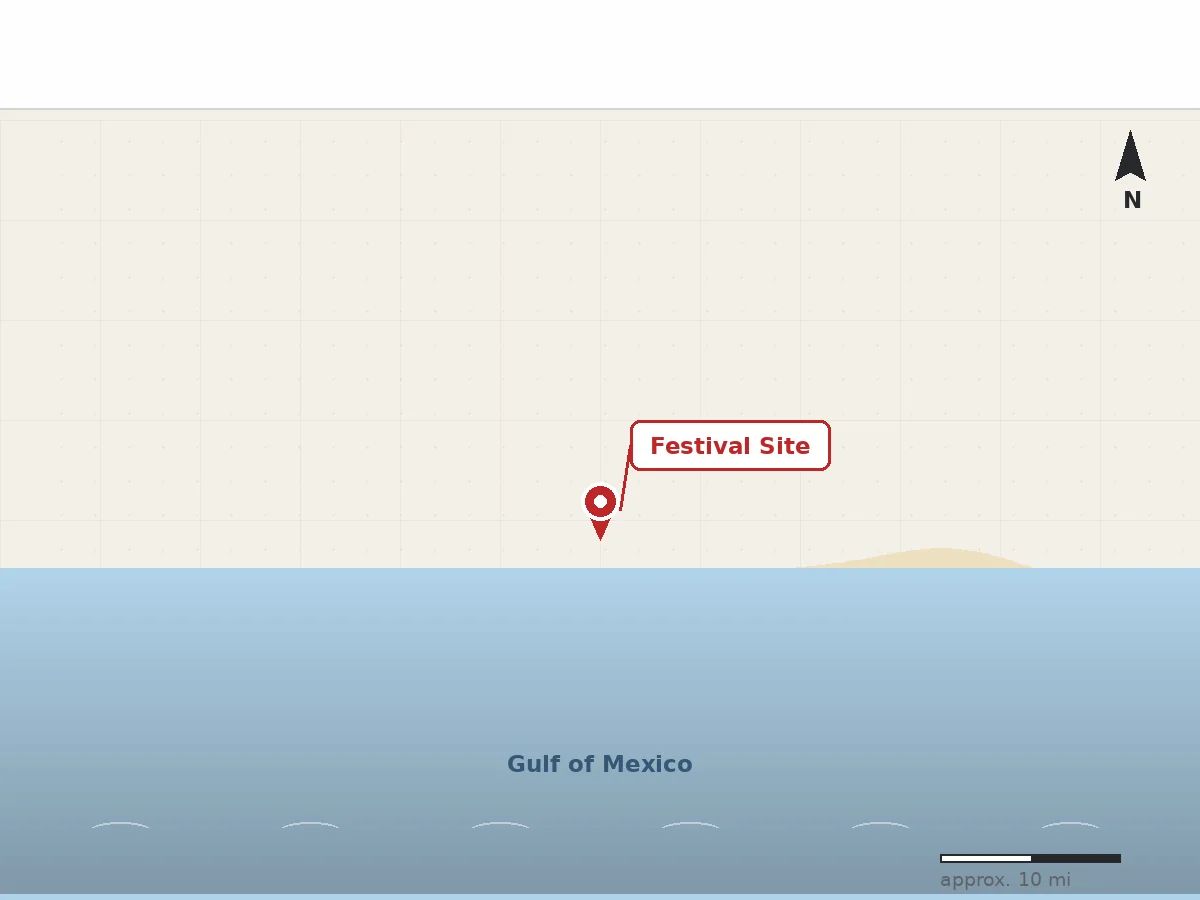
The festival takes place in the Monroe County area, with Bloomington — the county seat — serving as the main landmark for visitors arriving from any direction.
What Newcomers Ask Before Their First Wool Weekend
Is the Bloomington Wool & Fiber Festival free to attend?
General admission is typically free, which is one reason families return year after year. Individual workshops, special classes, and anything you buy from vendors are separate costs. Bring cash in case a maker does not take cards.
Do I need to know how to spin, knit, or weave to enjoy it?
Not at all. A large share of visitors arrive with no fiber experience whatsoever. Demonstrations are designed to be watched, questions are welcome, and beginner-friendly activities are usually part of the program. If you leave with a drop spindle and a new hobby, that is a very common outcome.
Is the festival indoors or outdoors?
It is a mix. Vendors and workshops often set up inside buildings or under tents, while animals, demonstrations, and food are usually outdoors. Weather matters, so dress in layers and wear shoes that can handle grass, gravel, or mud.
Can I bring my dog?
Policies vary, and animals near livestock can be a problem, so check ahead before planning to bring a pet. Service animals are a different matter and are generally accommodated. Leave the family dog at home unless you have confirmed the rules.
The Next Chapters for Bloomington Wool & Fiber
Interest in natural fiber keeps growing, and the festival is well placed to grow with it. Expect more young makers, more small mills, and more farms selling fleece by name rather than by the bale. Afternoon workshops that teach a single skill are likely to remain the strongest draw, because they turn curious visitors into repeat customers and, eventually, into hobbyists with a stash of their own.
The challenge is keeping the weekend walkable and welcoming as it expands. For now the balance holds: a free, friendly autumn gathering in the hills of Monroe County, close enough to Bloomington for a hotel bed and far enough out to feel like a farm visit.
Last updated: October 2026
If you have never spent an afternoon watching a fleece become yarn, put the Bloomington Wool & Fiber Festival on your fall calendar. Bring a friend, bring cash, and bring a bag. Monroe County’s hills will handle the rest.
One Comment