Pulaski County Illinois Pulaski County Fair Festival
The last stretch of Illinois before the Ohio River takes over is quiet farm country, and Pulaski County sits inside it — 203 square miles of bottomland, small towns, and two-lane roads that eventually run out of pavement at the water. Once a year the Pulaski County Fair gives that landscape a center of gravity: a fairground full of trailers, tractors, prize ribbons, and the smell of a fryer working overtime.
This guide is for the traveler who has never been — the one deciding whether to build a weekend around a county fair in a corner of southern Illinois where the nearest interstate is a real drive away. Short version: yes, if you like your festivals unhurried, inexpensive, and unmistakably local.
Pulaski County Fair Essentials: What to Know Before You Point the Car South
| Event | Pulaski County Fair |
| Where it happens | The Pulaski County area, southern Illinois |
| County | Pulaski County, Illinois |
| County seat | Mound City |
| County land area | 203 square miles |
| County founded | 1843 |
| Region | Southern Illinois, Ohio River valley |
| Typical timing | A summer weekend, most often in July or August |
| Admission | Typically free at the gate; rides, games, and food sold separately |
| Setting | Rural fairgrounds with open-air buildings, barns, and grandstand seating |
| Organizer | Local fair board and community volunteers |
What the Pulaski County Fair Is — and What It Isn’t
County fairs come in two flavors. There’s the big state-fair cousin with a concert stage, a corporate sponsor village, and traffic backed up for miles. Then there’s the other kind — built by and for the people who live within an easy drive of the gate. The Pulaski County Fair is firmly the second kind.
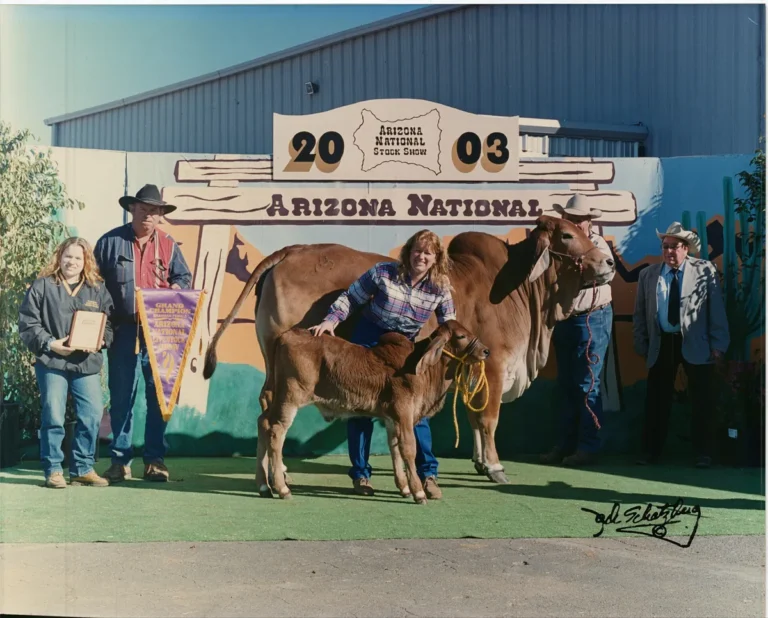
That means the attractions are homemade rather than booked: an exhibit hall full of canned goods, quilts, and school art; livestock barns where kids in white shirts lead animals they raised themselves; a midway that glows at dusk; a grandstand that fills after supper. It also means the lineup shifts from summer to summer. Some years lean hard on truck and tractor pulls, others on youth livestock shows, carnival rides, or a demolition derby. What stays constant is the rhythm of the day: gates open, judging happens, the lights come on, the grandstand roars.
If you need a stadium headliner and a hotel within walking distance, this isn’t that trip. If you want a fair where the person handing you a corn dog probably knows your cousin, it is exactly that trip.
For another look at how a community turns its own traditions into a gathering, see the Pulaski County Illinois Mound Festival for a useful comparison.
From an 1843 County to a Fair That Still Marks the Calendar
Pulaski County was organized in 1843, and Mound City has long been its seat of government — a small river-country town that has anchored the county’s civic life for generations. Any fair held in a county this old is standing on a long tradition of agricultural gathering.
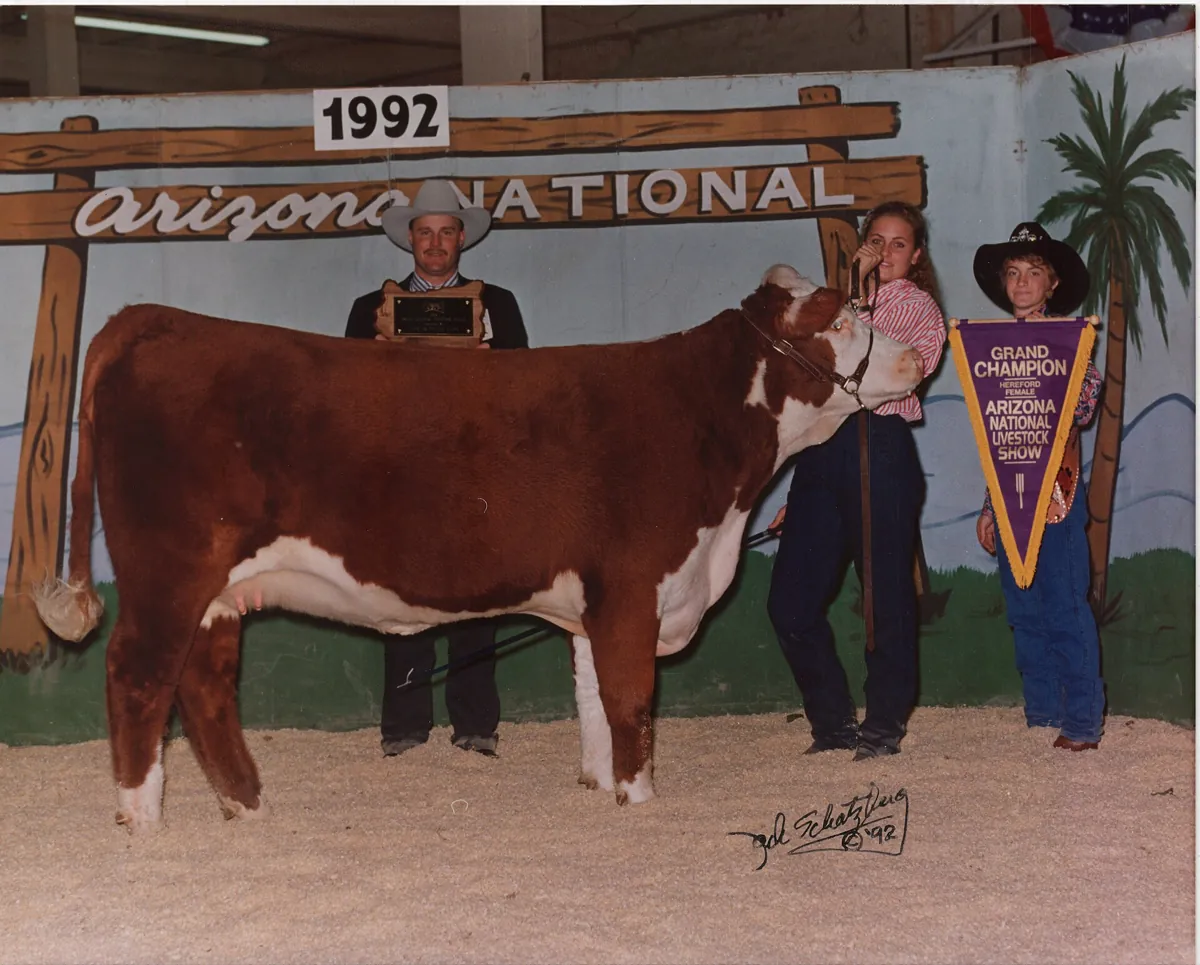
Across southern Illinois, as in most of the Midwest, fairs grew out of the agricultural society movement. Breeders, granges, and farm families came together once a year to compare stock, swap seed, argue about yields, and let the kids show what they’d raised. The county fair was the annual scorecard for a farm economy — and the one week when everyone within thirty miles stood in the same field.
The fair has weathered everything small rural fairs have weathered: population drifting toward cities, farms getting bigger and less labor-intensive, and cheap travel plus screens competing for a summer weekend. It survives for the same reasons it always did. It’s close, it’s affordable, and it’s the rare occasion when the whole county is in one place at one time.
A Fair Day in Pulaski County: What Actually Fills the Hours
Think of the fairgrounds as a small temporary town. You come through a gate, and from there the layout is easy to read: food row, the midway, the exhibit hall, the livestock barns, and the grandstand, all within a short walk of each other. Nothing here requires a shuttle bus.
Eating Your Way Down the Pulaski County Midway
Fair food is its own food group, and southern Illinois does it without irony. Expect the classics: corn dogs, funnel cakes, elephant ears, hand-cut fries, lemon shake-ups, cotton candy, and something fried that you’ll only admit to eating later. Local organizations and church groups often run their own stands, which is where the better cooking usually hides — a barbecue sandwich or a bowl of homemade ice cream beats a generic concession trailer almost every time. Bring cash in small bills and expect to eat standing up.
Grandstand Nights and Local Music in Pulaski County
Evening is when the fair gets loud. Grandstand programming in a county this size usually means motorized entertainment — truck and tractor pulls, a demolition derby, maybe a mud run — the kind of event that draws a full set of bleachers and a cloud of diesel smoke. Elsewhere on the grounds you’ll typically find local and regional bands, a DJ, karaoke, or a sound system running between events. Don’t come expecting a national tour; come expecting the guy from two towns over who plays a genuinely great guitar.
Family Activities and the Kid-First Side of the Fair
This is the part that makes the trip worth it for parents. Carnival rides are sized for smaller kids, the games are winnable enough to avoid tears, and the livestock barns turn into an informal petting zoo where a nine-year-old will happily explain the difference between a market hog and a breeding gilt. Add in youth exhibits, craft and baking categories, and the general freedom of a fenced field where kids can run — and you have a full afternoon that costs far less than a theme park ticket.
Planning the Trip: Roads, Rooms, and What It Costs
Pulaski County rewards a little preparation. It is rural, it is small, and its lodging and dining options are limited, which is part of the charm and also the part that catches unprepared visitors out.
Getting to Pulaski County Without a Wrong Turn
Mound City, the county seat, is the practical waypoint for anyone navigating in. The county’s north–south highway corridor runs down toward the Ohio River and the Cairo area, and most drivers approach from the north through the bottomland towns. Use a map app, but download your route first — cell coverage can thin out in the river bottoms, and rural roads here have a habit of turning to gravel without warning.
Where to Stay Near Mound City and the River
Lodging inside the county is limited to small independent motels and nearby campgrounds. Most out-of-town visitors base themselves a little further north in the Marion or Carbondale direction, where the hotel clusters are, then drive down for the day. If you plan to camp, confirm availability directly before you leave — a fair weekend fills local sites quickly. Book any room well ahead once you’ve picked your weekend.
Parking at the Pulaski County Fairgrounds
Parking is typically on grass and gravel lots around the grounds, with volunteers directing traffic. Arrive early on grandstand nights — the lot closest to the gate fills first, and latecomers end up on the outer field with a longer walk. Do not park along farm lanes or field edges; local equipment still needs to move. Wear shoes you don’t mind getting dusty.
Admission, Ride Tickets, and What a Fair Day Really Costs
Admission to a fair like this is typically free at the gate, which changes the budgeting entirely. Your money goes to ride tickets, midway games, food, and whatever the grandstand is charging that night. Cash remains king in this part of Illinois — bring more small bills than you think you need, because ATMs are scarce and card readers can be unreliable under a fairground’s worth of demand. Set a loose per-person budget for rides and food and you’ll come out ahead of almost any other summer outing.
Summer Heat, River Humidity, and Afternoon Storms
July and August in the Ohio River valley mean heat, humidity, and the real possibility of a late-afternoon thunderstorm rolling in fast. Plan your day around it: rides and barns in the morning and early evening, shade or the exhibit hall at midday, and a flexible attitude if the sky turns. Bring water, sunscreen, a hat, and insect repellent — the bottomlands breed mosquitoes with enthusiasm after any rain.
A Sample Fair Weekend in Pulaski County, Friday Through Sunday
Friday evening. Arrive an hour before dusk, park on the outer lot, and walk the grounds while everything is still setting up. Eat dinner from a local stand, let the kids hit the midway while the lines are short, and stay for the grandstand event. This is the night the fair belongs to locals, and it’s the best time to talk to them.
Saturday. Come back late morning for the livestock and exhibit judging — that’s the heart of the fair, and it’s the part most day-trippers skip. Grab lunch, retreat to the shade during the hottest hours, then return in the late afternoon for rides, games, and a second look at the food row. Grandstand again after supper.
Sunday. Do a slow morning, then use the drive home as a sightseeing loop: Mound City, the riverfront at Cairo, and the bottomland scenery along the way. You’ll be back on the highway before the weekend traffic builds.
How the Pulaski County Fair Stacks Up Against Neighboring Fairs
Southern Illinois is not short on reasons to spend a summer weekend somewhere. The Du Quoin State Fair, up in Perry County, is the region’s heavyweight — a full-scale, multi-day event with big-name entertainment and a much larger footprint. If you want volume and variety, that’s your trip. The Superman Celebration in Metropolis, over in Massac County, trades agriculture for pop culture and draws a genuinely national crowd of costume-wearing fans.
The Pulaski County Fair sits at the opposite end of the spectrum, and that’s the point. It’s smaller, cheaper, and far more personal than Du Quoin, and it’s rooted in farming rather than fandom in a way Metropolis isn’t. If you’re building a southern Illinois summer, the honest answer is to do both: take the big fair for spectacle and the Pulaski County Fair for the version where you actually talk to people.
Pulaski County Fair Prep: What to Load in the Car
Pack for heat and dust, not for a city festival. That means comfortable closed-toe shoes, a hat, sunscreen, insect repellent, refillable water bottles, and a light rain jacket you can shove in a bag. Bring cash in small bills, a tote for anything you buy, and a sweatshirt for after dark even in midsummer.
On the logistics side: download your route before you lose signal, fill the tank before you get into the bottomlands, confirm your lodging and any camping plans in advance, and check local listings for this year’s exact weekend and grandstand schedule. Leave the dog at home unless you’ve confirmed the grounds allow pets, and leave room in the trunk for produce or crafts if you plan to bid at auction.
Beyond the Fairgrounds: Mound City, the Ohio River, and Little Egypt
The fair is the anchor of the weekend, but Pulaski County rewards an extra half-day. Mound City, the county seat, is a compact river town worth a slow drive-through, and the Ohio River itself is the defining feature of the whole southern tip of Illinois — wide, brown, and busy with barge traffic. The surrounding bottomlands are prime birding and wildlife country, especially in migration seasons.
Push a little further and you’re into the broader region southern Illinoisans call Little Egypt. Cairo’s historic riverfront sits nearby, Metropolis is a short drive east, and the wooded hills and trails of the Shawnee National Forest begin not far to the northeast. A fair weekend here can easily become a two-night road trip.
What a Summer Fair Means in a 203-Square-Mile County
In a county of 203 square miles with a small, spread-out population, institutions that bring everyone together are not luxuries — they’re infrastructure. The Pulaski County Fair is one of the few annual events where farm families, town residents, schoolkids, and older neighbors all end up in the same place at the same time.
That has practical value. It’s where kids learn to speak in public, handle an animal, and lose gracefully in a judging ring. It’s where local organizations raise money and where small businesses find customers. And it’s where a county keeps its own story going — one summer weekend at a time, passed down by the people who show up to run it.
Where the Pulaski County Fair Sits on the Map
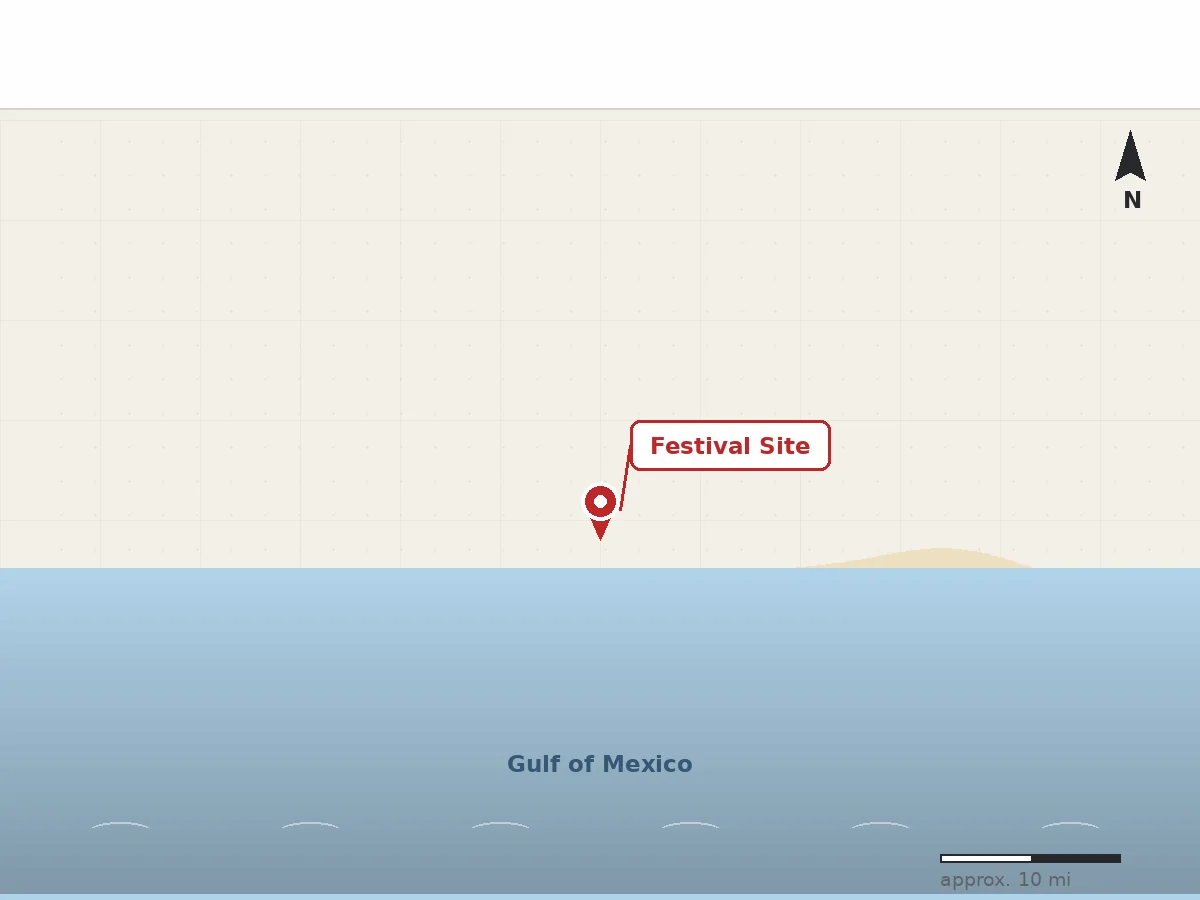
The Pulaski County Fair takes place in the Pulaski County area of far southern Illinois, with Mound City — the county seat — as the practical landmark for anyone navigating there.
Practical Answers for First-Time Pulaski County Fair Visitors
Is the Pulaski County Fair free to get into?
Admission is typically free at the gate, which is standard for a county fair of this scale. Your spending goes toward ride tickets, midway games, food, and grandstand events. Bring cash, since card readers and ATMs are both unreliable in a rural fairground setting.
When does the fair usually happen?
It’s a summer event, most often falling on a weekend in July or August, which is when Illinois county fairs traditionally run. Because the exact weekend shifts year to year, check local listings in late spring before you plan travel around it.
Is it worth bringing young kids or older visitors?
Both, yes. The grounds are compact and flat, so walking distances are short, and the midway is sized for younger children rather than thrill riders. Older visitors tend to gravitate to the exhibit hall, the food stands, and the grandstand, all of which are close to parking.
How far ahead should I plan a trip?
Not far, but not last-minute either. Lodging in and around the county is limited, so book a room or campsite as soon as you’ve settled on a weekend. Everything else — parking, tickets, food — can be handled on the day.
Looking Ahead at the Pulaski County Fair’s Next Summers
The fair’s future looks like its past: a summer weekend, a free gate, and a program assembled by volunteers who live within a few miles of the grounds. The pressures are familiar ones for rural fairs everywhere — an aging volunteer base, rising insurance and carnival costs, and young families with more options for their time. The counterweight is that this fair still does something nothing else in the county does, and the people who run it know it.
Expect the format to stay recognizable rather than reinvented: livestock and exhibits in the barns and hall, rides and food on the midway, and something loud in the grandstand after dark. If you’re planning a visit, build in a little flexibility and confirm details locally each spring.
Last updated: October 2026
Go for the corn dogs if you like, but stay for the judging ring and the grandstand. A county fair in a place like Pulaski County isn’t a performance put on for visitors — it’s a community showing up for itself, and it happens to leave the gate open. Bring cash, wear sensible shoes, and plan on leaving a little dustier and a lot better fed than when you arrived.
One Comment