Allamakee County Iowa Big Four Fair Festival
Fair season in northeast Iowa has its own soundtrack: the crackle of a loudspeaker calling a livestock class, the clatter of a ride starting up, and the sizzle of a flat-top grill that has been hot since breakfast. The Big Four Fair brings all of that to the Allamakee County area every summer, and for the people who live here, the food is as much the reason to come as the exhibits.
Big Four Fair Basics for Allamakee County Visitors
| Festival | Allamakee County Iowa Big Four Fair Festival |
| Location | Allamakee County area, anchored by Waukon |
| County seat | Waukon |
| County population | 14,061 (2020 census) |
| County land area | 659 square miles |
| Region | Northeast Iowa, Upper Iowa River valley |
| Typical timing | A summer weekend, most often in late July or early August |
| Admission | Generally free to enter the grounds; food, rides and some grandstand events cost extra |
| Setting and features | Rural fairgrounds with barns, exhibit halls, a grandstand and rows of food stands |
| Organizer | A volunteer fair board supported by local community groups |
Inside the Big Four Fair in Allamakee County
The Big Four Fair is Allamakee County’s own county fair — a multi-day summer gathering built around 4-H and FFA exhibits, livestock shows, carnival rides and a grandstand schedule that swings from tractor pulls to live music. Waukon, the county seat, is the natural hub, but the fair draws families from every corner of the county and from across the Mississippi River in Wisconsin and Minnesota.
Allamakee County covers 659 square miles and counted 14,061 residents in the 2020 census. That combination — a lot of ground, a modest population — shapes the fair’s personality. It is small enough that you will bump into your dentist, your cousin and your kid’s bus driver before you finish a corn dog, and busy enough that the barns, the exhibit halls and the picnic tables stay full all weekend.
Food is where the fair’s character shows most clearly. Vendors here are often the same groups that run the county’s churches, schools and service clubs, which means the menu is less corporate carnival and more community cookout. Expect pork, pie, sweet corn and lemonade shake-ups, with a few deep-fried experiments thrown in for the teenagers.
From 1847 Farm Country to a County Tradition
Allamakee County was founded in 1847, in the steep, wooded hill country where the Upper Iowa River cuts toward the Mississippi. Farming settled the ridges and valleys, and like most Iowa counties, the calendar quickly organized itself around the agricultural year: planting, haying, harvest, and a fair at the height of summer to show off what the season had produced.
For another look at how a community turns its own traditions into a gathering, see the Allamakee County Iowa Allamakee County Fair Festival for a useful comparison.
County fairs across Iowa grew out of 19th-century agricultural societies that wanted a place to compare livestock, swap seed varieties and hand ribbons to the best butter, bread and quilts in the township. The Big Four Fair belongs to that tradition. Its name has been part of local vocabulary for generations, and the event has long functioned as the county’s annual reunion as much as a livestock exhibition.
What has changed is the mix. Where a fair once meant draft horses and dairy cattle above all, today’s version layers in carnival rides, food trucks, kids’ pedal pulls and evening entertainment. What has not changed is the structure of the week: barns first, midway second, grandstand at dusk.
What Fills the Fairgrounds During Big Four Week
A day at the fair moves in phases, and the food schedule is part of it. Here is how the pieces usually fit together.
Fair Food Worth Standing in Line For
The food stands open early, because exhibitors and judges eat before the public arrives. Breakfast tends to be simple: coffee, egg sandwiches, cinnamon rolls the size of a saucer. By mid-morning the grills are going — pork burgers from the county’s pork producers, brats, walking tacos, cheese curds and hand-cut fries. Church and civic groups often anchor the food row, which is why the pie slices and bars taste like a family reunion rather than a concession contract.
Plan your day around the heat. Cold options — lemonade shake-ups, soft-serve, root beer floats — sell hardest in the middle of the afternoon, while the corn dog and funnel cake lines peak after the grandstand lets out. Bring small bills and expect a mix of cash and card depending on the stand.
Grandstand Nights and Local Talent
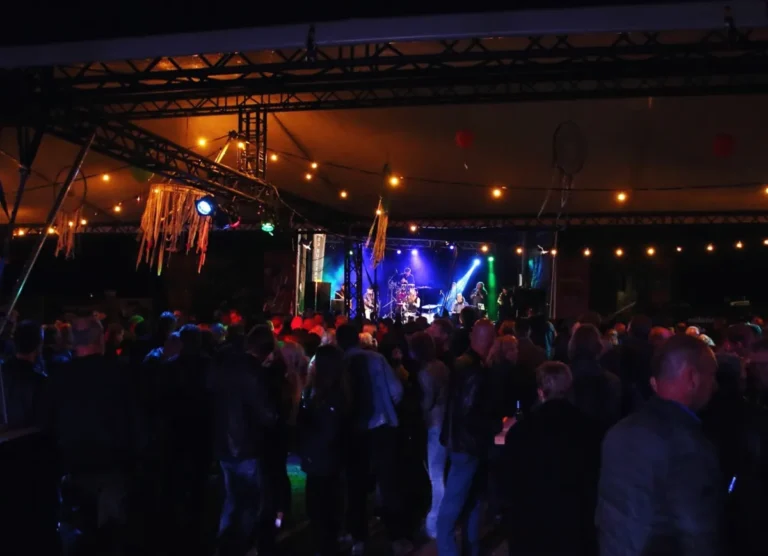
Evenings belong to the grandstand. A typical run might include a tractor or truck pull, a demolition derby, a rodeo-style event or a live band, with local and regional performers filling the gaps on a smaller stage. Seating is usually bleacher-style, so a cushion or a folded blanket earns its keep. Arrive early for the marquee nights; the best seats go fast.
Kid-Friendly Corners and Family Contests
Families tend to orbit the same handful of spots: the small-animal barn, where rabbits and poultry get handled constantly; the midway, which is modest but reliable; and the open lawn where kids run off a sugar high while parents claim a picnic table. Look for pedal tractor pulls, cookie-stacking and bubble-gum contests, plus the 4-H exhibits where local students show everything from photography to garden vegetables. Many of these activities are free or low cost, which matters when you are buying for four.
Planning a Trip to the Allamakee County Fairgrounds
Allamakee County is rural and spread out, so a little logistics goes a long way. None of it is complicated — it just helps to know what you are driving into.
Getting to the Waukon Area
Waukon sits in the northeast corner of Iowa along Iowa Highway 9, with Iowa Highway 76 also running through the area. Most visitors arrive by car, and the drive itself is part of the appeal — ridge-top roads, timbered valleys and farm fields in every direction. If you are coming from a larger city, allow extra time for two-lane highways and slow-moving farm equipment.
Where to Stay in Allamakee County
Lodging inside the county is limited, and fair weekend fills it fast. Options include small motels and inns around Waukon, plus cabins, campgrounds and river-side rentals in the surrounding countryside. Many families base themselves in nearby communities such as Decorah or across the river in Wisconsin and drive in for the day. Book well ahead if your dates are firm.
Parking Around the Fairgrounds
Fairground parking is typically on grass or gravel lots with volunteers directing traffic, and it generally fills from the front gates backward. Arrive before the evening grandstand events for the easiest spot, and expect a short walk either way. Wear shoes you do not mind getting dusty — or muddy, if it has rained recently.
Admission, Costs, and Cash
Admission to the fairgrounds is generally free, which is part of why local families come back multiple nights. Your money goes instead to food, carnival rides, games and any ticketed grandstand shows. Budget loosely: a family of four can eat well and ride a few rides without spending a fortune, but costs add up quickly if you buy at every stand. Carry some cash in case smaller vendors are not set up for cards.
Weather and What to Pack
Late summer in northeast Iowa means heat, humidity and the real chance of an afternoon thunderstorm. Pack sunscreen, a hat, refillable water bottles and a light rain jacket. A stroller with decent wheels handles the grass better than a small-wheeled one, and a blanket doubles as seating on the lawn. Evenings cool off noticeably after sunset, so a hoodie in the car is never wasted.
A Sample Weekend at the Big Four Fair
Friday afternoon. Arrive mid-afternoon when the grounds are busy but not yet packed. Start in the exhibit halls and livestock barns while it is still hot, then work the food row for an early dinner — pork burger, sweet corn, lemonade. Let the kids loose on the midway before the evening crowd arrives.
Friday night. Claim a bleacher seat at the grandstand for the headlining event of the evening. Afterward, grab dessert on the way out and walk the grounds once more when the lights are on and the lines are short.
Saturday morning. Come back for the livestock shows and the 4-H exhibits, which are the heart of the fair even if they do not draw the biggest crowds. Breakfast from a stand, then watch the judging and the kids’ contests.
Saturday afternoon and evening. A slower loop: shade, picnic table, another round of rides, and a second pass at the food stands you missed. Stay for the evening grandstand event, then head out before the parking lot empties all at once.
Big Four Fair vs. Neighboring Northeast Iowa Events
Northeast Iowa has no shortage of summer gatherings, and each has a different flavor. The Winneshiek County Fair in Decorah is the closest comparison — a county fair with strong livestock traditions and a lively town around it, about a 40-minute drive west. Decorah also hosts heritage celebrations that lean heavily on Norwegian food and music, which is a different kind of eating than a fair food row.
Farther east, the river towns along the Mississippi — Lansing, Harpers Ferry and across into Wisconsin — fill summer weekends with boat traffic, fish fries and small-town celebrations. What sets the Big Four Fair apart is scale: it is genuinely local, built by and for Allamakee County, with a food scene driven by church groups and commodity producers rather than a traveling carnival circuit.
Packing and Planning Checklist for a Big Four Fair Day
Before you leave the driveway: check the day’s schedule and grandstand lineup, confirm whether you need cash for rides and games, and fill water bottles. Throw sunscreen, hats, bug spray and a rain jacket in the bag. Wear closed-toe shoes you can walk in and do not mind dirtying.
Bring a blanket or stadium cushion for bleachers, a small tote for prizes and leftovers, and a phone charger if you plan to stay into the evening. If you have young children, snap a photo of your group at the entrance and agree on a meeting point in case someone wanders toward the midway. Leave the coolers at home unless you know the grounds allow them, and plan a meeting time for the drive home.
Beyond the Fairgrounds in Allamakee County
Make a weekend of it. Allamakee County’s best-known natural feature is the bluff country along the Upper Iowa and Mississippi rivers, where overlooks, trout streams and back roads reward slow driving. Effigy Mounds National Monument and the Yellow River State Forest area draw hikers, and the river towns offer antique shops, supper clubs and riverfront parks.
Food-wise, the county rewards a detour or two: small-town cafes serving hot beef sandwiches and pie, supper clubs with Friday fish fries, and farm stands in late summer. If you are driving in from Decorah or La Crosse, plan one meal off the fairgrounds just to see what the surrounding towns do with a plate.
What the Big Four Fair Means to Allamakee County
In a county of 14,061 people spread across 659 square miles, gathering everyone in one place is not a small thing. The fair is where 4-H members learn to speak about their animals in front of strangers, where grandparents watch their grandkids show a rabbit for the first time, and where neighbors who only wave from a truck window finally get a chance to talk.
It is also an economic and civic engine in miniature. Food stands run by churches and clubs raise money that funds scholarships, equipment and community projects for the rest of the year. Vendors and local businesses get a weekend of steady traffic. The fair is a tradition, but it is also a working piece of the county’s social infrastructure.
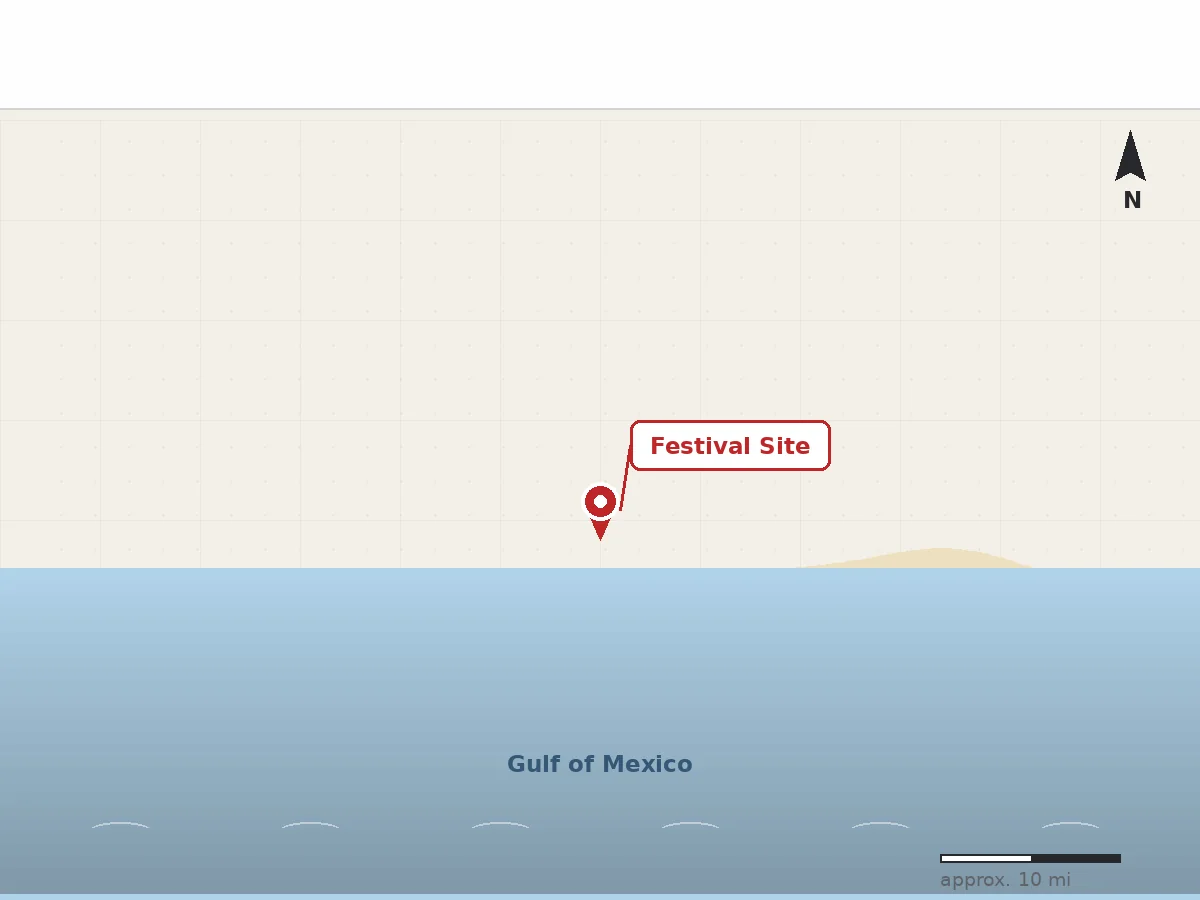
Locating the Big Four Fair in Allamakee County
The Big Four Fair takes place in the Allamakee County area around Waukon, the county seat, in the bluff country of northeast Iowa.
First-Timer Answers About the Allamakee County Big Four Fair
When does the fair usually take place?
It is a summer fair, most often held on a weekend in late July or early August, which puts it in the middle of county fair season across Iowa. Because the exact dates shift from year to year, check local listings and fair board announcements before you plan travel.
What food should I not miss?
Start with whatever the pork producers and the church stands are grilling, then work outward: sweet corn, hand-cut fries, cheese curds and a lemonade shake-up. Save room for pie or a homemade bar from a community group’s stand — that is the part of the menu you cannot get anywhere else.
Is one day enough, or should I plan for two?
One long afternoon covers the essentials. Two days lets you slow down: one pass for the barns, exhibits and food, another for the midway, grandstand and the stands you skipped. Families with kids showing animals usually come for the better part of the week.
Do I need to bring cash?
Bring some. Admission is generally free, but food stands, games and rides are where your money goes, and smaller vendors may not take cards. An ATM may not be close at hand in a rural county, so it is easier to arrive with cash in your pocket.
Looking Ahead to the Next Big Four Fair Season
The fair’s future looks a lot like its past: volunteer-run, locally funded and built around the county’s young exhibitors. The trends worth watching are the ones playing out at fairs across Iowa — more diverse food vendors, more emphasis on hands-on activities for kids, and continued reliance on sponsors and community groups to keep admission free and the gates open.
For visitors, that means the same invitation stands each summer: come for the livestock and the grandstand, stay for the food, and leave understanding why a county of 14,061 people keeps showing up for this weekend year after year.
Last updated: October 2026
If you plan a trip around the Big Four Fair, build the day around your appetite rather than a schedule — arrive before the lunch rush, eat your way down the row, and stay until the grandstand lights come on. That is how the fair is meant to be experienced in Allamakee County.
One Comment