Allamakee County Iowa Allamakee County Fair Festival
The Allamakee County Fair is one of the anchors of summer in Iowa’s far northeast corner, a place where the land folds into ridges, spring-fed creeks, and wooded bluffs. The county seat is Waukon, the small city that serves as the commercial hub for a wide rural county. Allamakee County counted 14,061 residents at the 2020 census, spread across 659 square miles of farmland, forest, and river valley. During fair week, a remarkable share of them seem to end up in the same few acres.
A Driftless Summer Ritual in Allamakee County, Iowa
Timing follows the rhythm of the growing season. In most years the fair lands in the middle of summer, often in July or early August, on a multi-day run that stretches across a weekend. That placement is deliberate in farm country: crops are in, hay is made, and families can spare a few evenings before harvest thinking begins. Late afternoon and evening hours tend to be busiest, when the heat eases and the grandstand starts to fill.
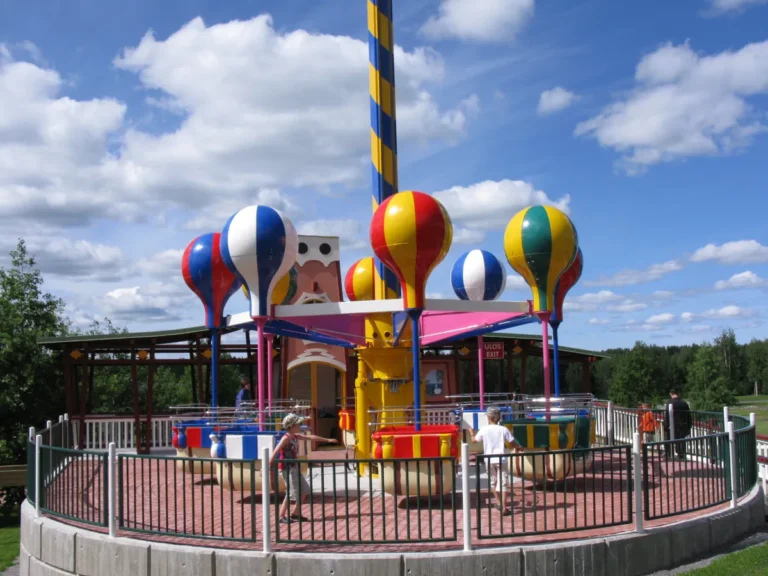
What sets this fair apart is its center of gravity. Livestock barns, not carnival rides, sit at the heart of the grounds, and the young people who groom, clip, and show animals are treated like local celebrities. Exhibit halls fill with baking, canning, photography, quilting, and garden entries judged on ribbons and bragging rights. Around that core, the fair adds rides, games, fair food, and grandstand entertainment that pull in families, grandparents, and former residents back for a visit.

Allamakee County Fair Essentials: Town, County, and Setting
| Town / place | Allamakee County area, with fairgrounds near Waukon, Iowa |
| County | Allamakee County, Iowa |
| County seat | Waukon |
| Population | 14,061 (2020 census) |
| Region | Northeast Iowa, Driftless Area near the Upper Mississippi River |
| Typical timing | Mid-to-late summer, usually a multi-day run in July or early August |
| Admission | Generally free to enter; some rides, food, and grandstand events charge modest fees |
| Setting | Rural fairgrounds ringed by bluff country, cropland, and river valleys |
| Features | Livestock shows, exhibit halls, carnival midway, grandstand entertainment, fair food |
| Organizer | Local fair board and community volunteers |
Tracing a County Fair Back to an 1847 Founding
Allamakee County was established in 1847, when northeast Iowa was still a frontier of log cabins, sawmills, and river landings. Waukon grew into the county seat and the place where rural families came to trade, file paperwork, and catch up on news. County fairs across the Midwest grew out of that same impulse: agricultural societies wanted a yearly showcase where better seed, better stock, and better methods could be compared side by side.
The Allamakee County Fair carries that lineage forward. Its earliest versions would have been simple affairs built around plowed fields, produce displays, and horseflesh, staged by farmers who measured a good year in bushels and healthy calves. Over the decades, the fairgrounds became a permanent seasonal home with barns, a grandstand, and exhibit buildings that could be filled and emptied in a single week.
For another look at how a community turns its own traditions into a gathering, see the Adams County Iowa Adams County Fair Festival for a useful comparison.
The fair has weathered depressions, floods along the Mississippi bottomlands, and the long contraction of the family farm. Through all of it, the format has stayed recognizable: young exhibitors, proud parents, judges with clipboards, and a midway that smells like fried dough. Today’s version adds modern entertainment and better facilities, but the older purpose still runs underneath everything.
What a Fair Day in Waukon Country Feels Like
Expect a compact, walkable grounds where you can hear the announcer from almost anywhere. Mornings belong to exhibitors and judges; afternoons bring crowds; evenings bring the grandstand.
Fair Food Worth the Walk
Food stands cluster along the main walkways, and the menu is classic county fair: pork chops on sticks, brats and burgers, corn dogs, funnel cakes, elephant ears, fresh-squeezed lemonade, and soft-serve ice cream. Church groups and local nonprofits often run their own booths, which means the pie and the walking tacos can be as good as anything on the midway. Bring cash in small bills, and plan to eat something you would never make at home.
Grandstand Nights and Local Music
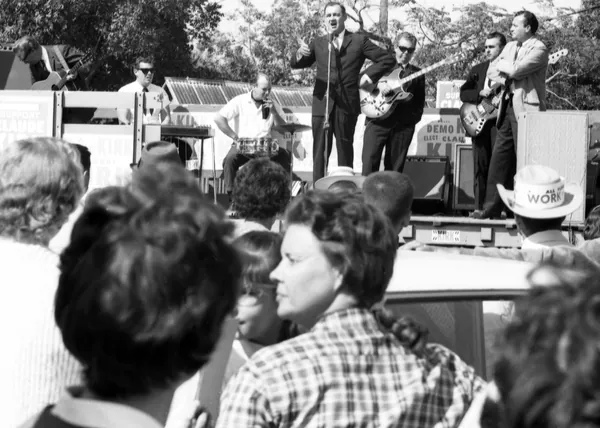
The grandstand is where the fair shifts into evening mode. Depending on the year, you might find a tractor pull, a demolition-style motorsport event, a rodeo-flavored show, or live music from regional bands. Local and area performers frequently get a stage earlier in the day, so it is worth scanning the schedule posted at the grounds. Seating is usually first come, first served, and the best spots go early on the biggest nights.
Family Activities and 4-H Tradition
Families with young children gravitate to the midway rides, games, and the petting-friendly corners of the livestock barns. Older kids and teens are usually deep in 4-H and FFA project work, from market animals to woodworking and photography. The exhibit hall is a quiet highlight: jars of preserves, prize vegetables, hand-stitched quilts, and children’s artwork, all arranged with genuine pride. It costs nothing to browse and it explains the fair better than any sign.
Getting Your Group to the Allamakee County Fair
Allamakee County is rural and spread out, so a little planning makes fair week far easier, especially if you are coming from outside the county.
Driving Routes Into Waukon
Waukon sits in the northeast corner of Iowa, connected by state highways to Decorah, Postville, Lansing, and the Mississippi River towns to the east. From Minnesota and Wisconsin, routes through Caledonia and La Crosse lead you into the same bluff country. Roads here curve with the terrain, and farm equipment shares the pavement during summer, so allow extra time and enjoy the drive.
Where to Stay Near Allamakee County
Waukon has the closest lodging options, with a handful of motels and guest rentals. Campgrounds, cabins, and bed-and-breakfasts are scattered through the surrounding countryside and along the river towns. Because fair week draws families from across the region, book well ahead if you plan to stay overnight, and consider a wider radius that includes Decorah or the Mississippi River corridor.
Parking Around the Fairgrounds
Parking is typically on grass lots around the grounds, with volunteers or staff directing traffic at peak times. Arrive early for grandstand nights, carpool when you can, and wear shoes you do not mind getting dusty. If rain has moved through, expect soft ground and be patient with the exit line at the end of the night.
What Admission and Extras Cost
Entry to the fairgrounds is generally free, which keeps the event accessible to everyone in the county. Individual costs add up instead: carnival rides and games, food and drinks, and certain grandstand events. Bring cash, since smaller booths may not take cards, and set a rough budget for kids before you walk past the midway.
Summer Weather in Northeast Iowa
July and August in the Driftless Area mean warm, humid afternoons, comfortable evenings, and the occasional fast-moving thunderstorm. A light jacket helps after sunset, sunscreen and water are non-negotiable at midday, and it is smart to check the forecast before committing to a long drive. If storms roll in, fair staff will usually pause outdoor events until it is safe.
A Sample Fair Weekend in the Driftless Hills
First evening: Arrive in late afternoon, park, and walk the barns while the light is still good. Watch a few livestock classes, then graze your way down the food row. Finish at the grandstand for whatever the night’s headline event happens to be.
Saturday morning: Come early for the quiet hours. Judging in the exhibit hall, coffee from a stand, and a slow loop past the static entries. This is the best time to talk with exhibitors, who are usually happy to explain what they brought.
Saturday afternoon: Midway rides for the kids, a livestock show for the adults, and a shaded bench for everyone in between. Refill water bottles and pace yourself; the fairgrounds get hotter than the surrounding countryside.
Saturday evening: The busiest stretch of the week. Grab food before the grandstand crowd arrives, claim seats, and settle in. If you have young children, an early exit before the final event saves a lot of traffic frustration.
Sunday: A shorter, gentler day, often with final shows and the closing of exhibits. It is a good window for anyone who wants the fair without the Saturday crush, and a natural time to thank the volunteers who made the week work.
How It Compares With Neighboring County Fairs
Northeast Iowa has a dense cluster of county fairs, and each has its own personality. The Winneshiek County Fair in Decorah sits in a college town with a strong arts and food scene, which gives it a slightly different flavor. The Clayton County Fair, farther southeast along the Mississippi, leans into river-town character and a similar agricultural core. Fayette County and other neighbors to the south run their own versions of the same tradition.
What distinguishes the Allamakee County Fair is scale and terrain. It is small enough that you will run into people you know, and its setting in bluff country makes the drive part of the experience. If you are touring fairs in a single summer, pair it with a river town stop in Lansing or Harpers Ferry and you have a full weekend of northeast Iowa without repeating yourself.
Fair-Week Checklist for Allamakee County Visitors
— Check the fair’s schedule before you go, since grandstand events and show times shift from year to year.
— Bring cash in small bills for food, games, and booth purchases.
— Pack sunscreen, hats, refillable water bottles, and a light layer for the evening.
— Wear closed-toe shoes; grass lots and barn aisles are not sandal territory.
— Charge your phone, but expect to be looking at livestock instead of a screen.
— Leave dogs at home unless you have confirmed the grounds’ pet policy in advance.
Beyond the Fairgrounds: Effigy Mounds, Bluffs, and River Towns
Allamakee County rewards anyone who builds an extra day around the fair. Effigy Mounds National Monument, north of Marquette along the Mississippi, protects a remarkable group of prehistoric earthworks on high river bluffs. The Upper Iowa River and Yellow River State Forest offer paddling, trout streams, and trails through some of the most rugged scenery in the state. Waukon’s own Main Street has the practical charm of a county seat that still works for a living.
River towns like Lansing and Harpers Ferry add historic architecture, overlooks, and casual dining to the mix. In late summer, the countryside is at its fullest: corn tasseling, pastures green, and roadsides thick with wildflowers. Fair week is a fine excuse to slow down and see the corner of Iowa that tourists often skip.
What Fair Week Means to a County of 14,061
In a county with 14,061 residents and 659 square miles to fill, a fair is more than entertainment. It is one of the few times each year when the whole county occupies the same space at the same time. Farmers compare notes. Grandparents watch grandchildren lead a calf into the ring. Teachers see their students outside of school. Local businesses sponsor classes and buy animals at auction, putting money straight back into the community.
For the young exhibitors, the fair is a first taste of responsibility: feeding, grooming, record-keeping, and speaking with judges. For everyone else, it is a reminder that the county still runs on agriculture, volunteer hours, and neighbors who show up. That is the real product of fair week, and it does not appear on any schedule.
Where the Allamakee County Fairgrounds Sit
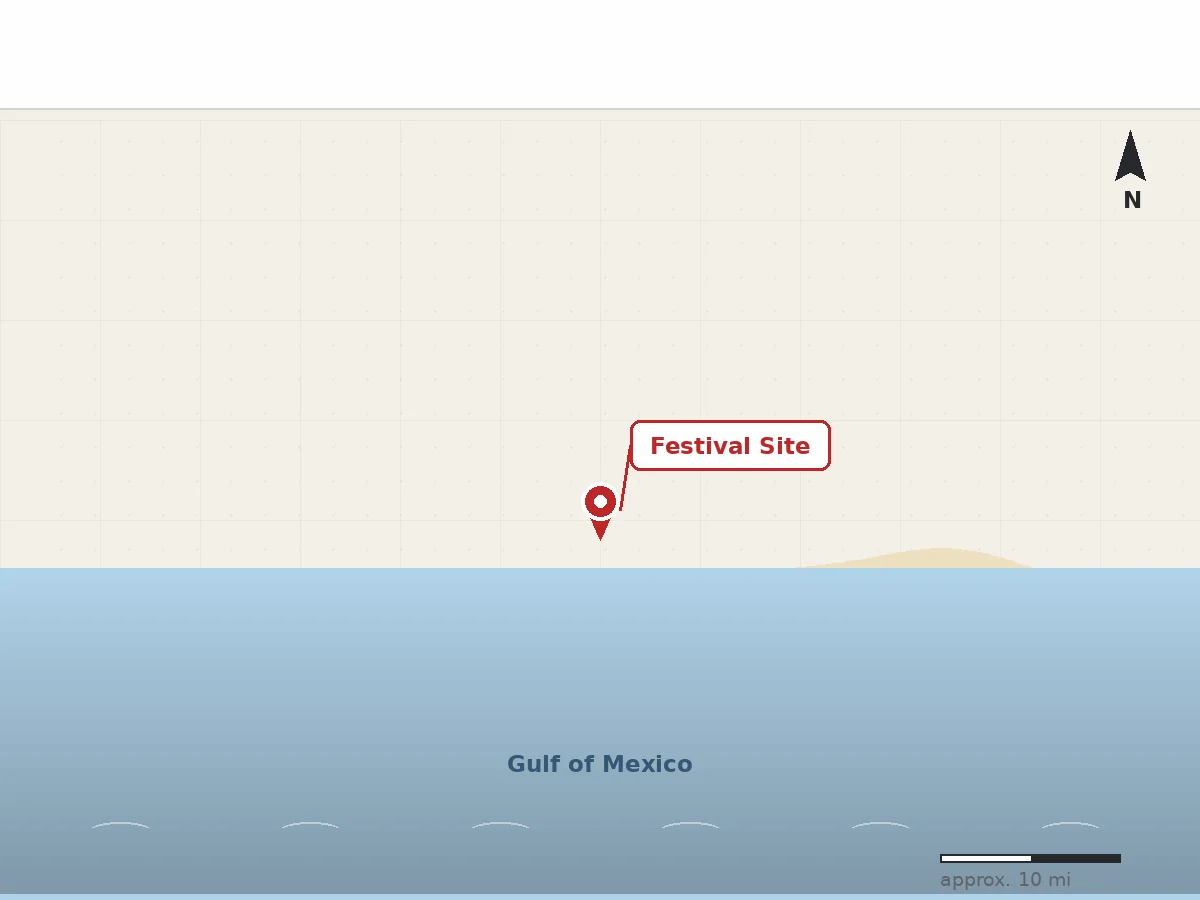
The Allamakee County Fair is held at the county fairgrounds in the Waukon area of northeast Iowa, within easy reach of the county’s river towns and rural communities.
What Newcomers Ask About the Allamakee County Fair
Is the Allamakee County Fair free to attend?
Gate admission is generally free, which is one of the reasons the fair draws such a broad cross-section of the county. You will still spend money on food, rides, games, and certain grandstand events, so budget for those rather than for a ticket at the entrance.
When does the fair usually take place?
In most years it falls in mid-to-late summer, often in July or early August, over a multi-day run that includes a weekend. Because the exact week shifts annually, confirm the current schedule through local listings or the fair’s own announcements before planning your trip.
Is it a good outing for young children?
Yes. The grounds are compact and easy to navigate with a stroller, the animal barns are a reliable hit, and the midway is scaled for families rather than thrill-seekers. Go earlier in the day for cooler temperatures and lighter crowds, and keep an eye on little ones near the livestock pens.
What should I bring with me?
Sunscreen, water, cash, and comfortable shoes cover most needs. Add a light jacket or long-sleeve layer for the evening, a small bag for purchases from booths and vendors, and a bit of patience for parking when a grandstand event lets out.
Looking Ahead to Coming Fair Seasons
County fairs survive by adapting without losing their center. Around Waukon, that means keeping livestock shows and 4-H exhibits front and center while upgrading facilities, widening entertainment offerings, and finding new ways to involve families who no longer farm. Volunteer recruitment is the perennial challenge in a county of this size, and it will shape how much the fair can add in the years ahead.
What seems likely to remain constant is the timing and the feeling: a warm week in the middle of summer, barn fans humming, the smell of the food row, and a grandstand full of neighbors. For a county founded in 1847, that continuity is the point.
Last updated: October 2026
If you find yourself in northeast Iowa during fair week, take the detour. Park on the grass, walk the barns before the crowd arrives, and stay for the grandstand. The Allamakee County Fair is a small county doing a big, old-fashioned thing well, and it is best understood with a corn dog in one hand and a schedule in the other.