Adams County Iowa Adams County Fair Festival
The Adams County Fair rewards a first-timer who arrives knowing a little about the place. Adams County is a 426-square-mile stretch of southwest Iowa farmland with a population of 3,704 and a county seat, Corning, that anchors the whole area. The fair is the county’s annual gathering — a few days when barns fill with livestock, the grandstand fills with neighbors, and the food stands do steady business from morning until the lights go down. This guide is written for someone who has never set foot on the grounds.
Adams County Fair Essentials for Newcomers
| Town / place | Corning and the surrounding Adams County countryside |
| County | Adams County, Iowa |
| County seat | Corning |
| County population | 3,704 |
| County land area | 426 square miles |
| County founded | March 12, 1853 |
| Typical timing | A summer weekend, usually in July or early August |
| Admission | Typically free to enter, with some grandstand events ticketed separately |
| Setting and features | Fairgrounds with livestock barns, exhibit halls, a grandstand and open lawn; shows, food stands and family entertainment |
| Organizer | A volunteer fair board of county residents |
What the Adams County Fair Looks Like to a First-Timer
The most useful thing to understand up front is that this is a working county fair, not a carnival that happens to keep animals out back. The schedule is the one that has shaped rural Iowa summers for generations: 4-H and FFA exhibitors washing and fitting animals in the barns, open-class entries filling the exhibit halls, a grandstand program in the evening, and games and rides running for kids in between.
Because Adams County is small — 3,704 people spread across 426 square miles — fair week functions as a county-wide reunion. You will see the same families in the barns in the morning and in the grandstand at night. That scale is the appeal. Nothing is so large that you feel lost, and nothing is so thin that you run out of things to do in an afternoon.
Come expecting to walk on grass and gravel, stand in line for food, and strike up conversations with strangers. That is the experience, and for most visitors it is a good one.

How Fair Week Took Shape in Adams County, Iowa
Adams County was founded on March 12, 1853, and Corning grew into its county seat as settlement spread across the prairie. Agriculture organized life here from the beginning: land was broken, farms were established, and the small towns that served those farms took shape around road and rail connections.
For another look at how a community turns its own traditions into a gathering, see the Adair County Iowa Adair County Fair Festival for a useful comparison.
Agricultural fairs spread across Iowa in that same era as a way for farm families to compare stock, swap methods, and socialize between the growing season and the work that followed. The Adams County Fair grew out of that tradition. Its enduring shape — livestock judging, exhibit halls, a grandstand — reflects the standard Iowa county fair template that took hold in the late nineteenth century and never really left.
What kept it alive through decades of farm consolidation and shrinking rural population was volunteer labor. Fair boards, 4-H leaders, church groups and local businesses carried the event year after year, and that structure still holds: the fair is run by county people for county people, with the gate open to anyone who wants to come.
Your First Walk Through the Corning Fairgrounds
Here is a rough map of the experience, so you know what you are walking into.
Fair Food: Church Stands, Tenderloins and Pie
Food at the Adams County Fair is largely a community effort. Church groups, civic organizations and youth clubs run many of the stands, which means the menu leans toward the classics: breaded pork tenderloins, burgers and brats, walking tacos, funnel cakes, homemade pie, and cold lemonade on a hot afternoon. Portions are generous and prices are usually modest. Bring some cash even if cards are accepted in places, because small stands sometimes run on a cash-only basis and the nearest ATM is not on the fairgrounds.
Grandstand Nights and Local Music
Evenings are when the fairgrounds fill up. Grandstand programming in most years follows the lineup common to Iowa county fairs — local and regional bands, motorsport-style events, and the kind of crowd-pleasing show that gives a small county something to talk about the following week. Seating is usually open, so arriving early gets you a better spot. If an event is ticketed separately, that is typically the only part of the fair that costs money at the gate.
Family Activities and Livestock Barns
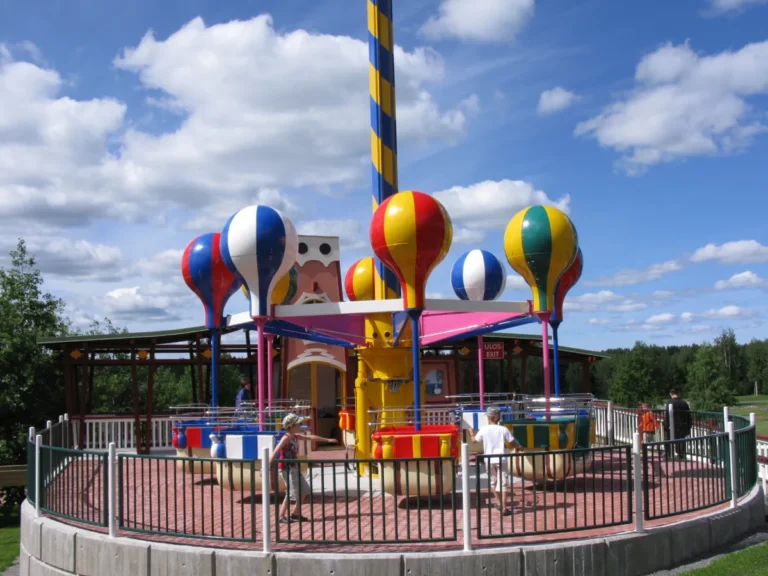
Families with young children tend to spend their time in two places: the barns, where kids can watch exhibitors work with cattle, swine, sheep, goats and poultry, and the activity areas set up with games and rides. The exhibit halls are worth a slow pass too — baking, canning, photography, flowers, crafts and school projects from across the county, judged and displayed with ribbons attached. It is the quiet heart of the fair and the part first-timers most often skip by accident.
Planning a Fair Trip to Southwest Iowa
Getting to Corning and the Fairgrounds
You will drive. Adams County sits in southwest Iowa, and Corning is the practical center of it, reached by state highways that connect to larger routes in the region. Once you are in town, fairground signage and the flow of traffic will point you the rest of the way. If you are coming from out of state, plan the last stretch of the trip in daylight — the roads are good, but the countryside looks similar in every direction after dark.
Where to Stay in and Around Adams County
With a county population of 3,704, lodging in the immediate area is modest, so reserve early if you plan to stay overnight during fair week. Corning has the closest options; larger towns within driving distance of the county offer additional motels and chain properties. Campers and RV owners often base themselves nearby and drive in for the day. If you are visiting family in the area, that is usually the simplest arrangement of all.
Parking on Fair Week
Parking is generally on or adjacent to the fairgrounds, much of it on grass, with volunteers directing cars during the busiest hours. Arrive early on grandstand nights, when the lots fill fastest. Follow the markers and the people in vests rather than improvising a spot, and never park in front of a field gate or driveway — farm equipment still moves during fair week.
What Admission and Extras Cost
Entry to the fair is typically free, which makes it an easy outing for a family on a budget. Individual grandstand events, carnival rides and food are where money changes hands. Set a rough budget before you go, keep small bills handy, and treat the ticketed evening shows as optional add-ons rather than the main event.
Summer Weather in Southwest Iowa
Fair week lands in the hottest part of the Iowa year. Expect heat, humidity and the chance of an afternoon thunderstorm that clears as quickly as it arrived. Bring water, sunscreen and a hat; wear shoes you do not mind getting dusty or muddy. Evenings cool off nicely, which is another reason the grandstand draws a crowd.
A Sample Weekend at the Adams County Fair
Your first evening. Arrive in late afternoon, walk the barns while exhibitors are still working, then grab dinner from a church stand and claim a grandstand seat before the evening program starts. Stay for the last event; the crowd energy is best after sunset.
Your full day. Come back in the morning for livestock judging and a slower pace. Spend an hour in the exhibit halls, let the kids hit the games and rides in the afternoon, then take a break — a shaded lawn or a drive through town — before returning for the evening show.
Your last morning. Check what is scheduled before the grounds wind down: often a final round of shows, a community meal, or exhibit pickup. This is a good time to talk with exhibitors, who are usually happy to explain what you are watching.
How It Compares With Neighboring County Fairs
Adams County’s fair is smaller and more intimate than what you will find in some neighboring counties. The Taylor County Fair in Bedford, the Montgomery County Fair in Red Oak and the Union County Fair in Creston all draw from larger population bases and tend to run longer schedules with bigger grandstand acts. If you are traveling through southwest Iowa in mid-summer, it is entirely possible to catch two fairs in one trip.
What the Adams County version offers instead is scale. You can walk the whole grounds in an afternoon, see people you met the day before, and watch a livestock show without standing behind a crowd three rows deep. For a first-timer trying to understand how an Iowa county fair actually works, that is an advantage.
First-Timer’s Checklist for Corning in Fair Season
Bring cash in small bills, a refillable water bottle, sunscreen, a hat, comfortable closed-toe shoes and a light rain jacket. Charge your phone and consider a battery pack, since you will take more photos than you expect. Check the fair schedule before you drive over so you do not miss the events you care about, and confirm whether any grandstand show requires a separate ticket. If you have kids, pack wipes and a change of clothes for the barns. Leave pets at home — livestock and dogs do not mix. And leave a little room in the car for anything you pick up from a vendor or a bake sale.
Beyond the Fairgrounds in Adams County
Once you have walked the fair, give yourself time to see the county that surrounds it. Corning is a small county seat with a compact downtown, and the drive out of town opens into the rolling farmland that defines this part of southwest Iowa — corn and soybean fields, pastures, windbreaks and gravel roads that reward a slow loop with no particular destination.
The pace here is the point. A first-time visitor used to bigger festivals often finds that the best hour of the trip is the one spent driving the county roads between towns, stopping where something looks interesting. Pair that with an evening back at the fairgrounds and you have a fuller picture of the place than the fair alone can give you.
What a Fair Means to a County of 3,704 People
In a county this size, the fair is not just entertainment. It is one of the few occasions each year when residents from every corner of those 426 square miles end up in the same place at the same time. It is where 4-H members learn to present their work to strangers, where local businesses get a week of steady customers, and where families who have farmed here for generations reconnect with neighbors they only see in summer.
That is also why the fair survives. It is sustained by volunteers who take vacation days to staff gates and run shows, and by exhibitors who treat it as the culmination of a year’s work. Visiting respectfully — buying from the stands, staying for the shows, thanking the people in the barns — is how a first-timer becomes part of the tradition rather than just a spectator.
Where the Adams County Fair Sits
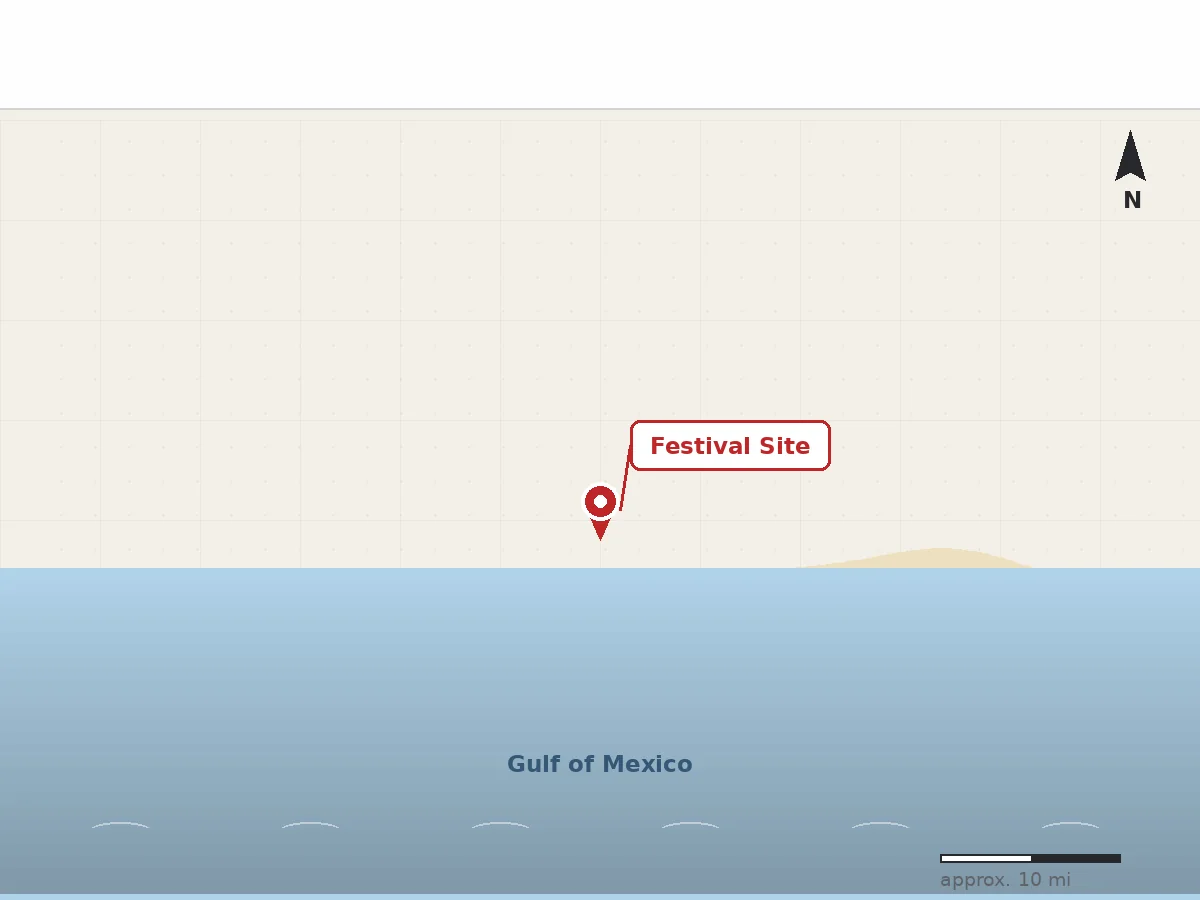
The Adams County Fairgrounds are located in the Corning area of Adams County, in southwest Iowa, with the county seat’s street grid and the surrounding farmland serving as the simplest landmarks for finding your way in.
Answers for First-Time Adams County Fair Visitors
Is the Adams County Fair free to attend?
Entry is typically free, which is one of the reasons the fair works so well as a family outing. Certain grandstand events, carnival rides and all food and vendor purchases cost money, so bring cash and decide in advance which extras matter to you.
When is the fair usually held?
Like most Iowa county fairs, it runs on a summer weekend, generally in July or early August. Because the exact dates shift from year to year, check the current schedule before you plan travel or book a room.
Is it a good fair for young children?
Yes. The grounds are compact enough that small legs can manage them, the barns are a reliable hit with kids, and there are games and rides to break up the day. Bring water, sunscreen and a change of clothes, and plan an afternoon break during the hottest hours.
Should I bring cash?
Yes. Small stands and concession booths at rural fairs often prefer cash, and ATMs are not always close at hand. Small bills make everything easier, from a slice of pie to a ride ticket.
Looking Ahead for the Adams County Fair
The fair’s future depends on the same things that have carried it this far: volunteer energy, youth participation, and local support. As long as families in Adams County keep raising livestock, entering exhibits and showing up on a summer weekend, the fairgrounds in Corning will keep filling each year. For a first-time visitor, that continuity is the real attraction — a tradition that has outlasted most of the reasons it started, and still works.
Last updated: October 2026
Go once, and you will understand why a county of 3,704 people treats a few days in July or August as the center of its year. Go early, stay late, eat something fried, and spend an hour in the barns talking to the people who make it happen. That is the whole orientation, and it is the best way to meet Adams County.

One Comment