Washington Parish Louisiana Washington Parish Fair Festival
The Washington Parish Fair is the annual moment when this stretch of southeast Louisiana’s piney woods gathers in one place. Livestock barns, exhibit halls, a midway, and long rows of food trailers fill the fairgrounds, and for a few days the parish’s schools, farms, churches, and families all seem to be there at once.
If you have never been, the fair rewards a little forethought. This guide covers the practical side: when it happens, how to reach the Franklinton area, where to sleep, what to eat, and how to build a full weekend around it.
The Washington Parish Fair: Ten Rows of Practical Detail
| Festival | Washington Parish Fair |
| Area | Washington Parish, Louisiana, around the parish seat of Franklinton |
| County seat | Franklinton |
| Parish population | 45,463 (2020 census) |
| Land area and region | 676 square miles of piney woods in southeast Louisiana, north of Lake Pontchartrain |
| Typical timing | Each autumn, generally during October |
| Admission | Typically free to enter; rides, games, and vendors charge separately |
| Setting | Open-air fairgrounds with barns, exhibit halls, a midway, and food rows |
| Signature features | Livestock shows, agricultural and school exhibits, live music, fair food, carnival rides |
| Organizer | A parish fair association supported by community volunteers and local sponsors |
Keep those basics in mind and the rest of the visit tends to sort itself out.
The Washington Parish Fair and the Piney Woods It Calls Home
The fair belongs to Washington Parish, a 676-square-mile county in southeast Louisiana, set in piney woods north of Lake Pontchartrain. Its parish seat is Franklinton, and its population stood at 45,463 at the 2020 census. The parish was named for President George Washington, a detail that hints at how long this place has been building a civic identity of its own.
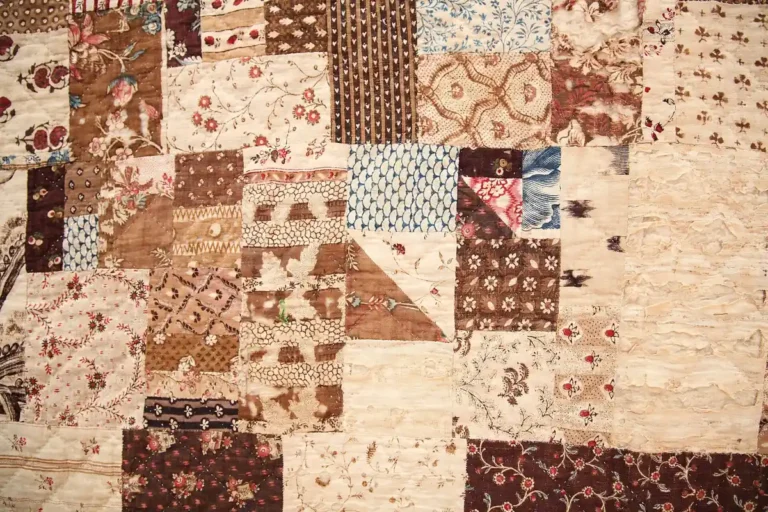
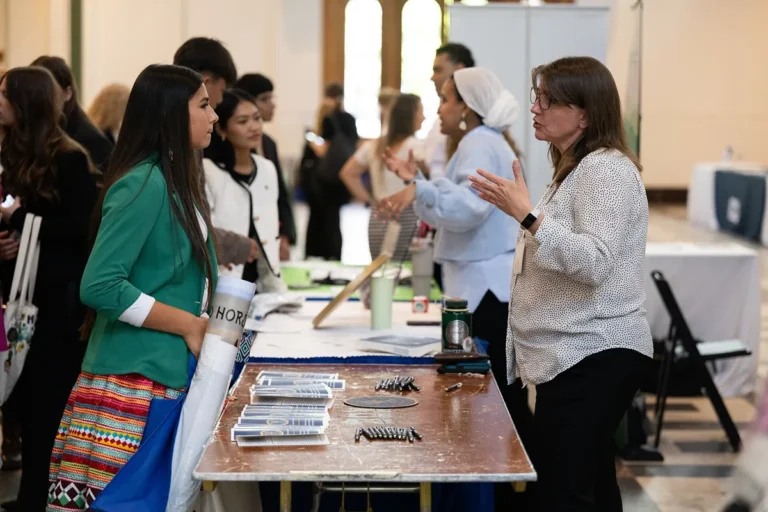
What that means for a visitor is a fair with a genuinely local flavor. This is not a touring carnival that happens to set up in a field. It is a parish institution built around agriculture, schools, and community organizations — the kind of event where the people working the booths are the same people you stood behind in line at the hardware store. Expect livestock shows, canned goods and quilts in the exhibit halls, student artwork, and vendor stalls run by families who live within a short drive of the grounds. The crowd mixes strollers, folding chairs, teenagers on the midway, and farmers who have been coming since they were children.
How the Fair Grew Up Alongside Franklinton
The fair’s roots sit in the agricultural exhibition tradition that took hold across rural Louisiana, where parishes gathered growers, livestock breeders, and homemakers to compare notes and show off a season’s work. Washington Parish — with its farms, dairies, poultry operations, and timber economy — was a natural fit for that kind of gathering.
In its early years, the emphasis was squarely on what the parish produced: animals, crops, preserves, needlework, and the practical skills that kept rural households running. Mid-century brought expansion. Carnival rides arrived, the food offerings multiplied, and the entertainment schedule stretched into the evenings, turning a daytime exhibition into a multi-day social calendar event. In more recent decades the fair has kept its agricultural core while growing into one of the parish’s biggest annual gatherings, with a full midway, stages for live music, and hundreds of vendors spread across the grounds. Through every phase, the shape has stayed familiar: a few days each autumn when the parish takes stock of itself and enjoys the company.
What a Fair Day in Washington Parish Actually Feels Like
The grounds are walkable but spread out, and the experience shifts depending on when you arrive. Mornings belong to exhibitors and early eaters; afternoons fill with families; evenings bring the midway lights and the music.
Fair Food With a Louisiana Accent
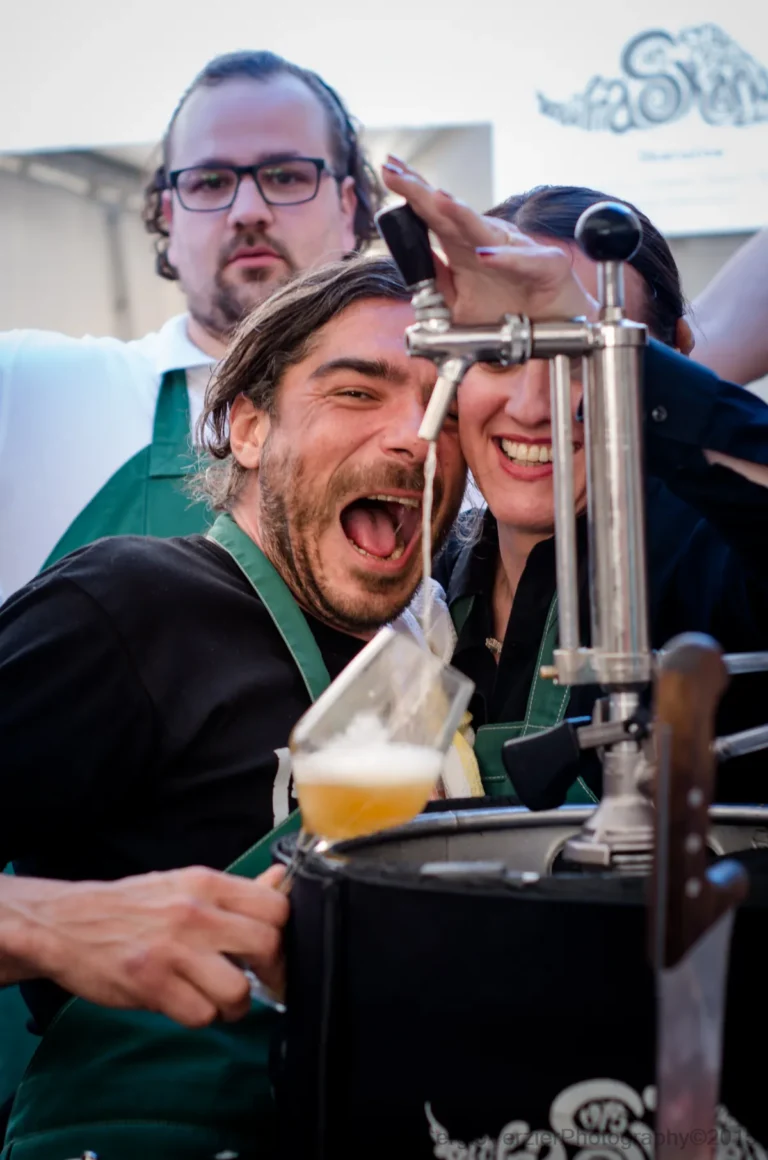
Food is the main event for a lot of visitors, and the selection runs from classic carnival staples to deep south Louisiana cooking. Expect the usual: funnel cakes, corn dogs, fried everything, kettle corn, and lemonade by the gallon. Alongside those you will usually find smoked meats, sausage po-boys, jambalaya, gumbo, crawfish dishes in season, and church-group booths selling plate lunches and homemade baked goods. Portions are generous and prices are set vendor by vendor, so it pays to walk the food rows once before committing.
Live Music and Entertainment on the Grounds
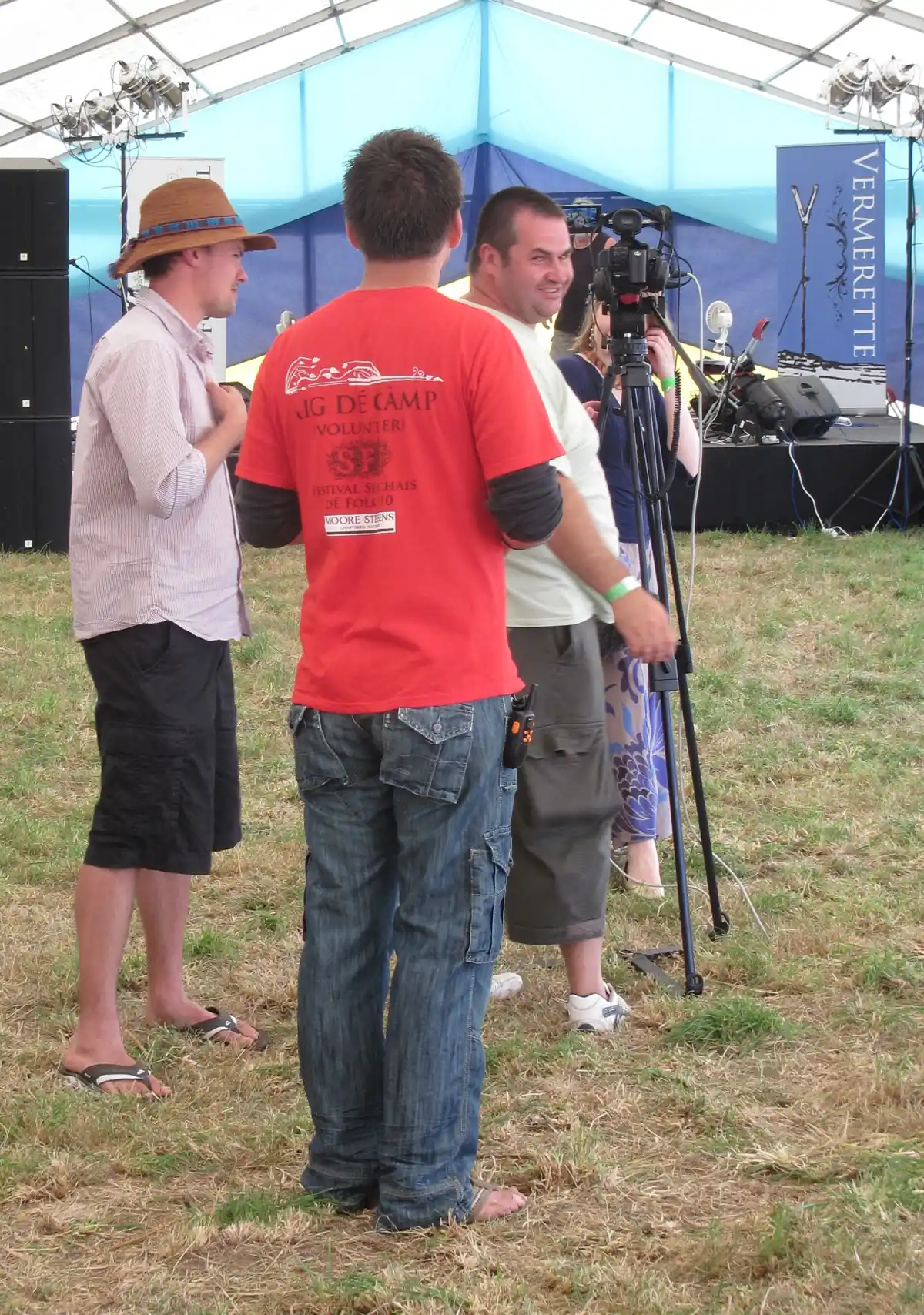
Live entertainment typically runs through the afternoon and into the night, leaning on local and regional acts — country, gospel, swamp pop, and rock covers — plus the informal soundtrack of the midway and the loudspeaker announcements from the livestock arena. Bring a folding chair if you plan to camp out in front of a stage, and check the schedule posted at the entrance so you do not miss the act you came for.
Family Activities, Livestock, and the Midway
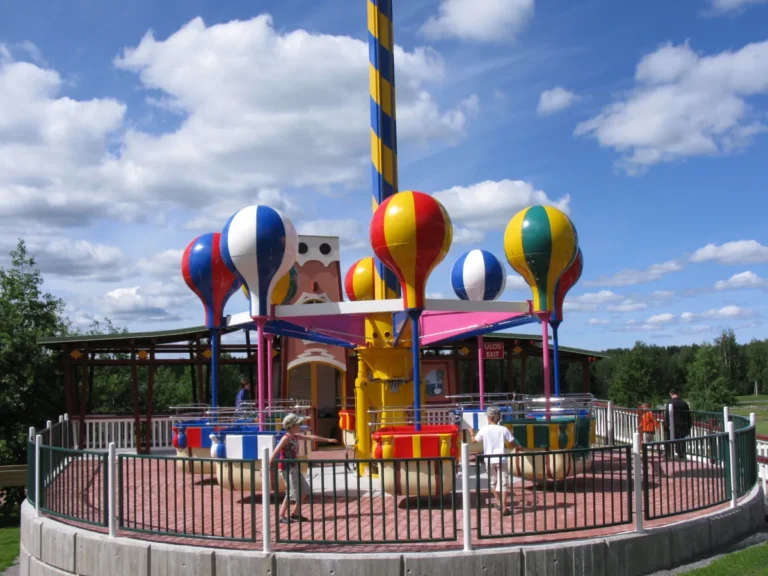
This is a fair built for children as much as anyone. Carnival rides and games anchor one end of the grounds, while the livestock barns and exhibit halls anchor the other. Watching a young exhibitor walk a calf or a goat through the arena is one of the most genuinely local experiences the parish offers. Add face painting, craft demonstrations, school exhibits, and the sheer room to run, and most families find a full day disappears quickly.
Planning a Trip Around the Washington Parish Fair
A little logistics work makes the difference between a stressful visit and an easy one.
Getting to the Franklinton Area
Washington Parish sits in southeast Louisiana, north of Lake Pontchartrain, and Franklinton is the parish seat and the most useful landmark for navigation. Most visitors arrive by car, and the final approach runs through rural highways and small communities where a wrong turn costs you twenty minutes. Load your directions before you leave reliable signal, and plan on slower traffic as you close in on the grounds during peak hours.
Where to Stay Near Washington Parish
Lodging inside the parish is limited, so book early if you want to stay close. Options in and around Franklinton tend to be small motels, cabins, and guest rentals, and they fill fast during fair week. Many visitors base themselves in a larger nearby town and drive in for the day, which trades a longer commute for more choice and often a better rate. If you are coming from out of state, treat the fair as part of a wider swing through the region rather than a single-stop trip.
Parking and Getting Around the Grounds
Expect dedicated fair parking areas with attendants directing traffic, plus some private lots and church parking nearby. Arrive before mid-morning or after the dinner rush for the easiest space. Once parked, everything is on foot, so wear shoes you can stand in for hours and leave the heels at the hotel. If you have mobility concerns, ask an attendant about the closest drop-off point before you park.
Admission, Costs, and Money Practicalities
Entry to the fairgrounds is typically free, with costs coming from rides, games, food, and shopping. Ride wristbands and ticket bundles are common, so compare them against how much your group will actually ride before buying. Carry cash: some vendors and church booths still prefer it, and the ATM lines get long when the grounds are busy.
Fair-Weather Planning for October in Louisiana
Autumn in this part of Louisiana is warm and humid more often than it is crisp, with a real chance of afternoon showers and the occasional cool front. Dress in light layers, bring rain gear you do not mind carrying, and pack sunscreen and bug spray. Evenings can turn surprisingly pleasant, so a light jacket is rarely wasted space.
A Sample Fair Weekend in and Around Franklinton
Friday afternoon and evening. Arrive early enough to park without circling. Walk the food rows first, then head to the exhibit halls and barns while the crowds are still light. Stay for the evening music and the midway lights, which is when the fair looks its best.
Saturday. Come for the morning, when livestock shows and judging are underway and the grounds feel like a working agricultural fair rather than a carnival. Grab lunch from a church or civic booth, spend the hottest hours in the shaded exhibit buildings, then take a break back at your lodging before returning for dinner and the evening entertainment.
Sunday. Use the morning for anything you missed — a second pass at the vendors, a last funnel cake, a quieter walk through the barns — then spend the afternoon exploring the parish before heading home. Leaving before the final evening rush makes the drive out far easier.
How the Washington Parish Fair Compares With Nearby Events
If you are deciding where to spend a fall weekend, it helps to know what makes this fair distinct. To the south, the Ponchatoula area’s spring strawberry celebration is fruit-focused and built around a single crop, with a very different seasonal calendar. Closer to home, Bogalusa and other Washington Parish communities host their own smaller gatherings through the year, but none carries the same parish-wide, multi-day scope as the fair. And the Northshore towns toward Covington and Mandeville offer a more polished, dining-and-boutique weekend — pleasant, but not the same thing at all. The Washington Parish Fair is agricultural, unpretentious, and deeply local, and that is precisely its appeal.
Washington Parish Fair Checklist: Pack, Plan, Pace
| Comfortable walking shoes | You will cover more ground than you expect |
| Cash in small bills | Faster at vendor booths and church stands |
| Sunscreen and a hat | October sun in Louisiana is no joke |
| Rain jacket or poncho | Afternoon showers are common |
| Folding chair | Useful for stages and livestock arena seating |
| Reusable tote bag | For crafts, preserves, and impulse purchases |
| Charged phone and meet-up plan | Cell service can lag in a dense crowd |
Beyond the Fairgrounds: Washington Parish the Rest of the Year
Build an extra half day into your trip and the parish rewards you. Franklinton has the quiet, courthouse-square feel common to parish seats across the South, with local restaurants, shops, and the kind of breakfast counters where regulars do not need a menu. The surrounding countryside is timber land, pasture, and river bottom, threaded with backroads that are worth driving slowly. The Bogue Chitto River corridor is the parish’s outdoor draw, popular for paddling and fishing when water levels cooperate. Small communities scattered across the 676 square miles each have their own churches, ball fields, and annual gatherings, and several of them overlap with fair season.
What the Fair Means to Washington Parish
In a parish of roughly 45,000 people spread across a large rural county, shared events matter. The fair is where the 4-H exhibitor, the volunteer running the raffle booth, the band playing the evening set, and the family that drove in from the far end of the parish all end up in the same place at the same time. It keeps agricultural knowledge visible to people who no longer farm, gives local organizations their biggest fundraising window of the year, and hands teenagers something to do that is not a screen. For a few days each autumn, it functions as the parish’s living room.
Where the Washington Parish Fairgrounds Sit
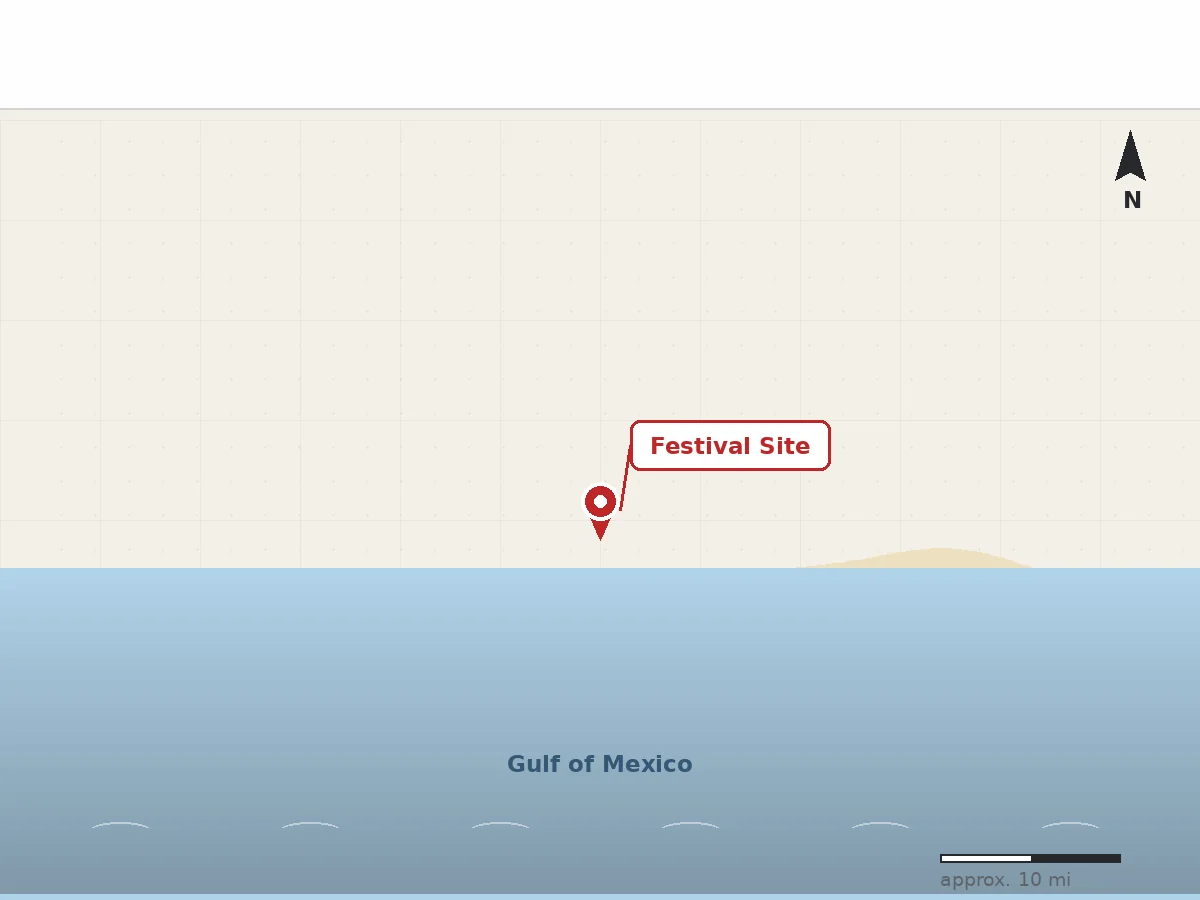
The Washington Parish Fair takes place in the Washington Parish area of southeast Louisiana, with Franklinton — the parish seat — serving as the closest anchor town for directions, lodging, and supplies.
Practical Answers for First-Time Washington Parish Fair Visitors
Is there an admission fee to enter the fairgrounds?
Entry is typically free, and the money you spend goes to rides, games, food, and vendors. Because pricing is set individually, budget loosely rather than precisely, and expect ride tickets or wristbands to be the largest single expense for families with children.
What is the best time of day to visit?
Mornings are calmest and best for livestock shows, exhibits, and unhurried food browsing. Late afternoon and evening bring the biggest crowds, the brightest midway, and the main entertainment. If you dislike crowds, come early; if you want atmosphere, come after dark.
Is the fair workable for strollers, wheelchairs, and older visitors?
Yes, with planning. The grounds are largely flat and open, but surfaces can be uneven and grassy areas get soft after rain. Ask staff about drop-off points and the most accessible routes between the barns, exhibit halls, and midway before you set out.
Should I bring cash or rely on cards?
Bring both, and lean toward cash. Many vendors, church groups, and civic booths handle cash more easily, and on-site ATMs can develop long lines during peak hours. Small bills speed things up considerably when the food rows are busy.
The Road Ahead for the Washington Parish Fair
The fair’s future looks steady, and the reasons are structural rather than sentimental. Washington Parish remains a place where agriculture, schools, and churches still organize community life, and the fair gives all three a stage. Expect continued emphasis on livestock and youth exhibits, more variety in food and entertainment, and ongoing reliance on volunteers who treat fair week as a fixed point on the calendar. For visitors, that means the essentials are unlikely to change: free entry, an autumn weekend, real local food, and a genuine parish crowd. Come with patience for traffic and an appetite, and you will understand why families here mark the season by it.
Last updated: October 2026
Whether you come for the livestock arena, the food rows, or simply the chance to see a rural Louisiana parish at its most sociable, the Washington Parish Fair is worth building a weekend around. Plan the drive, book early, bring cash and comfortable shoes, and let the afternoon run long.