Wayne County Kentucky Wayne County Fair Festival

Monticello has been the seat of Wayne County, Kentucky since the county was organized on December 13, 1800, and it has spent more than two centuries as the meeting point for a county that covers 484 square miles of rolling south-central Kentucky. Wayne County was named for Gen. Anthony Wayne; the 2020 census counted 19,555 residents spread across farms, small crossroads communities, and wooded ridges. That scale is the reason the Wayne County Fair exists in the shape it does. When neighbors live miles apart, fair week is the one stretch of the year when the whole county stands on the same ground.
Wayne County Fair Essentials: Monticello, Kentucky
The short version, before the long one:
| Town | Monticello area, Wayne County, Kentucky |
| County | Wayne County |
| County seat | Monticello |
| County population | 19,555 (2020 census) |
| Region | South-central Kentucky |
| Typical timing | Late summer into early autumn |
| Admission | Generally free, with some activities priced separately |
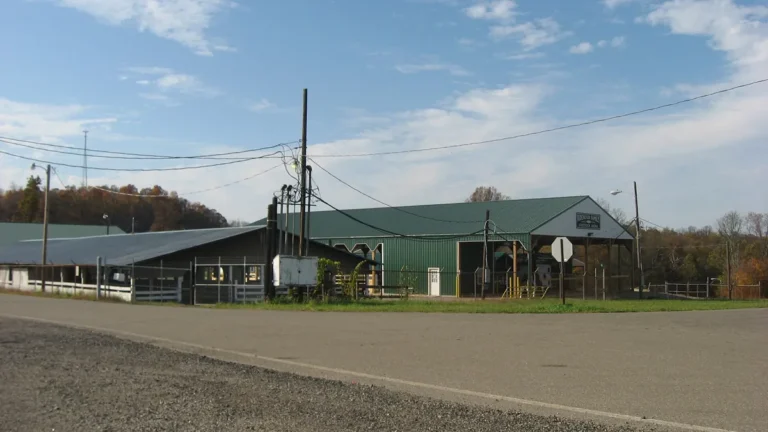
| Setting | Rural fairgrounds in the Wayne County countryside |
| Features | Livestock shows, exhibits, midway rides, food vendors, live entertainment |
| Organizer | Local volunteers and community organizations |
What the Wayne County Fair Actually Is
The Wayne County Fair is a classic Kentucky county fair, and it wears that identity without apology. A fair week typically brings livestock shows and youth exhibits, an exhibit hall filled with home and garden entries, a midway of carnival rides, rows of food trailers, and evening entertainment on a stage or in a grandstand. Because Wayne County remains a farming county at heart, the agricultural side is not a side attraction. It is the spine of the event, and the ribbons handed out in the barns carry real weight.
The fair is also shaped by geography. With 19,555 people spread across 484 square miles, Wayne County has no dense population center to draw from; it has Monticello and a wide ring of countryside around it. That means the fair works as a reunion as much as a carnival. General admission is typically free, with rides, games, and some events priced separately, which keeps the week accessible to families who come back several nights in a row. Timing usually falls in late summer or early autumn, following the rhythm of the harvest and the school year.

Two Centuries of Fair Tradition in Wayne County
Wayne County was created on December 13, 1800 and named for Gen. Anthony Wayne, with Monticello established as its seat. In the decades that followed, fairs across Kentucky grew out of agricultural societies — groups of farmers and merchants who organized competitions for the best livestock, grain, and produce, and who used those gatherings to compare methods and settle long-running arguments about breeding and yield. The Wayne County Fair belongs to that lineage, and it has never really left it.
Through the nineteenth and early twentieth centuries, county fairs moved from open fields and temporary pens toward something more permanent: barns, an exhibit hall, a grandstand, and eventually a midway with mechanical rides. Youth organizations added their own competitions, tying fair week to the school calendar and to the county’s next generation of farmers. By the middle of the twentieth century, the fair had become a fixture — the point in the year when Wayne County’s businesses, churches, clubs, and families all turned their attention to the same few acres.
That continuity is the fair’s most striking feature. Counties change: farms consolidate, young people move away, main streets shift. The Wayne County Fair has survived those changes by staying useful — a place to show work, sell food, raise money for teams and clubs, and let teenagers ride the same rides their grandparents rode. The attractions have turned over many times. The institution has not.
Inside a Fair Day in Monticello
A day at the Wayne County Fair moves at the pace of a small county. Mornings belong to animals and exhibitors, afternoons to families with young children, and evenings to crowds, music, and the glow of the midway.
Fair Food and the Flavor of Wayne County
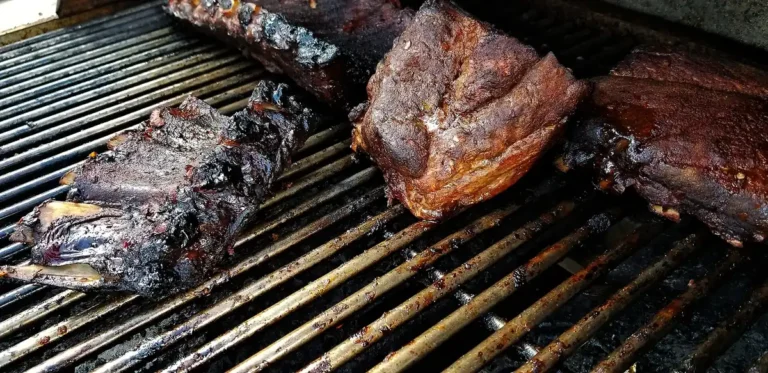
Fair food here is the familiar Kentucky lineup: funnel cakes, corn dogs, hand-cut fries, smoked meats, lemonade shakes, and whatever the local church and civic groups are selling from their booths. Those volunteer stands matter as much as the commercial trailers, since the proceeds generally flow straight back into the community. Expect long lines at peak dinner hours and a strong pull toward anything fried. Bring some cash for small vendors and tip jars; card readers show up more each year, but they are not universal.
Music, Stage Acts, and Evening Entertainment
Evening entertainment typically includes local and regional bands, country and gospel acts, and the kind of stage programming that gets grandparents onto the dance floor while kids run laps at the front. Many fair weeks also build in a grandstand event or two — a tractor pull, a demolition derby, a pageant, or a livestock auction — though the exact lineup changes from season to season. Check the current schedule before you commit to a particular night.
Family Activities from Barns to Midway
The midway is the obvious draw for children, but the grounds hold quieter options too: livestock barns where kids can watch animals being washed and fitted, exhibit halls full of prize vegetables and hand-sewn quilts, and games that reward persistence over luck. Strollers handle most of the grounds, though grass and gravel sections can be uneven after rain. Plan an afternoon rest if you intend to stay for the lights.
Planning a Trip Around the Wayne County Fair
Wayne County is rural, and a little forethought goes a long way. Here is what to sort out before you drive to Monticello.
Getting to Wayne County
Monticello sits in south-central Kentucky, and nearly everyone arrives by car along the region’s two-lane highways and parkways. From neighboring counties the drive is short; from larger cities it is a longer haul that rewards an overnight stay. Public transit in this part of the state is limited, so treat a vehicle as essential and fill the tank before you get close to town.
Where to Stay Near Monticello
Lodging around Monticello leans toward small motels, cabins, and vacation rentals, with more inventory in the surrounding lake country. Fair week is one of the busier stretches of the year, so booking several weeks ahead is wise if you want a room within a short drive of the grounds. Campers should look at regional campgrounds, which fill quickly in warm weather.
Parking Around the Fairgrounds
Parking is usually a mix of designated lots and grass fields staffed by volunteers, sometimes with a modest charge. Arrive before the dinner rush to park close; arrive after it and expect a walk. Make a mental note of where you left the car, because rows of trucks and SUVs look alike after dark and field lighting is limited.
Admission, Tickets, and Costs
General admission is typically free, which is part of why local families come several nights running. The money goes out in smaller increments instead: ride wristbands or tickets, games, food, raffles, and ticketed grandstand events. Set a rough budget per person before you walk through the gate, and check the season’s schedule for any special-priced nights.
Wayne County Weather and What to Wear
Late summer and early autumn in south-central Kentucky mean warm, humid days and cooler evenings, with a real chance of an afternoon thunderstorm. Dress in layers, choose shoes you don’t mind getting dusty or muddy, and pack a light rain jacket rather than an umbrella if you plan to spend time in the midway. Barns are cool in the morning; the middle of the day is not.
A Sample Fair Weekend in Wayne County
Start with an early evening on one of the first nights, when crowds are thinner and exhibitors are still settling in. Walk the barns first, then the exhibit hall, then eat. Save the midway for after sunset, when the lights come on and the rides look their best.
Return the next afternoon for the agricultural heart of the fair: livestock shows, an auction or competition, and the booths run by local clubs and teams. Stay through the evening for the headline entertainment, then finish with dessert and one last loop past the barns before the grounds empty out. If you have a third morning, spend it in Monticello itself — breakfast in town, a walk around the courthouse square, and a slow drive back through the countryside.
How the Wayne County Fair Compares Nearby
Albany, Jamestown, and Somerset all sit within an easy drive of Monticello, and each anchors its own county’s fair tradition. Those fairs tend to pair with a different set of draws — a courthouse square here, a lake or a larger commercial strip there — and each has its own character and its own week on the calendar.
Wayne County’s version leans smaller and more agricultural than what you find in larger regional towns, and that is precisely its appeal. If you are in the area for several days, you can pair the fair with a day trip to a neighboring town without ever leaving the same stretch of south-central Kentucky. Visitors who prefer a slower, more local fair week will feel at home in Monticello.
Wayne County Fair Checklist for First-Timers
Pack cash for small vendors and gate donations, sunscreen, bug spray, a refillable water bottle, and comfortable shoes. Bring a tote for exhibit-hall purchases and a light jacket for after dark. Charge your phone, and consider a portable battery since outlets are scarce. Decide your parking strategy before you arrive, agree on a meeting point with your group in case you split up, and check the season’s schedule for livestock show times and grandstand events so you do not miss the parts you came for.
Beyond the Fairgrounds: Monticello and Rural Wayne County
The fair is a fine excuse to see the rest of Wayne County. Monticello, the county seat, is a small town built around its courthouse square, with local diners, shops, and the kind of quiet main street that rewards an unhurried walk. Beyond town, 484 square miles of backroads roll past farms, timber, and creek bottoms, and the region’s lake country draws anglers and boaters through the warm months.
Give yourself an extra half day. Drive a loop out of Monticello toward the water, stop at a roadside stand if one is open, and let the county show you why so many families here still measure the year by the fair rather than by the calendar.
What Fair Week Means to Wayne County
For a county of 19,555 people, the fair is infrastructure as much as entertainment. It is where clubs and teams raise a season’s worth of money, where young exhibitors learn to handle animals and speak to judges, where local businesses see familiar faces, and where families who live twenty minutes apart finally catch up. Volunteers carry most of the weight, and that volunteer labor is the reason a county this size can stage an event this large.
There is also something quieter at work. A fair that has run across generations becomes a shared reference point — the place where people remember being children, being teenagers, being parents. In a rural county, that continuity is not sentimental decoration. It is community glue.
Where the Wayne County Fair Sits on the Map
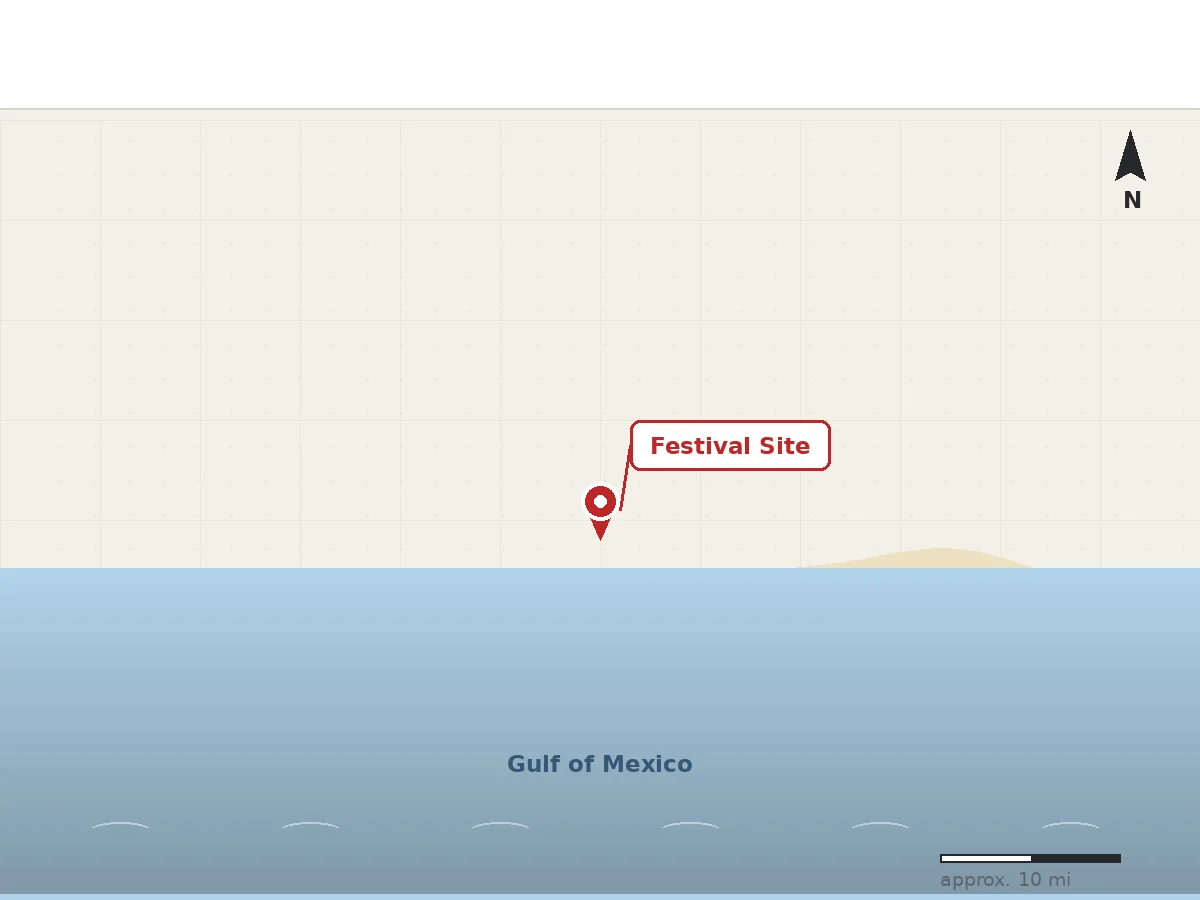
The Wayne County Fair takes place in the Monticello area of Wayne County, Kentucky, in the south-central part of the state.
Wayne County Fair Visitor Questions, Answered
When is the Wayne County Fair held?
The fair is a seasonal event, held in most years during late summer or early autumn, and it runs for several days rather than a single weekend. Exact dates shift from year to year, so check the current season’s schedule before booking travel or rearranging a work week.
Is there an admission fee?
General admission is typically free, with individual rides, games, food, raffles, and some grandstand events priced separately. That structure is deliberate: it lets local families come back on multiple nights without paying a gate fee each time.
What should I bring to the fairgrounds?
Cash, sunscreen, bug spray, water, and shoes built for grass and gravel. Add a light layer for the evening and a tote for anything you buy in the exhibit hall. If you are traveling with children, a stroller works well on the main paths but can struggle on uneven ground after rain.
Is the fair a good fit for young children and older visitors?
Yes. Afternoons are family-friendly and the barns and exhibit halls give younger kids something to do beyond the midway, while seating near the stage and easy walking distances suit older visitors. Arriving earlier in the day means cooler temperatures, shorter lines, and a calmer pace all around.
The Next Chapter for the Wayne County Fair
County fairs everywhere are navigating the same pressures: rising insurance and carnival costs, an aging volunteer base, and competition from screens and travel. Wayne County’s fair has advantages that many places lack — deep local loyalty, a strong agricultural base, and a population that still treats fair week as a fixed point in the year.
Expect the coming seasons to bring small, practical shifts rather than reinvention: more digital scheduling and payment options, continued investment in barns and exhibit space, and fresh effort to bring younger volunteers into the organizations that keep the week running. The format that has served Monticello for generations is likely to look familiar for a long time yet.
Last updated: October 2026
If you plan a trip around the Wayne County Fair, plan it the way locals do — one evening for the barns, one for the midway, and one for the people you have not seen since last year. That is the version of the fair that has lasted two centuries in south-central Kentucky, and it is the one worth driving out to Monticello for.