Webster County Kentucky Webster County Fair Festival
By late summer, the farmland around Dixon has reached its heaviest green. Corn stands tall in the bottoms, soybean fields run out to the tree lines, and the evenings arrive a little earlier each week. This is the season when the Webster County Fair traditionally takes shape, turning a few days into the social center of a western Kentucky county of 13,017 people.
County fairs in this part of Kentucky are less spectator events than family reunions with livestock barns attached. Neighbors who nod at each other at the feed store all year still stand and talk for twenty minutes at the fair. Kids who spent the spring raising a calf or a pen of chickens finally walk it into a show ring. Grandparents claim the same folding chairs under the same shade tree they claimed the year before.
Webster County covers 336 square miles, and much of it is working agricultural land. The fair is one of the few occasions when that whole spread of countryside — Dixon, Providence, Sebree, Clay, Slaughters, and the smaller communities between them — gathers in one place at one time.
Webster County Fair Basics: Town, Timing, and Setting
| Town / place | The Webster County area, with Dixon as the county seat |
| County | Webster County, Kentucky |
| County seat | Dixon |
| Population | 13,017 (2020 census) |
| Region | Western Kentucky |
| Typical timing | Late summer, usually over a weekend or a few days |
| Admission | Typically free to enter |
| Setting | Rural fairgrounds surrounded by farmland |
| Features | Livestock and agricultural exhibits, carnival rides, fair food, live entertainment, family activities |
| Organizer | Local volunteers and community organizations |
What the Webster County Fair Is, in Plain Terms
The Webster County Fair is the county’s annual agricultural and community fair, staged in the Webster County area during the late summer season. Like county fairs across Kentucky, it pairs a competitive exhibition — livestock, produce, baked goods, handicrafts, and projects from youth agricultural programs — with the lighter pull of a midway, rides, and live entertainment.
Admission is typically free, which fits a fair that functions as a public reunion rather than a ticketed attraction. Individual rides, games, and some grandstand events may carry their own charges, so it pays to have a little cash on hand.
The fair is run by local volunteers and community organizations — the kind of arrangement where the same families work the gates, park the cars, and staff the concession booths year after year. There is no corporate polish to it, and that is precisely the appeal.
From an 1860 County Seat to a Late-Summer Tradition
Webster County was established in 1860, with Dixon designated as the county seat. Those early decades were defined by agriculture: row crops, hogs, and the slow, patient work of clearing and draining land in western Kentucky. County fairs across the state grew out of that same world, when agricultural societies organized exhibitions to compare crops, livestock, and farming methods — and to give rural families a reason to come to town.
The Webster County Fair belongs to that lineage. Across the generations it has shifted along with the county around it, from an era when nearly everyone farmed to one where many residents commute to jobs elsewhere and farm part-time or not at all. The livestock show and the exhibit hall have stayed near the center of the schedule even as the midway grew louder and the entertainment changed.
What has not changed is the calendar logic. Fair season in Kentucky follows the growing season. Exhibits are judged when gardens and fields are at their peak, and the fair marks a pause before school routines and autumn work take over. In Webster County that rhythm is still easy to recognize.
Older residents can trace the fair through small details — which barn housed the rabbits, where the stage used to stand, which year the weather turned and soaked the grounds. Those stories are the fair’s real archive.
What a Fair Weekend in Webster County Feels Like
A fair weekend here follows a loose rhythm that most visitors learn within an hour of arriving. Mornings belong to exhibitors and judges; afternoons bring families; evenings fill the midway and the grandstand.
Fair Food Along the Midway
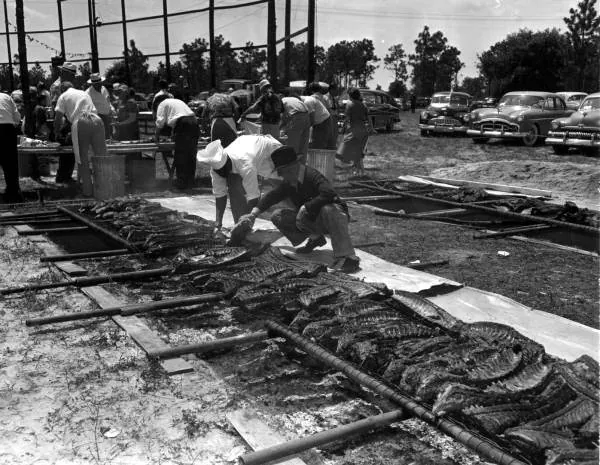
Food is the fair’s loudest attraction. Expect the standard midway lineup — funnel cakes, corn dogs, cotton candy, lemonade shake-ups, hand-cut fries — alongside booths run by churches, civic clubs, and local organizations selling barbecue, chili, soups, and slices of pie. Western Kentucky has its own traditions, and burgoo, a slow-simmered community stew, tends to show up wherever a crowd gathers. Portions are generous, prices are modest, and the lines move fastest in the late afternoon before the evening rush.
Music, Grandstand Nights, and Local Talent
Evening programming carries the fair’s social weight. Live music is a staple, from country and gospel to local cover bands, often performed on a simple stage with folding chairs arranged in front. Grandstand events vary from year to year, and they tend to be the loudest part of the night. Between sets, the sound of the midway takes over.
Family Activities, Livestock Barns, and Exhibit Halls
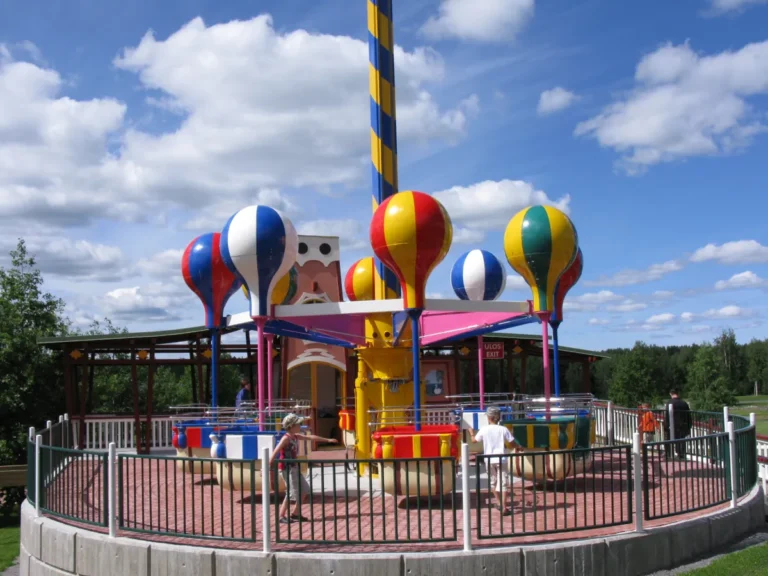
For families, the fair is built for wandering. Carnival rides and games occupy one end of the grounds, while the livestock barns and exhibit hall occupy the other, and the contrast is part of the charm. In the barns, kids can see animals up close and watch young exhibitors prepare for show. In the exhibit hall, ribbons mark the best tomatoes, quilts, photographs, and jars of preserves. Strollers handle the grounds reasonably well in dry weather, and there is usually seating for anyone who needs to rest.
Planning a Fair Trip to the Webster County Area
Getting to Dixon and the Fairgrounds
Dixon sits at the center of Webster County and serves as the practical reference point for fair traffic. Visitors arrive by car on two-lane state highways that thread through farmland, so allow more time than a map might suggest — farm equipment, slow trucks, and the occasional tractor can reset your schedule. Fairground entrances are typically well marked during fair week.
Where to Stay in and Around Webster County
Lodging inside a rural county is limited, so most visitors either drive in from home or base themselves in one of the region’s larger towns and treat Dixon as a day trip. Booking early matters more than usual in late summer, when several counties in western Kentucky are running fairs and events at the same time.
Parking and Arrival Timing
Parking is usually on grass lots around the fairgrounds, directed by volunteers. It fills quickly after dinner, so arriving in the late afternoon is easier than arriving at peak evening hours. Carpooling with neighbors is both practical and entirely in keeping with the spirit of the event.
Admission and What Things Cost
General admission is typically free. Individual rides, games, and some grandstand events may charge separately, and smaller vendors may be cash-only, so carry small bills. Budget for food and a few ride tickets rather than a large entry fee.
Weather and What to Wear
Late summer in western Kentucky means heat, humidity, and the possibility of an afternoon thunderstorm. Dress for walking: closed-toe shoes for the barns and gravel paths, a hat, sunscreen, and a refillable water bottle. Bring a light layer for the evening, and insect repellent if you plan to be near the barns after dark.
A Sample Fair Weekend in Webster County
Friday evening: Arrive before the dinner rush, walk the exhibit hall first while it is still quiet, then work your way to the midway. Eat at a church or civic booth, stay for the evening music, and leave before the parking lot empties.
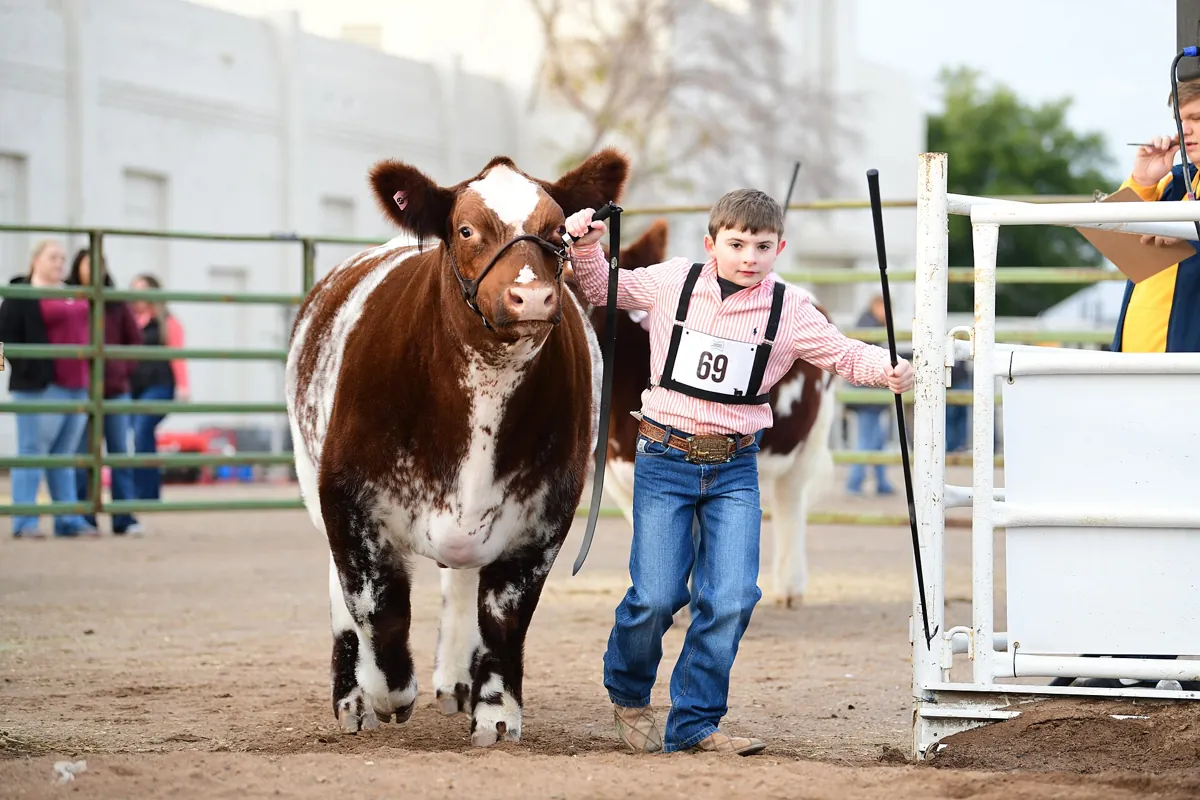
Saturday morning: Return early for the livestock shows. This is the fair at its most serious and most local — young exhibitors in the ring, families along the fence, judges taking notes. It is also the coolest, quietest part of the day.
Saturday afternoon: Browse the commercial and craft booths, catch a grandstand event, and let the kids ride. Grab a late-afternoon snack while the lines are short.
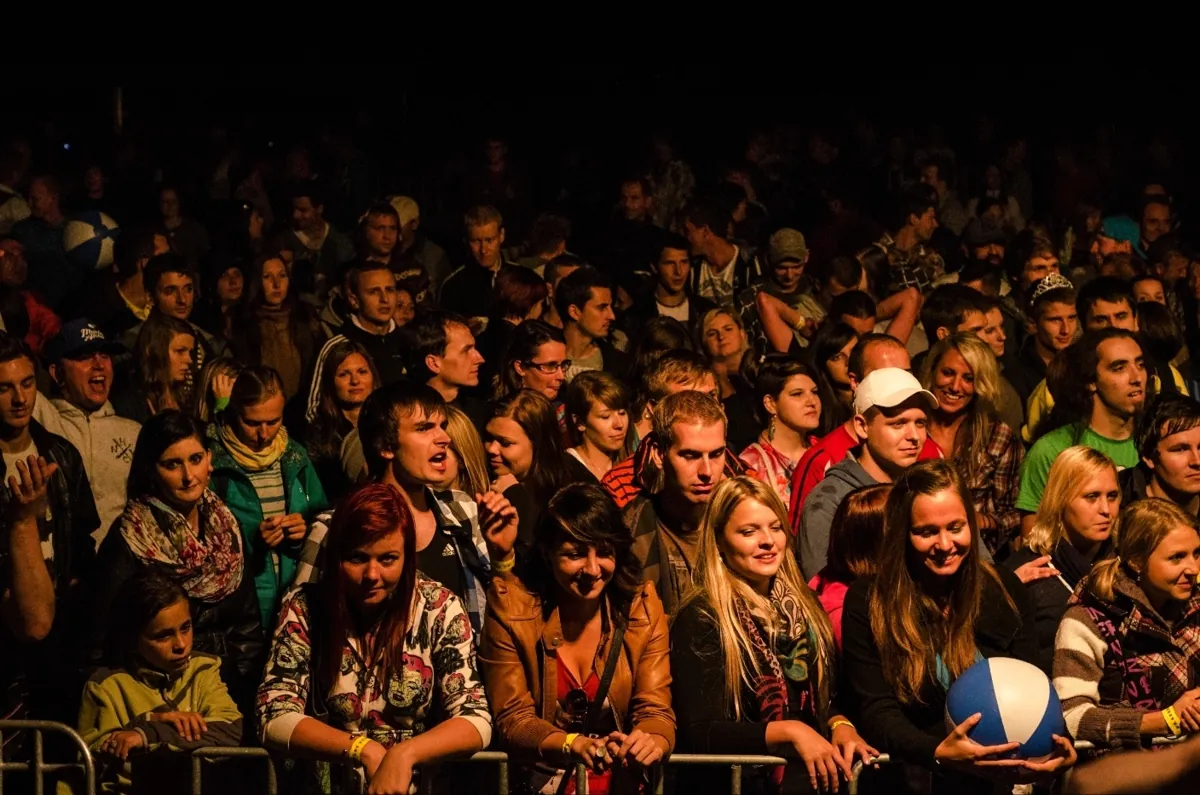
Saturday evening: This is the fair at full volume. Claim seats for the music early, then wander the grounds after dark when the lights are on and the crowd is at its liveliest.
Sunday: Come back for the slower hours, the final judging results, and the last of the food booths. Many families treat Sunday as the day to visit with people they have not seen since last year’s fair.
Pairing the Fair With Nearby Webster County Towns
Because the fair sits in the middle of a county that stretches 336 square miles, a visit can easily include more than the fairgrounds. Dixon, the county seat, is a compact town with a courthouse-square feel and makes an easy first stop. Providence, Sebree, Clay, and Slaughters are smaller communities worth a slow drive-through, each with its own main street and local businesses. Farther out, county fairs in neighboring western Kentucky counties often fall in the same late-summer window, so travelers who enjoy this kind of event can string two or three together across a single season.
A Webster County Fair Checklist for the Day
| Cash in small bills | Vendors and game booths may not take cards |
| Closed-toe shoes | Gravel, grass, and barn aisles |
| Sunscreen and a hat | Afternoon sun on open grounds |
| Refillable water bottle | Late-summer heat and humidity |
| Folding chair or blanket | Seating for evening music and shows |
| Light jacket | Temperatures drop after sunset |
| Weather check before leaving | Afternoon storms are common this season |
| Charged camera or phone | Ribbon winners and family photos |
| Patience for parking | Grass lots fill fast after dinner |
After the Fair: Fields, Back Roads, and Small-Town Kentucky
The county around the fairgrounds rewards a slow drive. Farmland stretches in long rectangles, grain bins and barns punctuate the horizon, and the light in late summer is generous. Back roads here are quiet enough that a detour rarely costs more than a few minutes.
Small-town stops fill out the rest of a visit: local diners and cafés, farm supply stores that function as informal community bulletin boards, and the kind of Main Street blocks where a conversation at the counter lasts longer than the meal. For families with kids, the countryside itself is the attraction — farm animals, tractors, and open sky.
If you are building a weekend around the fair, plan one outing away from the grounds. It balances the noise of the midway with the reason the fair exists in the first place: the land around it.
A Gathering That Still Holds a 336-Square-Mile County Together
In a county of 13,017 people spread across 336 square miles, gathering everyone in one place is a genuine logistical achievement. The fair does that with volunteer labor, donated time, and the assumption that neighbors will show up for each other.
It also carries the county’s agricultural identity forward. For young exhibitors, the fair is often the first place they learn to prepare, present, and handle losing gracefully. For older residents, it is continuity. For everyone in between, it is one of the few nights of the year when the whole county is in the same field, eating the same food, listening to the same music.
Local spending matters too. Fair week puts money into concession stands, civic organizations, and small businesses in Dixon and the surrounding towns — modest amounts that stay close to home.
Where the Webster County Fair Takes Place
The Webster County Fair is held in the Webster County area of western Kentucky, with Dixon as the county seat and the natural reference point for visitors heading to the fairgrounds.
Webster County Fair: What Newcomers Want to Know
Is the Webster County Fair free to attend?
General admission is typically free, which is one of the reasons the fair draws such a broad cross-section of the county. Individual rides, games, and some grandstand events may charge separately, so bring some cash for those extras.
What is the best time to arrive?
Late afternoon is usually the sweet spot. The exhibit hall and barns are still open, parking is easier, and food lines are shorter. If livestock shows are your priority, come in the morning, when the barns are busiest and the day is coolest.
Is the fair suitable for young children and older visitors?
Yes. The grounds are walkable and flat in most areas, with seating scattered around the midway and near the stage. Families with strollers and visitors who need to rest frequently can plan around the barns and exhibit hall, which tend to be calmer than the midway.
What happens if it rains?
Late-summer storms in western Kentucky are often brief. Exhibits and barns offer cover, and most fairs resume activities once the weather passes. Check conditions before you leave and bring a light rain jacket rather than an umbrella, which is awkward in a crowd.
Looking Ahead to the Next Fair Seasons in Webster County
County fairs survive by adapting without losing their shape. The Webster County Fair’s future will depend on the same things that sustain fairs across rural Kentucky: volunteers willing to organize, exhibitors willing to enter, and families willing to spend an evening on the grounds instead of at home.
The agricultural core is likely to remain. Livestock shows and exhibit halls are where the fair’s purpose is clearest, and they are also what distinguishes it from a carnival that happens to be in a field. Around that core, expect the entertainment and the midway to keep evolving with the tastes of the people who show up.
For visitors, the practical advice is simple: watch for the fair’s late-summer window each year, keep an evening free, and bring a little cash. The rest — the food, the noise, the conversation — takes care of itself.
Last updated: October 2026
Seasons in Webster County are measured in crops and school calendars, and the fair sits right where the two meet. Whether you come for the livestock show, the pie table, or simply the sound of the midway at dusk, you are joining something that has been part of this county’s late summer for a very long time — and that is worth an evening of anyone’s year.