Putnam County Illinois Hennepin Heritage Fest Festival
Hennepin Heritage Fest Essentials for First-Time Visitors
The Hennepin Heritage Fest pulls Putnam County together along the Illinois River for a weekend of local food, live music, and hands-on history. Here is the short version before the longer story.
| Town / place | Putnam County area, centered on Hennepin |
| County | Putnam County, Illinois |
| County seat | Hennepin |
| County founded | 1825 |
| Named for | Israel Putnam |
| Land area | 172 square miles |
| Region | North-central Illinois, Illinois River valley |
| Typical timing | A weekend in autumn |
| Admission | Typically free to attend |
| Setting and features | River-town streets and community grounds; heritage demonstrations, local food, live music, family activities |
A Putnam County Celebration Built Around Hennepin
Putnam County is small on the map — 172 square miles — and the Hennepin Heritage Fest leans into that intimacy rather than fighting it. Hennepin, the county seat, sits on the Illinois River, and for one weekend in autumn the town’s streets and community grounds fill with programming that only makes sense in a place where neighbors know each other’s names.
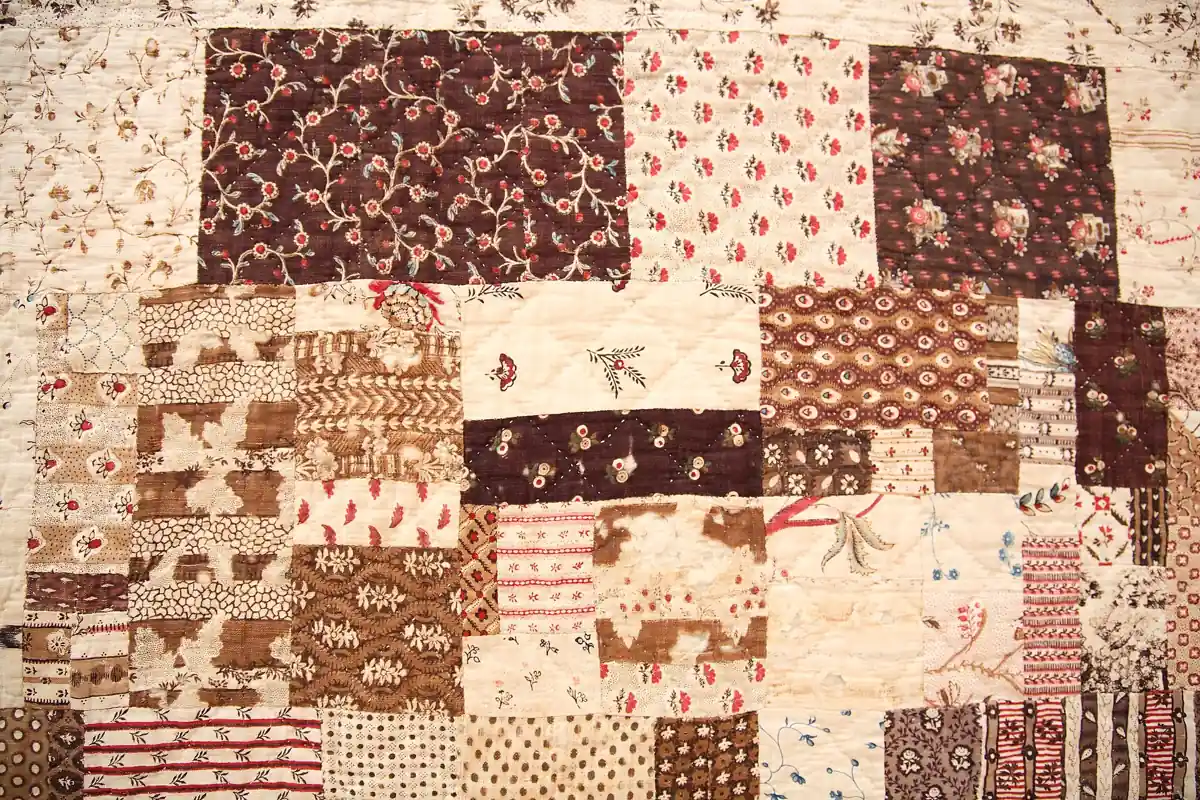
The county was founded in 1825 and named for Israel Putnam, a Revolutionary War general, and that long local memory is the thread the festival pulls on: blacksmithing and grain-milling demonstrations, quilt and tool displays, genealogy tables, and older residents telling stories that appear in no guidebook. The event is typically free to attend, with food vendors, craft sellers, and raffles providing the support that keeps it running. Local volunteers and community organizations do the organizing, which is why the schedule favors participation over spectacle — a pie contest matters as much as a headliner. Come from outside the county and you will find a relaxed, walkable day that unfolds at conversation speed.
From 1825 County Roots to a Modern Hennepin Gathering
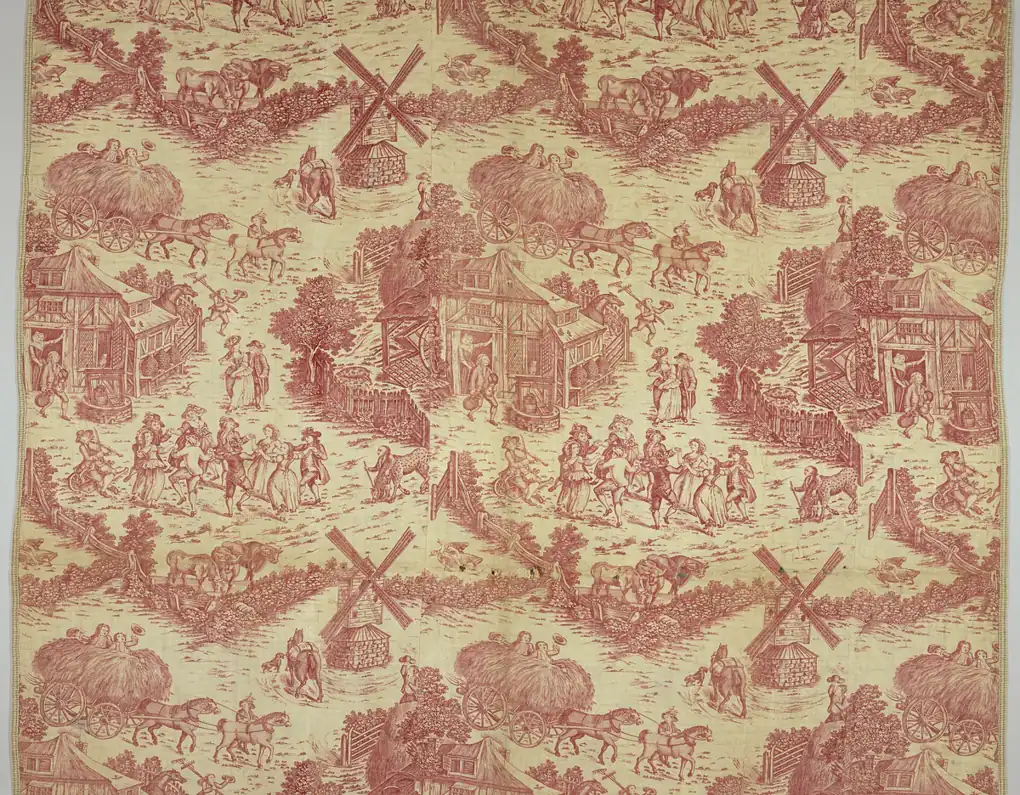
The county’s story starts in 1825, when Putnam County was established and Hennepin was chosen as its seat. Named for Israel Putnam, the area grew around river traffic, ferries, and the farms that spread across its 172 square miles. Heritage celebrations in the region grew from the same instinct — the wish to hold onto what a small county has been before it changes.
Over the years, historical societies, church groups, and families with deep roots in the area began assembling the pieces that now make up the Hennepin Heritage Fest: old photographs, farm implements, hand-stitched quilts, and oral histories passed down at kitchen tables. The festival as it exists today is less a single founding moment than an accumulation — a weekend that gathered those separate efforts under one banner and gave visitors a reason to spend a full day in Hennepin instead of driving through.
For another look at how a community turns its own traditions into a gathering, see the Pulaski County Illinois Pulaski County Fair Festival for a useful comparison.
That pattern is common across the Illinois River valley, where county seats often anchor seasonal events. What is distinct here is scale. Drawing from a county of 172 square miles, the fest stays close to its sources, and many of the people demonstrating a craft or serving food live a few blocks from where they are standing.
One Family’s Day at the Hennepin Heritage Fest
For one family driving in from just outside the county — Dana and Marcus, with Nora and Sam in the back seat — the day starts early and never feels rushed. Here is how the hours tend to go.
Food: County Favorites and River-Town Cooking
Breakfast is the first stop, and it sets the tone: church-group stands and local vendors working griddles, serving the kind of food that tastes best outdoors in cool air. By midday the lines shift toward pork chop sandwiches, soups, chili, and pie, much of it made by people who have been cooking for this weekend for years. Nora and Sam negotiate over cinnamon rolls while Dana fills a tote with jars of preserves and a loaf from a local baker. Nothing here is precious or chef-driven; it is county cooking, priced for families, and the tables around you are full of people catching up on the year.
Music and Entertainment: Local Stages, Local Voices
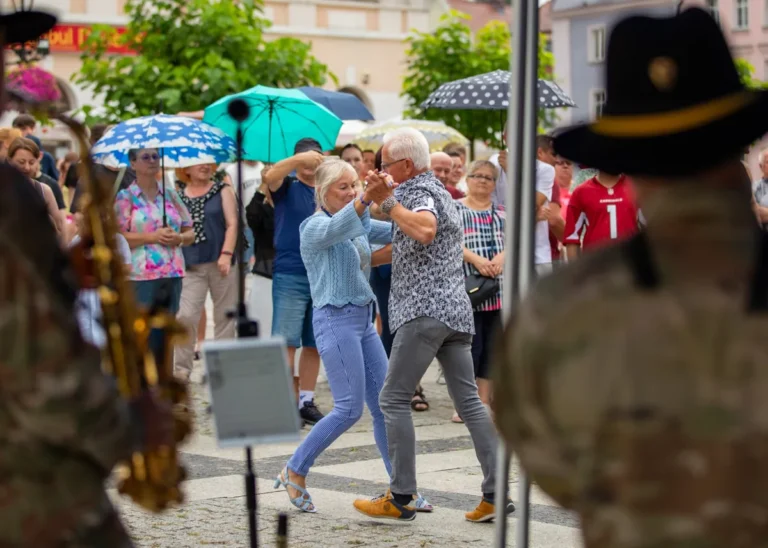
Music runs all day rather than arriving in one evening block. Expect acoustic sets, country and bluegrass combos, church choirs, and school groups taking turns on a modest stage, with gaps filled by storytelling and demonstrations. Marcus ends up talking with a fiddler between sets about a band neither of them can quite name, which is the sort of exchange that happens constantly here. The entertainment is not the reason people come, but it is the reason they stay past lunch.
Family Activities: Heritage Made Hands-On
This is where the festival earns its name. Kids try rope making, corn shelling, candle dipping, and old-fashioned games, while adults drift toward tool displays, quilt frames, and history tables where volunteers explain what a particular piece of equipment actually did. Sam spends twenty minutes at a hand-cranked machine and leaves convinced he has worked on a farm. Older visitors find seating, shade, and plenty of people who remember the same Hennepin streets they do. By late afternoon the family is dusty, fed, and slower than when they arrived.
Planning Your Trip to Hennepin and Putnam County
Getting There: Routes into Putnam County
Hennepin sits in north-central Illinois along the Illinois River, within reach of Interstate 80 and the river roads that parallel the water. Most visitors arrive by car, and the last stretch of the drive — past fields and river bottoms — is part of the experience. Fill your tank before you get close; services thin out quickly in a county this size.
Where to Stay Near Hennepin
Lodging inside the county is limited, so plan ahead. Options include small local inns, bed-and-breakfast-style stays, and vacation rentals in and around Hennepin. Many visitors base themselves in larger nearby towns such as Princeton, Ottawa, or Peru, where hotel chains and restaurants are easier to find, then drive in for the day. Camping and river-adjacent stays are also part of the regional mix for travelers who prefer to be outdoors.
Parking Around the Fest Grounds
Parking is typically street-side and in designated lots around the festival area, with volunteers directing traffic during peak hours. Arriving in the morning makes life easier; mid-afternoon is the busiest stretch. If you park a few blocks out, you will walk past storefronts and porches that are worth seeing anyway.
Admission, Costs, and Cash
Admission is typically free, so the day costs whatever you spend on food, crafts, raffle tickets, and donations. Bring cash even if some vendors take cards — small stands and church groups often prefer it, and an ATM is not something to count on in a county seat this size.
Weather: What an Illinois River Autumn Feels Like
Autumn along the Illinois River means cool mornings, mild afternoons, and a real chance of rain. River fog can linger early, then burn off into good walking weather. Dress in layers, bring a light rain jacket, and wear shoes you do not mind getting dusty. Wind off the water makes the evening feel noticeably cooler than the afternoon.
A Sample Weekend with the Family in Hennepin
Start the first morning with breakfast at the food stands, then walk the vendor rows before the crowds build. Spend the late morning at the heritage demonstrations — this is when volunteers have the most time to talk. Break for lunch, catch a music set, and let the kids loose on the hands-on activities in the early afternoon. Late afternoon is for the quieter corners: history tables, craft displays, and a slow loop through town.
On the second day, sleep in, then return for whatever you missed — the pie table, the raffle, the demonstration you walked past twice. Use the middle of the day for a drive along the river or a stop at a local park, and come back for the closing hours when the pace drops and neighbors settle in to talk. Leave before dark if you have a long drive, or stay for dinner in a nearby town and make a weekend of it.
Hennepin Heritage Fest vs. Nearby County Celebrations
Compared with larger county-seat events in the region, Hennepin Heritage Fest is smaller and more history-forward. Princeton, the Bureau County seat to the northwest, offers a bigger downtown with more shopping and dining around its seasonal events. Ottawa, the LaSalle County seat to the east, draws on a larger population and a busier riverfront. Peru and the surrounding LaSalle County towns add hotel capacity and restaurant variety that Putnam County simply does not have.
What that means in practice: choose Hennepin if you want a compact, walkable day where the heritage programming is the point and you can talk to the people running it. Choose the larger towns if you want a full weekend of dining and lodging options alongside the event. Many visitors do both, using Princeton or Ottawa as a base and driving into Hennepin for the festival itself.
Your Hennepin Heritage Fest Checklist
Bring cash, layers, comfortable shoes, and a reusable water bottle. Check the weather the night before and pack a rain jacket rather than an umbrella if it looks windy. Charge your phone, but expect to use it less than you think. Book lodging early if you are staying overnight. Arrive before midday for easier parking. Talk to at least one demonstrator — that conversation is usually the thing people remember. And leave room in the car for whatever you buy at the craft tables.
Beyond the Fest: Putnam County and the Illinois River Valley
Hennepin rewards a slower look. The town’s river connection shapes everything here, from the views to the pace, and the surrounding county is farmland, bottomland, and small communities strung along the water. The Hennepin Canal corridor and nearby state recreation areas give walkers, cyclists, and anglers plenty of reason to extend a visit.
Farther out, Starved Rock State Park and the Illinois River bluffs lie within a reasonable drive, as do the historic downtowns of Princeton and Ottawa. Local diners, farm stands, and county roads make the driving itself part of the trip. If you have an extra half day, spend it on the river road rather than the interstate — the scenery is the reason people settle here.
What the Fest Means to Hennepin and Putnam County
In a county of 172 square miles, a festival is not just entertainment — it is infrastructure. The Hennepin Heritage Fest gives local groups a reason to organize, gives crafters and cooks a market, and gives families scattered across the region a fixed point to come home to. It also does quiet work: recording skills and stories that would otherwise fade, and introducing them to children who have never seen a hand forge or a corn sheller.
For Hennepin itself, the weekend brings visitors onto streets they might otherwise pass on the highway. That matters for small businesses and for civic pride alike. The county was founded in 1825 and named for Israel Putnam, and events like this are how a place that old keeps its story in circulation rather than in a drawer.
Where the Hennepin Heritage Fest Happens
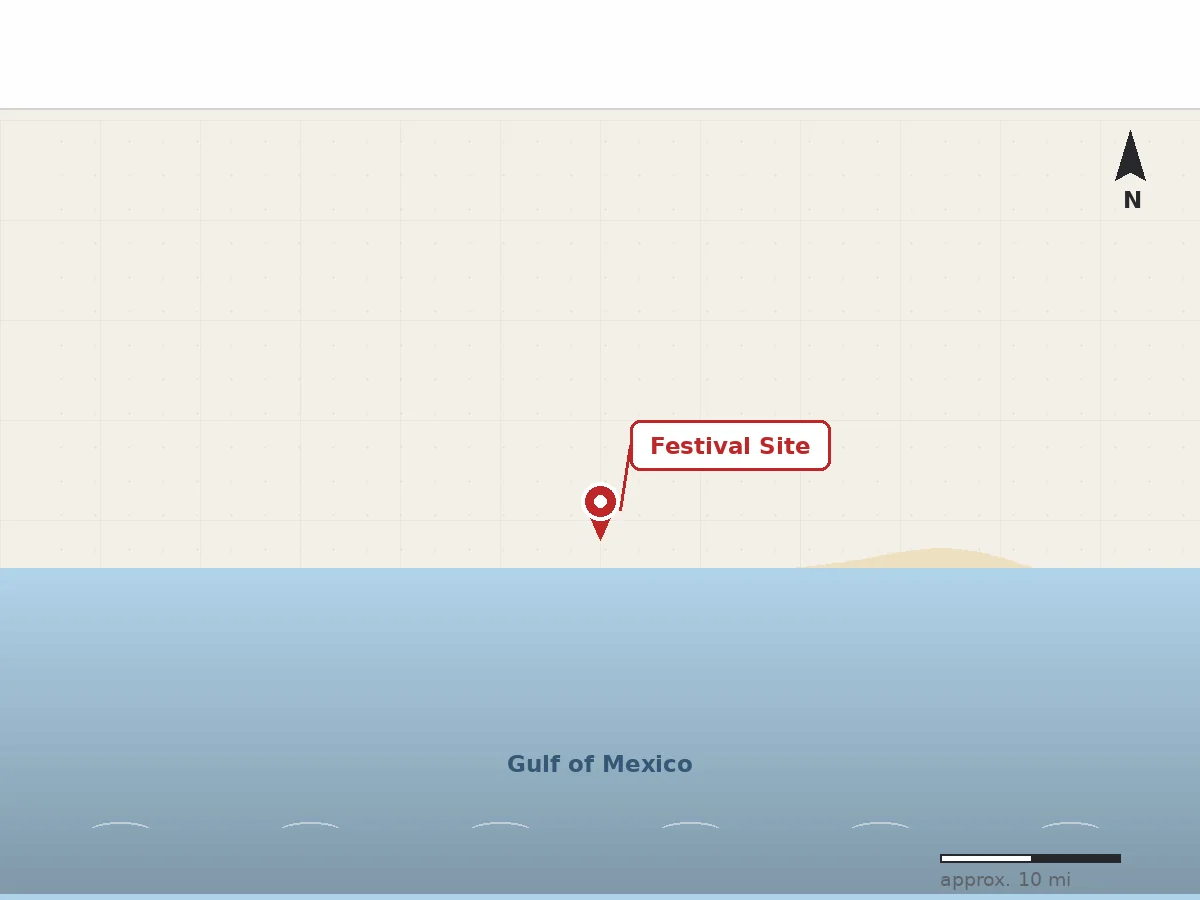
The festival takes place in and around Hennepin, the county seat of Putnam County, Illinois, on the banks of the Illinois River.
Practical Answers for Hennepin Heritage Fest Visitors
Is the Hennepin Heritage Fest free to attend?
Admission is typically free. You will still want cash for food, crafts, raffle tickets, and donations, since those purchases are what support the vendors and the community groups behind the weekend. Treat it as a free entry with a voluntary spend rather than a ticketed event.
When should I plan to arrive?
Mornings are calmest. Parking is easier, food lines are shorter, and demonstrators have time to answer questions before the afternoon crowd builds. If you can only come for a few hours, aim for late morning through early afternoon, when the programming is at its fullest.
Is it a good fit for young kids and older visitors?
Yes. The grounds are compact and walkable, the hands-on activities are built for children, and there is seating and shade for visitors who need to rest. Strollers and wheelchairs manage fine on the main routes, though some side areas are grass or gravel. Plan for a slower pace and it works well for mixed-age groups.
How is this different from a county fair?
A county fair is built around competition, rides, and grandstand shows. The Hennepin Heritage Fest is built around craft, history, and conversation, with local music and food woven through. There is less noise and more talking, and the emphasis stays on Putnam County’s own story rather than a traveling midway.
Looking Ahead for the Hennepin Heritage Fest
The festival’s future looks a lot like its past: small, local, and dependent on volunteers who care about the county’s history. Expect continued emphasis on demonstrations, genealogy, and hands-on activities, with room for new vendors and younger organizers as they step in. Visitors planning a trip should confirm the weekend’s details through local sources each autumn, since timing and programming can shift from year to year.
Last updated: October 2026
What stays with you after a day in Hennepin is not a single attraction but the accumulation of small ones — a fiddle tune drifting over a food line, a child cranking a machine that predates his great-grandparents, a volunteer explaining why a particular quilt pattern mattered. Putnam County is 172 square miles of river valley and farmland, and for one autumn weekend the Hennepin Heritage Fest makes all of it feel like one front porch.