Graves County Kentucky Graves County Fair Festival
Where the Graves County Fair Fits on the Kentucky Map
Graves County spreads across 557 square miles of farmland, small towns, and two-lane roads in Kentucky’s far western Purchase region. Founded in 1824 and named for Major Benjamin Franklin Graves, the county counted 36,649 residents at the 2020 census. Mayfield is the county seat and the largest community, which makes it the natural hub for a fair that serves the whole county rather than one town. The essentials look like this.
| Town / area | Graves County area, centered on Mayfield |
| County | Graves County, Kentucky |
| County seat | Mayfield |
| Population | 36,649 (2020 census) |
| Region | Jackson Purchase, far western Kentucky |
| Typical timing | Late summer, usually over several days in July or August |
| Admission | Typically free at the gate; rides, food, and some events cost extra |
| Setting | Fairgrounds in the Graves County area near Mayfield, with barns, exhibit halls, a midway, and grandstand seating |
| Features | Livestock shows, agricultural and home exhibits, carnival rides, fair food, live music, pageants, and grandstand events |
| Organizer | Local volunteer fair board supported by the county’s agricultural community |
What the Graves County Fair Actually Is
Strip away the marketing and the Graves County Fair is exactly what a county fair is meant to be: a late-summer gathering built around agriculture, competition, and food that only tastes right outdoors. For several days, the fairgrounds near Mayfield fill with barns of livestock, exhibit halls lined with canned goods, quilts, photography, and school art, and a midway that lights up after sunset.
Gate admission is typically free, which matters in a county where a family night out has to work for four or five people at once. You pay for what you choose — rides, food, games, grandstand events — rather than for the privilege of walking through the gate. That structure keeps the fair accessible and gives it the feel of a hometown reunion instead of a ticketed attraction.
Exhibitors and volunteers are overwhelmingly local. Youth agricultural clubs bring animals and projects, adults enter everything from pies to garden produce, and many of the people working the gates and the show ring are neighbors. Visitors from outside Graves County should expect to be surrounded by people who know one another — and to be welcomed into it.
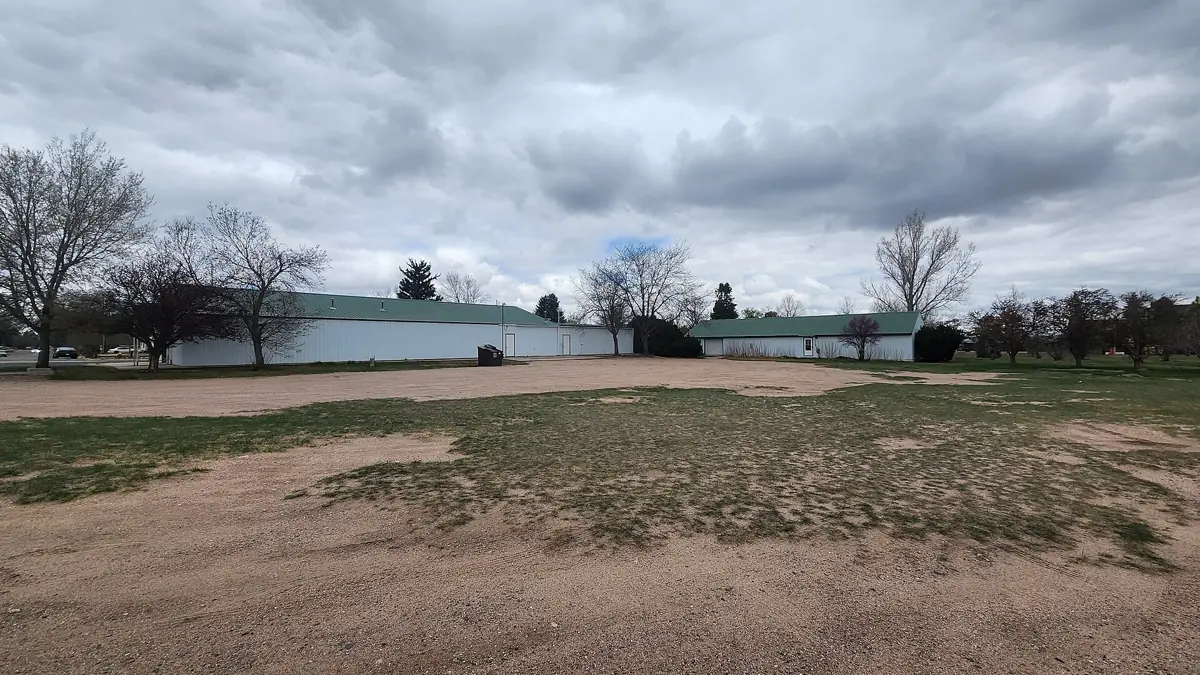
Two Centuries of Fair Tradition in Graves County
Graves County was established in 1824, the same era in which Kentucky’s agricultural society movement was taking hold across the state. Those societies staged exhibitions to improve livestock bloodlines, compare crops, and share tools and techniques. A county whose economy rested on row crops, tobacco, and livestock had every reason to join in.
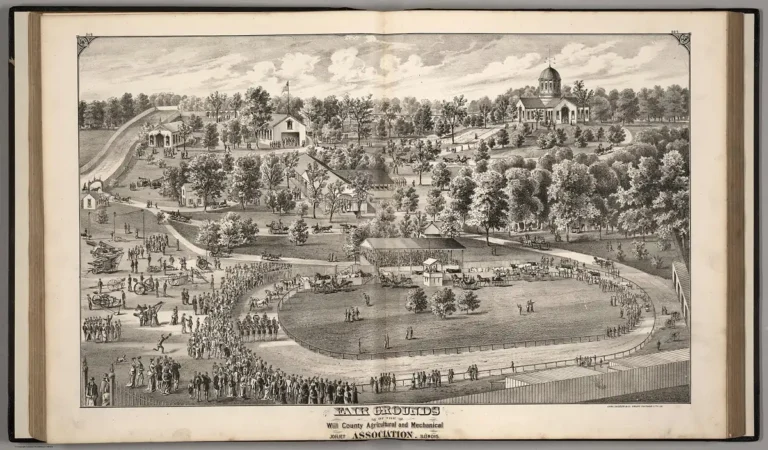
Through the nineteenth and twentieth centuries, the county’s fair grew into the shape visitors recognize today: barns and show rings for animals, halls for home and garden entries, a midway for rides, and a grandstand for evening events. Motor sports, pageants, and live music were layered on as tastes changed, while the agricultural core stayed put.
The fair has never been a static thing. It has adapted to shifting farm economies, changing entertainment habits, and the simple fact that families have more options for a summer evening than they once did. What has kept it alive is the same thing that started it: local people who want their work judged, their kids applauded, and their neighbors met face to face at least once a year.
Inside the Fairgrounds: What You’ll See and Do
A fairgrounds layout is easy to read once you understand its zones. Food and rides cluster along the midway, animals and exhibits occupy the barns and halls, and the grandstand anchors the evening. Here is what each part of the Graves County Fair usually delivers.
Fair Food and Local Flavors
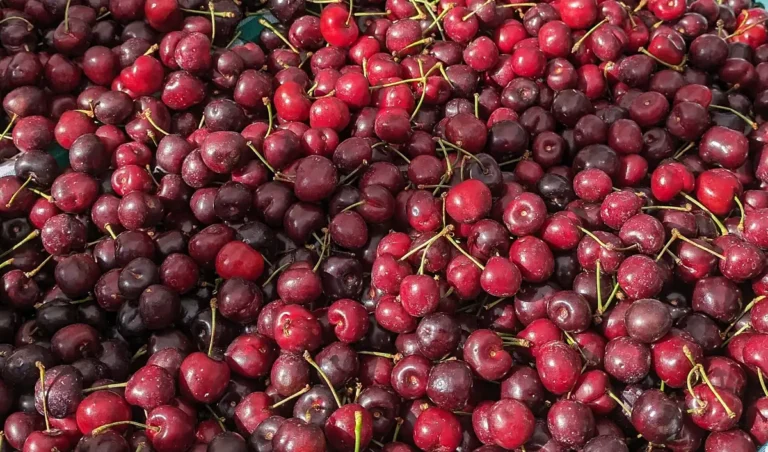
Expect the classic lineup: corn dogs, funnel cakes, cotton candy, hand-cut fries, lemonade shake-ups, and barbecue. Church groups and civic clubs often run their own stands, which is where you’ll find regional cooking — pulled pork, slow-simmered stews, beans, and cobblers — at prices that undercut the midway. Cash is still useful with smaller vendors, and lines move fastest before the evening rush.
Music, Motors, and Evening Entertainment
Evenings carry the fair’s heaviest programming. Local and regional bands typically play on a stage or in the grandstand area, with country, bluegrass, and rock all fair game. Grandstand nights in most years lean toward motor sports — tractor pulls, truck pulls, and demolition derbies — the kind of loud, dusty entertainment that fills the bleachers. Pageants and talent showcases often fill earlier slots.
Family Activities and Youth Exhibits
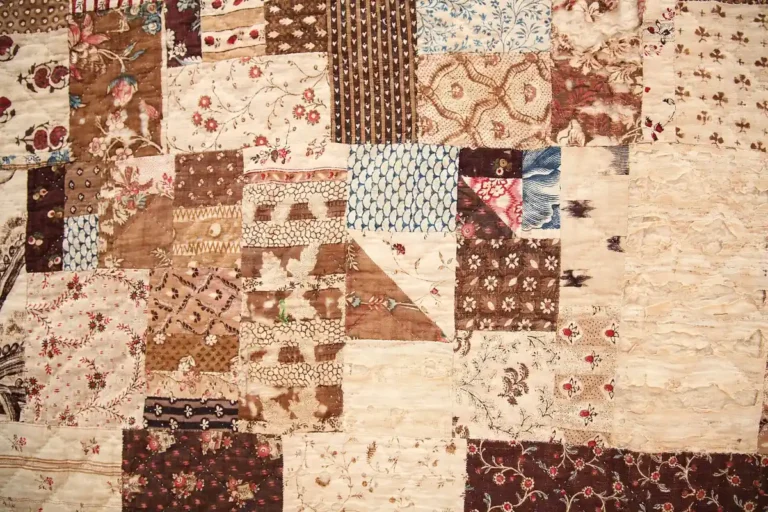
Families tend to spend their first hour in the barns. Livestock shows, poultry and rabbit displays, and youth project exhibits give kids something to look at that isn’t a ride ticket. The exhibit halls are worth a slow lap too — quilts, preserves, photography, and school art, all judged and ribboned. Kiddie rides, games, and a petting area round out the family side of the fairgrounds.
Planning a Trip to Graves County
Graves County is rural, so a little preparation goes further here than it would in a city. None of it is complicated, but the details below are the ones that make a fair visit smooth.
Getting to Mayfield and the Fairgrounds
Mayfield sits in far western Kentucky, roughly half an hour from Paducah and about the same from Murray, with US 45 and the I-69 corridor carrying most of the regional traffic. From the surrounding Purchase counties, the drive is short and mostly two-lane. Follow local signage or the flow of traffic toward the fairgrounds once you’re near town.
Where to Stay Around Graves County
Lodging inside Graves County is limited, so many out-of-town visitors base themselves in Paducah or Murray and drive in for the evening. Those two cities offer the widest choice of hotels and restaurants. Campers and RV travelers should confirm availability and hookups directly with local campgrounds before committing to a plan.
Parking, Gates, and Getting In
Fairground parking is typically on grass or gravel fields, managed by volunteers and often free. Arrive before the evening peak if you want a shorter walk, carpool when you can, and remember where you parked — fields look different after dark. Wear shoes you don’t mind getting dusty, and watch for traffic directors on the way out.
Admission, Costs, and What to Budget
Gate admission is usually free, with money spent instead on rides, food, games, and grandstand events. Set a rough budget per person before you go and decide in advance how ride tickets will be handled, since that is where costs climb fastest. Bring some cash for smaller vendors and tip jars, and check ahead for any separately ticketed evening shows.
Late-Summer Weather and What to Wear
Expect heat, humidity, and the chance of an afternoon thunderstorm. Dress in light layers, bring sunscreen and a refillable water bottle, and pack a poncho rather than an umbrella. Evenings cool off enough for a light jacket, and closed-toe shoes handle gravel, mud, and livestock areas far better than sandals.
A Sample Fair Weekend in Graves County
Friday evening is for orientation. Arrive in the late afternoon, walk the exhibit halls before the crowds thicken, then eat dinner from the vendor row. Finish with the grandstand event and one loop through the midway lights.
Saturday is the full day. Come early for livestock shows and youth exhibits, take a midday break in the shade or back at your hotel, and return for the evening concert or motor sports. Saturday is the busiest night, so plan parking and dinner timing around the crowd.
Sunday is slower and better for families with young children. Mornings are quiet, ride lines are short, and vendors have the least pressure. Use the last visit to catch anything you missed — a quilt display, a pie contest, a final look at the animals — before the fairgrounds empty out.
How Graves County Compares with Nearby Fair Towns
Graves County’s fair is a small-city, farm-rooted event, and that puts it in a different category from what its neighbors offer. Paducah, roughly half an hour north, is the region’s cultural anchor, with a riverfront arts scene, museums, and a calendar of larger festivals that draw from across the Purchase.
Murray, about the same distance east, brings a university-town energy with more dining and nightlife options. Benton and the surrounding Marshall County communities sit closer to Kentucky Lake and the Land Between the Lakes recreation area. Graves County’s advantage is authenticity: the fair here is less produced, more neighborly, and easier to navigate in a single evening.
Your Pre-Trip Checklist for the Graves County Fair
Run through this list the day before you go.
| Cash for small vendors and game booths | Many stands still prefer it |
| Comfortable closed-toe shoes | Gravel, dust, and barn aisles |
| Sunscreen, hat, refillable water bottle | Late-summer heat and limited shade |
| Light rain poncho | Afternoon storms pass quickly |
| Phone battery pack | Long evenings and lots of photos |
| A meet-up plan for your group | Crowds separate easily after dark |
| Confirmed lodging or campground | Local options fill fast in summer |
| Checked schedule and gate times | Programming shifts from year to year |
Beyond the Fairgrounds: Mayfield and the Wider Purchase
Mayfield’s downtown and courthouse square are worth an hour on their own, with local restaurants, shops, and the kind of compact main street that rewards a slow walk. The surrounding county roads are classic western Kentucky farmland, and a short drive in any direction puts you among fields, barns, and small communities.
For a longer trip, Paducah offers riverfront history, art galleries, and a quilt museum that draws visitors from well beyond the region. Murray adds a college-town dining scene. To the east, the Land Between the Lakes National Recreation Area provides hiking, camping, and water access for anyone who wants to turn a fair weekend into a full getaway.
The Fair as Graves County’s Annual Homecoming
In a county of 36,649 people spread across 557 square miles, chances to gather are limited. The fair concentrates them into a few days. Students show animals they raised, grandparents judge pies, teenagers work the midway, and families who rarely cross paths during the year end up standing in the same ticket line.
That is the fair’s real function. It keeps agricultural knowledge visible in a county where most residents no longer farm, gives young people a stage and a scorecard, and provides a shared calendar moment that doesn’t depend on anyone’s income. Losing it would leave a gap that no single event could fill.
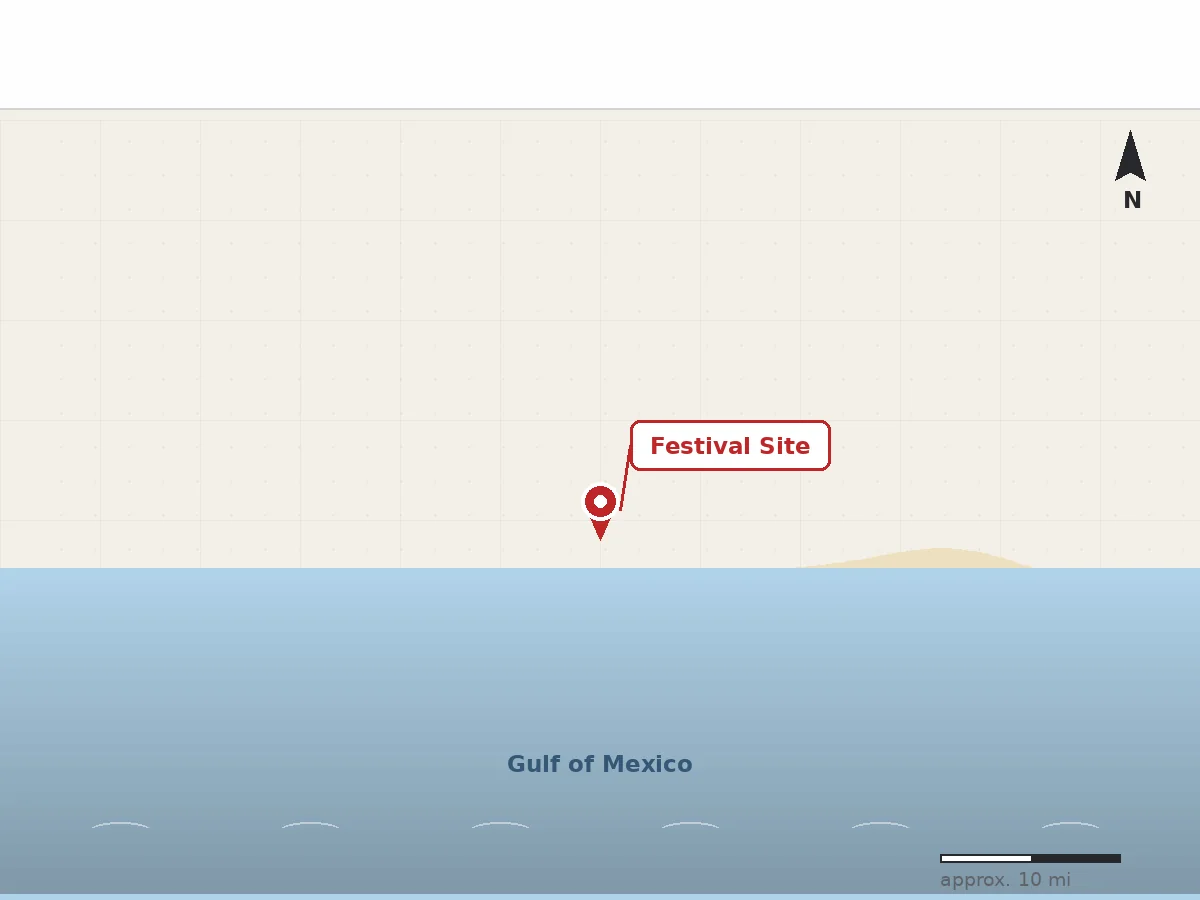
Where the Fairgrounds Sit in the Graves County Landscape
The Graves County Fair takes place at the county fairgrounds in the Graves County area near Mayfield, Kentucky, the county seat.
Answering the Practical Questions About the Graves County Fair
Is there an admission charge?
Gate admission is typically free, and visitors pay individually for rides, food, games, and any separately ticketed grandstand events. That means a family can attend on a modest budget if they set limits on ride tickets in advance.
When is the fair usually held?
It is a late-summer event, usually falling in July or August over several consecutive days. Because the exact window shifts from year to year, check the fair’s current schedule before booking travel or requesting time off.
Is the fair suitable for young children?
Yes. Barns, livestock shows, kiddie rides, games, and youth exhibits are all built for families, and daytime hours are calmer than evenings. Bring a stroller that handles gravel, and plan to leave before the late grandstand crowd if your kids tire early.
How do I confirm dates, hours, and event lineups?
Use the fair’s official channels and local Graves County news sources as the season approaches. Schedules change year to year, and grandstand events in particular are announced closer to the fair’s opening day.
Looking Ahead for the Graves County Fair
County fairs everywhere are balancing tradition with relevance. In Graves County, that means keeping the livestock shows and exhibit halls at the center while finding entertainment that still fills the grandstand and pricing that still works for local families. Expect continued reliance on volunteers, local sponsors, and the agricultural community that has supported the fair for generations. Whatever changes, the fair’s role as the county’s annual meeting place is likely to hold.
Last updated: October 2026
If you’re anywhere near western Kentucky in late summer, the Graves County Fair is worth an evening. Come hungry, wear shoes you can ruin, park where they tell you, and give yourself time to walk the barns before the midway takes over. It’s the kind of fair that reminds you why county fairs have lasted this long.