St. Mary Parish Louisiana Louisiana Shrimp & Petroleum Festival
If you have never been to the Louisiana Shrimp & Petroleum Festival, the name tells you most of the story: this is a south Louisiana river town celebrating the two industries that built it. Morgan City, in Saint Mary Parish, hosts the event each Labor Day weekend, filling its downtown riverfront with seafood booths, live Cajun and zydeco bands, a blessing of the fleet, and a parade that pulls in visitors from across the Gulf Coast. This first-timer’s orientation covers how the weekend works, what to eat, where to park, and how to pace yourself when both the heat and the crowds peak.
A little context helps before you go. Saint Mary Parish sits in south Louisiana’s Acadiana region, where the Atchafalaya River meets the Gulf-bound marsh country. The parish was founded in 1811 and its seat is Franklin; the 2020 census counted 49,406 residents. The festival is the parish’s biggest annual gathering, and it draws far more people than the parish itself holds.
St. Mary Parish Shrimp & Petroleum Festival: First-Timer Snapshot
Here is the essential shape of the weekend before you build a plan around it.
| Host town | Morgan City, in the Saint Mary Parish area |
| Parish | Saint Mary Parish, Louisiana |
| Parish seat | Franklin |
| Parish population | 49,406 (2020 census) |
| Region | Acadiana and the Atchafalaya basin, south Louisiana |
| Typical timing | Labor Day weekend, late August into early September |
| Admission | Free entry to the festival grounds in most years; food, drinks and rides cost extra |
| Setting | Downtown Morgan City streets and the Atchafalaya riverfront |
| Signature features | Seafood booths, blessing of the fleet, boat parade, live music stages, carnival rides |
| Organizer | A local volunteer festival organization based in Morgan City |
What the Louisiana Shrimp & Petroleum Festival Really Is
The festival is a joint celebration of the commercial shrimp fishery and the oil and gas industry that share this stretch of the Louisiana coast. Shrimpers and petroleum crews have worked the same waters, the same docks, and often the same family trees for generations in Saint Mary Parish, and the event treats them as partners rather than rivals.
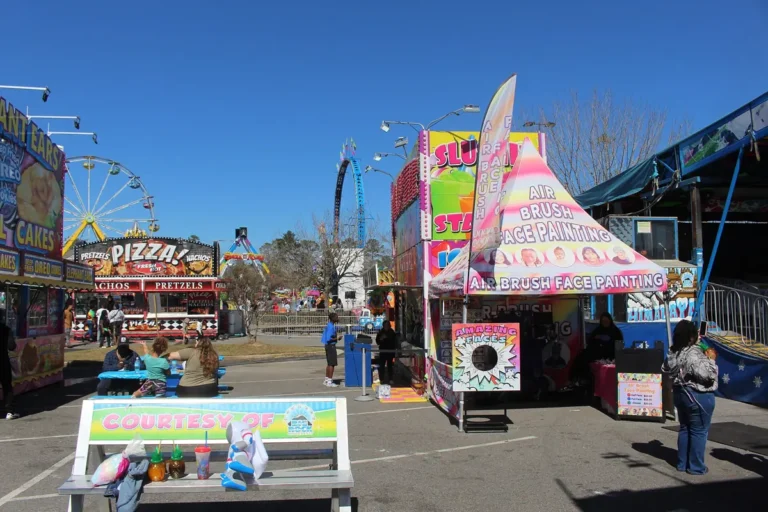
What that means on the ground: a waterfront midway with carnival rides, long rows of vendors selling shrimp every way it can be cooked, a boat parade and a blessing of the fleet that honor the working vessels, and stages running from midday into the night with Cajun, zydeco, swamp pop, and rock. Many booths are run by local church groups, civic clubs, and families, which is a big part of why the food tastes the way it does.
Entry to the grounds is typically free, with individual vendors and ride operators charging separately. Bring cash for smaller purchases, and expect a real crowd by mid-afternoon.
How a Shrimp Harvest Party Became a Two-Industry Tradition
Saint Mary Parish was established in 1811 with Franklin as its seat, and for most of its early history the local economy ran on sugar, timber, and the water. Morgan City’s position near the mouth of the Atchafalaya made it a natural base for a commercial shrimp fleet, and the town grew into one of the busiest seafood landings on the Gulf.
The festival grew out of that fishery. What started as a local harvest celebration — a way for shrimping families, dock crews, and boat builders to mark the season together — expanded as the petroleum industry pushed into the surrounding marsh and offshore waters. Supply boats, fabrication yards, and crew changes reshaped daily life across the parish, and the celebration widened to honor both industries at once. The name eventually changed to say so out loud.
That dual identity is unusual. Plenty of coastal towns hold a seafood festival; far fewer celebrate the oil field in the same breath. In Saint Mary Parish the two are inseparable — the same waterways that support the shrimp fleet carry the traffic that serves the rigs, and the same families often work both sides of that economy. The modern festival keeps the history visible through its parade, its fleet blessing, and the working boats tied up along the water for the weekend.
Your First Walk Through the Morgan City Festival Grounds
First-timers usually arrive with two questions: what do I eat, and where do I stand? Both have easy answers.
Seafood First: What to Eat and Where
Start with the shrimp. Boiled, fried, grilled, in etouffee, in po’boys, in gumbo — the booths compete on preparation and portions are generous. Beyond shrimp you will find crawfish dishes, alligator, jambalaya, boudin, and enough fair staples for anyone in your group who does not eat seafood. Local church and civic booths tend to be the best value and the most consistent. Lines build fast right after the parade and again around sunset, so eat early or eat late. Hydrate constantly — a Louisiana late-summer afternoon on asphalt is no joke.
Music That Sounds Like South Louisiana
Live entertainment runs across the weekend, typically with multiple stages and a rotating schedule that leans on Cajun, zydeco, swamp pop, and southern rock, with local and regional acts carrying most of the bill. Bring a folding chair if you plan to camp in front of a stage, and expect a dance floor to form wherever the zydeco bands set up. Schedules are usually posted near the entrances and at the main stage.
Family Activities, Rides, and the Parade
The carnival midway is the center of gravity for kids, with rides and games running all weekend. Beyond that, the boat parade and the blessing of the fleet are the two set-piece moments worth planning your day around — both happen on the water and both draw crowds early. Face painting, craft booths, and a kids’ area round out the family offerings. Strollers work, but the streets get tight; a carrier is easier to manage after dark.
Getting Your Saint Mary Parish Weekend Sorted
Getting to Morgan City
Morgan City sits along US 90 in the heart of the parish, between the New Orleans and Lafayette corridors, with Louisiana Highway 70 and Highway 182 feeding in from the north and west. Most visitors drive, and because the festival does not sit beside a major airport, plan on a rental car if you are flying into New Orleans, Baton Rouge, or Lafayette. Traffic on US 90 slows noticeably on the Friday evening and Saturday morning of the holiday weekend.
Where to Stay
Lodging inside Morgan City is limited and books out early for the holiday weekend. Options include a handful of chain motels and independent properties in town, plus vacation rentals scattered across the parish. If everything local is gone, look at Franklin, Houma, or the Lafayette area and accept a drive. Booking well ahead is the single most useful thing you can do.
Parking and Getting Around the Grounds
Downtown street parking fills quickly. Expect designated lots and side-street parking away from the riverfront, followed by a short walk to the gates, and follow the direction of local police and volunteers rather than trying to edge closer. Once inside, everything is walkable — the festival footprint is compact enough to cover on foot in an afternoon.
Admission and Costs
Entry to the festival grounds is typically free, which makes this an easy weekend to try on a budget. Your money goes to food, drinks, rides, and merchandise. Bring cash for smaller vendors even though many now take cards. Set a rough per-person budget for food and rides before you arrive, because the midway is where spending adds up fastest.
Late-Summer Weather on the Atchafalaya
Expect heat and humidity, with afternoon thunderstorms a genuine possibility. Dress light, wear shoes you do not mind getting wet, and carry a poncho rather than an umbrella if you plan to ride out a shower. Evenings stay warm but are far more comfortable, which is when the music and the crowds are at their best.
A Sample Friday-to-Sunday Plan for the Festival
Friday: Arrive in the late afternoon, park away from the riverfront, and walk the grounds while they are still filling up. Eat dinner from the seafood booths, catch the first evening band, then loop the waterfront after dark when the lights come on and the heat breaks.
Saturday: This is the big day. Come early for the boat parade and the blessing of the fleet, then retreat to shade or an air-conditioned restaurant during the worst midday heat. Spend the afternoon on the midway with kids, graze your way through a second round of food, and settle in for the headlining music sets in the evening.
Sunday: Things move slower. Revisit the booth you liked best, browse the craft vendors, catch a daytime set, and leave before the evening rush builds. If you have the day free, save the afternoon for the Atchafalaya.
How It Compares With Other Louisiana Festival Weekends
Three nearby events make useful comparisons. The Delcambre Shrimp Festival, held in the neighboring Iberia and Vermilion parish country, is a smaller and more purely seafood-focused celebration — less midway, more boats. The Louisiana Sugar Cane Festival in New Iberia is an agricultural harvest festival with a deep parade tradition and a similar small-town feel. And the Rougarou Fest in Houma leans hard into folklore and costume, a completely different flavor of south Louisiana celebration.
Against all three, the Shrimp & Petroleum Festival stands out for its scale and its dual-industry identity. If you want the biggest crowds, the widest food selection, and a full weekend of programming, this is the one. If you prefer something quieter and more intimate, Delcambre or New Iberia may suit you better.
The First-Timer’s Checklist for a Shrimp & Petroleum Weekend
Book lodging early, and check the official schedule before you drive. Bring both cash and a card. Pack sunscreen, a hat, and a poncho. Wear shoes you can walk in for hours and do not mind getting wet. Toss a folding chair in the trunk for stage seating. Carry a refillable water bottle. Agree on a meeting point with your group in case phones die in the crowd, and bring a battery pack. Leave pets at home unless the festival specifically permits them, and sort out a designated driver if you plan to drink.
Beyond the Booths: Saint Mary Parish Between Festival Hours
Once you have had your fill of the midway, the parish rewards a slow morning. Franklin, the parish seat, has a historic main street and a stock of nineteenth-century architecture worth an hour of wandering. The Atchafalaya basin sits on the doorstep, with boat tours, boardwalks, and some of the best birding and fishing in Louisiana. Cypress swamps, alligator sightings, and airboat rides are all within easy reach of Morgan City. If you can add a day, spend it on the water — the landscape explains the festival better than any plaque will.
Why Two Industries Still Anchor Saint Mary Parish
Festivals are often the clearest statement a community makes about itself, and this one is unusually direct. Saint Mary Parish is telling you that shrimp and oil built the place, that both remain working industries, and that the people who crew the boats and the rigs are neighbors rather than competing interests. For a parish of just over 49,000 people, hosting a weekend of this size takes an enormous amount of volunteer labor — the parade, the fleet blessing, the booths, and the cleanup are largely local efforts. That is the real measure of the event, and it is why the festival has outlasted so many of its contemporaries.
Where the Festival Sits in Saint Mary Parish
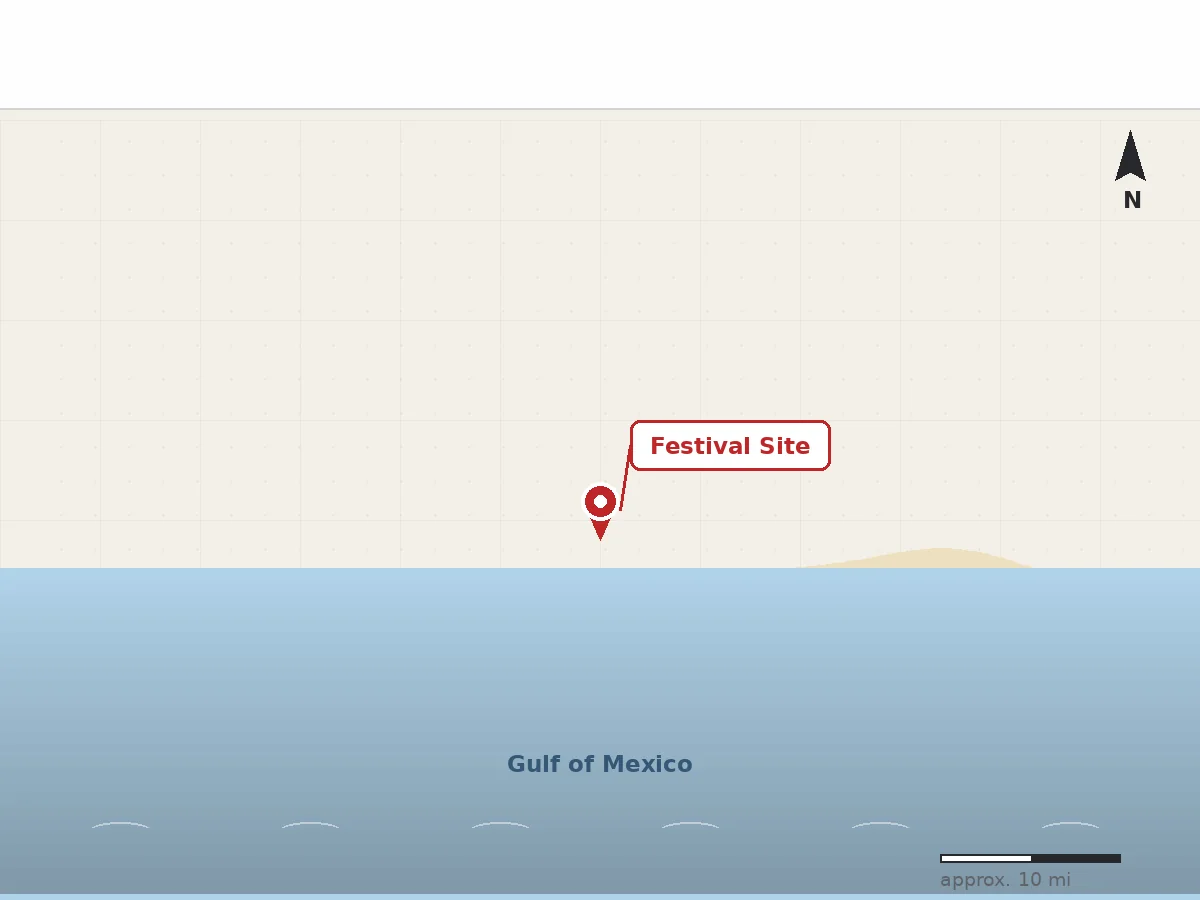
Festival activity centers on the Morgan City riverfront along the Atchafalaya in Saint Mary Parish, Louisiana, with Franklin — the parish seat — a short drive to the northwest.
Answers for First-Timers Heading to Morgan City
Is the festival free to attend?
Entry to the grounds is typically free. You pay for food, drinks, rides, games, and merchandise once inside, so budget accordingly. Any ticketed or reserved elements would be listed in the official schedule.
When is it usually held?
Late summer, over the Labor Day weekend, which falls at the end of August or the beginning of September. The festival runs across multiple days of that holiday weekend.
Is it a good trip with kids?
Yes, with a little planning. The midway, the parade, and the boat events are all family-friendly, and there is food for picky eaters. The heat is the main challenge, so plan around the middle of the afternoon and keep everyone drinking water.
What happens if it rains?
Afternoon storms are common that time of year. Most festival activity continues unless conditions turn severe, and organizers post any schedule changes. A poncho and shoes that can get wet will keep you comfortable through a passing shower.
The Next Chapter for a Morgan City Labor Day Tradition
The festival’s future is tied to the same things that shaped its past: the health of the shrimp fishery, the cycles of the petroleum industry, and the willingness of a small parish to keep showing up for one another. Coastal Louisiana faces real pressures — land loss, storm risk, and an economy that shifts with both — and a celebration built around working waterfronts will keep reflecting those conversations.
What is unlikely to change is the format. A blessing of the fleet, a boat parade, fried shrimp, and a dance floor full of zydeco is a formula that has worked for generations, and first-timers tend to become regulars. If you are planning a first visit, aim for late summer and start planning early.
Last updated: October 2026
Whether you come for the shrimp, the music, or simply to see how a small parish throws a big party, the Louisiana Shrimp & Petroleum Festival is one of the most honest introductions to south Louisiana you will find. Wear comfortable shoes, bring an appetite, and leave time for the water.