St. Mary’s County Maryland St. Mary’s County Fair Festival

If you have never been to the Saint Mary’s County Fair, reset one expectation before you arrive: this is not a traveling carnival that happens to park in a field. It is a county fair in the older sense — an agricultural showcase for a peninsula of farm families, waterfront communities, and small towns strung between the Patuxent and Potomac rivers. The grounds sit in the Saint Mary’s County area around Leonardtown, the county seat, and for a few days each year the place fills with livestock trailers, canned goods, tractors, and families who have been coming since they were children.
This guide is built for the first-timer. It covers what the fair actually is, how a county founded in 1637 came to have a fair of its own, what you will see and eat, how to plan the drive and the day, and how to stretch one visit into a weekend across Saint Mary’s County.
| Area | The Saint Mary’s County area around Leonardtown |
| County | Saint Mary’s County, Maryland |
| County seat | Leonardtown |
| Population | 113,777 (2020 census) |
| County founded | 1637 |
| Region | Southern Maryland, between the Patuxent and Potomac rivers |
| Typical timing | A late-summer run, usually September |
| Admission | Generally free to enter, with rides, games, and food sold separately |
| Setting | A county fairground with barns, show rings, a midway, and open-air stages |
| Known for | Livestock shows, home arts and baking exhibits, tractor pulls, local food |
What the Saint Mary’s County Fair Actually Is
Strip away the midway lights and the fair is a competition. Entries arrive from across the county — vegetables, preserves, baked goods, quilts, photographs, livestock — and judges sort them into ribbons. That judging is the spine of the event; everything else, from the food stands to the rides, grew up around it.
The second thing to know is scale. Saint Mary’s County is home to 113,777 people as of the 2020 census, and fair week is the moment when a good share of them, plus visitors from neighboring counties, end up in roughly the same place at the same time. It feels busy but rarely overwhelming, because the grounds are laid out in distinct zones: barns and show rings on one side, the midway on another, exhibit halls and stages somewhere in between.
Third, and this matters for first-timers: the fair is a walk-and-stand event, not a sit-and-watch one. You will do more strolling than sitting, and more talking to people at booths than reading signage. Wear the shoes accordingly.

How a County Founded in 1637 Built a Fair Tradition
Saint Mary’s County was founded in 1637, which places it among the oldest county jurisdictions in Maryland. Its early economy, like much of the tidewater, ran on tobacco planted along the water and shipped out from landings that are now quiet coves.
As tobacco gave way to a mixed agricultural economy — grain, livestock, produce, and the seafood trades — farmers needed a place to compare notes and show results. That is the impulse behind the American county fair movement, which took hold across Maryland in the nineteenth century, and Saint Mary’s County followed the same pattern.
The format has proved durable because it does two jobs at once. It is a market and a measuring stick for agriculture, and it is a social anchor for the county — the week when distant cousins, neighbors, and former classmates all end up on the same gravel path.
Over the decades the balance has shifted. Livestock numbers and exhibit classes change with the farm economy, the midway grows, the entertainment stage gets louder. But the structure — entries, judging, ribbons, a fair week — has survived essentially intact, which is why the fair still reads as genuinely local rather than imported.
Walking the Leonardtown Grounds: What a First-Timer Notices First
Expect a compact, walkable site with a clear center of gravity. Most first-timers start in the exhibit halls, drift toward the barns, and end up at the midway or the stage as the light goes down.
Fair Food Built on Southern Maryland Cooking
Food is where the county’s character shows up most plainly. Expect the standard fair vocabulary — funnel cake, fries, barbecue, lemonade — alongside Southern Maryland staples built around seafood and smoked meats, plus the civic-group and church-stand tables selling pies, cakes, and preserves by the slice. Many stands are run by local organizations, so the money tends to stay in the county. Lines are longest at the dinner hour; eat early or late if you want a seat.
Livestock Rings, Tractor Pulls, and the Evening Stage
Daytime entertainment is agricultural and hands-on: show rings for cattle, swine, goats, and sheep, poultry and rabbit barns, and equipment displays where kids climb onto tractors that were working fields a week earlier. Tractor pulls and similar competitions draw a loud, loyal crowd. As the evening cools, attention moves to the stage for local and regional bands, and to the midway for rides that look better against a dark sky.
Keeping Younger Kids Busy Between the Barns and the Midway
Families with small children tend to settle in one of two places: the animal barns, where the petting and the questions never stop, or the midway, where ride height requirements decide the itinerary for you. In between, look for games, craft and livestock demonstrations, and competitions aimed at younger exhibitors, who often steal the show. Strollers handle the grounds fine, though gravel sections get dusty in dry weather.
Planning a First Visit to the Saint Mary’s County Fairgrounds
Getting to Leonardtown by Car
Saint Mary’s County is a peninsula, so every approach is a drive. From Washington and its suburbs, the usual route runs southeast on Maryland Route 5 through Charles County into Leonardtown; from the Patuxent River side and the Lexington Park area, Route 235 feeds into the same corridor. There is no train service or commercial airport at the fairgrounds, so plan on a car — and plan on rural two-lane roads for the final stretch.
Where to Stay Near Leonardtown and Lexington Park
Lodging clusters in two places: around Leonardtown itself, and in the Lexington Park and California area to the southeast, which holds the county’s largest concentration of hotels. During fair week, book early — this is a small market on a busy weekend. Vacation rentals along the water are another option if you are turning the trip into a longer stay.
Parking Around the Fairgrounds Without the Endless Circle
Fairground parking is typically in designated lots and open fields, with attendants directing traffic at peak times. Arrive before the dinner rush or well after it and you will spend far less time idling. Carpool if you can, keep a little cash handy for any lot fee, and note where you parked — the fields look identical after dark.
What a Fair Day in Saint Mary’s County Costs
Admission is generally free, with the real spending happening inside: rides, games, food, and vendor or raffle purchases. Set a per-person budget before you walk in, decide in advance between ride tickets and wristbands if both are offered, and treat the exhibit halls and livestock barns as the free half of the day. They are, in most families’ experience, the part kids remember.
September Heat, Humidity, and Chesapeake Thunderstorms
Late summer in Southern Maryland means heat, humidity, and the occasional storm rolling in off the water. Dress for a day outdoors: light clothing, a hat, sunscreen, and shoes that can handle gravel and grass. Bring a light rain jacket rather than an umbrella, and watch the western sky in the afternoon. Evenings cool off enough that a light layer helps.
A Sample Fair Weekend in Leonardtown and Saint Mary’s County
Friday evening: arrive in the late afternoon, park once, and start in the exhibit halls while crowds are thin. Walk the barns at dusk, eat dinner from a civic-group stand, then finish on the midway or at the stage.
Saturday: the fullest day, so arrive at opening. Spend the morning on livestock shows and demonstrations, take a midday break in the shade with something cold, and use the afternoon for games, rides, and the competitions that draw the biggest audiences. Stay for the evening entertainment.
Sunday: come back for the quieter hours. Revisit anything you missed, buy from vendors before they pack up, and check the schedule for final classes and closing events. It is the easiest day with small children and the best day for actually talking to exhibitors.
How the St. Mary’s County Fair Compares to Neighboring Fairs and Towns
Saint Mary’s County is one of three Southern Maryland counties with a long fair tradition, and first-timers often ask how it stacks up. Neighboring Calvert County to the northeast and Charles County to the northwest both hold their own county fairs with similar agricultural cores, midway rides, and local food. The differences are mostly in flavor: each reflects its county’s particular mix of farming, waterfront, and commuter life. Closer to home, the historic sites around St. Mary’s City and the waterfront town of Solomons offer a different kind of day out — museums and boats rather than barns and tractors. If you have a spare morning, pairing the fair with either is a natural fit.
Your First-Timer’s Checklist for Fair Day in Leonardtown
Before you leave: check the day’s schedule online or in the local paper, since show times and stage acts vary by day. Charge your phone and bring a battery pack, because outlets are scarce in a crowd. Pack sunscreen, hats, refillable water bottles, and a light rain layer.
At the grounds: carry some cash for stands and vendors, agree on a meeting point in case your group splits, and photograph your parking row. Ask before photographing exhibitors’ animals or children. If someone in your party has mobility needs, ask staff about the flattest route between the barns and the midway.
Before you head home: check the exhibit halls for ribbons your neighbors won, buy something from a local vendor, and note next year’s dates before the week fades. First-timers who do that tend to come back.
Beyond the Fairgrounds: St. Mary’s City, Point Lookout, and the Water
Saint Mary’s County rewards a slower itinerary. St. Mary’s City, site of Maryland’s first colonial capital, is a short drive from Leonardtown and pairs well with a fair morning — archaeology, reconstructed buildings, and open waterfront.
Farther south, Point Lookout sits at the tip of the peninsula where the Potomac meets the Chesapeake, with beaches, trails, and a history that runs from the Civil War to the present. The Patuxent River side has its own draws, including aviation heritage tied to the naval air station community around Lexington Park.
And then there is the water itself. This is a county of creeks, coves, and landings, and a fair weekend is a good excuse to add a seafood lunch or an afternoon on Breton Bay to the plan.
Why the Fair Still Carries Weight in Saint Mary’s County
County fairs are often described as nostalgia. Here they are also infrastructure — a rare annual moment when the agricultural side of a county that increasingly commutes to work meets the rest of it. Young exhibitors, farm families, civic groups, and small businesses all use the same week to be visible.
The fair doubles as a county-wide reunion and a modest economic engine, moving money through local stands, vendors, and nearby businesses. For a place founded in 1637 and home to 113,777 people, keeping a fair alive is a way of insisting that the county still knows what it grows, builds, and cooks.
Where the Fairgrounds Sit in Saint Mary’s County
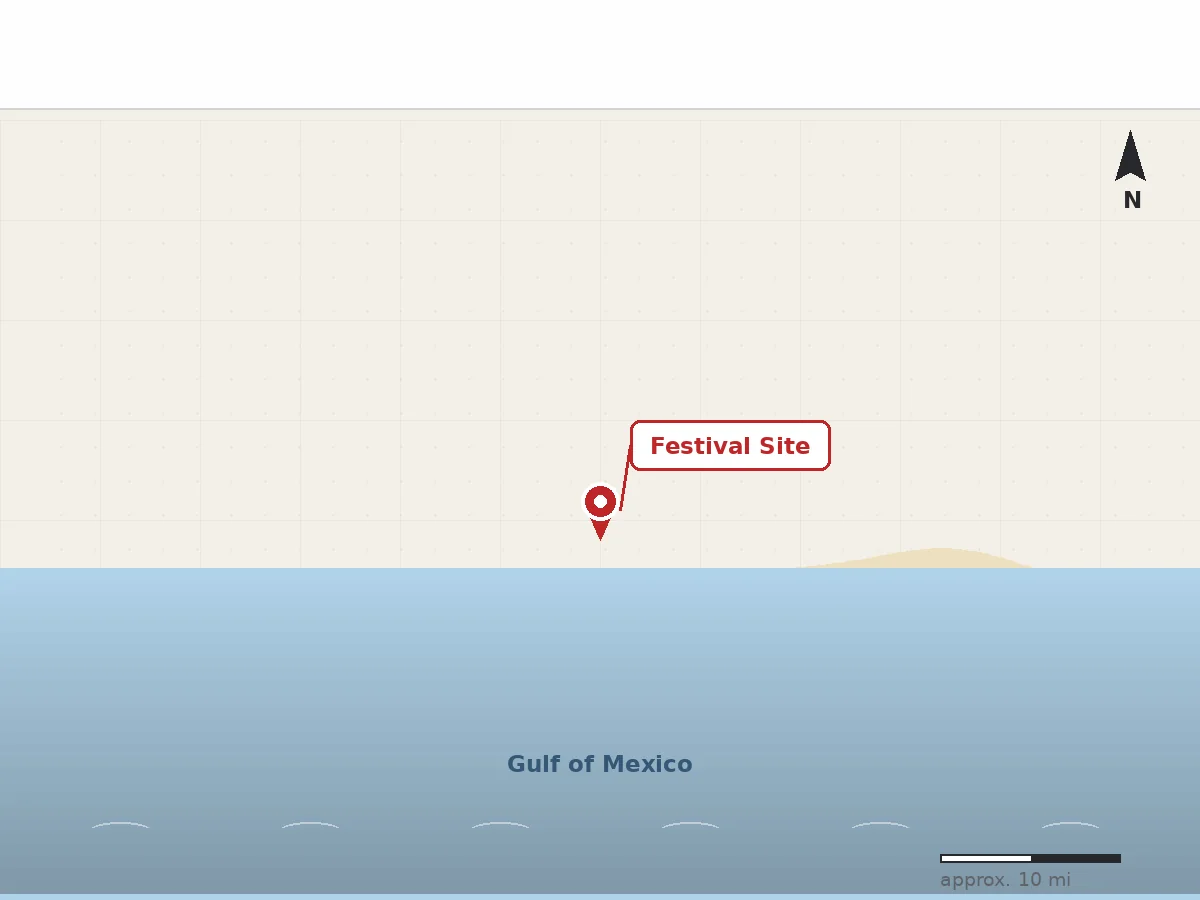
The fairgrounds are located in the Saint Mary’s County area near Leonardtown, the county seat, within easy driving distance of St. Mary’s City and the Patuxent River communities.
Saint Mary’s County Fair Questions First-Timers Ask
When is the fair usually held?
It is a late-summer event, typically staged over a few days in September. Because the exact dates shift from year to year, check the current schedule before you book travel or request time off.
Do I need tickets in advance?
General admission is typically free, and the costs you will actually notice are rides, games, food, and vendor purchases. If advance ride passes or wristbands are offered in a given year, buying ahead usually saves time at the gate.
Is the fair a good fit for young children?
Yes, with a plan. The livestock barns, demonstrations, and midway rides are the main draws for kids, and daytime hours are calmer than evenings. Bring a stroller, water, and a meeting point for older children who want to roam on their own.
How much time should I set aside for a visit?
Most first-timers spend three to five hours, which covers the exhibit halls, the barns, a meal, and a pass through the midway. If you want to catch a specific show or competition, add an hour and check the schedule before you go.
Looking Ahead to Future Fair Seasons in Leonardtown
County fairs live or die on volunteers, exhibitors, and weather, and Saint Mary’s County’s version has the advantage of a deep bench: farm families, civic organizations, and local businesses that treat fair week as a fixture. Expect the agricultural core to stay at the center of gravity, with the midway and stage refreshed year to year.
For first-timers, the practical takeaway is simple. Watch for the late-summer announcement, book lodging early if you are staying over, and treat the posted schedule as your guide once it appears. The rest — the ribbons, the tractors, the food lines — takes care of itself.
Last updated: October 2026
Come once and the fair stops being a date on a calendar and becomes a place you know: which barn has the goats, which stand has the pie, where the shade is at four in the afternoon. That is the whole point of a county fair, and Saint Mary’s County has been keeping the tradition going for a very long time.