Carroll County Iowa Carroll County Fair Festival
The Carroll County Fair is the kind of mid-summer event that rearranges a week in west central Iowa. Barns fill with cattle, hogs, sheep, and poultry, the midway lights flicker on at dusk, and grandstand nights pull in neighbors from every corner of a county that stretches across 570 square miles. Whether you are planning a first visit or your twentieth, the notes below follow the order a real trip actually unfolds.
Carroll County was founded in 1851 and counted 20,760 residents at the 2020 census, with Carroll as the county seat. Because the fair serves the whole county rather than a single town, your planning should account for short drives between the fairgrounds, parking areas, and the hotels and restaurants clustered around Carroll.
Carroll County Fair Planning Facts Worth Knowing First
| Town / area | Carroll County area, Iowa |
| County | Carroll County |
| County seat | Carroll |
| Population | 20,760 (2020 census) |
| Region | West central Iowa |
| Typical timing | Mid-summer, usually during July |
| Admission | Grounds admission is generally free; some grandstand and carnival offerings are ticketed |
| Setting | Rural fairgrounds with exhibit barns, a track, a grandstand, and a midway |
| Features | Livestock shows, 4-H and FFA exhibits, carnival rides, grandstand entertainment, food stands |
| Organizer | Local volunteer fair board |
What the Carroll County Fair Actually Is
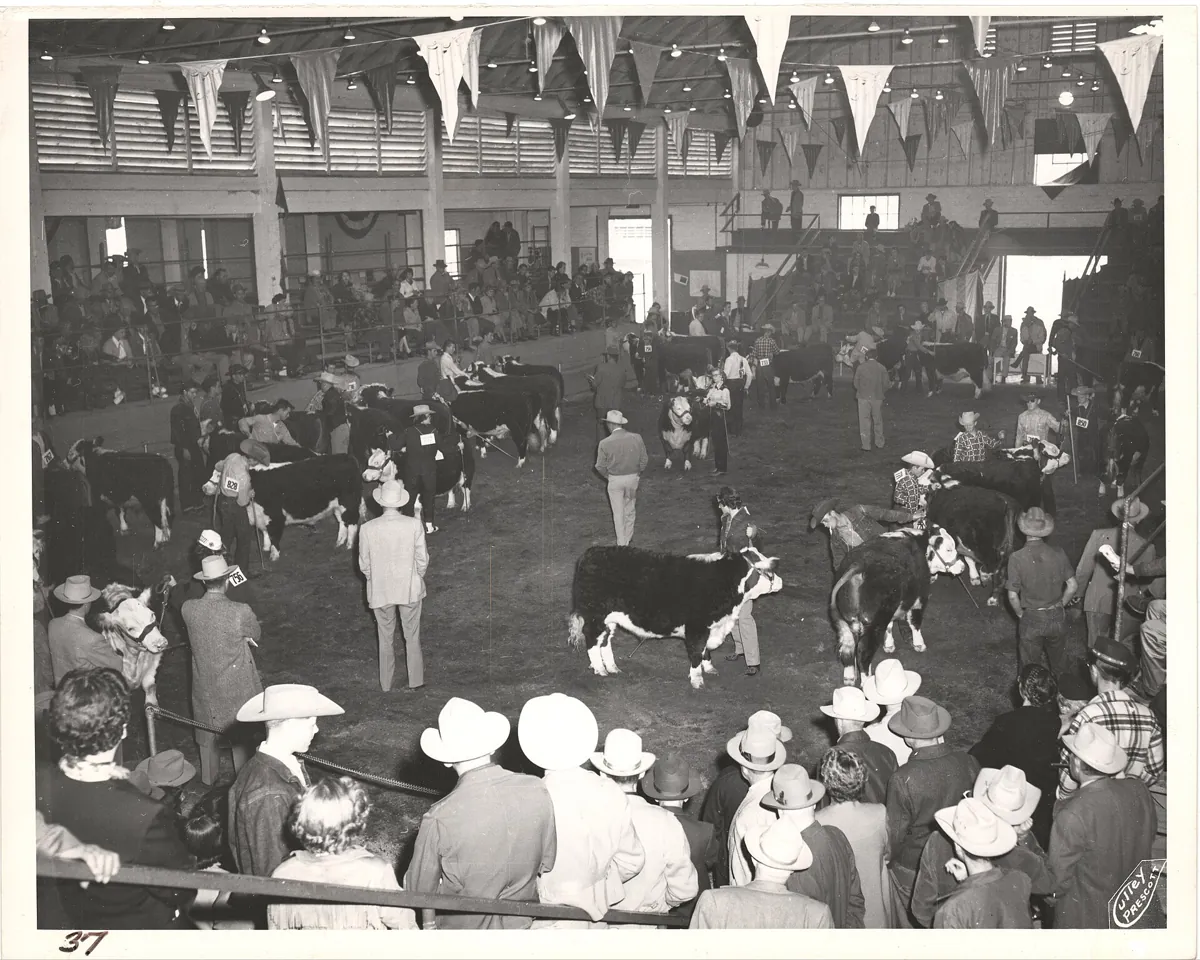
At its core, this is an agricultural showcase wrapped inside a community celebration. Youth exhibitors bring livestock and static projects, judging runs through the barns and exhibit halls during the day, and the evening shifts toward the grandstand, the carnival, and conversations that stretch well past sunset.
The fair belongs to the whole county rather than one town. With Carroll as the county seat and a population spread across 570 square miles, the fairgrounds become a temporary downtown for a few days each summer, drawing farm families, small-town residents, and day-trippers from surrounding counties.
Practically speaking, you can treat the fair as a half-day stop or as the anchor of a longer regional trip. Most of the action is walkable once you park, and the schedule generally layers daytime agricultural events with evening entertainment, so arriving early and staying late gives you two different fairs in one visit.
For another look at how a community turns its own traditions into a gathering, see the Calhoun County Iowa Expo Festival for a useful comparison.

A Fair Timeline Alongside a County Founded in 1851
Carroll County was founded in 1851, and its county fair tradition grew from the same soil as most Iowa fairs: nineteenth-century agricultural societies that wanted a yearly stage for crops, livestock, and household crafts. Those early exhibitions were as much social occasions as competitions, giving rural families a rare chance to gather, compare notes, and trade.
Over the generations, the fair has absorbed everything Iowa agriculture has been through, from horse-powered farming to mechanized row crops, from one-room school exhibits to modern 4-H project records. What has stayed constant is the structure: a countywide meeting point, run largely by volunteers, where the year’s work gets shown off and judged.
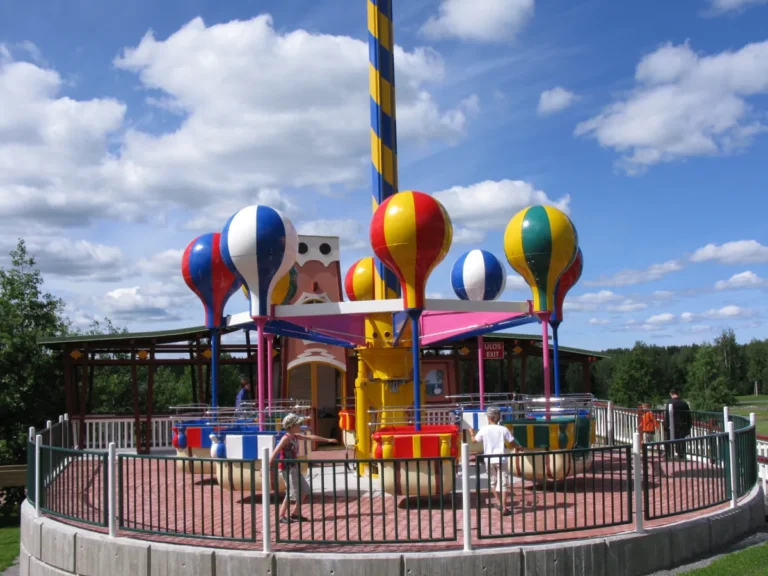
Today’s fair reflects that long arc. Livestock barns still anchor the grounds, but you will also find carnival rides, grandstand programming, and food stands that keep families on site from late morning until the lights go down.
Inside the Grounds: Barns, Midway Lights, and Grandstand Nights
A Carroll County Fair day has a rhythm. Mornings are for weigh-ins, judging, and exhibit halls. Afternoons mix carnival rides with barn visits. Evenings belong to the grandstand and the midway. Knowing that rhythm lets you plan around crowds instead of fighting them.
Fair Food That Fuels a July Evening
Expect the classic county fair lineup: grilled items, pork producers’ sandwiches, funnel cakes, lemonade, and ice cream stands doing steady business in the heat. Lines are shortest mid-afternoon and longest right after grandstand gates open, so eat early or eat late. Cash still moves fastest at smaller stands, though card acceptance has widened in recent years.
Grandstand Nights and Track-Side Entertainment
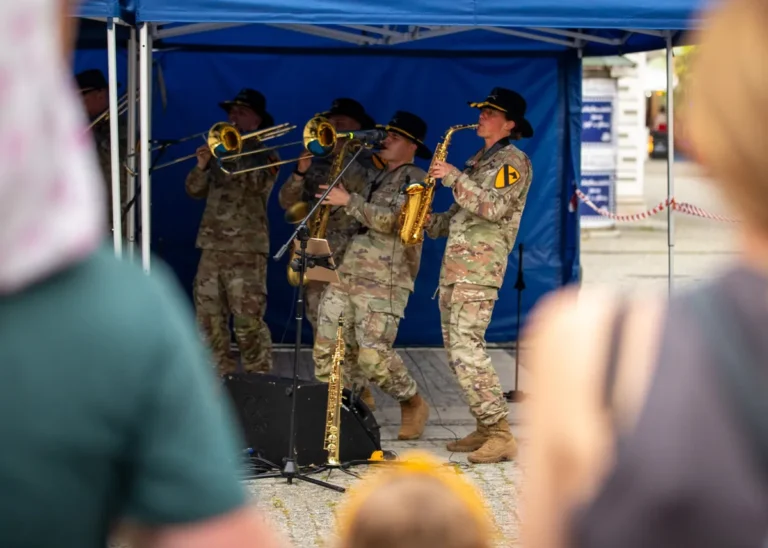
The grandstand is the fair’s evening center of gravity, typically hosting a mix of musical acts, motorsport-style events, and crowd-pleasing competitions across the run of the fair. Seating is usually general admission, and premium nights draw the biggest crowds. Arrive before the start time if you want a seat rather than a standing spot along the rail.
Family Activities Beyond the Rides
Beyond the carnival, families gravitate to the animal barns, where kids can watch grooming and judging up close, and to the exhibit halls full of baking, canning, photography, and craft entries. Many fairs also run youth-focused contests and hands-on demonstrations during daylight hours. These are free, shaded, and often the part children remember longest.
Logistics for the Carroll County Area: Arrival, Lodging, and Weather
West central Iowa is easy to navigate, but fair week concentrates traffic on a handful of roads. A little planning around timing and lodging turns a stressful day into a relaxed one.
Getting There From Any Direction
Carroll sits at the center of the county and serves as the natural reference point for directions. Most visitors arrive by car on state and county highways, and the final approach to the fairgrounds is typically well marked during fair week. Build in extra time on grandstand evenings, when the last few miles slow considerably.
Where to Stay Around Carroll
Lodging in the county seat and along the main highway corridors fills quickly during fair week, especially for weekend nights. Book well ahead if you want to stay close. Alternatives include nearby towns within a short drive and regional campgrounds, which suit trailer and RV travelers looking for a quieter base.
Parking Without the Guesswork
Fairgrounds parking is usually a mix of designated lots and adjacent field parking, often with volunteer attendants directing traffic. Arrive before the evening rush for the shortest walk, note your lot’s row marker, and keep a photo of your parking spot if you are visiting after dark with children.
Admission, Wristbands, and Extra Costs
Grounds admission at county fairs of this type is generally free, with costs concentrated in carnival rides, grandstand events, and food. Ride wristbands or ticket bundles are common and usually cheaper on slower afternoons. Bring a modest amount of cash for smaller vendors and any entry fees you encounter.
July Weather and What to Wear
Expect heat, humidity, and the real possibility of an afternoon thunderstorm. Light clothing, a hat, sunscreen, and refillable water bottles are essentials. Closed-toe shoes handle gravel, straw, and barn aisles far better than sandals. A compact rain jacket beats an umbrella when the wind picks up across open grounds.
A Sample Weekend at the Carroll County Fair
| Friday evening | Arrive late afternoon, walk the barns while they are calm, eat dinner before the grandstand crowd builds, then stay for the evening program |
| Saturday morning | Come early for livestock judging and the exhibit halls; this is the coolest, quietest window of the day |
| Saturday afternoon | Carnival rides, fair food, and shade breaks; buy ride wristbands now rather than at peak evening hours |
| Saturday evening | Grandstand event, midway lights, and a slow loop past the food stands before heading out |
| Sunday morning | Return for youth exhibits, demonstrations, and a quieter walk through the barns |
| Sunday afternoon | Final fair food stop, then a short drive through the county seat before heading home |
How It Stacks Up Against Neighboring County Fairs
Carroll’s fair sits in a crowded mid-summer field. Neighboring county seats such as Denison, Jefferson, and Sac City each host their own county fair, usually inside the same few weeks of July, which means regional families often pick two or three rather than attending all of them.
What distinguishes the Carroll County Fair is scale and centrality. A county of 570 square miles with 20,760 residents and a single county seat concentrates the agricultural community in one place, giving the fair a strong local identity rather than a tourist-facing atmosphere. Smaller fairs nearby feel more intimate; larger ones farther east carry more commercial entertainment. Carroll lands in a comfortable middle, which is exactly why it works as a family day trip.
Packing and Prep Notes for a Carroll County Fair Weekend
Confirm the current year’s schedule before you drive, since dates shift within the mid-summer window. Check whether your preferred grandstand night requires a separate ticket, and note the start time so you are not parking during the opening rush.
Pack water, sunscreen, hats, and closed-toe shoes. Add a light rain layer and a small towel if rain is in the forecast. Bring cash for smaller vendors, and a tote bag for anything you buy in the exhibit halls or commercial tents.
Charge phones before you go; fairgrounds can be hard on batteries. Set a family meeting point near a fixed landmark such as the grandstand or main gate, and write it down for younger children.
Finally, leave room in the schedule for spontaneity. The best moments at a county fair are usually unplanned: a conversation in a barn aisle, an extra ride, or one more plate of food on the way out.
Beyond the Fairgrounds: Carroll County Between Events
Make the trip worthwhile by building in time outside the gates. Carroll, the county seat, offers the practical amenities a fair weekend demands: fuel, groceries, pharmacies, restaurants, and lodging within a short drive of the grounds.
The county itself is classic west central Iowa, with farmland, small communities, and long straight roads that reward a slow evening drive. If you are staying overnight, a morning loop through the countryside before the fair opens makes a pleasant contrast to the noise and crowds of the midway.
Why the Fair Still Anchors Carroll County Life
For a county founded in 1851 and home to just over twenty thousand people, the fair does more than entertain. It is the annual measuring stick for local agriculture, the biggest showcase for youth projects, and one of the few events that reliably brings together residents from every township at once.
It also runs on volunteer labor: fair board members, judges, booth workers, and parents who spend their week in barns and ticket lines. That investment is why the fair feels locally owned rather than imported, and why it continues to matter in a county where agriculture remains the shared language.
Pin It Down: Carroll County Fairgrounds Location
The Carroll County Fair takes place in the Carroll County area of west central Iowa, with the city of Carroll serving as the county seat and the main reference point for directions and lodging.
Carroll County Fair Visitor Questions, Answered
Is admission free at the Carroll County Fair?
Grounds admission at Iowa county fairs of this size is generally free, with spending concentrated on carnival rides, grandstand events, and food. Because specifics vary year to year, check the current schedule for any ticketed programming before you travel, and bring a little cash for smaller vendors.
When is the fair usually held?
The fair typically falls in mid-summer, usually during July, in line with the broader Iowa county fair calendar. Exact dates shift from year to year, so confirm the current season’s schedule rather than relying on a previous year’s timing when planning lodging and time off.
Is the fair a good fit for young children?
Yes. Daytime hours are the easiest for families, with animal barns, exhibit halls, and youth activities that hold attention without long waits. Plan around the hottest part of the afternoon, keep water handy, and set a meeting point near the main gate or grandstand in case anyone wanders.
Should I arrive early for parking?
Arriving before the evening grandstand rush saves both time and walking distance. Mid-afternoon arrivals usually find the shortest lines at the gate and the easiest parking. If you come for a headline grandstand night, add a buffer of at least half an hour to your drive.
The Next Chapter for the Carroll County Fair
County fairs survive by adapting, and this one is no exception. Expect continued emphasis on youth agriculture, more card-friendly vendors, and programming designed to keep families on the grounds through the evening. Whatever changes, the fair’s role in Carroll County looks secure: it remains the one week each summer when the whole county shows up in the same place.
Last updated: October 2026
Plan the Carroll County Fair as you would any good summer trip: pick your evening, book lodging early, arrive before the crowd, and leave space for one more walk past the barns before the lights go out.