Lincoln County Idaho Lincoln County Fair & Rodeo Festival
Lincoln County is a lot of country with very few people in it — 1,206 square miles holding a population of 5,127 at the 2020 census. Once a year the Shoshone area fills up for the Lincoln County Fair & Rodeo, when families from Twin Falls, Hailey, Jerome and the surrounding ranch country converge on the fairgrounds for a combined county fair and rodeo. It runs on volunteer hours and local sponsorship rather than a big marketing budget.
That is why this piece is written like a logistics brief. Small-county fairs rarely publish the granular detail that big events do, and the difference between a great afternoon and a sweaty hour of circling the lot usually comes down to timing, cash and shoes. Plan the trip well and the festival itself takes care of the fun.
The Lincoln County Fair & Rodeo Fact Sheet for Trip Planners
| Town / place | Shoshone area, Lincoln County, Idaho |
| County | Lincoln County, Idaho |
| County seat | Shoshone |
| Population | 5,127 (2020 census) |
| Region | South-central Idaho, along the US-26 and US-93 corridor |
| Typical timing | Late summer, generally during the August fair season |
| Admission | Grounds admission is typically free; bring cash for vendors and extras |
| Setting | Rural fairground with a rodeo arena, exhibit buildings and open-air seating |
| Signature features | Rodeo performances, livestock exhibits, fair food, community booths |
| Organizer | Local fair board and community volunteers |
What the Lincoln County Fair & Rodeo Actually Is
Strip away the name and you have two events sharing one site: a traditional county fair with barns, exhibit halls and concession stands, and a rodeo that pulls the crowd into the grandstand once the evening cools off. Shoshone, the county seat, is the anchor town, and the surrounding ranching and farming communities supply most of the entrants, the volunteers and a good share of the audience.
The scale is intimate. You will not fight through crowds of tens of thousands, and you will probably run into someone you know. What you get instead is authenticity: kids washing and walking livestock, neighbors comparing garden entries, ropers warming up behind the bucking chutes. Because admission to the grounds is typically free, the fair works as a low-cost family outing as much as a ticketed event.
How an 1863 County Named for Abraham Lincoln Built a Fair Tradition
Lincoln County was established in 1863 and named for President Abraham Lincoln, which places its origins squarely in the Civil War era of western territorial organization. Shoshone became the county seat, and for decades the town’s fortunes rode on rail lines, livestock shipping and the surrounding agricultural base.
County fairs in this part of Idaho grew out of exactly that economy. Harvest and livestock cycles gave rural families a natural calendar slot for a gathering, and a fairground became the one place where everyone from a sprawling, thinly populated county could meet in the same week. With 1,206 square miles to cover and only about 5,000 residents, that function matters more here than it does in denser places.
The rodeo side of the event is a direct extension of the working ranch culture that still surrounds Shoshone. Roping, bronc riding and barrel racing are not historical reenactments in this part of the state — they are skills people use, or grew up watching. Over time the fair and the rodeo merged into a single late-summer tradition that now serves as Lincoln County’s de facto annual homecoming.
What a Day at the Shoshone Fairgrounds Feels Like
Expect a compact site you can walk end to end in a few minutes, with the rodeo arena as the gravitational center. Arrive early for the barns and exhibits, stay late for the rodeo.
Fair Food and Vendor Booths
Concession stands are the backbone of any county fair, and Lincoln County’s are the familiar mix: burgers and fries, corn dogs, funnel cakes, snow cones, coffee for the early crowd and lemonade for the afternoon. Local groups often run booths as fundraisers, which means the food doubles as community support. Vendors generally take cards, but small operations sometimes run out of change or lose signal, so carrying some cash is smart.
Rodeo Action and Evening Entertainment
Rodeo performances typically anchor the late afternoon and evening, with the standard slate of roughstock riding, timed events such as barrel racing and team roping, and youth divisions that tend to draw the loudest reactions. Seating is generally open-air grandstand and bleacher style, so a cushion and a jacket help. Between events, expect announcements, sponsor recognition and the unhurried pacing that comes with a volunteer-run production.
Family Activities, Livestock Barns and Exhibits
This is a genuinely kid-friendly event. Livestock barns are usually open for walking through, exhibit halls display everything from baking and canned goods to photography and flowers, and youth projects get prominent billing. Many families treat the fair as a full day out rather than a two-hour stop. Grounds are mostly gravel, dirt and grass, so strollers work but do not love it — a wagon or carrier is often easier.
Logistics: Getting to Shoshone and Running the Day Well
Shoshone sits at the junction of US-26 and US-93 in south-central Idaho, which makes it reachable from several directions without much fuss. The planning variables are parking, lodging and heat.
Driving In From Twin Falls, Hailey or Beyond
US-93 runs north from Twin Falls through Shoshone, and the Wood River Valley communities of Bellevue, Hailey and Ketchum lie north via US-93 and Idaho 75. US-26 comes in from the east and west, connecting the Magic Valley with the high desert country. Fuel up before you arrive if you are coming from a distance — services thin out quickly once you leave the main corridor.
Where to Stay Around Lincoln County
Lodging inside Lincoln County is limited, so most visitors base themselves in Twin Falls to the south or in the Wood River Valley to the north, both of which offer a wider range of motels, inns and short-term rentals. Campers and RV travelers often find options in surrounding public lands and nearby communities. Book early for fair weekend, since late summer is peak season across the whole region.
Parking at the Fairgrounds
Parking at small fairs is usually free and first-come, with volunteers directing traffic onto grass or gravel lots. The practical advice is simple: arrive before the evening rodeo rush, park facing the direction you plan to leave, and remember that a dusty lot after dark looks nothing like it did in daylight. If you have mobility concerns, ask a volunteer about closer drop-off before you commit to a spot.
Admission, Tickets and Why You Should Carry Cash
Grounds admission to the Lincoln County Fair & Rodeo is typically free, which is a big part of its appeal for local families. Individual attractions, concessions and some rodeo seating may involve a charge that varies year to year, so treat any figure you hear as approximate and confirm locally. Bring cash for raffles, bake sales and small vendors, and set a rough budget per person before you walk through the gate.
Late-Summer Weather and What to Pack
August in south-central Idaho means hot, dry afternoons and cool evenings, sometimes with wind that kicks up dust. Expect wide temperature swings between midday and the last rodeo event. Pack water, sunscreen, hats, sunglasses and a light layer for after sunset. Smoke from regional wildfires can affect air quality in some years, so check conditions before you head out if you have respiratory concerns.
A Two-Day Plan for a Lincoln County Fair Weekend
Day one. Arrive mid-morning, park while the lots are still open, and walk the livestock barns and exhibit halls before the heat builds. Grab lunch from a concession stand and find shade. In the afternoon, watch the youth divisions and preliminary rodeo events, then claim grandstand seats early. Stay for the main performance in the evening, and let the lot clear for fifteen minutes afterward instead of sitting in a dust cloud.
Day two. Come back for the quieter hours — exhibits, coffee and conversation with exhibitors who finally have time to talk. Catch anything you missed, buy from local booths, and check the schedule for a final rodeo performance or awards. If you have a long drive home, leaving before the last event ends will save you a slow crawl out of the parking area.
How It Stacks Up Against Nearby County Fairs
The closest comparisons are the Twin Falls County Fair in Filer, the Jerome County Fair and the Blaine County Fair in Hailey. Twin Falls County runs the largest of the group, with a bigger midway and more commercial vendors. Jerome sits in the middle. Blaine County’s fair serves a resort-influenced valley and tends to feel smaller and more boutique.
Lincoln County’s version is the most rural of the set. It is smaller, more agricultural in flavor, and easy to cover in a single afternoon. If you want rides, crowds and a full midway, drive to Filer. If you want a rodeo, a barn full of animals and a seat where you can actually see, Shoshone is the better fit. Plenty of visitors pair two fairs in one season rather than choosing between them.
Your Pre-Fair Checklist Before Leaving the House
| Cash in small bills | Vendors, raffles and bake sales |
| Water and refillable bottles | Hot, dry afternoons |
| Sunscreen, hat, sunglasses | Little shade in open seating |
| Light jacket or blanket | Evening temperatures drop fast |
| Closed-toe shoes | Dust, gravel and livestock areas |
| Seat cushion | Bleacher seating gets hard |
| Charged phone and car charger | Spotty signal drains batteries |
| Confirmed schedule | Volunteer-run events shift year to year |
Beyond the Rodeo: What Else Lincoln County Offers
Shoshone itself is a small, historic railroad town with a walkable main street and a county-seat feel. It makes a pleasant hour before or after the fair.
The bigger draws are regional. North along US-93 and Idaho 75, the Wood River Valley opens into Bellevue, Hailey and Ketchum, with Sun Valley beyond — a completely different landscape of mountains, galleries and restaurants. South on US-93, Twin Falls offers the Snake River Canyon and Shoshone Falls. Northeast, the lava country around Craters of the Moon makes a longer but memorable day trip, and Minidoka National Historic Site lies west toward Jerome.
Why a County of 5,127 People Still Puts On a Fair and a Rodeo
A county with 1,206 square miles and roughly 5,100 residents does not have many occasions when everyone is in the same place. The fair is one of them. It is where youth agriculture projects get judged, where local businesses sponsor banners, where the volunteer fire department sells food, and where ranch hands and school board members stand in the same concession line.
That social function is hard to replace. For families spread across a vast rural county, the fair is a reunion, a marketplace and a showcase at once. Keeping it free to enter is part of the point — it lowers the barrier so the whole county can show up.
Where the Lincoln County Fair & Rodeo Sits in Shoshone
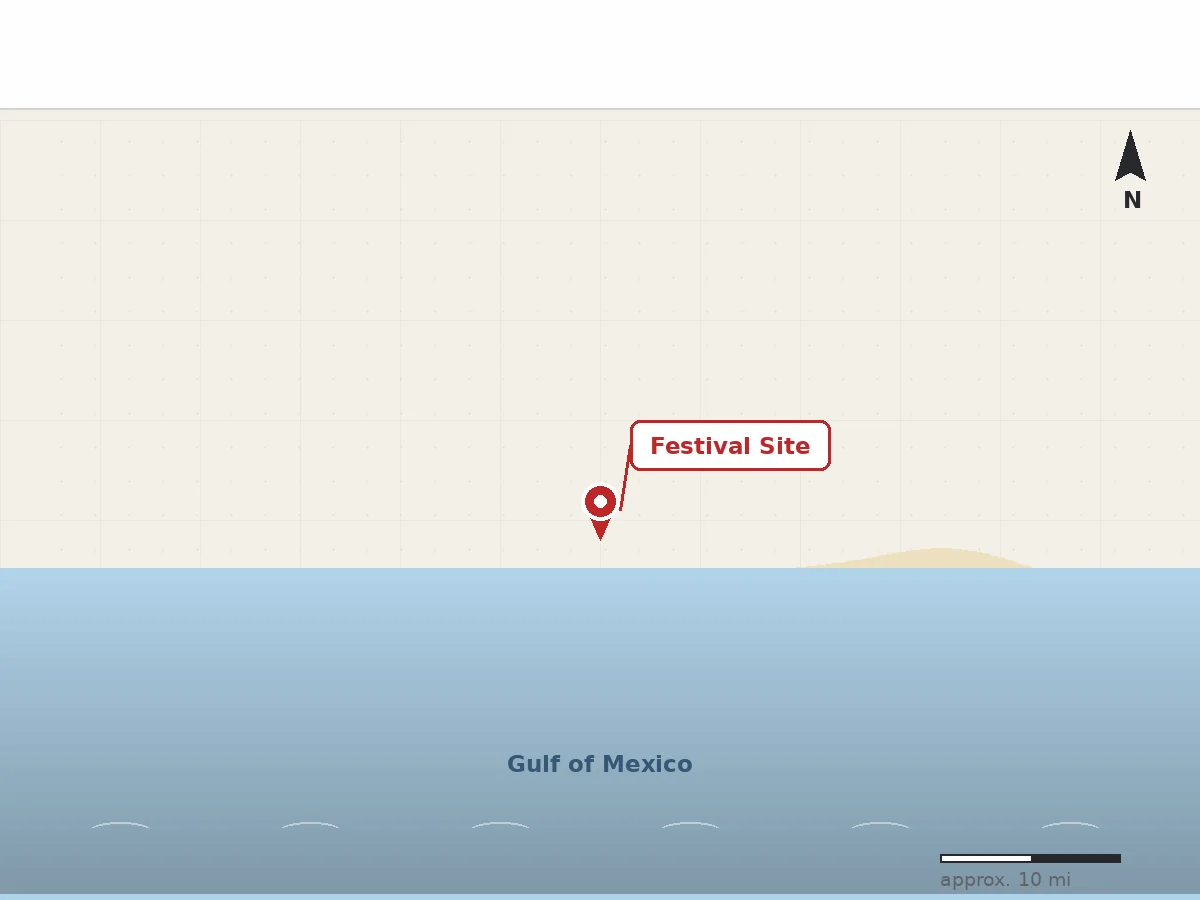
The Lincoln County Fair & Rodeo takes place in the Shoshone area of Lincoln County, Idaho, in the south-central part of the state at the US-26 and US-93 junction, with Shoshone serving as the county seat.
Lincoln County Fair & Rodeo Answers for First-Timers
Is the Lincoln County Fair & Rodeo free to get into?
Grounds admission is typically free, which makes it one of the more affordable outings in the region. Concessions, raffles and some attractions cost money, and rodeo seating arrangements can change from year to year, so plan on bringing cash and confirming details locally as the season approaches.
When should I arrive to avoid the worst of the crowd?
Earlier is almost always better. Mid-morning gives you easy parking, cooler temperatures and open access to the barns and exhibit halls. If the rodeo is your priority, arrive an hour or so before the performance to claim seating and walk the grounds first.
Is it a good event for young kids and older visitors?
Yes. The site is compact and walkable, the livestock barns and exhibits hold children’s attention, and the rodeo provides plenty of spectacle. Older visitors should note that seating is often bleacher-style and the ground is uneven, so arriving early and choosing a spot near an aisle makes a real difference.
How does it compare with the Twin Falls County Fair?
Twin Falls County’s fair in Filer is considerably larger, with more commercial vendors and a bigger midway. Lincoln County’s event is smaller, more agricultural and easier to cover in one visit. Many people attend both, treating Shoshone as the relaxed, rodeo-focused option.
What the Next Few Years Might Bring to the Shoshone Fairgrounds
County fairs across rural Idaho face the same pressures: aging buildings, thinning volunteer rosters, rising insurance and supply costs, and a younger generation with more competing options for a summer weekend. Lincoln County’s fair is not immune, but its scale is also its advantage — a small, well-run event with deep local buy-in can adapt faster than a large one.
The most likely direction is continuity with modest upgrades: better shade and seating, improved parking organization, more online scheduling and payment options while keeping gate admission free, and continued integration of youth agriculture programs. Expect the rodeo to remain the anchor. For visitors, the practical takeaway is to check the current year’s schedule before traveling, because volunteer-run events adjust details season to season.
Last updated: October 2026
The Lincoln County Fair & Rodeo is not trying to be a destination festival, and that is precisely its charm. It is a county of 5,127 people doing what rural places do best: gathering, competing, cooking and staying up late for one more rodeo event. Plan the parking, pack the water and cash, and the rest is easy.