Madison County Idaho Madison County Fair Festival
In late summer, the rhythm of Rexburg tilts toward the fairgrounds. Pickup trucks line the approach roads, trailers haul livestock into the barns, and families who have spent the season spread across hay fields and summer jobs start planning their evenings around the midway. For a few days, the Madison County Fair becomes the county’s living room.
Ask residents why they go and you rarely hear about headline acts. You hear about habits: buying a scone every year without fail, checking the 4-H sheep pens before dinner, letting the kids ride the same Ferris wheel their parents rode. The Madison County Fair is a tradition people inherit rather than discover, and that inheritance is what keeps it alive.
Madison County Fair Essentials: Rexburg’s Late-Summer Gathering
| Festival | Madison County Fair |
| Location | Madison County area, centered on Rexburg |
| County | Madison County, Idaho |
| County seat | Rexburg |
| Population | 52,913 (2020 census) |
| Land area | 473 square miles |
| Region | Eastern Idaho, Upper Snake River Valley |
| Typical timing | Late summer, most often August |
| Setting | Open-air fairgrounds with barns, show rings, and midway space |
| Admission | Generally inexpensive gate; many exhibits free to watch |
Inside Madison County’s Own Late-Summer Fair
The Madison County Fair is exactly what its name promises: a county fair, rooted in agriculture and held in the Madison County area, with Rexburg serving as the anchor. It is a place where a young exhibitor can spend a morning grooming an animal and an afternoon on a carnival ride, and where a farmer can talk irrigation with a neighbor between livestock classes.
Because Madison County covers 473 square miles of eastern Idaho’s Upper Snake River Valley, the fair draws from a wide ring of small communities as well as Rexburg itself. Families arrive from farmsteads, subdivisions, and student apartments, and the mix shows: chore boots and cowboy hats next to strollers and folding chairs, all circling the same show rings and food lines.
It is not a mega-fair, and nobody pretends otherwise. The scale is part of the appeal. Visitors can walk the grounds in an afternoon, catch a livestock show, eat dinner, and still be home before dark — or stay for the evening entertainment and let the kids fall asleep in the truck on the way back.
From an Early-20th-Century County to a Fair That Still Feels Local
Madison County was established on February 18, 1913, with Rexburg as its county seat. The county’s 473 square miles were — and largely remain — farming and ranching country, and the fair grew out of the same agricultural calendar that shaped everything else: planting, irrigating, haying, harvest.
Across eastern Idaho, county fairs emerged in the early decades of the twentieth century as places where farm families could compare livestock, show off produce and baking, and let their children demonstrate what they had learned in school and club projects. The Madison County Fair belongs to that lineage, carrying forward the barns, show rings, and exhibit halls that grew from those gatherings.
Over the decades the county changed. The 2020 census counted 52,913 residents, a population shaped as much by Rexburg’s university culture as by agriculture. The fair changed with it, adding entertainment and midway attractions alongside traditional livestock and home arts exhibits, without turning its back on the barns.
That balance is deliberate. Residents who have attended for decades describe the fair as continuity — the same categories, the same friendly rivalries between families, the same annual chance to see neighbors they otherwise only wave at from a truck window.
What a Day at the Madison County Fairgrounds Feels Like
A fair day here unfolds slowly. Mornings belong to exhibitors and judges, afternoons fill with families, and evenings bring the crowds. Plan for a few hours; most people stay longer.
Fair Food, Church Booths, and Local Favorites
Food at the Madison County Fair follows the classic script: burgers, curly fries, funnel cakes, snow cones, and cotton candy drifting across the midway. Church groups and civic organizations typically run their own booths, and those stands are often where longtime residents head first — partly for the food, partly because they know someone working the counter. Lines move quickly and portions are generous. If you have dietary restrictions, eat before you arrive or pack snacks for picky eaters.
Music, Motors, and Evening Entertainment in Rexburg
Evening is when the fair shifts gear. Live music, local performers, and grandstand events have long been part of the schedule, and in many years the entertainment leans toward motor sports and crowd-pleasing spectacles that fill the bleachers. Bring a jacket for after sunset and claim seats early if something specific is on the bill. Lineups shift year to year, so check the current schedule.
Family Activities for Kids, Teens, and Grandparents
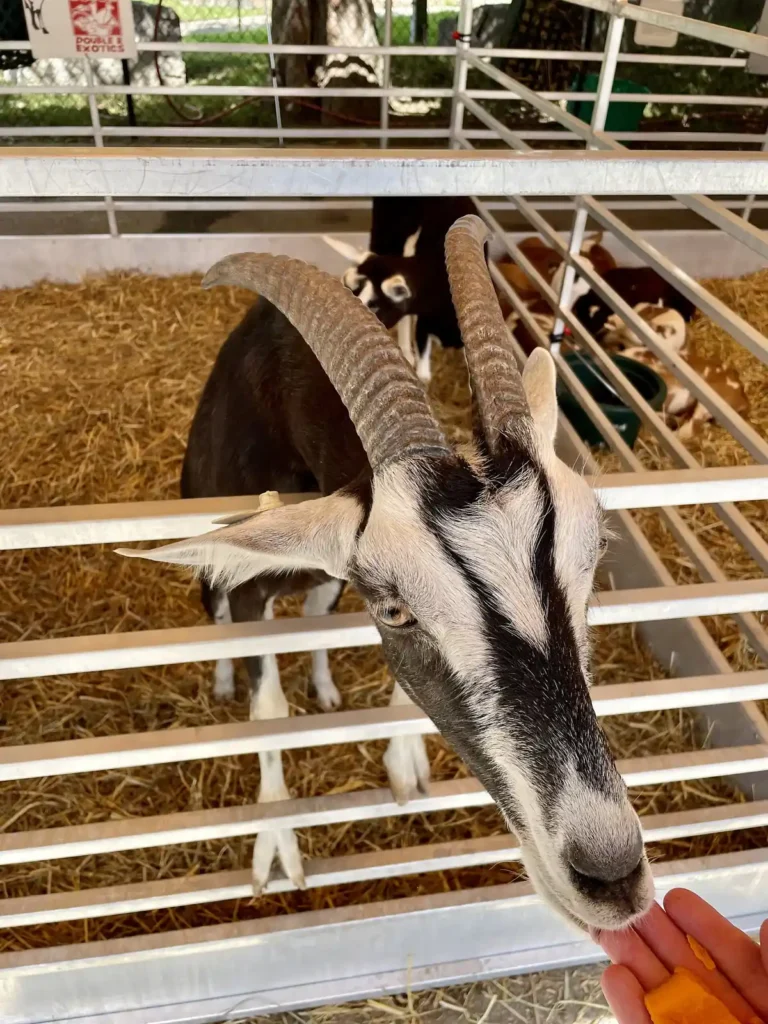
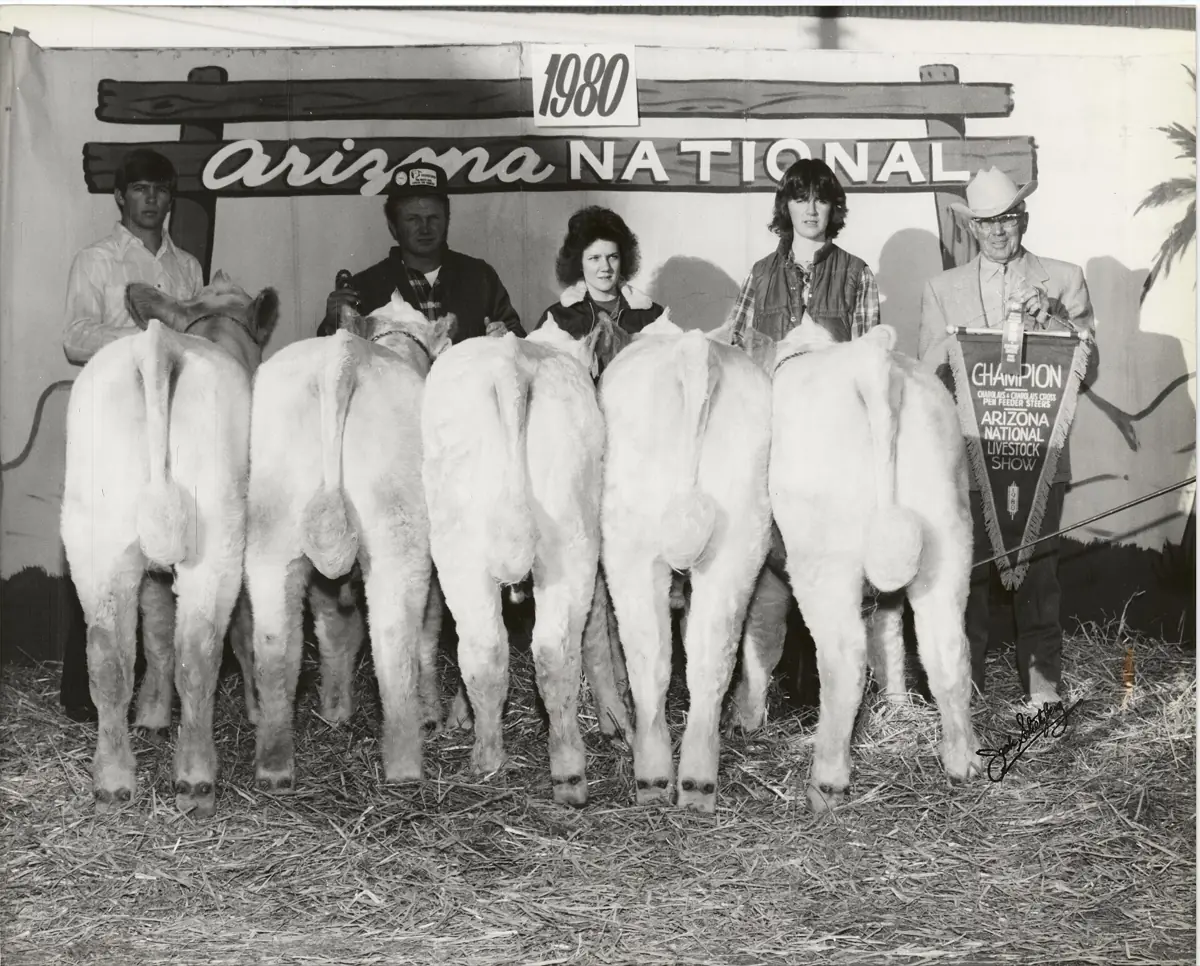
The fair suits mixed-age groups. Young children gravitate to carnival rides, games, and petting areas, while older visitors settle into the exhibit halls, where quilts, canned goods, photography, and flowers are judged and displayed. Livestock shows are the quiet heart of the event — sheep, swine, cattle, goats, and the 4-H and FFA members who raised them. Strollers work on most of the grounds, though barn aisles can be uneven and dusty.
Planning a Fair Trip from Anywhere in Eastern Idaho
The fair is easy to reach and easy to enjoy, but a little planning saves time and shoe leather.
Getting to the Madison County Area
Rexburg sits in eastern Idaho along the U.S. Highway 20 corridor, roughly midway between Idaho Falls and the Henry’s Fork country. Most visitors arrive by car, and the drive from Idaho Falls is short enough for a day trip. Travelers flying in typically connect through Idaho Falls. Arrive before the evening rush if you want a close parking spot.
Where to Stay Around Rexburg
Rexburg offers hotels, motels, and short-term rentals, and because it is a university town, the inventory is larger than a rural county might suggest. Fair weekends fill up, so book early. Idaho Falls adds more options a short drive south.
Parking and Traffic Around the Grounds
Parking at county fairs is temporary and rarely glamorous. Arrive early, expect a short walk, and follow volunteers directing traffic. Carpooling with neighbors is practical and very much in the spirit of the event. If you are hauling livestock or exhibit entries, follow trailer routes rather than the public entrance.
Admission, Tickets, and What Money Buys
Admission is generally inexpensive, and much of what happens on the grounds — walking the barns, watching shows, browsing exhibits — costs nothing beyond the gate. Rides, games, food, and some grandstand events carry their own charges. Bring some cash; small booths and raffles often run on bills and coins. Policies can change year to year, so confirm locally.
Late-Summer Weather in Madison County
Late summer in eastern Idaho means warm, dry afternoons and noticeably cool evenings, with the occasional thunderstorm. Days can reach the eighties or higher, and the sun over an open fairground is unforgiving. Pack sunscreen, a hat, and water, then add a light jacket for after sunset. Closed-toe shoes are wise; sandals and livestock barns are a poor combination.
A Sample Madison County Fair Weekend, Start to Finish
Arrive on Friday evening, when the fair is at its most relaxed. Walk the barns first, while exhibitors are still grooming animals and the aisles are quiet, then loop through the exhibit halls to see the baking, canning, and photography entries. Grab dinner from a booth, find a seat for the evening entertainment, and leave before the parking lot gets complicated.
Saturday is the full day. Come mid-morning for livestock shows, when the bleachers fill with families and the judging gets serious. Eat lunch on the grounds, let the kids loose on the rides in the afternoon, and take a break in the shade of the exhibit hall when the heat peaks. Stay for the evening program, usually the busiest stretch of the entire fair.
Sunday tends to be shorter and gentler. Come for the final rounds of exhibits and the last carnival rides, and for the informal goodbyes as animals are loaded out and booths packed up. It is the best time to talk with exhibitors, who are usually happy to explain what they raised and how they did.
How Madison County’s Fair Compares with Nearby Traditions
Eastern Idaho has no shortage of fairs, and each has its own personality. The Eastern Idaho State Fair in Blackfoot is the region’s heavyweight — bigger crowds, bigger concerts, a full-scale carnival, and a reputation that draws visitors from across the state. Madison County’s fair is smaller and more intimate, and residents tend to treat the difference as a feature rather than a shortcoming.
Neighboring counties host their own celebrations, including Jefferson County’s fair in the Rigby area and Fremont County events around St. Anthony, while Idaho Falls offers larger-city amenities just down the highway. Compared with those, the Madison County Fair leans harder on agriculture and local exhibitors. If you want a midway and a headline act, go bigger. If you want to know whose kid won the sheep class, this is the one.
A Fairgoer’s Checklist Before You Leave the House
Bring cash for booths, raffles, and small purchases; sunscreen, hats, and refillable water bottles for the afternoon; a light jacket or blanket for the evening; and comfortable closed-toe shoes for barn aisles and gravel. Add a stroller or wagon if small children are coming, a camera or phone for exhibit-hall photos, and a tote bag for anything you buy. Leave pets at home unless the fair has posted otherwise, and check the day’s schedule before you go so you do not miss what matters most.
Beyond the Fairgrounds: Rexburg and the Madison County Countryside
The fair is a good excuse to spend more time in Madison County. Rexburg itself is a compact, walkable town with restaurants, coffee shops, and a steady university-driven energy that feels different from most rural county seats. Spend a morning downtown before heading to the grounds.
Out in the countryside, the Upper Snake River Valley opens into fields, canals, and long views toward the Tetons on clear days. Nearby draws include the Henry’s Fork country and the outdoor recreation around Island Park to the northeast, plus the larger city amenities of Idaho Falls to the south. Many fairgoers build a weekend around the fair and one of those side trips.
Why This Fair Still Anchors Madison County Life
In a county of 52,913 people, a fair is one of the few events that genuinely crosses every line — age, occupation, faith community, and whether your family has been here for four generations or four years. That is why residents talk about it in the language of habit rather than entertainment.
For 4-H and FFA members, it is the culmination of months of work and often the first place they learn to speak confidently to an adult they have never met. For local businesses and church groups, it is a fundraiser and a handshake. For grandparents, it is a chance to watch a grandchild walk a lamb into a ring.
Where the Madison County Fair Sits in Eastern Idaho
The Madison County Fair takes place in the Madison County area of eastern Idaho, with Rexburg — the county seat — serving as the surrounding hub for lodging, dining, and directions to the grounds.
Madison County Fair Answers for First-Time Visitors
When does the Madison County Fair usually take place?
It is a late-summer event, most often held during August, typically running across several consecutive days including a weekend. Because the exact window shifts from year to year, the reliable move is to check the current schedule in early summer and plan around it.
Do visitors need tickets in advance?
Generally no. Fairs of this size are built for walk-up attendance, and admission is usually inexpensive rather than pre-sold. Carnival rides, games, food, and some grandstand events are paid separately on the grounds. If a particular evening program matters to you, check whether it requires its own ticket.
Is the fair a good fit for young children and older relatives?
Yes. The grounds are compact enough to walk without exhaustion, and there is a natural split between the noisier midway and the calmer exhibit halls and barns. Bring a stroller or wagon for little ones, plan a shaded break during the hottest part of the afternoon, and watch for uneven ground in the livestock areas.
What should I bring to the fairgrounds?
Cash for small vendors, water and sunscreen for the afternoon, a light layer for the evening, and closed-toe shoes for barn aisles. A tote bag helps with purchases, and a phone or camera covers the exhibit halls. Leave pets at home unless the fair has posted a specific policy allowing them.
What’s Ahead for the Madison County Fair
Madison County keeps growing — from its 1913 founding through a 2020 census count of 52,913 residents — and the fair will keep adapting with it. Expect the traditional backbone to hold: livestock, 4-H and FFA exhibits, home arts, food booths, and evening entertainment. Expect the details to shift, since schedules, vendors, and grandstand lineups change from year to year as organizers respond to what local families actually show up for. For residents, that flexibility is the point.
Last updated: October 2026
If you are in eastern Idaho in late summer, set aside an evening for the Madison County Fair. Come for the food and the rides if you like, but stay for the barns, the exhibit halls, and the conversations that only happen when a whole county decides to spend a few days in the same place.