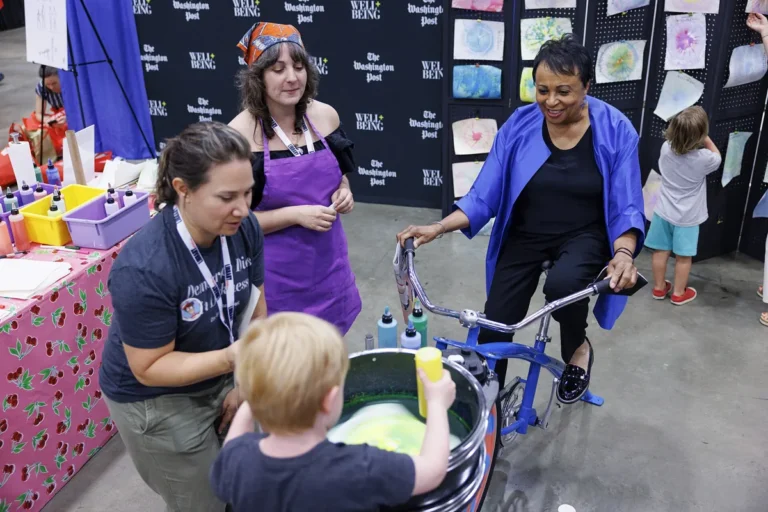
Lincoln County Montana Fair Festival
Late August in the Tobacco Valley belongs to one fixture, and it is not held where a visitor might first look for it. The Lincoln County Fair takes place in Eureka, a town in the north of the county close to the Canadian border, and not in Libby, the county seat some thirty-five miles to the south. The fair is run by its own Fair Board, working out of a fair office at the Lincoln County Fairgrounds in Eureka, and its paper trail is refreshingly direct: a fair book published for the year, entry forms issued by the fair itself, and an application for the week’s Friday Night Games. The documented week has three load-bearing parts — exhibits across the 4-H, agricultural and domestic divisions, an arena games night on the Friday, and a livestock auction on the Saturday afternoon — and then a fourth part that belongs to somebody else: a ticketed bull-riding show, produced by a separate association, staged on the same grounds on closing night. Keeping those pieces in their proper boxes is the whole job here, because the record also leaves honest gaps — the largest of them being the price of getting in.
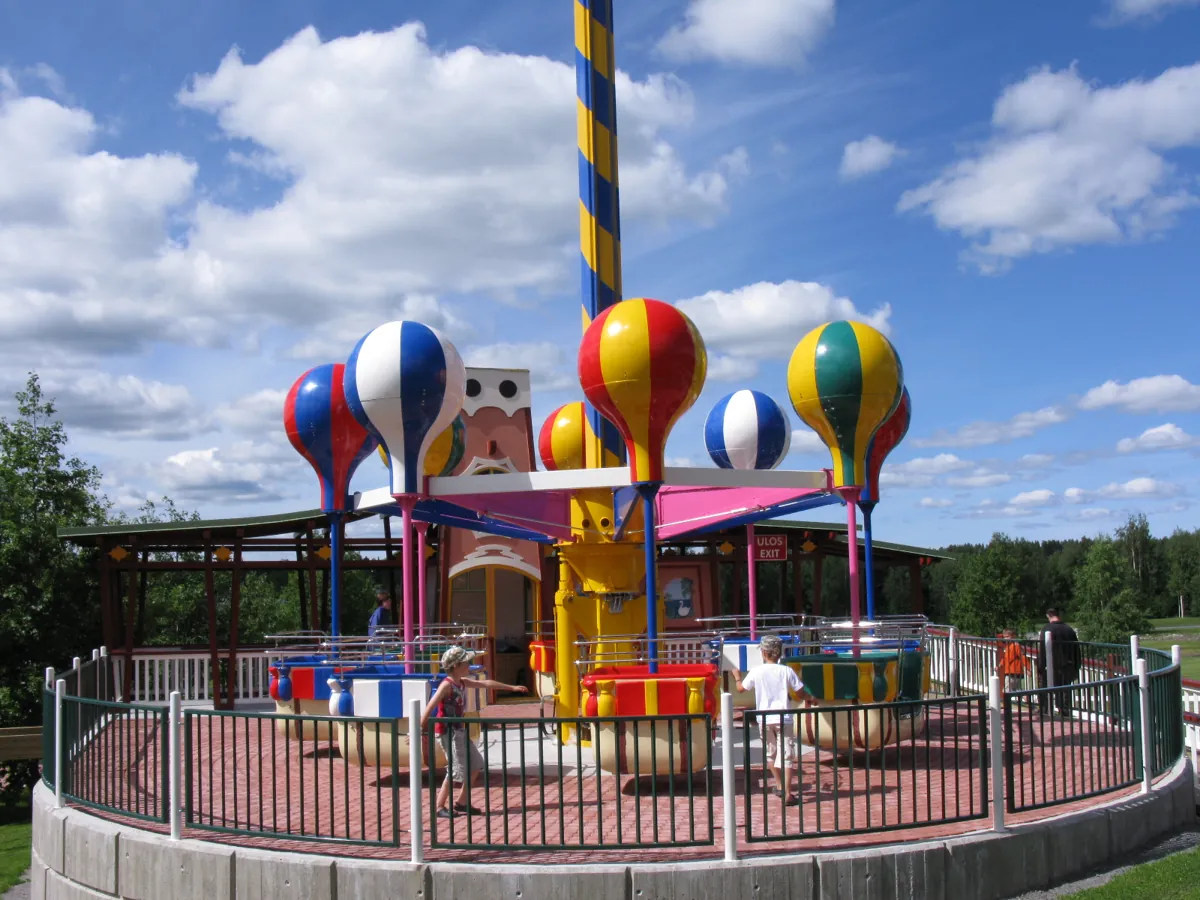
The County’s Fair, in the Valley’s Town
Libby governs Lincoln County; Eureka fairs it. The fair’s own site carries the line “Celebrating the Bounty of our County,” and the bounty on show is the county’s own work: hundreds of exhibitors spread across its 4-H, agricultural and domestic divisions, bringing craftsmanship, animals, vegetables, plants and flowers to the exhibit buildings. The county’s own festival listing styles it the fair of the last weekend in August.
Administration matches that local scale. Entries run through the fair office and the fair’s own book rather than through a statewide online entry system, and the fair’s release forms name the parties plainly: Lincoln County, the Lincoln County Fair at Eureka, and its employees, volunteers and board members. One other organisation works the grounds during fair week — the Tobacco Valley Rodeo Association, which produces the arena’s rodeo events — and the distinction between what the board runs and what the association produces matters throughout.
Quick Facts
| Detail | What the record shows |
| Fair | The Lincoln County Fair |
| Fair town | Eureka, in the Tobacco Valley |
| County seat | Libby, some thirty-five miles south — it does not host this fair |
| Grounds | Lincoln County Fairgrounds, Eureka — no street address is published in the fair-side record |
| Run by | The fair’s own Fair Board, with a fair office at the grounds |
| Season | Late August — the county listing styles it the last weekend in August |
| Documented 2026 anchors | Friday Night Games, Friday, August 21; 4-H Livestock Auction, Saturday, August 22, at 1 p.m. |
| Exhibits | 4-H, agricultural and domestic divisions, with hundreds of exhibitors |
| Arena producer | The Tobacco Valley Rodeo Association produces the grounds’ rodeo events, separately from the fair board |
| Admission and camping | No gate, pass or parking price, and no fair-week camping offer, is published in the fair-side record |
A Founding Date the Record Borrows From the County
The fair’s own forms carry a colophon: “1909 Est.” The county’s site says the fair has been a long-standing tradition since the inception of Lincoln County in 1909, and the fair’s own site speaks the same way, describing a long-standing tradition in the county since its incorporation in that year. Read carefully, those sentences date the fair’s tradition from the county’s creation, because 1909 is the year Lincoln County itself came into being. The billing may well gesture at a genuinely old fair — but no document in the record proves a first fair in 1909, and nothing in it supports counting forward to an edition number for any given year.
So this article carries 1909 exactly as the fair prints it: as the fair’s own mark on its forms, and as evidence that the fair presents itself as coeval with the county it serves. That is a claim about rootedness, not a founding certificate, and treating it as one would invent a precision the fair’s own paper never asserts.
For a useful comparison, see the Liberty County Montana Fair Festival for another county festival.
What Fair Week Holds
Hundreds of Exhibitors in Three Divisions
The fair’s centre of gravity is its exhibit programme. The 4-H division carries the youth work of a ranching and gardening county; the agricultural division takes the grown produce and animals; the domestic division holds the kitchen, needle and craft work. Between them, the fair’s own text counts its exhibitors in the hundreds. For many Tobacco Valley families this is the fair: a year of raising, growing and making, judged in one week in Eureka.
Friday Night Games in the Arena
The fair’s own Friday fixture is the Friday Night Games, documented in the fair’s application for Friday, August 21, 2026, with games beginning at 7 p.m. and registration at the arena from 6:30 p.m. The card is deliberately unpretentious: sack races, a boot race, a wheelbarrow relay, a three-legged race and an egg toss, building to a tug-of-war finale. Its youngest event is mutton busting, open to children aged six and under who weigh fifty pounds or less, limited to twelve spots, with sign-up handled at the fair office. This is the fair amusing itself with its own people, documented in the fair’s own paper rather than in anyone’s retelling.
The Saturday Afternoon Livestock Auction
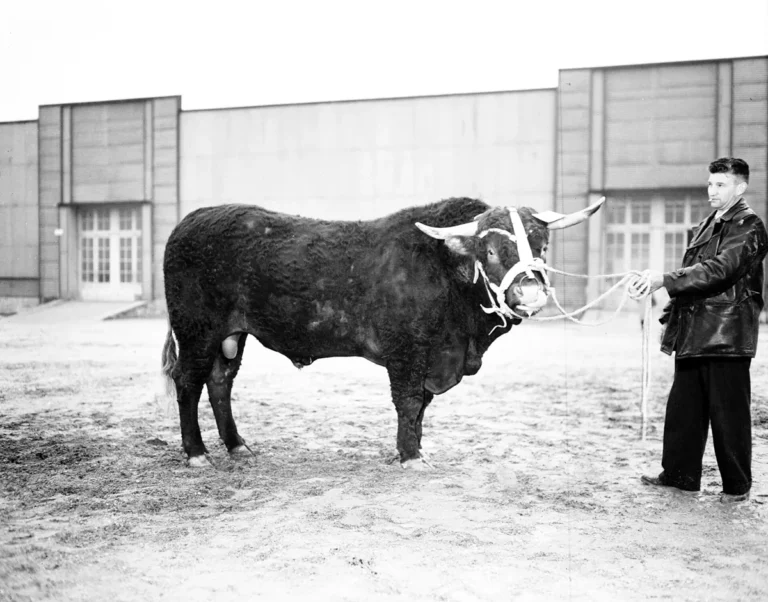
Fair week’s commercial summit is the 4-H Livestock Auction, documented at 1 p.m. on Saturday, August 22, 2026. The auction converts a season of feeding and fitting into the year’s result for the county’s young producers, in front of the buyers and neighbours who turn out for it. A visitor with one afternoon to give this fair should give it to Saturday, where the exhibit programme and the county’s agricultural economy meet in one ring.
The Colour the County Listing Describes
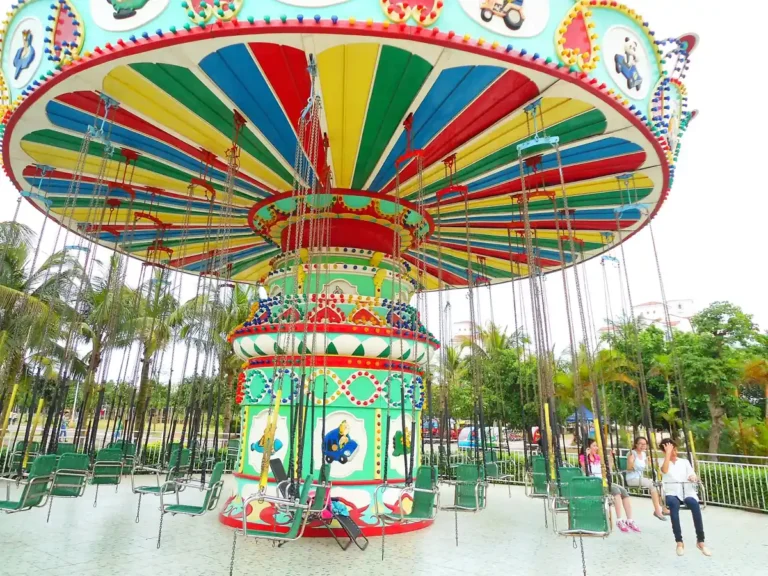
Beyond the documented fixtures, the county’s own festival listing describes the fair’s standing colour in summary terms: carnival rides, rodeos, games, food and music, alongside the educational exhibits. That characterisation is carried here at exactly that level, rather than as a day-by-day programme, which the fair’s own published paper does not supply.
A Closing Night That Belongs to Another Producer
Saturday night ends differently. The Bull Thing, a ticketed bull-riding event, closes the week at the fairgrounds arena — gates at 4 p.m., the event at 7 p.m. — and it is produced by the Tobacco Valley Rodeo Association, not by the fair board. The association sells its own tickets, priced between ten and forty dollars in its own posts, and holds a Calcutta at a Eureka bar on the Friday night. It is a separate purchase from a separate producer sharing the fair’s grounds and its closing night. Its ticket prices say nothing about what the fair itself charges, because the fair’s own paper does not say.
Planning a Trip to Eureka
Aim for the Valley, Not the Seat
The first planning task is simply arriving in the right town. Fair week happens in Eureka, near the northern end of the county; Libby, thirty-five miles south, holds the courthouse and, in July, a separate youth-only junior fair — a different event entirely, and no substitute for this one. A second caution travels with the name: Lincoln County fairs exist in several states, and at least one namesake runs in the same late-August week, so confirm that every page you read is about Montana before trusting a date, a price or a programme from it.
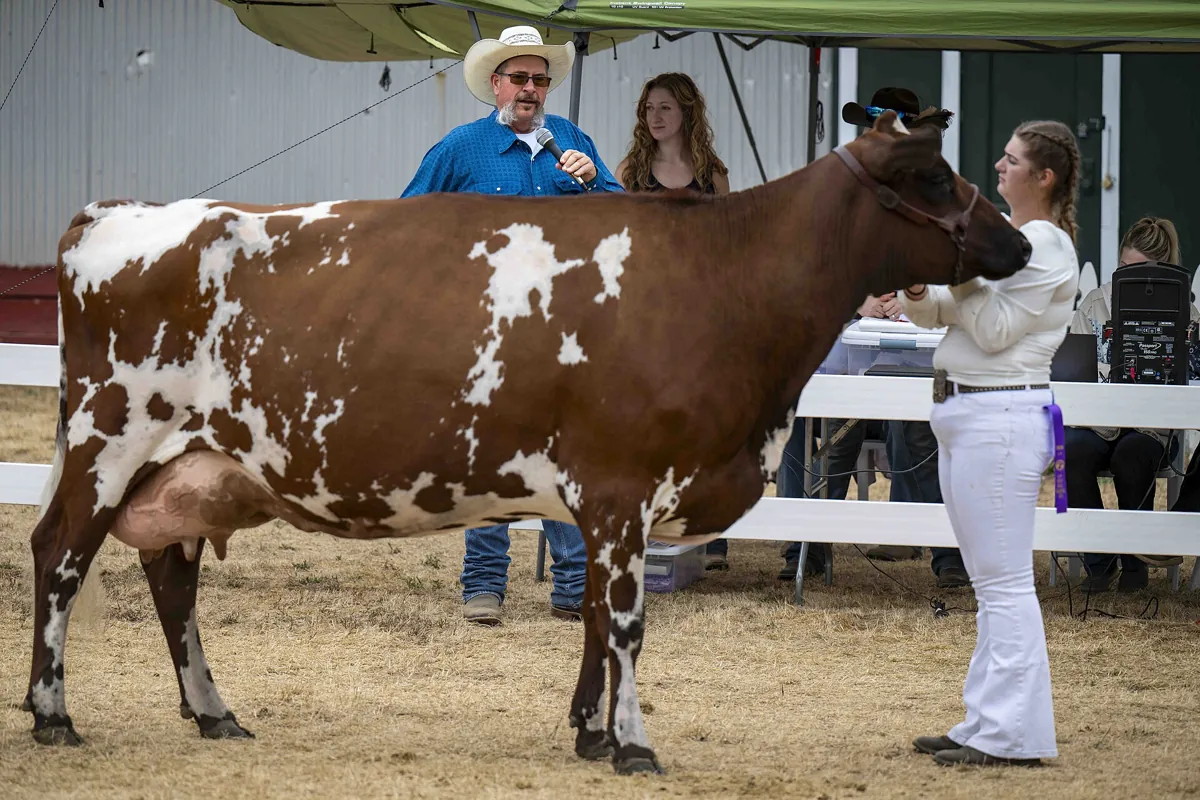
The Honest Gap at the Gate
No admission, pass or parking price for this fair appears in any fair-side source in the record. The fair is therefore not described here as free, and no figure is offered in its place — least of all one borrowed from another state’s Lincoln County fair, several of which publish prices that have nothing to do with Eureka. The practical course is the old-fashioned one: ask the fair office at the grounds directly, rather than rely on any secondary page, this one included.
Plan Around Anchors, Not a Full Timetable
The record documents fair week’s anchors, not a complete public schedule: the Friday Night Games and the Saturday auction are fixed points in the documented 2026 edition, exhibits run through the week around them, and the county’s standing description puts the fair at the last weekend of August. The state’s 4-H season table gave Eureka an August 20–24 slot in 2025, supporting the late-August pattern without settling any future year’s exact days. Treat anything more granular — a named band, a demolition derby, a daily timetable — as unverified unless the fair’s own book says it.
Sleeping Over
No fair-week camping offer, rule or rate appears in the record for these grounds. Arrange lodging in Eureka or elsewhere in the valley separately, and do not assume a fairgrounds hookup exists on the strength of other Montana fairs that publish one.
A Saturday Built From the Anchors
Start the morning in the exhibit buildings, while the halls are still quiet. Give the middle of the day to the grounds at a fair pace — food, the midway colour the county listing describes, and the arena side as it stirs. Be in place before 1 p.m. for the livestock auction, the day’s fixed point, and stay for the whole sale if you can. Afterwards: drift away into the valley’s evening, or buy the association’s ticket and let The Bull Thing’s 7 p.m. bull riding close the week.
Three Events a Reader Could Confuse
Three gatherings claim a visitor’s attention in this county’s summer, and the distinctions are worth drawing plainly. The Lincoln County Fair is the fair board’s late-August fair in Eureka: exhibits, games night, livestock auction. The Eureka Rodeo, produced by the Tobacco Valley Rodeo Association, is a July event — same grounds, different month, different occasion. The Lincoln County Junior Fair, held in Libby in July at Asa Wood Elementary School, is a youth-only event in the county seat. Keep the three apart — by town, by month and by who produces them — and listings that blur them will not mislead you.
Fair Week Checklist
- Confirm the year’s fair book from the fair itself before travelling, and plan around its published anchors
- Aim for Eureka, in the Tobacco Valley — not Libby, the county seat
- Build Saturday around the 1 p.m. livestock auction
- Arrive at the arena by 6:30 p.m. on Friday if the games night is the draw
- Ask the fair office directly about admission — no price is published in the fair’s own paper
- Treat The Bull Thing as a separate ticket from a separate producer, bought on its own terms
- Arrange lodging in the valley in advance; no fair-week camping is published for the grounds
- Check that any detail found online belongs to Montana’s Lincoln County, not a namesake state
Beyond the Fairgrounds
Eureka keeps a summer calendar wider than its fair week, and the fair is best understood as its late-August peak rather than its only occasion. The rodeo association’s July rodeo brings the arena to life a month earlier, and the town’s quilt show takes the first weekend of August — separate events, each with its own organisers, which together give the valley a season rather than a single weekend. South down the highway, Libby carries the county’s civic business and its own July junior fair.
What This Fair Carries for Its County
A county fair held away from the county seat says something about where a county’s life actually concentrates. In Lincoln County, the agricultural year gathers in the Tobacco Valley, and the fair is the valley’s institution: hundreds of exhibitors, a games night built from sack races and a tug-of-war rope, an auction that prices the young producers’ year, and a closing night handed to the valley’s own rodeo association. Fair week is when the whole county is pointed, briefly, in one direction: north, to Eureka.
Frequently Asked Questions
Where does Lincoln County actually hold its fair?
In Eureka, at the Lincoln County Fairgrounds in the Tobacco Valley. Libby is the county seat, some thirty-five miles south, and it does not host the county fair — its July junior fair is a separate, youth-only event held at a school.
What will it cost to walk through the gate?
Nobody can tell you from the published record. No gate, pass or parking price appears in the fair’s own published paper, and the fair is not described as free either. The only ticket prices attached to fair week belong to The Bull Thing, the rodeo association’s separate closing-night event, and they are not the fair’s prices. Ask the fair office.
What are the Friday Night Games?
The fair’s own arena games night, documented in the fair’s application for Friday, August 21, 2026: registration at the arena from 6:30 p.m., games from 7 p.m. The card runs sack races, a boot race, a wheelbarrow relay, a three-legged race and an egg toss, ends with a tug-of-war, and includes mutton busting for children of six and under within a fifty-pound limit, with twelve spots signed up at the fair office.
Who puts on The Bull Thing on closing night?
The Tobacco Valley Rodeo Association, which produces the grounds’ rodeo events, including its July rodeo in Eureka. The Bull Thing is the association’s ticketed bull-riding show — gates at 4 p.m., event at 7 p.m. on the Saturday — staged at the fairgrounds arena on the fair’s closing night, and it is not the fair board’s programme.
What to Expect From the Next Lincoln County Montana Fair Festival
How often is the Lincoln County Montana Fair Festival held?
Once a year. The fair is an annual late-August fixture, styled by the county’s own listing as the fair of the last weekend in August, with its exhibits, Friday games night and Saturday livestock auction forming the week’s shape.
When is the next Lincoln County Montana Fair Festival?
The next edition falls in late August, on the pattern the county’s listing describes. The documented 2026 anchors — Friday Night Games on August 21 and the livestock auction on August 22 — belong to that edition; confirm the next set of days from the fair’s own book as the season approaches.
Will the dates change?
The late-August position is the fair’s standing pattern, with no indication in the record of a move. Exact days are set edition by edition in the fair’s own book, so the weekend can sit slightly differently from year to year while the season stays the same.
Closing
The Lincoln County Fair rewards the reader who checks the map before the calendar. It is Eureka’s fair — a Tobacco Valley institution of exhibit halls, an arena games night and a Saturday sale, closing with a neighbour organisation’s bull riding under the same lights. It publishes no gate price and proves no founding year beyond the county’s own, and needs neither invention to be worth the drive north.