Fayette County Illinois Fayette County Fair Festival
Every summer, the Fayette County Fair pulls the whole county toward Vandalia for a few days of livestock barns, carnival lights and, above all, food. It is the kind of fair where the smell of a pork burger reaches you before you have found a parking spot, where the pie and preserve table in the exhibit hall is judged as seriously as any evening act, and where farm families and town families end up in the same line for a lemonade shake-up.
Fayette County is a big, spread-out place — 725 square miles of south-central Illinois farm country, home to 21,488 people at the 2020 census. With Vandalia as the county seat and a county history reaching back to 1821, fair week is one of the few occasions when that scattered population lands in one place. That makes it less a tourist attraction than a county-wide reunion with an unusually good menu.
The Fair in Ten Lines: Fayette County Basics
| Place | Vandalia and the surrounding Fayette County area |
| County | Fayette County, Illinois |
| County seat | Vandalia |
| Population | 21,488 (2020 census) |
| Land area | 725 square miles |
| County founded | 1821 |
| Region | South-central Illinois |
| Typical timing | Summer, most years a multi-day run in July or early August |
| Admission | Typically free to enter; food, rides and grandstand events priced separately |
| Setting and features | Rural fairgrounds with barns, exhibit halls, a grandstand and a midway; livestock shows, 4-H exhibits, food stands, carnival rides and live music, run by a local fair board and volunteers |
Inside the Fayette County Fair: A Vandalia Tradition Built on Farm Cooking
The Fayette County Fair is a classic Illinois agricultural fair, built around barns, exhibit halls, a grandstand and a midway on the fairgrounds serving Vandalia and the rest of the county. Everything on the schedule traces back to what people here grow, raise, bake and cook — from market lambs and beef cattle to rows of canned tomatoes and blue-ribbon cakes.
Food is the thread that stitches the week together. Church groups and civic organizations run stands that fund their work for the rest of the year, 4-H clubs sell from their own booths, and the exhibit hall turns home cooking into a competition. For visitors from outside the county, the appeal is the density of it: within a few hundred yards you can eat a farm breakfast, watch a livestock show, buy jam from the person who made it, and finish with something fried.

Two Hundred Years of Farm Country: How Fayette’s Fair Tradition Grew
Fayette County was founded in 1821, with Vandalia as its seat, and for most of its history it has been a place where agriculture set the calendar. In a county of 725 square miles, township and agricultural gatherings were how neighbors stayed connected between planting and harvest. Fairs grew out of that habit — a season-ending showcase for livestock, produce and domestic skills, staged when the work finally slowed.
For another look at how a community turns its own traditions into a gathering, see the Effingham County Illinois Summer Sundown Music Festival for a useful comparison.
As the county’s farms matured, the fairgrounds grew with them: permanent barns, exhibit halls and a grandstand replaced temporary pens and platforms, and youth programs made the fair a young person’s event as much as a farmer’s. What has not changed is the food economy. Fair week is when the county’s cooks get a public audience, and when vendors who have worked the same corner for years greet the same families by name.
Tasting Your Way Through the Fayette County Fair
Plan your day around eating, because that is how the fair is organized in practice. Exhibitors eat early, families eat at dusk, and the stands that draw the longest lines are usually the ones run by local groups rather than national vendors.
Fair Food, From Morning Biscuits to Late-Night Funnel Cake
Mornings belong to the breakfast stands — biscuits and gravy, egg sandwiches, sausage, coffee poured into foam cups for people heading to the barns. Midday is pork country: pork burgers, tenderloins, brats, corn dogs and smoked sandwiches, plus the church-stand specials that only appear during fair week. Afternoon calls for something cold and sweet, and the evening menu runs to funnel cakes, elephant ears, fried dough, ice cream and whatever the 4-H booth is selling that year. Bring cash for the small stands, and pace yourself — the pie and preserve entries in the exhibit hall are worth a look before you buy dessert.
Grandstand Music and Evening Entertainment
Evenings shift to the grandstand, where fair week typically brings live music, local performers and family-oriented shows, with grandstand events ticketed separately from gate admission. Local bands and county talent often share the schedule with the headlining acts, and seating fills quickly on the biggest nights, so arriving early is its own reward. Between sets, the midway and food row stay busy until closing.
Family Activities Between the Food Stands
Children tend to drift toward the livestock barns, where they can watch grooming, feeding and show preparation up close, and toward the 4-H exhibits, which display everything from photography to vegetables. Carnival rides, games and a steady rotation of demonstrations fill the space between meals. Strollers handle the grounds reasonably well, and shaded areas near the barns make good rest stops during the hottest part of the afternoon.
Planning a Fair Day Around Vandalia
Getting There From Vandalia and Neighboring Towns
The fairgrounds serve Vandalia and the whole county, so most visitors arrive by car from the county seat or from smaller communities across Fayette County’s 725 square miles. Routes into town get busy in the hour before evening grandstand events; leaving a little earlier costs nothing and saves a lot of idling.
Where to Stay Around Fayette County
Lodging in the immediate area is limited, and fair week is the busiest stretch of the summer for local rooms. Many families base themselves in Vandalia, while others stay in larger neighboring towns and drive in for the evening. Booking well ahead is the single most useful planning step.
Parking on Fair Week
On-grounds and adjacent parking fills first on weekend evenings and grandstand nights. Arriving before the dinner rush usually means an easy spot and a shorter walk with coolers or lawn chairs. Keep an eye out for marked accessibility parking near the main entrances.
Admission, Food Budget and Costs
Gate admission is typically free, with costs concentrated in food, carnival rides and grandstand events. That structure rewards grazing: a few small items from different stands usually beat one large meal, and it spreads your money across the local groups doing the cooking.
Fayette County Weather and What to Wear
Late-summer Illinois weather means heat, humidity and the chance of an afternoon storm. Light clothing, a hat, sunscreen and a refillable water bottle are fair-week essentials, along with closed-toe shoes for the barns and a light jacket for evenings that cool off after sunset.
A Sample Fair Weekend, Meal by Meal
Opening evening. Arrive before the dinner rush, walk the midway once to see what is where, then start with a pork burger or tenderloin from a local stand. Spend the evening in the barns and exhibit halls, finish with something fried, and stay for the grandstand if there is a show.
The middle day. Come early for a farm breakfast, then watch a livestock show and browse the 4-H displays while the grounds are still quiet. Eat a light lunch, take an afternoon break during the hottest hours, and return for evening music, a second round of food and the midway lights.
The final morning. This is the best time for the exhibit hall, when baked goods, preserves and produce are still on display and the crowds are thin. Buy breakfast from a church stand, pick up a jar or a pie to take home, and make one last pass through the barns before the grounds empty out.
How Fayette’s Fair Compares With Neighboring County Fairs
Fayette sits in a belt of county fairs — Shelby and Christian counties to the north, Effingham to the east, Montgomery to the west — and each one has its own personality. Larger neighbors lean harder on big-name grandstand bookings and expansive midways; smaller ones feel more like a single long picnic. Fayette’s fair lands in between, with a strong agricultural core and a food scene anchored by local organizations rather than outside concessionaires.
If you are comparing a summer of fair-hopping, treat Fayette as the one where you eat best and linger longest. Vandalia is also a natural stop for anyone touring the region’s small county seats, since the town itself rewards an hour of walking between fair visits.
Fair-Day Checklist for Fayette County Families
Cash for small stands and 4-H booths; a refillable water bottle; sunscreen, hats and sunglasses; closed-toe shoes for the barns; a light jacket for after dark; lawn chairs or a blanket for grandstand seating; a tote for baked goods and preserves; a printed or downloaded schedule so you catch the livestock shows and evening acts; patience with parking on weekend nights; and an appetite saved for the stands you cannot get anywhere else.
Beyond the Fairgrounds: Vandalia and the Rest of Fayette County
Vandalia, the county seat, is worth a wander before or after your fair visit — a compact downtown, historic streets and a handful of local diners and cafés that fill up fast during fair week. The county around it is deep farm country: 725 square miles of fields, small towns and backroads that look their best in the long light of a summer evening.
Pair the fair with a slow drive through the county’s rural communities, stop at a roadside stand if you see one, and give yourself time to eat somewhere that is not a chain. The county’s food culture does not start and end at the fairgrounds; the fair is simply where it is most concentrated.
What the Fair Means to Fayette County’s 21,488 Residents
In a county of 21,488 people spread across 725 square miles, institutions that bring everyone to the same place matter. The fair is one of them. It is where 4-H members learn to present their work, where local organizations raise much of their annual budget in a single week, and where neighbors who rarely cross paths otherwise share a table.
Its economic role is modest but real: money spent at food stands stays with local churches, clubs and vendors rather than leaving the county. Just as important is the continuity — the same recipes, the same booths, the same families, year after year.
Where the Fair Sits in Fayette County
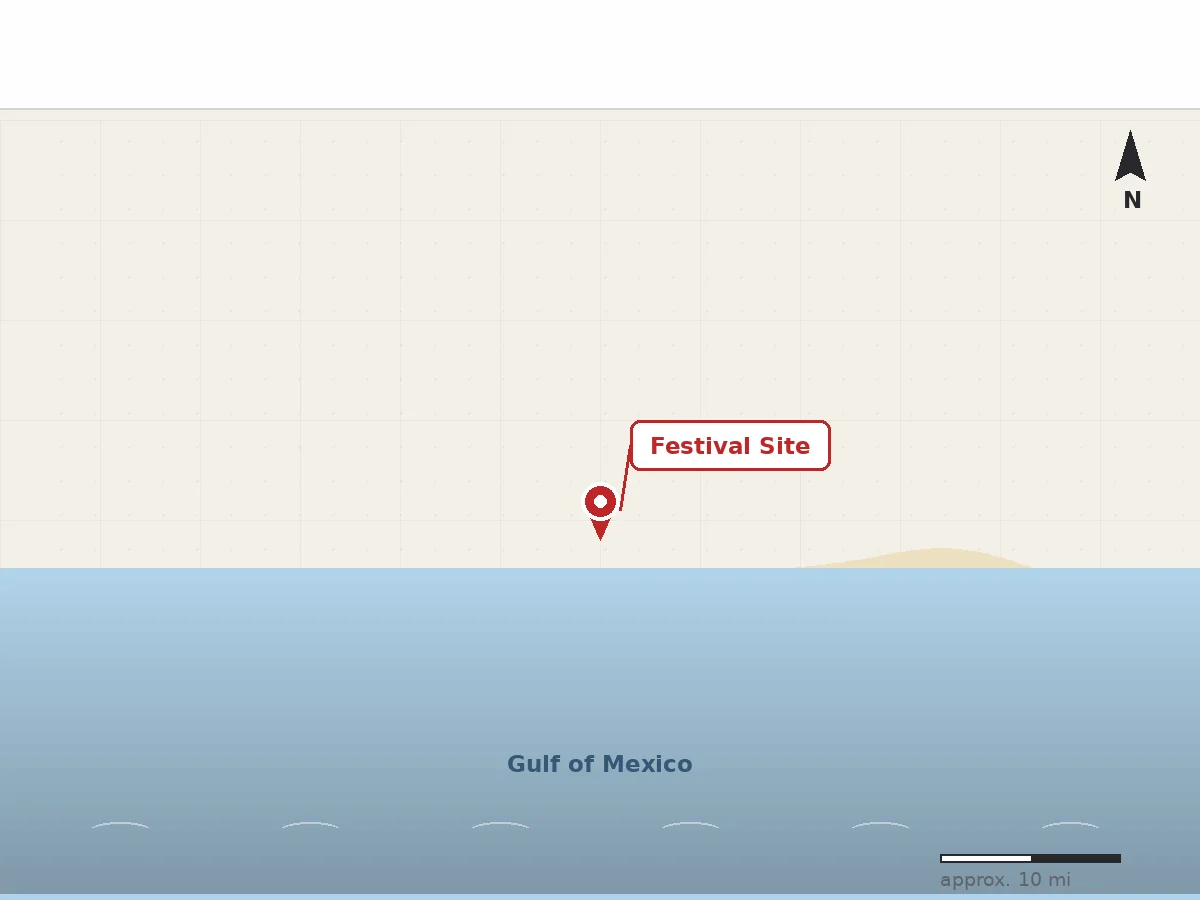
The Fayette County Fair takes place at the fairgrounds serving Vandalia, the county seat of Fayette County, in south-central Illinois.
Fairgoer Questions About the Fayette County Fair
Is there an admission charge to get in?
Gate admission is typically free, so you can walk the grounds, visit the barns and browse the exhibit hall without buying a ticket. Your spending will be at the food stands, the carnival rides and any ticketed grandstand event.
When is the fair usually held?
The fair is a summer event, most years running for several days in July or early August. Because dates shift slightly from year to year, check the current schedule before you plan travel or lodging.
What food should I not miss?
Start with whatever the local organizations are cooking — pork burgers, tenderloins, brats and church-stand specials — then work through the 4-H booths and the dessert stands. The exhibit hall’s baked and preserved entries are the county’s home cooking on public display.
Is the fair good for young children?
Yes. The livestock barns, 4-H exhibits, carnival rides and games are all family-oriented, and early evenings tend to be the easiest time to visit with small children before the grounds get busy.
Looking Ahead to Future Fayette County Fair Seasons
The fair’s future depends on the same things that have sustained it for generations: volunteers, exhibitors and the local groups that cook all week. Expect the agricultural core — livestock shows, 4-H projects, open-class exhibits — to remain central, with food stands continuing to be the fair’s most reliable draw. As long as families keep entering pies and preserves, and crowds keep showing up hungry in Vandalia, fair week will keep its place on the Fayette County calendar.
Last updated: October 2026
For anyone who measures a summer by what they ate and who they ate it with, the Fayette County Fair is worth building a trip around. Come for the grandstand, stay for the barns, and leave with a cooler bag full of things you cannot buy anywhere else.

One Comment