Lee County Iowa Lee County Fair Festival
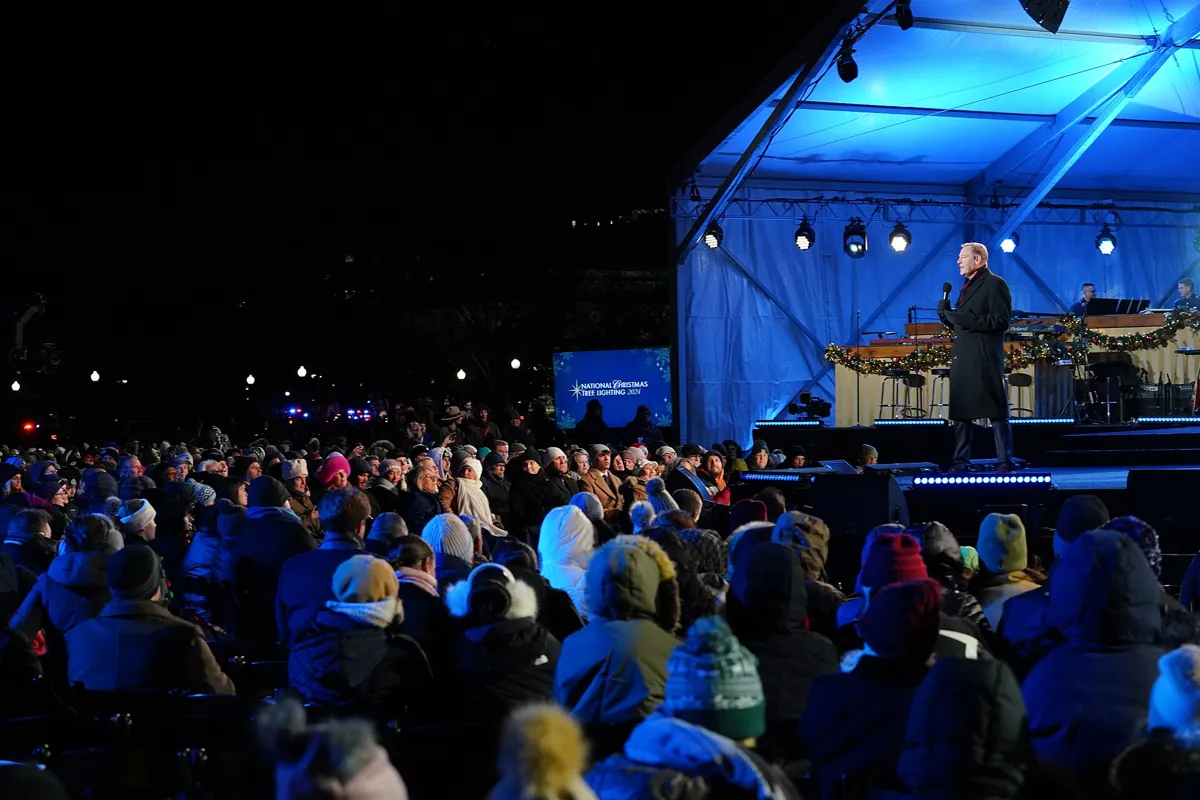
Every summer, the smell of frying dough, smoked meat and buttered sweet corn rolls across the Lee County fairgrounds and settles over the barns, the midway and the open-air grandstand. This is a food-forward county fair — the kind where families plan the day around which stand to hit first, and where livestock exhibitors know exactly which vendor fires up earliest. Across a county of 33,555 people spread over 539 square miles, the fair is the annual moment when farm families, small-town neighbors and river-city residents all end up in the same place at the same time, holding paper trays and comparing notes.
Lee County Fair Essentials, Sorted for Fairgoers
| Festival | Lee County Fair |
| Town / region | The Lee County area, southeast Iowa |
| County | Lee County, Iowa |
| County seats | Fort Madison and Keokuk — Lee County is one of Iowa’s two-seat counties |
| Population | 33,555 (2020 census) |
| Typical timing | A multi-day run in summer, in most years during July |
| Admission | Grounds admission is typically free; food, rides and grandstand shows are pay-as-you-go |
| Setting | Fairgrounds with livestock barns, exhibit halls, a midway and open-air grandstand space |
| Features | Livestock and 4-H exhibits, carnival rides, grandstand entertainment, food stands run by local groups |
| Organizer | A volunteer local fair board |
What the Lee County Fair Is, and Why Food Leads the Way
The Lee County Fair belongs to the tradition of Iowa county fairs that anchor rural life: part agricultural showcase, part family reunion, part carnival. Lee County covers 539 square miles in Iowa’s southeast corner, and the fair draws from every part of it — from the larger river towns to the unincorporated crossroads where a single elevator and a church still hold a community together. The county was founded in 1836, and the fair carries that kind of age with it.
What sets this fair apart from a generic midway stop is the food culture. Many stands are run by local groups — church committees, booster clubs, service organizations — so the menu leans toward pork producers’ sandwiches, homemade pies, walking tacos, funnel cakes, fresh-squeezed lemonade and sweet corn that tastes right because it was picked that morning. Portions are generous, prices are county-fair reasonable, and the longest lines form just after the livestock shows let out. Grounds admission is typically free in most years, which is a big part of why families come back more than one night and eat their way down the row.
Barns, Midways and Generations: A Lee County Fair History
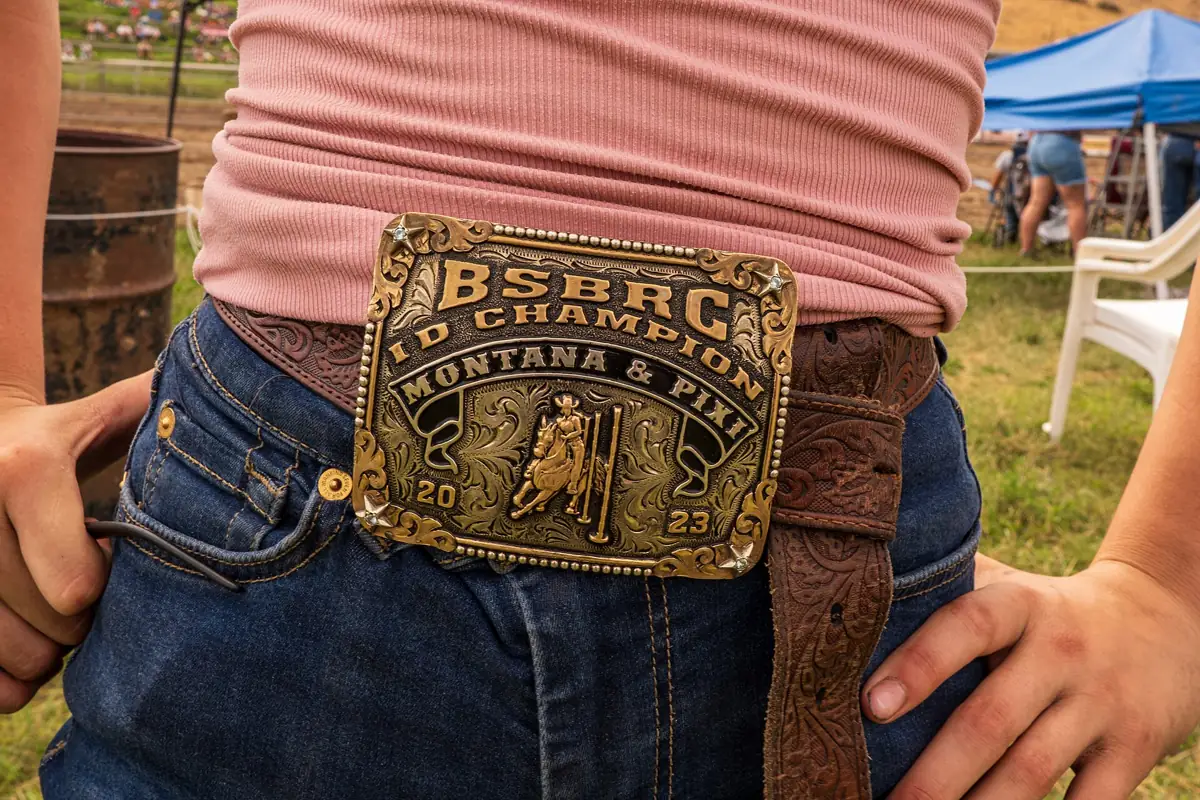
Lee County was founded in 1836, in the same era that steamboats were pushing up the Mississippi and river towns like Fort Madison and Keokuk were becoming genuine commercial centers. County fairs arrived across Iowa in that broad wave, born from agricultural societies that wanted farmers comparing seed, stock and methods in one place. The Lee County Fair descends from that tradition and has been a recurring fixture of county life for generations — the sort of event where grandparents, parents and children have all walked the same grounds at different ages.
Its shape changed as the county changed. The early emphasis was squarely agricultural: draft horses, dairy cattle, hogs and poultry, with blue ribbons worth bragging about for a full year. Over time, 4-H and youth exhibits took on a larger role, and the midway, the food row and grandstand entertainment grew up around the barns rather than replacing them.
For another look at how a community turns its own traditions into a gathering, see the Leavenworth County Kansas Leavenworth County Fair Festival for a useful comparison.
Lee County’s unusual civic arrangement — Fort Madison and Keokuk both serve as county seats — shows up at the fair too, with exhibitors, volunteers and visitors arriving from both river towns and from the farmland in between. Through all of it, the fair has kept the same basic promise: gather the county once a summer, feed it well, and send everyone home with a ribbon, a sunburn or both.
A Day at the Fair, Course by Course
A fair day here has a rhythm. Mornings belong to exhibitors and livestock, afternoons fill with families and carnival rides, and evenings bring the biggest food lines and the grandstand crowd. Because the fair runs several days, regulars learn to split their visits — one night for the midway, one for the grandstand, and one purely for eating.
Fair Food Worth Standing in Line For
Start with something savory: a pork chop or pork burger from a producer-sponsored stand, a bratwurst, or a basket of cheese curds. Then work toward the sweet corn, which is the sleeper hit of most Iowa fairs — buttered, salted and eaten standing up. For dessert, expect pie by the slice, funnel cakes, elephant ears and soft-serve. Lemonade shakers and old-fashioned root beer are the standard drinks, and coffee is available early for anyone arriving when the barns open. Bring small bills, since some volunteer-run stands still prefer cash, and pace yourself: the food row rewards a slow walk rather than a single overloaded tray.
Grandstand Nights, Local Bands and Barnyard Sound
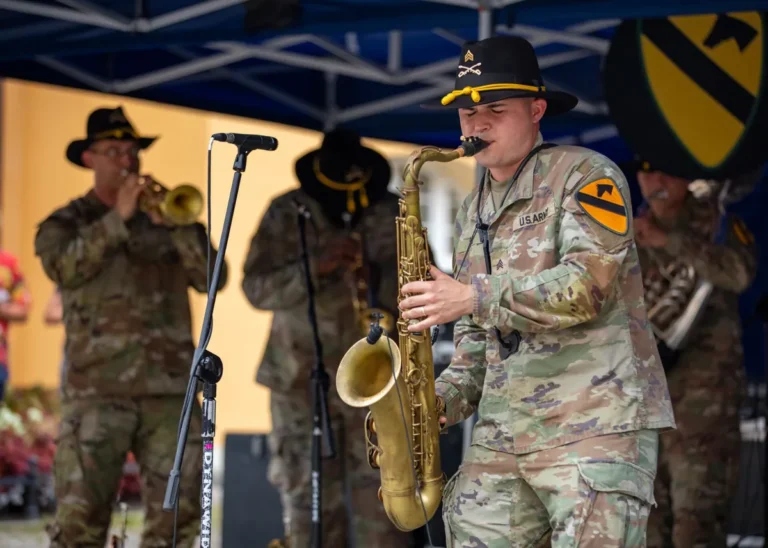
Evening entertainment is built around the grandstand, where the schedule in most years includes a mix of live music, motorsports-style events and family-oriented shows. Local and regional bands often play earlier sets, and the fairgrounds have a constant background soundtrack of their own — the midway’s calliope, the announcer in the show ring, and the low murmur of animals settling in for the night. Grandstand events are usually ticketed separately, while the music drifting across the grounds comes free with admission.
Family Activities From the Barns to the Bumper Cars
For families with young kids, the barns are the best free attraction on the grounds. Children can watch grooming, feeding and show preparation up close, and exhibitors are famously patient with questions. Add the petting areas, the exhibit halls full of baking, canning, photography and crafts, and the carnival rides that range from toddler-friendly to genuinely thrilling. Stroller traffic is heavy in the late afternoon, so mornings are easier with little ones. Many families pick one ride wristband night and spend the rest of their visits on food and animals.
Planning a Trip to the Lee County Fair
A little planning goes a long way at a county fair, especially around heat, parking and cash. Here is what to sort out before you go.
Getting There From Fort Madison, Keokuk and Beyond
The fairgrounds sit within the Lee County area of southeast Iowa, an easy drive from both Fort Madison and Keokuk and from the smaller communities scattered between them. Most visitors arrive by car on county and state highways, and the approach roads get busy in the hour before grandstand events. If you are coming from outside the county, plan on a rural drive with a couple of turns rather than a straight interstate shot, and give yourself extra time at dusk when farm equipment may also be on the road.
Where to Stay in the Lee County Area
Lee County’s lodging is concentrated in the river towns, where you will find the usual chain motels alongside independent inns and bed-and-breakfast-style stays. Camping is popular during fair week, and many fairgoers simply base themselves in Fort Madison or Keokuk and drive out for the evening. Book early for fair weekends, since rooms in a county of 33,555 residents fill quickly when the grounds are busy.
Parking Without the Parking-Lot Meltdown
Fairground parking is typically on grass or gravel, with volunteers directing traffic and a modest fee in some years. Arrive before the dinner rush if you want a short walk, and note your row or a nearby landmark before you head in — fairgrounds all look alike after dark. Cars parked near the exits clear fastest at the end of the night, so if you are leaving right after a grandstand show, consider parking farther out and walking.
Admission, Wristbands and What Cash to Carry
Grounds admission is typically free in most years, which makes the fair an affordable evening out. Rides, food and grandstand events are pay-as-you-go, and carnival operators often sell unlimited-ride wristbands on certain sessions. Carry a mix of small bills and a card, since vendor policies vary. Set a food budget before you walk in; the row is long, and it is easy to spend more than planned before you reach the pie table.
Southeast Iowa Weather and How to Dress for It
July in southeast Iowa means heat and humidity, with hot afternoons and warm, sticky evenings. Dress in light, breathable layers, wear closed-toe shoes you do not mind getting dusty, and bring a hat. Afternoon thunderstorms are a real possibility, so a light rain jacket beats an umbrella when the wind picks up. Hydrate steadily between lemonades, and plan your barn visits for the cooler morning hours if the day is a hot one.
A Sample Fair Weekend, Built Around Eating
Friday evening: Arrive in the late afternoon while the light is still good, walk the food row once without buying anything to get your bearings, then commit. Start with a savory sandwich, follow it with sweet corn, and finish with a slice of pie while the grandstand show gets underway. Save the midway for after dark, when the lights are the whole point.
Saturday morning: Come early for the livestock shows and the exhibit halls, when the grounds are quiet and the barns are busy. Grab coffee and a breakfast sandwich, watch a showmanship class, and let kids ask exhibitors questions. Leave before the worst afternoon heat, rest, then return for a ride wristband session and a second pass at the food stands — this time trying whatever you skipped on Friday.
Sunday: A shorter visit works well: a late-morning walk through the exhibits, one last funnel cake, and a look at the ribbon displays before the crowds build. Many families use Sunday to pick up anything they entered in open class and to say goodbye to the exhibitors they now know by name.
How the Lee County Fair Compares Nearby
Compared with the Iowa State Fair in Des Moines, the Lee County Fair is smaller, cheaper and far more local — you are more likely to run into your neighbor’s kid showing a hog than to stand in a line that stretches a city block. Against fairs in neighboring Henry County and other nearby southeast Iowa counties, the difference is mostly character: Lee County’s version leans on its two river towns for volunteers and visitors, giving it a slightly more urban-rural mix than fairs set in purely agricultural counties.
Within the county, the fair competes for attention with riverfront events and summer festivals in Fort Madison and Keokuk. What it offers instead is continuity — the same grounds, the same stands, the same families, year after year. For visitors deciding between a fair and a town festival, the fair wins on volume: more food, more animals, more hours in the day.
A Fairgoer’s Checklist for Lee County
Cash in small bills; a refillable water bottle; sunscreen and a hat; closed-toe shoes; a light rain jacket; a tote bag for leftovers and ribbons; a phone charger or battery pack; hand wipes for after the barns; a printed or screenshotted schedule; and a meeting point in case your group splits up. If you have young children, add a stroller, a change of clothes and a snack stash for the walk back to the car.
Two habits make the biggest difference: eat early or eat late to avoid the worst lines, and check the grandstand schedule before you buy ride wristbands so you are not torn between two things happening at once.
Beyond the Midway: The Rest of Lee County
Lee County rewards a longer stay. The Mississippi River forms its eastern edge, and the river towns of Fort Madison and Keokuk both have historic downtowns, waterfront parks and a steady calendar of summer events. Inland, the county opens into rolling farmland and wooded bluffs with backroads made for a slow drive. Between the river, the parks and the small-town cafes, there is enough here to turn a fair visit into a full weekend — and the local pie is not limited to the fairgrounds.
What the Fair Means to Lee County’s 33,555 Residents
For a county of 33,555 people, the fair is one of the few events that genuinely gathers everyone. It is where 4-H members learn to speak confidently about their projects, where volunteer groups raise a meaningful share of their annual budgets in a few nights at a food stand, and where neighbors who now live an hour apart run into each other by the corn crib. The economics matter, but the social function matters more: the fair is the county’s annual reset, a reminder that the towns and the farmland still share a calendar.
Where the Lee County Fairgrounds Sit
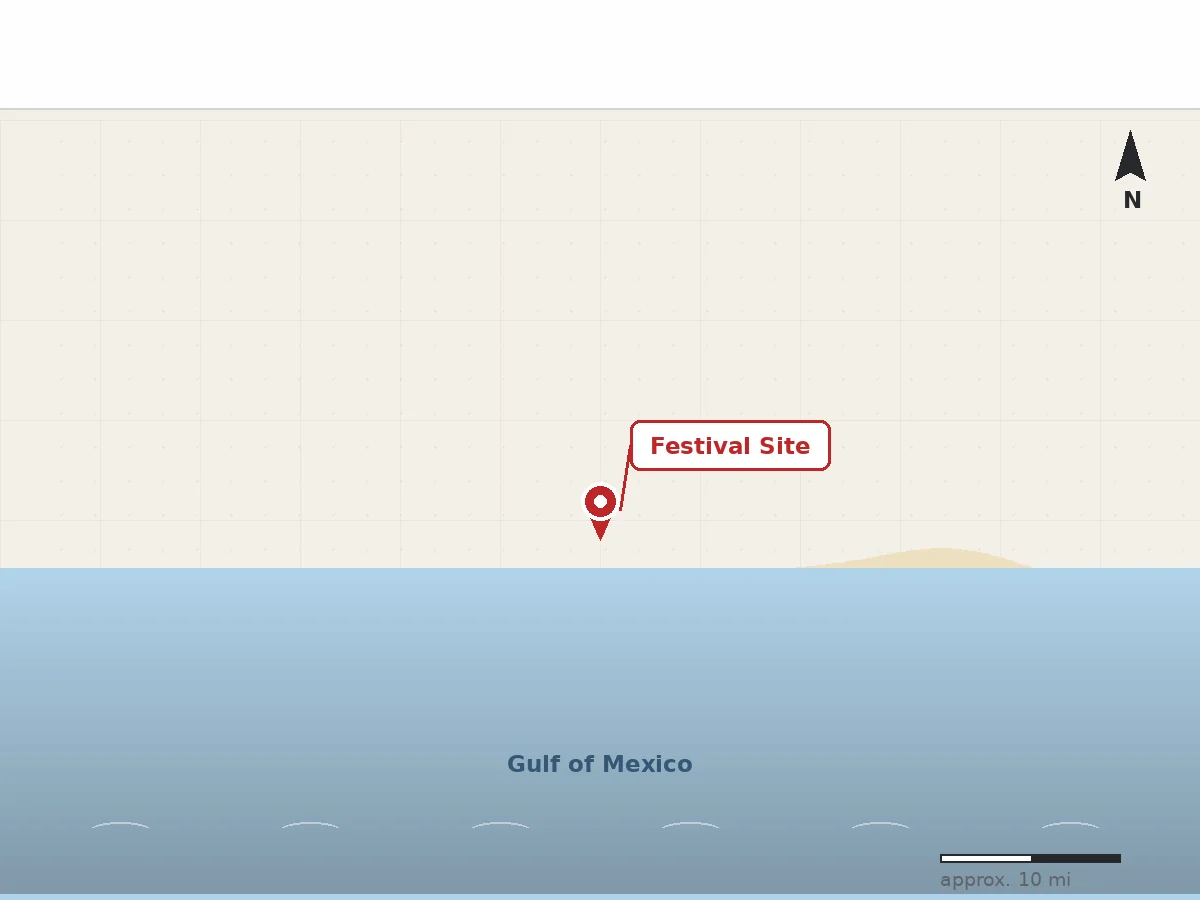
The Lee County Fair takes place on fairgrounds within the Lee County area of southeast Iowa, a short drive from both Fort Madison and Keokuk.
Lee County Fair Questions, Answered Plainly
Is admission to the Lee County Fair free?
Grounds admission is typically free in most years. You pay as you go for food, carnival rides and grandstand events, so a family can keep costs low by focusing on the barns, exhibit halls and free entertainment and treating the midway as an optional add-on.
When is the Lee County Fair usually held?
The fair is a summer event, held over several consecutive days in most years during July. Exact dates shift from year to year, so check the current schedule before you plan travel, lodging or time off work.
What food should a first-timer try?
Start with a pork sandwich or bratwurst, add sweet corn, and finish with pie or a funnel cake. Volunteer-run stands are the best bet for homemade desserts, and lemonade shakers are the classic drink to carry while you walk the row.
Is the fair good for young kids?
Yes. The livestock barns, petting areas, exhibit halls and smaller carnival rides suit young children well, and mornings are calmer and cooler than the evening rush. Bring a stroller, sunscreen and a meeting point in case your group separates.
Looking Ahead for the Lee County Fair
County fairs everywhere are working to stay relevant, and Lee County’s version has advantages: a free gate, a strong volunteer base and a food row that does a lot of the marketing on its own. The likely path forward is familiar — more emphasis on youth exhibits and hands-on agriculture, continued grandstand programming that pulls in evening crowds, and small improvements to grounds and accessibility rather than sweeping reinvention. What will not change is the shape of the thing: barns, midway, grandstand, and a county that shows up hungry.
Last updated: October 2026
If you only do one thing at the Lee County Fair, do it slowly: buy something from a stand run by people who live down the road, find a seat near the show ring, and watch a county of 33,555 people enjoy the same evening together. The rides will be there next year. The pie might not last the night.
One Comment