Lincoln County Kansas Lincoln County Fair Festival
Lincoln Center, Kansas: A County Seat Named for a President
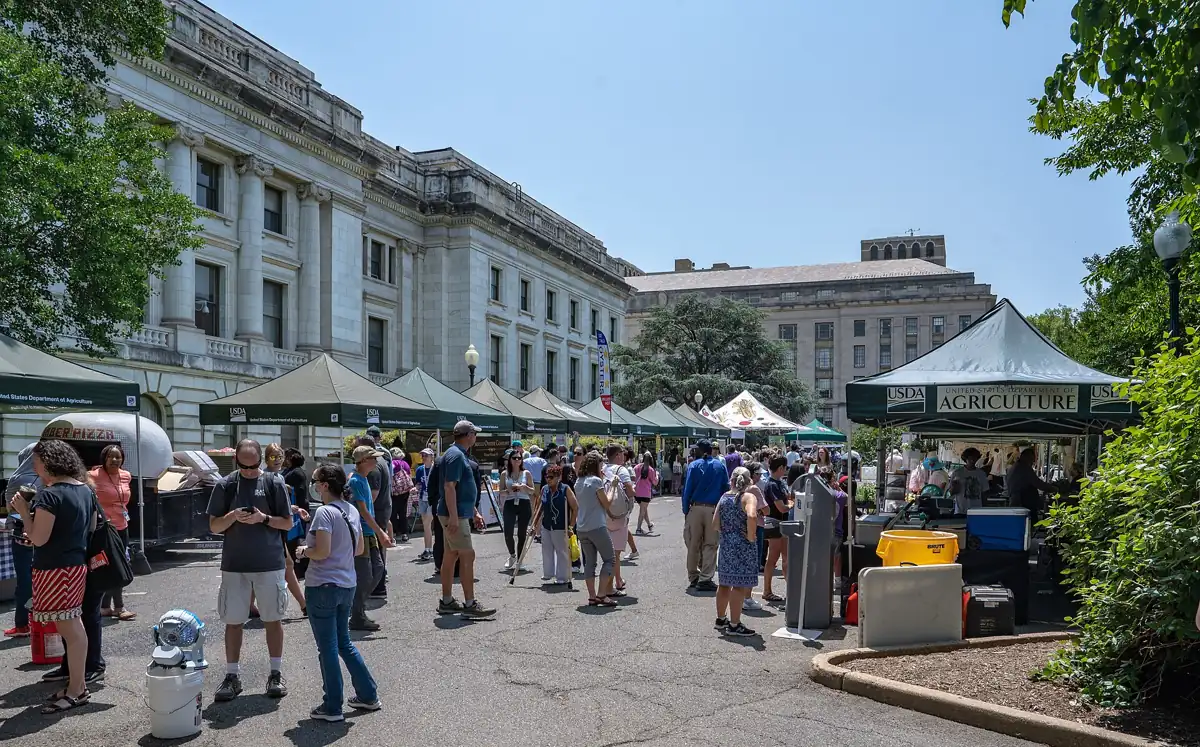
Lincoln Center is the kind of Kansas county seat that reveals itself slowly: a courthouse square, a few blocks of storefronts, grain elevators standing against the horizon, and roads that run ruler-straight out into farmland. It is the seat of Lincoln County, a 720-square-mile expanse of north-central Kansas organized on February 26, 1867, and named for Abraham Lincoln.
The county counted 2,939 residents at the 2020 census, and that number shapes nearly everything here — including the fair. In a county this size, the Lincoln County Fair is less a tourist attraction than a civic ritual: the few days each year when farm families, in-town neighbors, former residents, and grandchildren all end up in the same place at the same time.
For visitors from outside the county, the fair offers something increasingly hard to find — a small, genuine, unhurried county celebration on open prairie, where the livestock barns matter as much as the midway and where the person judging the pies may well be the person who sold you your tires.
Lincoln County Fair Details Worth Knowing Before You Drive Out
| Town / area | Lincoln County area, anchored by Lincoln Center |
| County | Lincoln County, Kansas |
| County seat | Lincoln Center |
| Population | 2,939 (2020 census) |
| Region | North-central Kansas |
| Typical timing | Late summer, usually a stretch of days in July or early August |
| Admission | Typically free to enter; some activities carry their own small charges |
| Setting | Rural fairgrounds surrounded by 720 square miles of prairie and farmland |
| Typical features | Livestock shows, youth and open-class exhibits, carnival rides, grandstand events, food stands |
| Organizer | Community volunteers with support from local businesses and organizations |
The Fair’s Place in Lincoln County Life
The Lincoln County Fair is the county’s annual agricultural and community gathering, held in the Lincoln County area with Lincoln Center as its anchor. Like most Kansas county fairs, it rests on a simple premise: bring the county’s work — its livestock, crops, baking, crafts, and school projects — into one place, pin ribbons on the best of it, and give everyone a reason to spend a few evenings together.
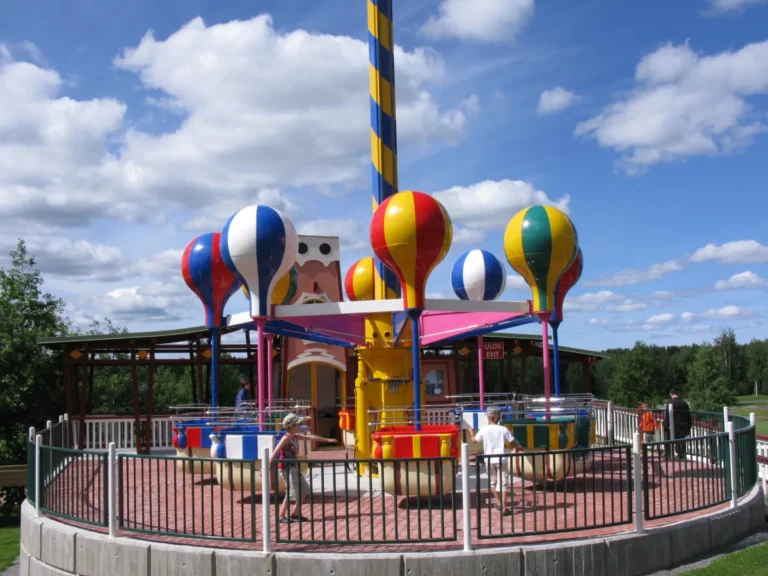
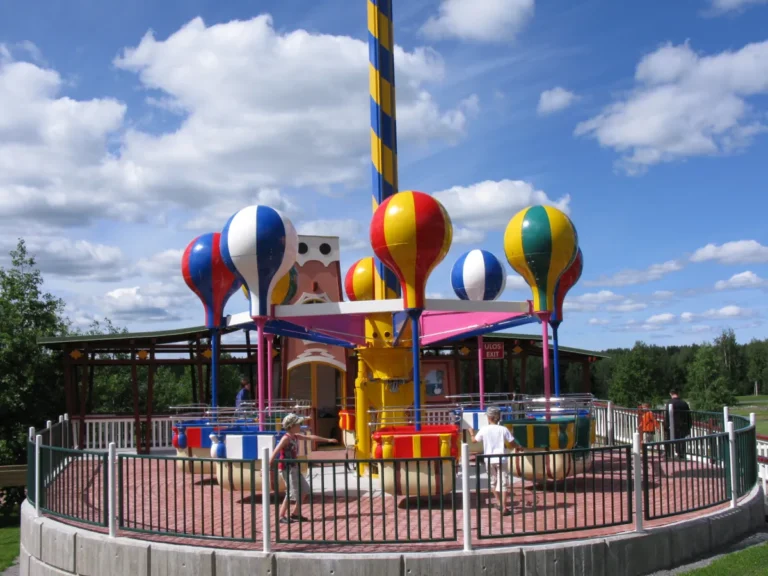
The fairgrounds typically hold the familiar pieces of a county fair: barns for cattle, swine, sheep, goats, and poultry; an exhibit hall full of open-class and youth entries; a midway with rides and games; a grandstand for evening events; and food stands run by local organizations. Specific events vary from year to year, so it is worth checking local listings as the season approaches, but the overall shape of the fair has stayed remarkably consistent.
For another look at how a community turns its own traditions into a gathering, see the Lee County Iowa Lee County Fair Festival for a useful comparison.
This is a community-run effort, carried by local volunteers and supported by county businesses and organizations. That is part of its character. The people selling tickets, judging exhibits, and announcing classes are usually neighbors, and the money raised tends to circulate right back through the county.
Tracing the Fair Back Through Lincoln County’s 1867 Roots
Lincoln County was organized on February 26, 1867, and named for Abraham Lincoln, who had been assassinated less than two years earlier. Settlement spread across the prairie and along the region’s river valleys, and Lincoln Center grew into the county seat — the small governmental and commercial hub that still anchors the county today.
In a county founded in 1867, a fair was never a novelty. It was a practical institution. Farmers used annual gatherings to compare seed varieties, livestock bloodlines, and machinery, and to trade news and labor across long distances. What we now call a county fair began as an agricultural exchange with a social life attached, and that dual purpose has never really disappeared.
Through the twentieth century, the Lincoln County Fair added the features Kansans now associate with fair week: carnival rides, grandstand entertainment, youth programs, and exhibit classes for everything from canned peaches to photography. The county’s population stood at 2,939 in the 2020 census, and the fair scaled with it — smaller than fairs in larger counties, but no less central to local life.
What has not changed is the calendar logic. A county fair belongs to late summer, after the heaviest work of the growing season and before the school year takes hold. That timing, set by agriculture rather than by marketing, is why the fair still feels tied to this place in a way few modern events do.
What a Day at the Lincoln County Fairgrounds Feels Like
A fair day here moves at the pace of the county itself: slow mornings in the barns, busy afternoons in the exhibit hall, and evenings when the midway lights come on and the grandstand begins to fill.
Fair Food and the Local Palate
Food at a county fair in a county of 2,939 people is not a corporate operation. Expect the classics — burgers, hot dogs, funnel cakes, cotton candy, snow cones, and coffee poured strong — often sold by church groups, booster clubs, and civic organizations as fundraisers. Lines are short, prices are modest, and the stand workers usually know the people they are serving. Bring a little cash, since small vendors in rural settings do not always take cards.
Music, Grandstand Moments, and Evening Entertainment
Evenings are when the fairgrounds come alive. Grandstand programming in small Kansas counties tends to mix live music, local talent, and crowd-pleasing events that bring the whole county to the same set of bleachers. Whatever the year’s lineup happens to be, the appeal is the same: an outdoor evening on the prairie, with the smell of fried food and livestock in the air and neighbors trading news between sets.
Family Activities and Youth Exhibits
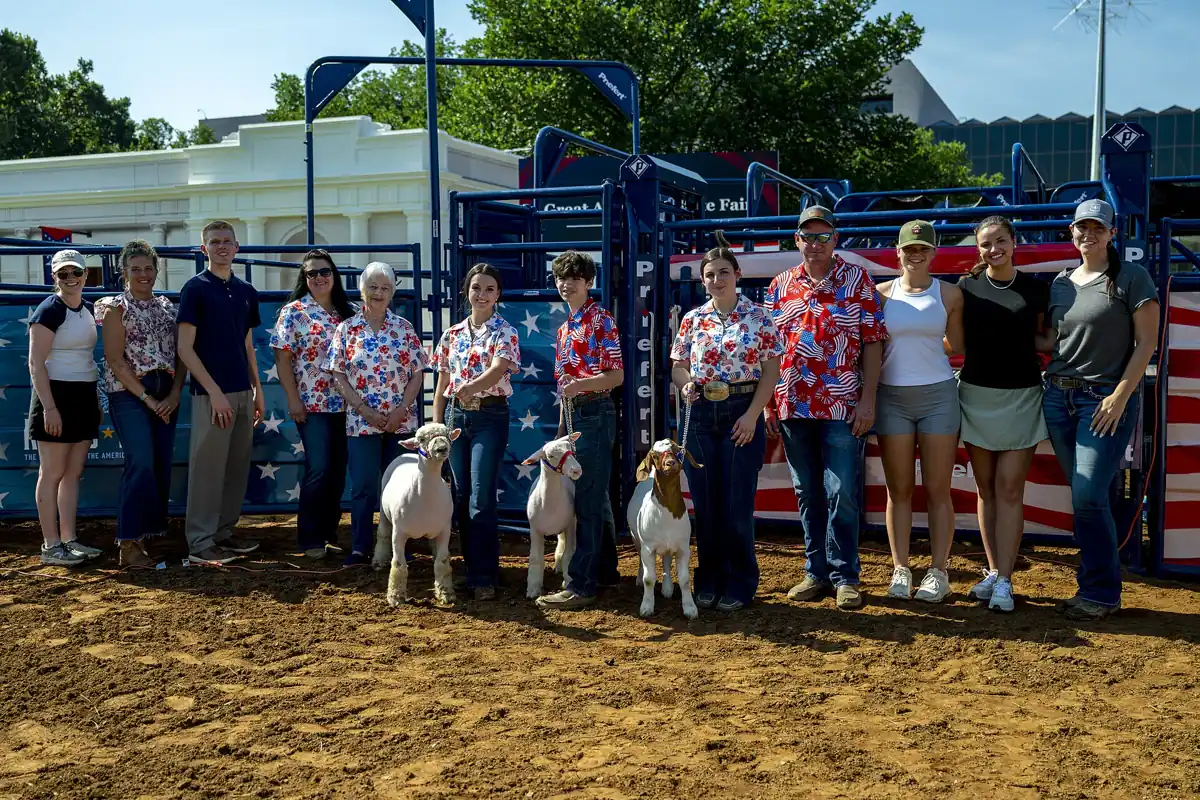
The exhibit hall is the heart of the fair for many families. Youth entries — livestock projects, baking, photography, garden produce, and handwork — show what local kids have spent months preparing. Carnival rides and games keep younger children busy, while older visitors gravitate to the barns to talk bloodlines, weather, and yields. Strollers and wheelchairs manage fine on the fairgrounds, though some paths and barn floors are unpaved, so comfortable shoes help.
Getting to Lincoln County and Making the Weekend Work
Driving Routes into Lincoln Center
Lincoln County sits in north-central Kansas, and Lincoln Center is reached by state highways that cross open farmland from every direction. Driving is the only practical way in. Fill the tank before you arrive, because services thin out between towns, and watch for slow-moving farm equipment on the two-lane roads, especially near harvest season.
Where to Stay Around Lincoln County
Lodging in a county this small is limited. Most out-of-town visitors stay in nearby larger communities and drive in for the day, or base themselves in the county and treat the fair as part of a longer rural weekend. Book early during fair week, since rooms within reasonable driving distance fill up when county fairs across the region overlap on the calendar.
Parking at the Fairgrounds
Fairground parking in rural Kansas is usually straightforward: grass lots, gravel, and volunteer attendants directing traffic. Arrive before the evening grandstand event if you want an easy spot, and expect a short walk from the outer lots. Follow the signs and the attendants rather than parking along the highway shoulder.
Admission and What Things Cost
Admission to the fairgrounds is typically free, with individual activities — rides, games, grandstand events, and some exhibits — carrying their own small charges. That structure keeps the fair accessible to local families and means visitors can wander the barns and exhibit hall without paying a gate fee. Bring cash for the midway and food stands.
Late-Summer Weather on the Kansas Prairie
Fair week falls in the hottest, most humid stretch of the Kansas year. Afternoons can climb well into the nineties, and thunderstorms roll through quickly with little warning. Plan around the heat: mornings and evenings are the comfortable hours, shade is scarce, and a refillable water bottle matters more than you think. Keep an eye on the sky, and remember that a passing storm rarely cancels an entire fair day.
A Two-Day Sample Plan for the Lincoln County Fair
Start your first day late in the afternoon, when the heat breaks. Walk the livestock barns while exhibitors are still grooming animals, then move through the exhibit hall to see the youth projects and open-class entries before the crowds arrive for the evening. Grab dinner from a food stand, find a seat at the grandstand, and stay for the night’s entertainment.
On day two, come earlier. Arrive mid-morning to watch judging, which is the fairest look you will get at what the county actually produces — cattle, swine, sheep, poultry, vegetables, baked goods, and crafts, all compared side by side. Spend the hottest hours in the shade of the exhibit hall or back in town. Return in the evening for the midway, let the kids ride until the lights go down, and finish with one last walk past the barns as the fair winds toward its close.
Lincoln County’s Fair Alongside Neighboring County Celebrations
Late summer is county fair season across this part of Kansas, and Lincoln County’s version sits on the intimate end of the spectrum. Larger regional events in and around Salina, to the south and east, draw bigger crowds, bigger grandstand names, and longer lines. County fairs in neighboring Mitchell County and Ottawa County, with Beloit and Minneapolis as their seats, run on a similar scale and spirit: livestock, exhibits, a midway, and a grandstand.
What distinguishes the Lincoln County Fair is the size of the place it serves. In a county of 2,939 people, the fair is genuinely walkable, the parking is easy, and the announcer can be heard from the car. Travelers who like the idea of a county fair but not the crush of a large regional one often prefer towns like Lincoln Center.
A Practical Checklist for Lincoln County Fair Visitors
Bring cash for food stands, rides, and small vendors; a refillable water bottle for the afternoon heat; sunscreen, a hat, and sunglasses; comfortable closed-toe shoes for gravel and barn floors; a light jacket or rain shell for evening storms; insect repellent for dusk near the barns; and a folding chair if you plan to sit through grandstand events. Charge your phone but do not count on strong signal everywhere, and carry a printed or downloaded schedule in case you need it. Leave pets at home, arrive early for evening programs, and keep an eye on children around livestock — animals are the main event here, and they behave like animals.
Beyond the Fairgrounds: Lincoln County’s Open Country
Lincoln County is 720 square miles of prairie, cropland, and river valley, and the drive itself is part of the visit. County roads run in long straight lines past wheat and sorghum fields, pasture, windbreaks, and old farmsteads, with the horizon doing most of the decorating. The county seat rewards a slow hour: the courthouse square in Lincoln Center, a few local businesses, and the plain, sturdy architecture of a Kansas town that has been here since 1867.
Birders and photographers find the open country productive, particularly in the early morning and late evening light. Anyone traveling through should build in time for a meal in town, a conversation with a local, and a detour down a gravel road simply to see where it goes — the kind of unstructured afternoon that a county this size makes possible.
Why the Fair Still Matters to Lincoln County
In a county with 2,939 residents, institutions that bring people together are not decorative — they are structural. The fair is one of the few events each year that pulls together every part of the county: farm and town, young and old, longtime families and newcomers. It is where a child learns to show an animal in front of an audience, where a baker finds out how her pie compares, and where neighbors who have not spoken since last summer finally catch up.
It is also an economic and cultural anchor. Food stands raise money for local groups, exhibitors spend in town, and the fair keeps a set of agricultural skills visible and valued in a region where they still matter. For a county named for Abraham Lincoln and organized in 1867, the fair is a living thread back to the community’s founding purpose.
Where the Lincoln County Fairgrounds Are Located
The Lincoln County Fair takes place in the Lincoln County area of north-central Kansas, with Lincoln Center — the county seat — serving as the local anchor for visitors.
Answers for First-Time Lincoln County Fair Visitors
Is the Lincoln County Fair free to attend?
Admission to the fairgrounds is typically free, which is standard for county fairs in this part of Kansas. Individual activities such as carnival rides, games, and grandstand events usually carry their own charges, so plan to bring cash for those rather than expecting one all-inclusive ticket.
When does the fair usually take place?
Like most Kansas county fairs, it is held in late summer — generally a stretch of days in July or early August, timed to follow the growing season’s heaviest work and precede the start of school. Check local listings as the season approaches to confirm the current year’s schedule.
Is the fair suitable for young children and older visitors?
Yes. The grounds are compact, walking distances are short, and the atmosphere is relaxed and family-oriented. Some paths and barn floors are unpaved, so sturdy shoes help, and the afternoon heat in late summer is the main thing to plan around for young children and older adults alike.
What happens if it rains during fair week?
Summer storms on the prairie tend to be brief and localized rather than all-day washouts. Fair activities often resume once a system passes, though outdoor events and rides may pause during lightning. Bring a rain shell, be flexible with your timing, and check locally for any schedule changes.
Looking Ahead for the Lincoln County Fair
The fair’s future looks much like its past: a volunteer-run, community-supported event that adapts slowly and deliberately. Counties of this size face the same pressures everywhere — fewer young families on the land, more competition for a summer weekend, rising costs for rides and entertainment — and the fair will keep adjusting to them.
What works in its favor is the thing that cannot be manufactured: a genuine reason to gather. As long as Lincoln County’s families have livestock to show, pies to enter, and neighbors to see, the fair will have a place on the late-summer calendar in Lincoln Center.
Last updated: October 2026
Plan a visit around late summer, arrive with cash and a water bottle, and give yourself an evening at the grandstand. The Lincoln County Fair is not built for spectacle; it is built for the people of a 720-square-mile county to see each other once a year. That is exactly what makes it worth the drive.