Christian County Kentucky Western Kentucky State Fair Festival

Christian County covers 724 square miles of western Kentucky, and for one stretch of summer its fairgrounds near Hopkinsville turn into the region’s shared backyard. The Western Kentucky State Fair is a classic agricultural fair with a modern midway attached: livestock barns in the morning, carnival rides in the afternoon, a packed grandstand after dark. This orientation is written for the first-timer — someone who has heard about the fair, maybe driven past the grounds, but never walked through the gate with a plan.
One thing worth clearing up early: this is not the Kentucky State Fair in Louisville. It is a regional fair rooted in Christian County, and its scale is part of the appeal. You can see the whole thing in a day, or stretch it across a weekend without running out of things to do.
Christian County’s Fair Season, Summed Up
| Area | Christian County, around Hopkinsville |
| County | Christian County, Kentucky |
| County seat | Hopkinsville |
| Population | 72,748 (2020 census) |
| Region | Western Kentucky, Pennyroyal country |
| Typical timing | Summer, usually a week-long run |
| Admission | Generally free to enter the grounds; rides, food and grandstand events cost extra |
| Setting | A traditional fairground with barns, exhibit halls, a midway and a grandstand |
| Signature features | Livestock shows, youth exhibits, carnival rides, grandstand entertainment |
| Organizer | A volunteer fair board with local agricultural groups |
What First-Timers Should Know Before the Gate Opens
The fair resists a single description. It is partly a livestock show, partly a carnival, partly a community reunion, and partly a food court that happens to have a tractor pull attached. Most visitors move between those worlds in one evening without thinking about it.
The grounds are laid out around a simple loop: barns and exhibit halls on one side, midway in the middle, grandstand at the edge. Knowing that saves a lot of aimless wandering. Youth exhibitors from across the county — 4-H and FFA members among them — anchor the daytime schedule, with judging in everything from cattle and goats to poultry, garden produce and home crafts.
Evenings change the mood entirely. The lights come on, the midway gets loud, and the grandstand fills for whatever is booked that night. For a first visit, aim to arrive in late afternoon: you catch the barns while they are still busy and the midway before the worst of the heat fades into a warm dusk.
For another look at how a community turns its own traditions into a gathering, see the Christian County Kentucky Christian County Fair Festival for a useful comparison.
How a Fair Took Root in Christian County
Christian County was founded in 1797, and Hopkinsville has served as its seat through every era since — frontier crossroads, tobacco town, and now a small city anchoring one of Kentucky’s most productive farming counties.
Fairs arrived in this part of Kentucky as harvest-season gatherings. Farmers brought livestock, families brought preserves and needlework, and neighbors compared notes on a season that had just ended. Those early exhibitions were as much social occasion as agricultural showcase, and the pattern stuck.
Through the twentieth century, the Western Kentucky State Fair grew into the version visitors recognize today: permanent barns, a grandstand, a midway, and a schedule that stretches across a week rather than a single afternoon. The name signals ambition — a fair meant to serve not only Christian County but the wider western Kentucky region, drawing exhibitors and families from neighboring counties.
What has not changed is the underlying purpose. The fair remains an annual accounting of what the county grows, builds, raises and bakes, presented by the people who did the work.
Inside a Day at the Christian County Fairgrounds
A fair day here has three distinct moods — daytime barns, afternoon midway, evening grandstand. Here is how the main pieces usually break down.
Fair Food, From Funnel Cake to Farm-Country Plates
Expect the full midway menu: funnel cakes, corn dogs, elephant ears, lemonade shake-ups, cotton candy and deep-fried things you will not find anywhere else. Alongside it, local vendors and church groups typically serve barbecue, burgoo, country ham, smoked sausage, beans and cornbread — food that reflects the surrounding farm country rather than a carnival truck. Portions are generous and lines move fastest in the late afternoon, before the dinner rush.
Grandstand Nights and Live Entertainment
The grandstand is where the fair gets loud. Depending on the year, the schedule may include a demolition derby, tractor pulls, motocross, a rodeo-style event or live country and rock acts. Seating fills early on the biggest nights, so treat the grandstand as the anchor of your evening and plan the midway around it. Smaller stages and wandering performers often keep the midway lively between headline shows.
Family Activities, Barns and Youth Exhibits
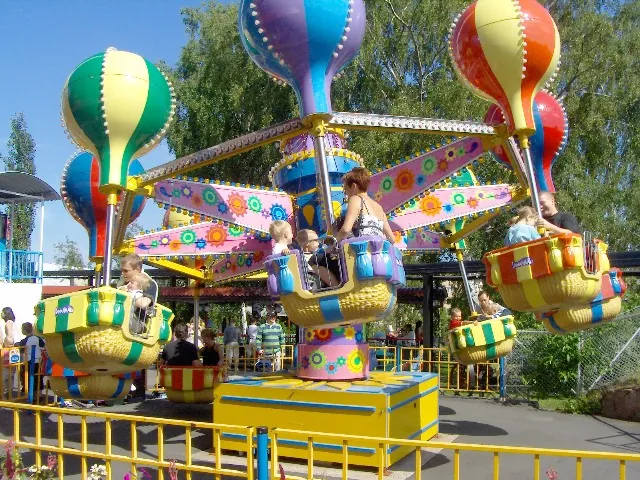
Families tend to gravitate to the animal barns, where kids can get close to cattle, goats, sheep, pigs and poultry, and to the exhibit halls full of prize-winning vegetables, canned goods, quilts and photography. Carnival rides range from gentle kiddie rides to full-size spinning machines. Strollers work fine on the main paths, though grass lots and gravel can be bumpy after rain.
Planning a First Visit Around Hopkinsville
Most of the logistics are simple, but a few decisions made in advance will shape your day.
Getting There
Hopkinsville sits in southwestern Kentucky, roughly midway between Nashville and Evansville, and is reached by US highways that converge on the city. If you are coming from out of town, plan the drive so you arrive before the dinner hour — traffic on the approach roads thickens noticeably on grandstand nights.
Where to Stay
Hopkinsville has the widest choice of motels and hotels in the county, concentrated along the main commercial corridors, with more options near Oak Grove and the Fort Campbell area to the south. Fair week is a busy stretch for local lodging, so book early rather than assuming same-day rooms will be available.
Parking on Fair Nights
Parking is generally on-site in grass and gravel lots, with attendants directing traffic. It fills from the front inward, so arriving an hour before a grandstand event usually means a shorter walk. Have a meeting point in mind if your group splits up, and note your row — dark lots all look alike at closing time.
Admission and What Things Cost
Walking the grounds is generally free, which makes the fair an easy, low-commitment outing. Rides, midway games, food and grandstand events carry separate charges, and some nights are ticketed individually. Bring cash for smaller vendors and concession stands, even if larger booths take cards.
Summer Weather in Western Kentucky
Expect heat and humidity, with afternoon thunderstorms that can roll through quickly. Dress light, bring water, and keep a rain jacket or poncho handy rather than an umbrella that will fight the crowd. Evenings are usually pleasant, which is another argument for staying past sunset.
A Sample Fair Weekend for First-Timers
If you have one weekend, use it like this. Arrive Friday in the late afternoon, park once and walk the loop to get your bearings: exhibit halls first while they are still open and uncrowded, then a slow pass through the barns. Eat dinner from a local vendor rather than a midway trailer, then settle in at the grandstand for the evening’s main event. Leave before the final rush and you will beat the worst of the exit traffic.
Saturday morning belongs to the livestock shows and youth judging, which are the most authentically local hours of the entire fair. Watch a class or two even if you know nothing about cattle — the handlers’ families in the bleachers are half the entertainment. Grab lunch on the grounds, spend the hot middle of the day on rides or in the shaded exhibit buildings, then head back to your hotel for a break.
Return Saturday evening for the midway at full volume and a second grandstand show. Sunday is a gentler visit: shorter hours, lighter crowds, and a good window for photos of the barns, the ribbons and the fairground itself before heading home.
How the Fair Compares to Neighboring County Celebrations
Western Kentucky is dense with community festivals, and each has its own flavor. Cadiz, in neighboring Trigg County, hosts a fall celebration built around its country ham heritage — smaller, food-focused and very much a one-day-town event. Princeton, in Caldwell County, marks the Black Patch tobacco story with a festival that leans historical. Russellville, in Logan County, honors its own tobacco heritage in similar fashion.
The Western Kentucky State Fair is bigger than all of them and broader in scope: livestock, carnival, grandstand, exhibits and food in one package. If you are choosing a single summer outing in the region, this is the one that fills a full weekend. If you are choosing a fall Saturday, the smaller county festivals are worth the drive.
First-Timer’s Checklist for the Christian County Fair
Wear closed-toe shoes you do not mind scuffing — you will be walking on grass, gravel and barn floors. Bring sunscreen, a refillable water bottle, a light rain jacket and cash for vendors. Charge your phone before you leave, since signal can get crowded on busy nights. If you have children, agree on a meeting spot near a landmark at the entrance, and write your phone number on younger kids’ wrists. Check the day’s schedule online or at the gate before you commit to a plan, and keep one evening free for whatever looks best in the moment.
Beyond the Midway: Hopkinsville and Christian County
The fair is a good excuse to see more of the county. Downtown Hopkinsville has a compact historic core with local restaurants, coffee shops and small museums, including the Pennyroyal Area Museum, which tells the story of the region’s tobacco, railroad and agricultural past. The town is also known for its Edgar Cayce connections and for Trail of Tears commemorative sites.
Further afield, the Land Between the Lakes recreation area lies west of the county, offering lakes, trails and wildlife viewing, and the Jefferson Davis Monument in neighboring Todd County is a short drive away for anyone interested in Kentucky history. Even a half-day detour turns a fair trip into a genuine regional visit.
Why the Fair Still Matters Across 724 Square Miles
For a county of 72,748 people spread over 724 square miles, the fair is one of the few occasions that pulls everyone into the same place at the same time. It is where farm families, town residents, students and retirees share a bench and a bucket of fries. It is also where the next generation learns to present their work to strangers — a skill that outlasts the ribbon.
The fair supports local vendors, youth organizations and volunteer groups, and it keeps a working agricultural tradition visible in a county whose economy has diversified well beyond the field. That combination of celebration and instruction is why it has survived so long.
Where the Fairgrounds Sit in Christian County
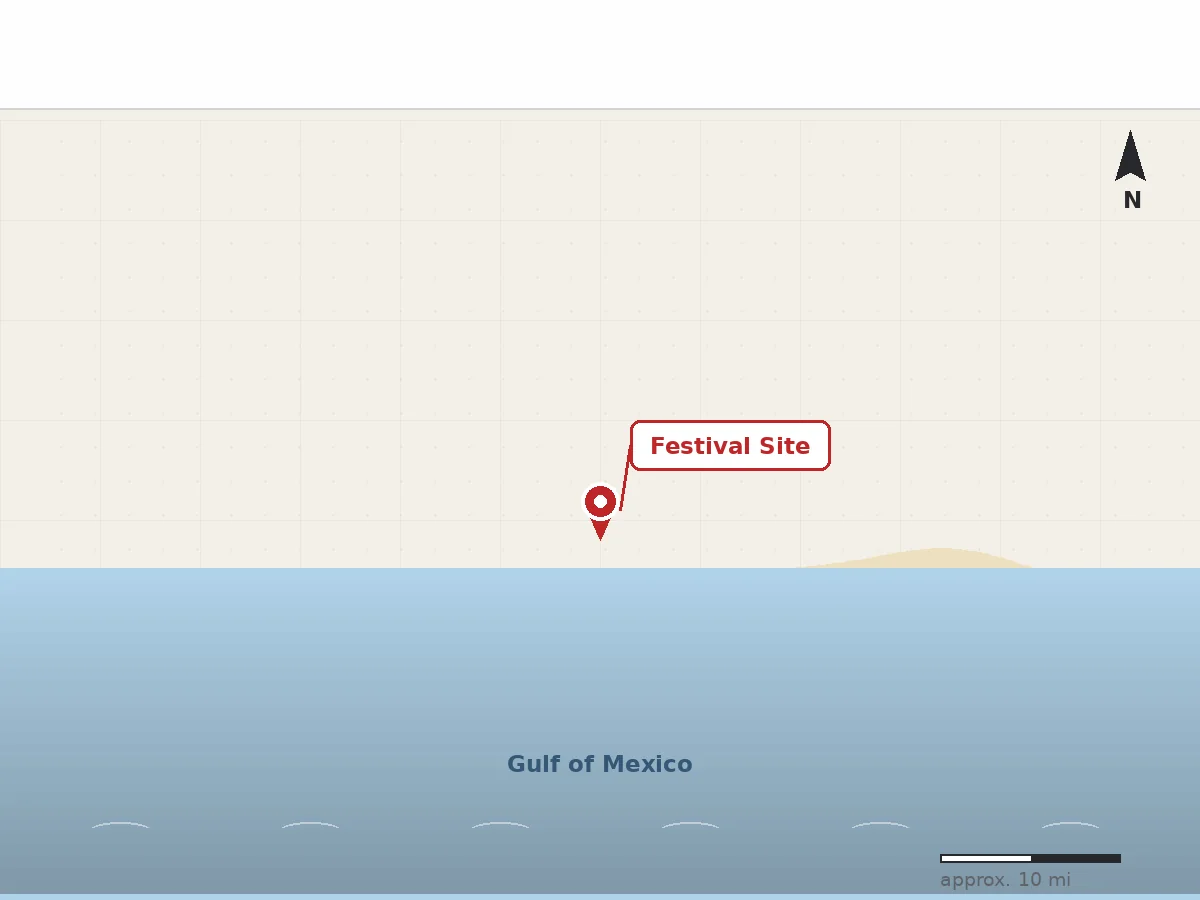
The Western Kentucky State Fair is held at the fairgrounds in the Hopkinsville area of Christian County, in Kentucky’s western Pennyroyal region.
First-Timer Questions About the Western Kentucky State Fair
Is this the same as the Kentucky State Fair in Louisville?
No. The Kentucky State Fair is a separate statewide event held in Louisville. The Western Kentucky State Fair is a regional fair based in Christian County, smaller in scale and more closely tied to local agriculture, county youth programs and neighboring communities.
When is the best time to arrive for a first visit?
Late afternoon works best. You get the barns and exhibit halls while they are still active, the midway before the evening crush, and plenty of time to eat before a grandstand event starts. Arriving at midday on a hot summer weekend means more heat and longer lines.
Is the fair a good outing for young children?
Yes, with planning. The animal barns and kiddie rides are the main draws, and daytime hours are calmer than evenings. Bring a stroller if you need one, keep an eye on little ones near the midway crowds, and expect a little mud if it has rained recently.
Do I need cash, and how much should I budget?
Bring cash. Entry to the grounds is generally free, but rides, games, food and grandstand events add up quickly, and smaller vendors may not accept cards. Decide your budget before you walk the midway — it is easy to spend more than planned once the lights are on.
What’s Ahead for the Western Kentucky State Fair
The fair’s future depends on the same things that have sustained it for generations: volunteer hours, youth participation and local sponsorship. County fairs across Kentucky are working to balance tradition with changing tastes — more live entertainment, better food variety, and programming that appeals to families who did not grow up on a farm.
Expect the essentials to remain recognizable. Livestock shows, exhibits and a midway are the spine of the event, and Christian County’s agricultural base gives the fair a reason to keep going. If you have never attended, this is a good year to make it a first.
Last updated: October 2026
For a first visit, the Western Kentucky State Fair rewards a little preparation and a willingness to wander. Come in the late afternoon, eat where the locals eat, watch a livestock class you do not fully understand, and stay for the grandstand. You will leave with a clearer picture of what Christian County is — and a reason to come back next summer.