Clark County Kansas Clark County Fair Festival
Ashland, Kansas: The Town That Hosts the Clark County Fair
Ashland is the county seat of Clark County, Kansas, a town that anchors a county spreading across 977 square miles of high plains. The entire county counted 1,991 residents at the 2020 census, which tells you most of what you need to know about the scale of things out here: a small population, an enormous sky, and one fair that matters to nearly everyone within driving distance.
Clark County was established on February 26, 1867, and named for Charles Clarke. That is a long time for any place to keep a tradition running, and the Clark County Fair is one of the clearest examples of it. The county’s identity was built on ranching, farming, and the kind of neighborliness that only develops when the next house sits miles down a gravel road.
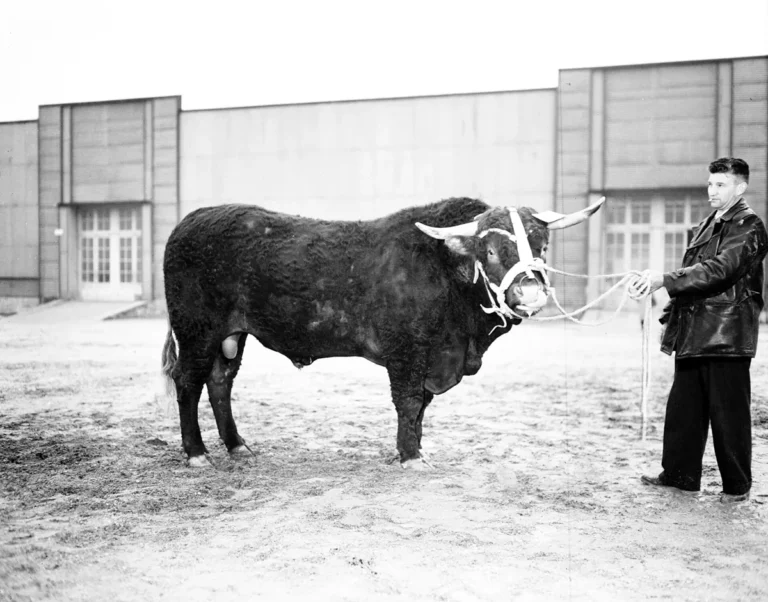
That geography shapes everything about the fair. When so few people are spread across so much land, an annual gathering becomes more than entertainment — it becomes the meeting point. Ranch families, in-town residents, and kids who have spent months halter-breaking a steer all end up on the same few acres at the same time.
Clark County Fair Essentials for First-Time Visitors
| Town / area | Ashland area, Clark County, Kansas |
| County | Clark County, Kansas |
| County seat | Ashland |
| County population | 1,991 (2020 census) |
| Region | Southwest Kansas |
| Typical timing | A weekend in late summer |
| Admission | Typically free |
| Setting | County fairgrounds in the Ashland area |
| Features | Livestock shows, open exhibits, carnival rides, grandstand events, fair food |
| Organizer | Local fair board and community volunteers |
What the Clark County Fair Is, in Plain Terms
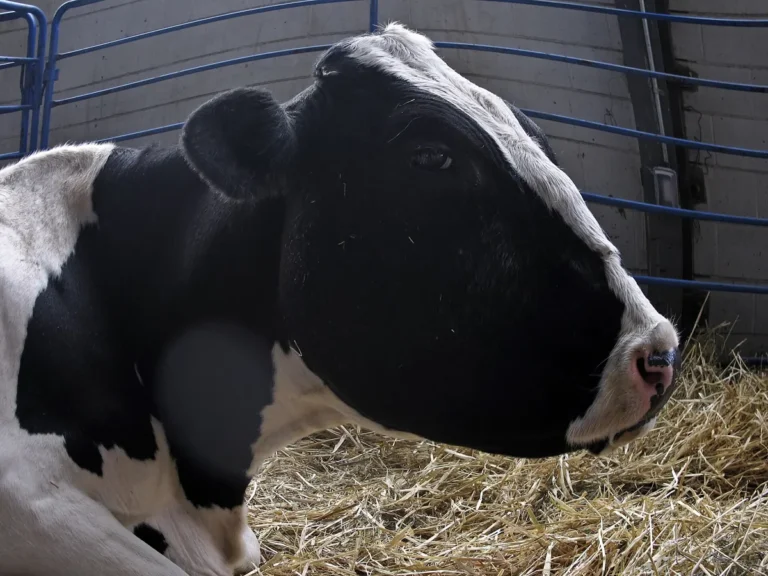
The Clark County Fair is a traditional county fair in the fullest sense of the phrase. Expect livestock barns and show rings, open-class exhibits, a midway with carnival rides and games, grandstand programming in the evenings, and food stands that seem to appear out of nowhere and then feed half the county. It is a community fair rather than a commercial festival: the emphasis stays on what local people grew, raised, baked, built, and trained.
Practically speaking, the day revolves around judging. Animals arrive, get weighed, get groomed, and get shown. Entries get judged in categories running from vegetables to photography to baked goods. Then the fair shifts into something more social — a walk through the midway, a seat in the grandstand, and long conversations in whatever shade can be found.
For another look at how a community turns its own traditions into a gathering, see the Christian County Kentucky Western Kentucky State Fair Festival for a useful comparison.
From 1867 Prairie to Fairground Grandstand: Clark County Fair History
County fairs across Kansas grew out of agricultural necessity. In the decades after counties were organized, farm and ranch families needed a place to compare notes, show off breeding stock, and prove that a season of hard work had paid off. Clark County, established in 1867, followed that same pattern. The fair became the one occasion each year when a scattered population could look at one another’s work side by side.
Over the generations, the fair’s role widened. Schools began entering exhibits. Churches and community groups set up booths and food stands. Local businesses sponsored events, prizes, and banners. The midway arrived, then the grandstand, then lights strung over walkways. Each addition reflected what the community cared about at the time, and most of them stuck.
What has not changed is the rhythm. The fair still lands in the warm months, still runs on volunteer labor, and still depends on the same basic proposition it always has: that people spread across a 977-square-mile county will decide the drive is worth it.
A Fair Day in Ashland, From Morning to Grandstand Lights
A day at the Clark County Fair has a shape to it. Mornings belong to exhibitors and judges, when the barns are busiest and the show rings are still cool. Afternoons fill with families. Evenings are for grandstand events, midway lights, and people who have not seen each other since last year’s fair.
Fair Food with a Southwest Kansas Accent
Fair food is its own food group, and Clark County does not disappoint. Expect the classics — funnel cakes, corn dogs, burgers, cotton candy, snow cones — alongside the stands run by local groups, where the menu tends toward chili, pie, cinnamon rolls, and strong coffee. The best strategy is to eat early, eat often, and leave room for whatever a church group or booster club is selling near the exhibit hall.
Music, Grandstand Moments, and Evening Energy
Evenings bring the grandstand to life. In most years the programming mixes live music with some kind of high-energy main event, the sort of thing that fills bleachers and gets a small-town crowd on its feet. Arrive early enough to claim a seat, because grandstand space is limited and the crowd tends to arrive all at once.
Family Activities and Kid-Friendly Corners
For families, the fair works because everything sits close together. Kids can drift from the carnival rides to the livestock barns to the exhibit hall without a long walk. Petting areas, games, and craft exhibits keep younger children occupied, while older kids often gravitate toward the show rings. Strollers handle the grounds reasonably well, though the gravel sections can be slow going.
Planning a Clark County Fair Trip from Anywhere in Kansas
Clark County sits in the far southwest corner of Kansas, which means the trip takes real planning for anyone coming from Wichita, Topeka, or Kansas City. A little preparation goes a long way.
Getting to Ashland and the Fairgrounds
Ashland is reached by highway from the north and east, with long stretches of open country in every direction. Fuel up before you get close, because services thin out across this part of the state. If you are driving in from out of county, plan the trip around daylight hours — the last stretch into Ashland is far easier to navigate before dusk.
Where to Stay Near Clark County
Lodging in a county of 1,991 people is limited, so book early if you plan to stay overnight. Options generally come down to a small local motel, a guest ranch or cabin rental, or a camper and tent setup at a nearby campground. Many fairgoers simply make the drive in and back the same day, treating the fair as a long day trip rather than an overnight.
Parking Around the Fairgrounds
Parking at small county fairs is usually informal — a lot, a field, or a marked strip along the approach road, often with volunteers directing traffic. Come early for the best spots, especially on the busiest evening. Follow the signs and the people waving you in; they know where the ground is firm and where it is not.
Admission and Typical Costs
Admission to the Clark County Fair is typically free, which is one of the reasons it draws so well across a wide area. Where money does change hands is at the carnival, the food stands, and any special grandstand event. Bring cash, since card readers can be unreliable in rural areas, and set a budget for rides and snacks before the kids spot the midway.
Weather and What to Pack
Late summer in southwest Kansas means heat, wind, and the occasional sudden storm. Pack sunscreen, a hat, refillable water bottles, and a light jacket for after sunset. Closed-toe shoes are smarter than sandals once you are walking through barns and across gravel. Keep an eye on the western horizon in the afternoon.
A Sample Fair Weekend in Ashland
Start with the opening evening. Arrive in the late afternoon, park while the lots are still empty, and walk the grounds once to get your bearings. Eat at one of the local stands, wander the exhibit hall before the crowds thicken, and finish at the grandstand as the lights come on.
Give the middle day to the livestock shows and the exhibit buildings. Morning is the best time to watch judging, when the barns are active and exhibitors are still fresh. Spend the afternoon on the midway with kids or in the shade with a cold drink. Come back for the evening program, then stay for the slow walk out under the lights.
Use the closing morning for the quieter pleasures: a last pass through the exhibits, a conversation with a neighbor you have not seen in a year, and a final stop at the food stands before the drive home. If you are heading out of county, leave with plenty of daylight in front of you.
How the Clark County Fair Compares with Nearby Kansas Events
Dodge City, the Ford County seat to the north, is the biggest regional hub in this corner of Kansas. Its events lean heavily into western heritage and draw visitors from well outside the area, which gives them a more tourist-facing feel than the Clark County Fair. If you want a large-scale spectacle, Dodge City delivers it; if you want the fair where everyone knows your family, Ashland is the better fit.
Liberal, farther to the southwest, is another larger community with a broader slate of attractions and a more diversified economy. Its calendar of events reflects that scale. Meade, meanwhile, is closer in character to Ashland — a small county seat where the fair still functions as the social center of the year rather than a regional draw.
The honest comparison is this: the Clark County Fair is smaller than almost anything you will find in a city, and that is precisely the appeal. You are not competing for a parking space with thousands of strangers. You are joining a county’s annual reunion.
Clark County Fair Day-Of Checklist
Before you leave: check the current fair schedule, confirm the day’s grandstand programming, and fill your tank in the last town where fuel is easy to find.
In the car: cash for rides and food, sunscreen, hats, refillable water bottles, a light jacket for the evening, and a phone charger. A blanket or folding chairs make grandstand seating far more comfortable.
On the grounds: pick a meeting point with your group in case phones lose signal, keep an eye on kids near the midway and the animal barns, and ask before photographing exhibitors or their animals up close.
Before you go: thank a volunteer. Almost everyone running a booth, directing traffic, or handing out ribbons is doing it on their own time for the community.
Beyond the Fairgrounds: The Rest of Clark County
The fair is the headline, but the surrounding county rewards a slower look. This is open high plains country — big skies, long horizons, and roads that run straight to the edge of sight. Birders and wildlife watchers find plenty to occupy an early morning, particularly around the scattered water sources that draw migrating birds through the region.
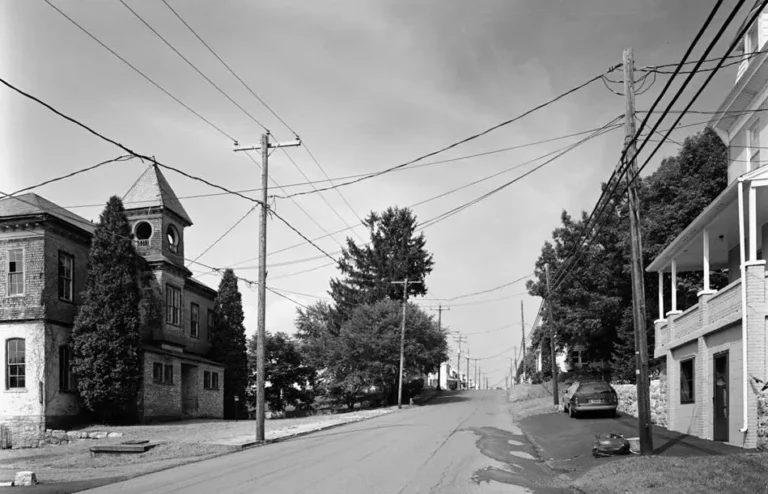
In Ashland itself, the pace is unhurried. Walk the main streets, stop for a meal at a local café, and take in a courthouse square that has been the center of county business since the nineteenth century. Ranching and farming still drive the local economy, and the landscape reflects it: pastures, grain, windmills, and the occasional cattle truck rumbling through town.
If you have an extra half day, use it to drive the county roads without a destination. In a place this large and this lightly populated, the drive is the attraction.
How the Fair Holds a Scattered County Together
In a county of 977 square miles with fewer than two thousand residents, institutions that bring people together are not luxuries — they are infrastructure. The Clark County Fair is one of the few annual events that pulls together ranchers, town residents, school families, and older residents who no longer farm but still show up every year.
It is also a place where young people learn something that cannot be taught in a classroom: how to prepare an animal for judging, how to present a project to a stranger with a clipboard, how to lose gracefully and come back the next year. Those lessons ripple outward into the rest of county life.
And it is, quite simply, fun. That matters more than it sounds. In a region where distances are measured in hours rather than blocks, a weekend where the whole county shows up in one place is worth protecting.
Ashland-Area Fairgrounds on the Clark County Map
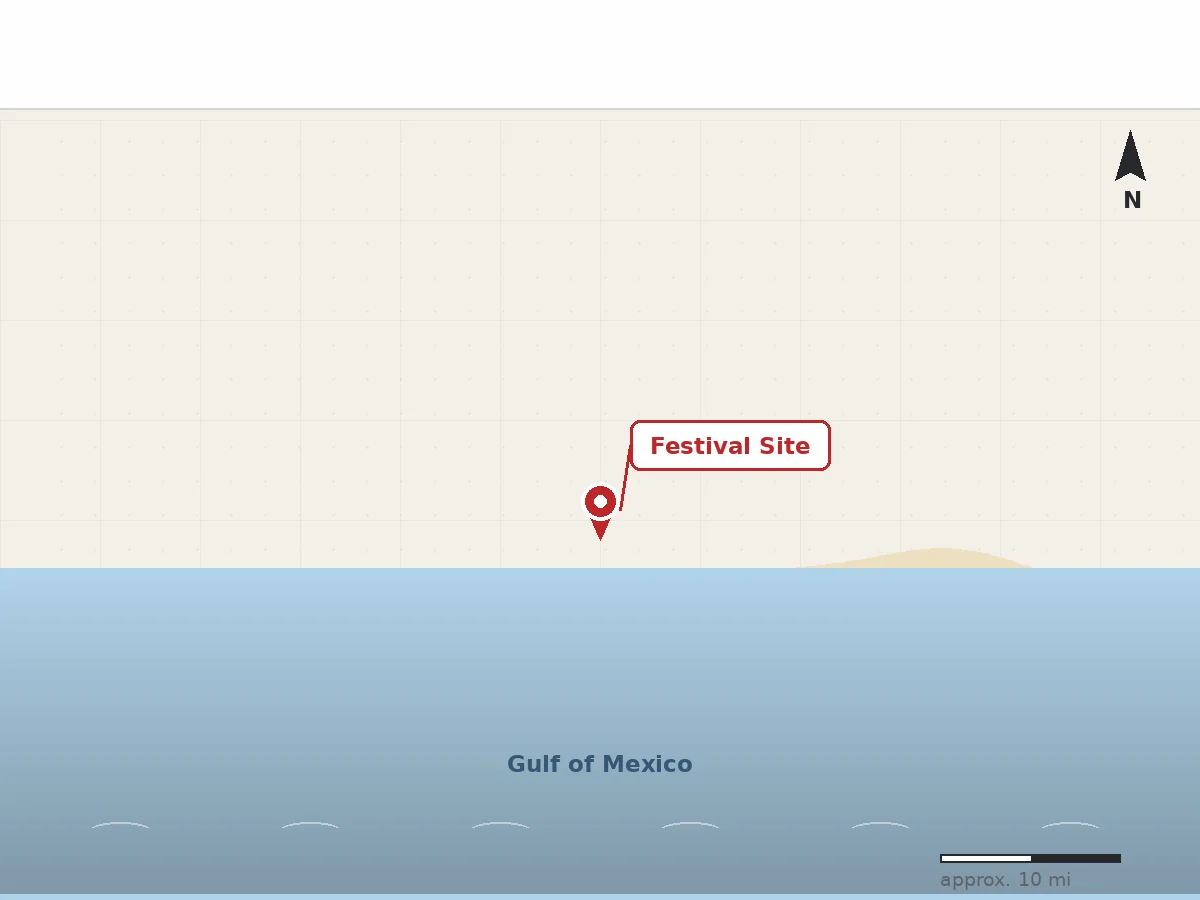
The Clark County Fair takes place at the county fairgrounds in the Ashland area of Clark County, Kansas, the county seat community at the center of a 977-square-mile county.
Practical Answers for Clark County Fair Visitors
When does the Clark County Fair usually take place?
The fair is held on a weekend in late summer, which is when Kansas county fairs traditionally land. Because the exact weekend shifts from year to year, check the current local schedule before you plan travel, and treat any date you see from an old listing as unreliable.
Is there an admission charge for the Clark County Fair?
Admission is typically free. Individual attractions are where money gets spent — carnival rides, midway games, food stands, and any special grandstand event. Bring cash in small bills, since not every vendor in a rural county is set up to take a card.
Where exactly is the fairgrounds in the Ashland area?
The fairgrounds sit within the Ashland area of Clark County, Kansas. Once you reach Ashland, the grounds are easy to find — signage and traffic direction during fair week make the location obvious, and the town itself is small enough that you cannot get seriously lost.
Is the Clark County Fair worth it for young children?
Yes, and for a simple reason: everything is close together and nothing is overwhelming. Rides, animals, exhibits, and food are all within a short walk, which makes it manageable for families with small kids. Bring a stroller if you have one, plus water and sun protection for the afternoon hours.
What the Future Holds for the Clark County Fair
Small county fairs everywhere face the same pressure: aging volunteers, rising costs, and young people who leave for larger cities. Clark County is not immune to any of that. What it has going for it is a deep-rooted habit of showing up — a habit built over more than a century in a place where the alternative is staying home and seeing no one.
The fair’s future likely depends on the same things that have sustained it all along: volunteer energy, community buy-in, and families willing to enter exhibits and animals. As long as those hold, the midway lights will keep coming on in the Ashland area each summer.
Last updated: October 2026
For anyone who has never been, the Clark County Fair is worth the drive across the high plains — not because it is the biggest event in Kansas, but because it is one of the most genuine. Come for the livestock shows and the funnel cakes, stay for the grandstand lights, and leave understanding why a county of 1,991 people still clears its calendar every summer for a weekend in Ashland.

One Comment