Clay County Kansas Free Fair Festival
Late summer settles over north-central Kansas with tall corn, warm afternoons, and evenings that finally cool off enough to make a light jacket worth carrying. In Clay County, that season points toward one weekend when the fairgrounds come alive. The Clay County Kansas Free Fair — known locally, simply, as the Free Fair — is the county’s long-running late-summer gathering, anchored in Clay Center, the county seat.
The Free Fair in Numbers and Basics
| Town / area | Clay Center and the surrounding Clay County area |
| County | Clay County, Kansas |
| County seat | Clay Center |
| County population | 8,117 |
| Region | North-central Kansas |
| Typical timing | Late summer, on a weekend in July or August |
| Admission | Free gate admission |
| Setting | Rural fairgrounds surrounded by prairie and farmland |
| Signature features | Livestock shows, 4-H exhibits, carnival rides, grandstand events, fair food |
| Organizer | Local volunteers and county fair organizers |
Meet the Clay County Kansas Free Fair
Clay County spreads across 656 square miles of prairie, cropland, and small communities in north-central Kansas. It was founded on February 20, 1857, and named for Henry Clay, the Kentucky statesman whose name traveled west with settlers who admired him. The county seat, Clay Center, is where the courthouse, the schools, and the fairgrounds converge — and with a county population of 8,117, the Free Fair is the kind of event where you recognize half the people walking the midway.
The fair’s name is also its promise: the gate is free. Families can walk in without buying admission, and that single decision shapes the whole character of the weekend. Nobody has to decide whether the fair is worth the price of a ticket. You come for an hour after work, or you come three nights in a row, and either way you belong there. The event is carried by local volunteers and county fair organizers, and it draws exhibitors and visitors from Clay Center and the smaller towns scattered around it.
From 1857 Prairie County to a Free Fair Tradition
Clay County’s story begins in the 1850s, when settlement pushed into the rolling country between the Kansas River valley and the Nebraska line. Founded on February 20, 1857, and named for Henry Clay, the county built its economy on wheat, corn, cattle, and the railroad towns that grew up to serve them. In that world, the county fair was not entertainment bolted onto the calendar — it was the calendar. It was the annual moment when farmers compared yields, families showed what they had grown and preserved, and young exhibitors learned to handle an animal in front of a crowd.
The Free Fair grew directly out of that agricultural tradition. Its livestock barns, exhibit halls, and ribbon tables carry the same purpose they always did: recognize good work in public. What makes the Clay County version distinctive is the word “free.” Generations of local organizers kept the gate open to everyone, and that choice turned the fair into a genuine county-wide gathering rather than a ticketed attraction. Ask around Clay Center and you will find people who showed a calf, a quilt, or a plate of cookies as children and now watch their own kids do the same thing in the same buildings.
For another look at how a community turns its own traditions into a gathering, see the Clark County Kansas Clark County Fair Festival for a useful comparison.
A Late-Summer Weekend on the Clay County Fairgrounds
Fair weekends here follow a familiar Kansas rhythm: quiet mornings with animals being washed and groomed, busy afternoons in the exhibit halls, and evenings when the lights come on over the midway and the grandstand fills up. Expect heat, dust, the smell of fried food, and the low hum of a crowd that mostly knows each other.
Fair Food and the Flavor of Clay County
Food stands are the social center of the grounds. You will find the classics that every Kansas fair does well — funnel cakes, corn dogs, burgers, fresh-squeezed lemonade, and cold drinks that disappear fast in August heat. Local church groups, booster clubs, and community organizations typically run booths of their own, which is part of why the food feels homemade rather than franchised. Bring cash in small bills; small stands do not always take cards, and lines move faster when you are not hunting for a signal. The pie and cinnamon roll tables tend to sell out early in the evening.
Grandstand Music, Motors, and Evening Entertainment
Evenings bring the loud, crowd-drawing events. Grandstand programming at a fair like this usually includes live music, a demolition derby or tractor pull, rodeo-style competition, and kids’ entertainment earlier in the day. Seating on the grandstand is first-come, and the best spots go quickly on Saturday night. If you plan to stay for the headline event, claim your seat before the sun drops and bring a cushion — those bleachers are older than most of the people sitting on them. Between events, the midway rides run late, and the grounds stay lit well past dark.
Family Activities and 4-H Exhibits
The heart of the fair is the exhibit buildings. 4-H members and open-class exhibitors display livestock, poultry, rabbits, produce, baking, photography, and handicrafts, all judged and ribboned in plain view. Walk through slowly — the range of skill on display is genuinely impressive, and the kids standing beside their projects are usually happy to talk about them. Elsewhere on the grounds, families find carnival rides, games, a petting area, and craft or livestock activities aimed at younger children. Strollers handle the grounds reasonably well, though the gravel paths get dusty by late afternoon.
Planning Your Trip to Clay Center and the Fairgrounds
Getting to Clay Center
Clay Center sits in the middle of Clay County, reached by state highways that connect it to larger Kansas cities in every direction. Most visitors drive in from surrounding counties or make the trip from Wichita, Salina, Manhattan, or the Kansas City area. The drive itself is part of the experience: two-lane roads, grain elevators, and fields that turn gold as summer wears on. Fill your tank before you arrive, since late-night options thin out once you leave town.
Where to Stay Around Clay County
Lodging in a county of 8,117 people is limited, and fair weekend is one of the busiest stretches of the year. Clay Center has a small number of motels and guest accommodations, and nearby towns offer a few more options. Book well ahead if you are coming from out of the area. Campers and RV owners often prefer the fairgrounds-adjacent camping that many Kansas fairs offer, or a spot at a nearby lake or private campground. If everything local is full, Salina and Manhattan are both reasonable bases for a day trip.
Parking at the Fairgrounds
Parking around the grounds is generally free and first-come, with grass lots and street parking filling up fastest on Saturday evening. Arrive before the grandstand event begins if you want a short walk. Follow the volunteers directing traffic — they know which entrances clear fastest, and they will keep you out of the areas reserved for livestock trailers and exhibitors. If you park on grass, remember that a summer thunderstorm can turn a lot soft in a hurry.
Admission, Wristbands, and Costs
Gate admission is free, which is the defining feature of this fair. Your money goes instead to food, carnival rides, games, raffles, and vendor booths. Ride pricing varies by operator, and unlimited-ride wristbands are often sold on specific nights, so check the schedule posted at the gate. Grandstand events are typically included with admission at fairs of this size, though some special programs may be ticketed. Bring cash and a little patience; small-town vendors move at a human pace.
Late-Summer Kansas Weather
Expect heat. Late July and August in north-central Kansas mean daytime temperatures that can climb into the nineties, humidity that makes it feel worse, and the occasional fast-moving thunderstorm. Mornings and evenings are far more comfortable. Bring water, sunscreen, and a hat, and keep an eye on the western sky — storms here arrive quickly and can pause outdoor events. If lightning clears the grandstand, the exhibit halls usually stay open, and the fair resumes once the weather passes.
A Sample Free Fair Weekend in Clay County
Friday afternoon: Arrive in Clay Center early, park while the lots are still open, and start in the exhibit buildings before the crowds build. Look for the 4-H displays and open-class entries, then walk the livestock barns while animals are still being groomed. Grab an early supper from a food stand, catch the evening grandstand event, and finish with a slow lap through the midway after dark.
Saturday: Come back mid-morning for the livestock shows and the judging that most visitors miss. Spend the hot middle of the day indoors with the exhibits, then take a break in town for air conditioning and a cold drink. Return in the late afternoon, claim grandstand seats early, and stay for the biggest night of the weekend — music, motors, and fireworks if the schedule includes them.
Sunday: Fair Sundays are quieter and easier. Come for a late breakfast at a food stand, watch the final rounds of judging, and let kids ride the midway before the lines return. Many families treat this as the day to actually talk to exhibitors and vendors. Wrap up with a drive through the county before heading home.
How the Free Fair Compares With Nearby Kansas Celebrations
Clay County’s fair sits in a region crowded with good late-summer options, and each has a different personality. Salina’s Smoky Hill River Festival, to the southwest, is a large arts-and-music event held earlier in the year — polished, juried, and built around performers and craft vendors rather than livestock. Abilene, south in Dickinson County, pairs its own county fair traditions with a historic downtown and museum district, making it a stronger pick if you want shopping and heritage alongside the fairgrounds. Concordia, northwest in Cloud County, offers a similar small-city county fair feel with its own agricultural roots.
What sets the Clay County Free Fair apart is scale and price. It is not trying to be a regional destination festival, and it does not charge you to walk in. It is a county fair for the county — which is exactly what makes it worth a drive from elsewhere.
Packing and Prep for a Clay County Fair Weekend
Bring cash in small bills, a refillable water bottle, sunscreen, hats, and sunglasses. Wear closed-toe shoes you do not mind getting dusty, since gravel, mud, and livestock areas are all part of the walk. Pack a light jacket for the evening and a cushion or blanket for grandstand bleachers. A phone battery pack helps on long days, though signal can be spotty in a crowd. Leave pets at home — most fairgrounds restrict them outside of designated areas. Finally, check the fair’s posted schedule before you go, since event nights and ride wristband promotions vary from year to year.
Beyond the Fairgrounds: The Rest of Clay County
Give yourself an extra half day to see the county rather than just the midway. Clay Center’s downtown holds the kind of Main Street that still functions: locally owned shops, cafes, and a courthouse square that anchors the town. The surrounding 656 square miles are working farm and ranch country, and a drive on county roads in late summer is its own attraction — center pivots, hay bales, windbreaks, and horizon lines that keep going. Small communities scattered across the county each have their own grain elevators, ball fields, and cemeteries that tell the story of who settled here. Birders and photographers will find quiet backroads worth exploring, and anyone interested in Kansas history will appreciate how much of the state’s nineteenth-century story is written into these towns.
A Fair That Belongs to Clay County
In a county of just over eight thousand people, a free fair is a statement about what the community values. It says that a kid’s first ribbon matters, that a grandmother’s pie deserves a judge’s attention, and that nobody should be priced out of the annual reunion that a county fair really is. The fair also does quiet economic work: it brings visitors into Clay Center, supports local organizations that run food booths, and gives small businesses a weekend of extra traffic. Mostly, though, it functions as a yearly handshake — a place where the county confirms that it still knows itself.
Where the Free Fair Sits in Clay County
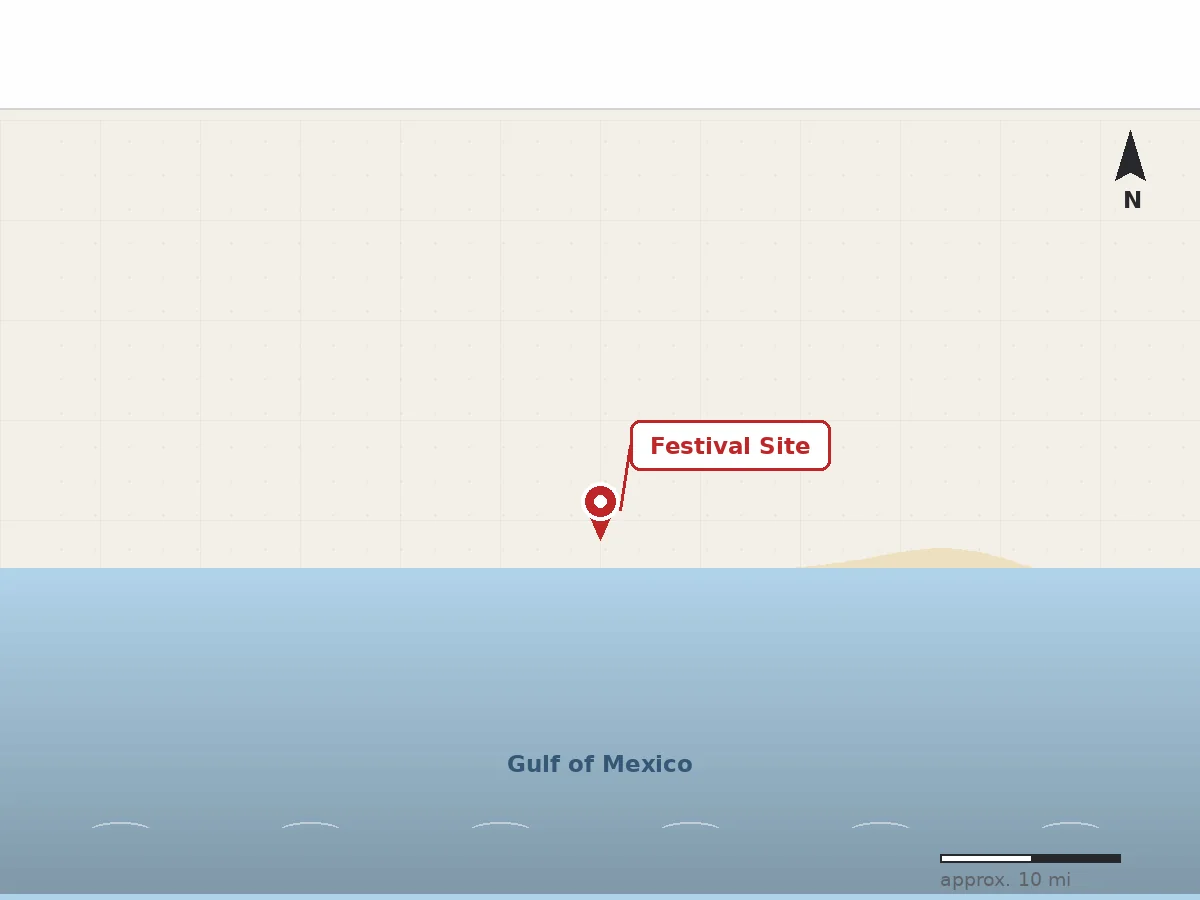
The Free Fair takes place on the fairgrounds in and around Clay Center, the county seat of Clay County in north-central Kansas.
First-Timer Questions About the Clay County Free Fair
Is admission really free?
Yes. Free gate admission is the tradition that gives the fair its name, and it is the reason local families can come back multiple nights without thinking about cost. You will still spend money inside the grounds on food, rides, games, and vendors, so bring cash, but walking in costs nothing.
When is the best time to arrive?
Late afternoon is the sweet spot. The heat has eased, the exhibit halls are still open, and you can claim grandstand seating before the evening crowd arrives. Weekday evenings are noticeably quieter than Saturday, which suits families with small children or anyone who prefers to move at an easy pace.
Is the fairgrounds easy to navigate with kids or a stroller?
Generally yes. The grounds are compact enough to walk in an afternoon, and most paths are gravel or packed dirt. Strollers work, though dust and uneven ground near the livestock barns can be a challenge. Restrooms, seating, and shade are usually available, and the fair is small enough that you are never far from where you parked.
What happens if it rains during the fair?
Summer storms in Kansas are often brief. Outdoor events may pause for lightning or heavy rain, while exhibit buildings typically stay open and offer shelter. Grass parking areas can get soft, so plan an exit route if the sky looks threatening. Check local listings for schedule updates before making the drive on a stormy evening.
The Next Seasons of the Clay County Free Fair
The future of a fair like this depends on the same things that built it: volunteers, exhibitors, and families willing to show up. Keeping the gate free in an era of rising event costs is a genuine commitment, and it depends on food sales, sponsorships, and community support rather than ticket revenue. The strongest trend working in the fair’s favor is renewed interest in local food, livestock, and hands-on skills — exactly what 4-H and open-class exhibits teach. Expect the fair to keep evolving with new entertainment, better grounds, and updated technology for registration and judging, while holding on to the traditions that make it recognizable: the barns, the ribbons, the grandstand, and the free walk through the gate.
Last updated: October 2026
For a county of 8,117 people spread across 656 square miles of Kansas prairie, the Clay County Kansas Free Fair is more than a weekend on the calendar. It is the annual proof that the place still gathers — that the barns get swept, the pies get judged, and the lights come on over the midway one more time before school starts. Come for the food and the rides, stay for the ribbons, and you will understand why nobody in Clay County has ever had to pay to walk in.


One Comment