Cheyenne County Kansas Cheyenne County Fair Festival
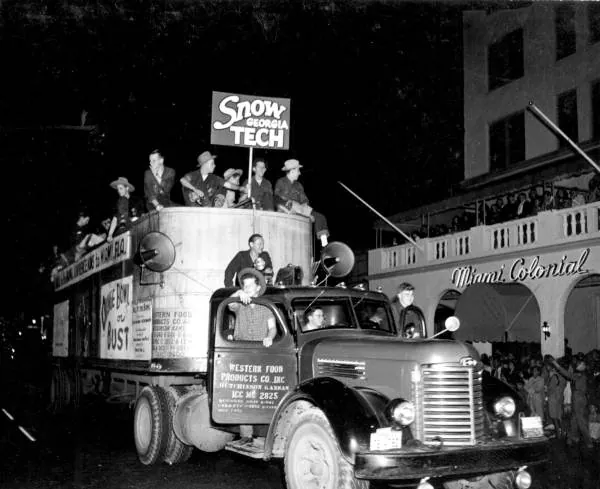
I have been driving into Cheyenne County for fair week long enough that the trip has its own rhythm: the long flat approach, the grain elevators, the sudden cluster of pickups and stock trailers near the grounds, and the smell of fryer oil meeting livestock bedding. This is not a fair built to impress outsiders. It is a working county fair in the far northwest corner of Kansas, and that is exactly why I keep coming back.
What follows is the version of the Cheyenne County Fair I would hand to a friend who has never been — the timing, the layout, the food lines worth standing in, and the small details that make a second visit easier than the first.
Cheyenne County Fair Basics: Ten Details I Check Before I Drive Out
| Town / place | Cheyenne County area, northwest Kansas |
| County | Cheyenne County, Kansas |
| County seat | St |
| Population | 2,616 (2020 census) |
| Region | High Plains, far northwest Kansas |
| Typical timing | Late summer, usually late July into August |
| Admission | Free grounds admission in most years |
| Setting | Small-town fairgrounds with barns, a grandstand and a midway |
| Features | Livestock shows, 4-H and open-class exhibits, carnival rides, grandstand entertainment, food stands |
| Organizer | Volunteer fair board and local community groups |
What the Cheyenne County Fair Actually Is on the Kansas High Plains
Cheyenne County is big country — 1,021 square miles of high plains — and in 2020 it counted 2,616 residents. A fair in a county that size cannot lean on day-trippers from a nearby metro, because there isn’t one. It leans on its own people: farm and ranch families, retired neighbors, students home for the summer, and the volunteers who spend months getting pens, bleachers and exhibit halls ready.
That is the first thing a returning visitor notices. The fair is not a show staged for an audience; it is the county’s annual reunion with a livestock show attached. You will see the same families in the same barn aisles, the same grandstand regulars claiming the same stretch of aluminum, the same teenagers who were showing lambs five years ago now running the ring.
Practically speaking, the fair is a few days of overlapping programming: 4-H and open-class exhibits in the halls, livestock shows in the barns and arena, a midway with rides and games, food stands along the walkways, and grandstand entertainment in the evenings. Gates are typically free, which matters — it means you can wander in for an hour after supper, watch a class or two, and leave without feeling like you wasted a ticket.
For another look at how a community turns its own traditions into a gathering, see the Cherokee County Kansas Cherokee County Fair Festival for a useful comparison.
The scale is intimate. If you are used to state fairs, adjust your expectations downward in size and upward in access. You can talk to exhibitors, ask what a judge is looking for, and let a kid pet a rabbit without fighting a crowd.
From a March 1873 County to a Fair Week That Still Works
Cheyenne County was founded on March 20, 1873, in the far northwest corner of Kansas along the Colorado line. That is the anchor date for everything that follows. The county’s early decades were about proving that this stretch of shortgrass could hold people — that wells could be dug, homesteads could hold on, and a town could put down roots in a place with wide horizons and little timber.
Agricultural fairs arrived across the Kansas plains for a practical reason: they were the one time of year when scattered families could compare seed, stock and methods in the same place. A county of 1,021 square miles spreads its people out. Fair week compressed them into a few acres.
Over the decades the exhibits changed — tractor pulls and carnival rides joined the livestock classes, and exhibit halls filled with photography, baking and quilting alongside corn and alfalfa. What did not change is the structure: a volunteer board, a community that shows up, and a schedule built around the hours when farm work allows it. The fair you walk into today is the latest version of a very old habit.
Inside the Cheyenne County Fairgrounds: Barns, Midway and Grandstand
The grounds are compact enough to walk in ten minutes, which is a gift on a hot afternoon. Most visitors park once and stay. The layout tends to sort itself into three zones: barns and arena on one side, exhibit halls and food in the middle, midway and grandstand on the other. Learn that once and you never need a map again.
What I Eat Every Year on the Cheyenne County Fair Midway
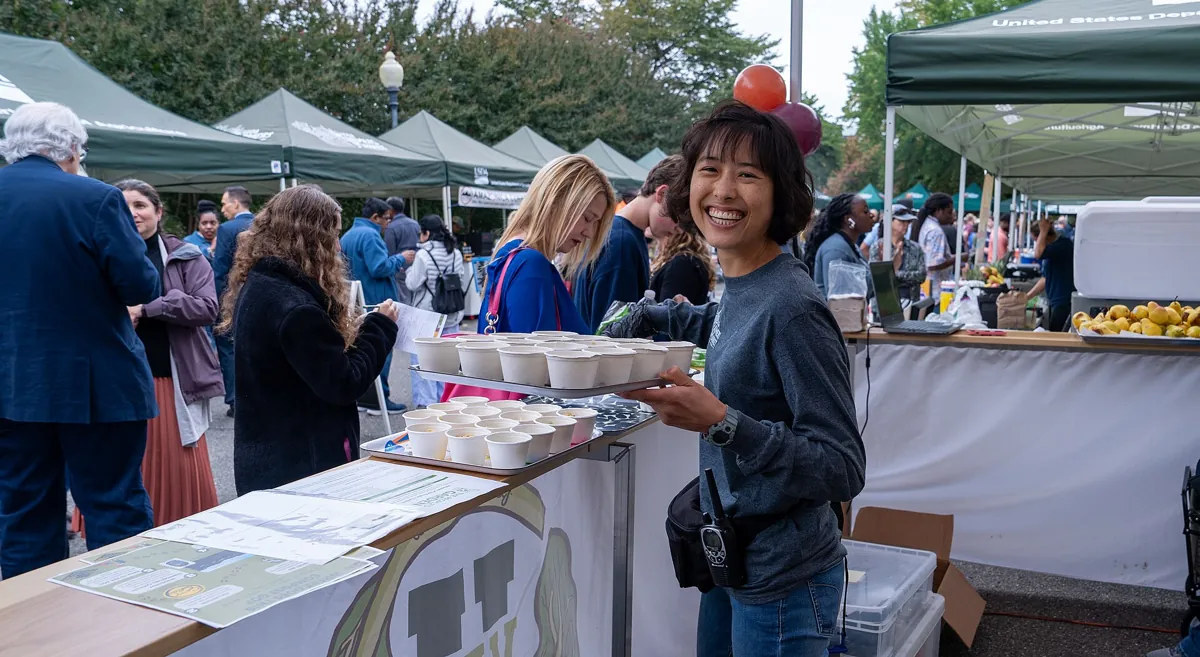
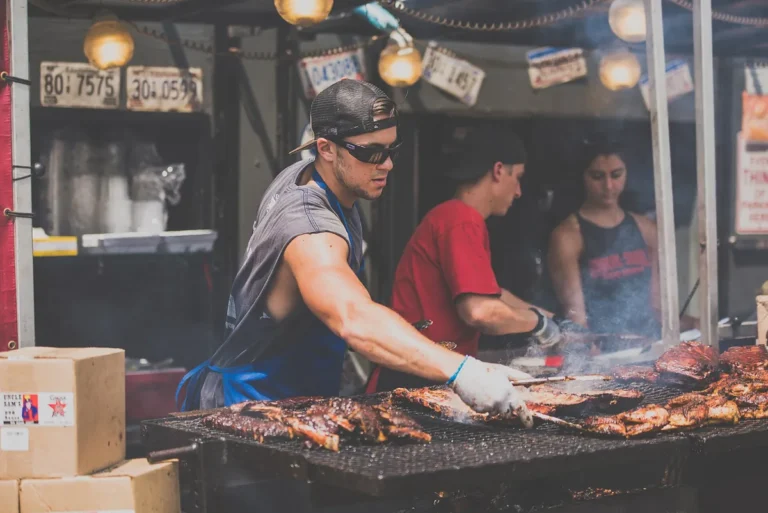
Fair food here is classic and unpretentious: funnel cakes, corn dogs, burgers and fries, snow cones, cotton candy, and the lemonade stands that do brisk business when the afternoon temperature climbs. Community groups often run their own stands, and those are the ones I look for first — the booth with a handwritten sign usually has the better brisket, the better pie, or both.
My routine is simple. Eat something fried early, before the evening rush, then come back after the livestock shows let out when lines shorten. If you are the type who plans meals, treat the fair as grazing rather than dining and you will be happier.
Grandstand Nights and Small-Town Entertainment
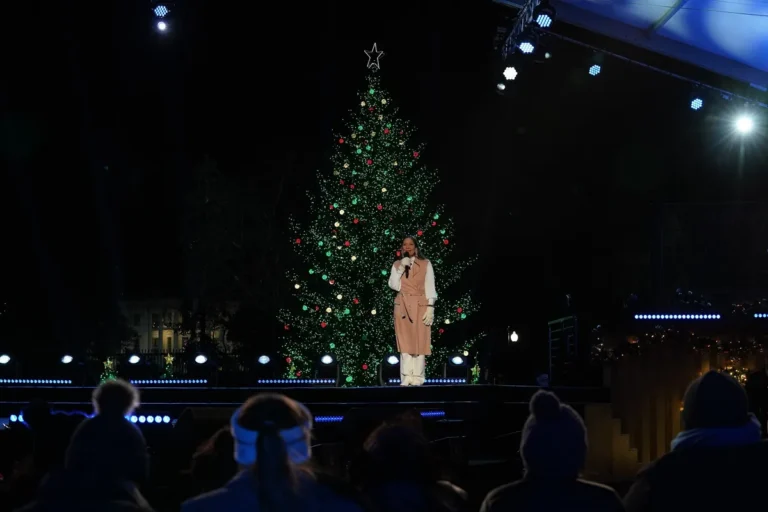
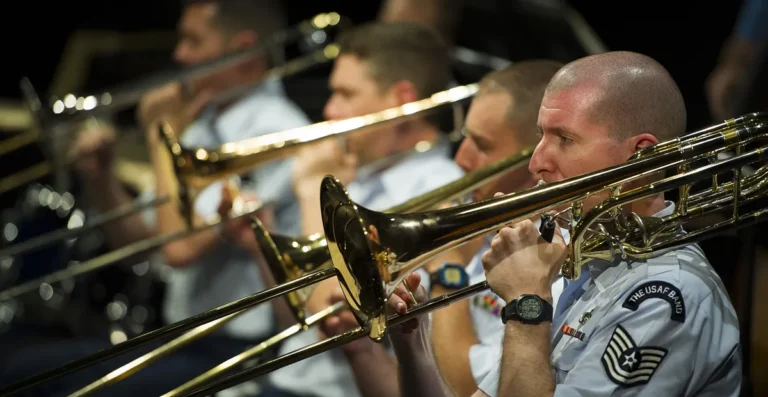
Evenings are when the fair shifts gears. Grandstand programming usually includes some mix of live music, motorized events and family entertainment, with the midway lights on and the crowd at its fullest. Announcements echo across the grounds, and half the audience is there as much to visit as to watch.
Arrive early if you want a seat rather than a standing spot on the rail. And do not skip the small stuff: the exhibit hall results posted on a wall, the ribbon winners, the kids running between barns. That is the actual entertainment in a county this size.
Family Activities From the Rabbit Barn to the Rides
Families do well here. Rides and games anchor the midway, but the barns are the sleeper hit with young kids — rabbits, poultry, goats and calves within arm’s reach, and exhibitors who generally enjoy explaining what they brought. Exhibit halls give you air conditioning, shade and something to look at when everyone needs a break.
Stroller-friendly? Mostly, though gravel and dirt between buildings make a rugged stroller a better choice than a lightweight one. Bring water bottles, sunscreen and a hat; there is very little natural shade on a high plains fairground.
Planning a Cheyenne County Fair Trip: Drive, Bed and Budget
Getting to Cheyenne County From Any Direction
Cheyenne County sits in Kansas’s far northwest corner, on the Colorado line, where the high plains flatten out and the horizon does most of the scenery work. Most visitors arrive by car, and the last stretch of any route is two-lane highway with long gaps between towns. Fuel up before you get close — that is the single most useful piece of advice I can give a first-timer.
Cell service can be spotty in stretches of the county. Download your directions before you leave, and treat the drive as part of the trip rather than an obstacle.
Where to Stay Near the Fairgrounds
Lodging in a county of 2,616 people is limited, and fair week is the busiest few days of the year. Options generally come down to a small local motel, a camper or RV spot, or a bed in a neighboring county and a morning drive in. If you are committed to going, book early — months early, not weeks.
Campers and trailers are common, and many fairgoers simply extend their stay around the grounds. If you plan to dry camp, arrive with full water and a plan for heat.
Parking: Where Returning Visitors Leave the Truck
Parking is typically free and informal — grass, gravel and marked rows near the entrances. The lot fills fastest in the hour before grandstand events. My habit is to park on the outer edge facing out, so leaving after the evening program does not mean idling in a queue.
Admission, Wristbands and What Actually Costs Money
Grounds admission is typically free, which is why the fair feels so easy to dip into. Money changes hands for rides, games, food, and sometimes for specific grandstand events or carnival wristband nights. Bring cash; card readers work in more places than they used to, but small stands and raffle tables still prefer bills.
Late-Summer Weather on the High Plains
Expect heat, sun and wind, with the chance of a fast-moving evening storm. Days can push into the nineties and nights drop into the fifties or sixties, so a light jacket earns its place in the car. Dust is a given. So are spectacular sunsets.
A Returning Visitor’s Sample Cheyenne County Fair Weekend
Evening one. Arrive in the late afternoon, walk the grounds once to reorient, then eat on the midway before the crowd builds. Spend the last hour in the barns while exhibitors are still working — that is when conversations happen. Finish at the grandstand.
Day two. Come early for the livestock shows, when the arena is cool and the bleachers are half empty. Break for lunch, then work through the exhibit halls and check the posted results. Nap. Return for the evening program and stay for the lights on the midway.
Final morning. This is my favorite part and the one most visitors miss. Come back for the last classes, the cleanup, the load-outs and the quiet. Buy something from a stand that is trying to sell out. Then drive out slow, because you will want to look at that horizon one more time.
How the Cheyenne County Fair Compares to Neighboring County Fairs
Northwest Kansas runs on a circuit of county fairs, and if you live in the region you have probably been to more than one. The fair weeks in Goodland in Sherman County, Colby in Thomas County and Oberlin in Decatur County all sit within a comfortable drive and share the same DNA: barns, exhibits, a midway and a grandstand.
What sets the Cheyenne County Fair apart is scale and distance. Goodland and Colby sit on Interstate 70 and pull in travelers who never planned to stop. Cheyenne County is further out, quieter, and more self-contained. That means thinner crowds, shorter lines and a fair that feels genuinely local rather than half-tourist. If you want the biggest show, drive the interstate. If you want the version where people notice you came, come here.
The Returning Visitor’s Cheyenne County Fair Week Checklist
| Checklist item | Why it matters |
| Cash in small bills | Food stands, games and raffles still prefer it |
| Full tank before the county line | Long gaps between fuel stops |
| Downloaded maps | Service can fade on rural stretches |
| Hat, sunscreen, refillable water | Very little shade on the grounds |
| Light jacket for evenings | Night temperatures drop quickly |
| Sturdy shoes, not sandals | Dirt, gravel and livestock areas |
| Booked lodging or camper spot | Fair week is the county’s busiest |
| Flexible schedule | Weather and show times shift |
Beyond the Fairgrounds: Arikaree Breaks and the Rest of Cheyenne County
If you have driven this far, do not turn around the moment the fair ends. Cheyenne County’s signature landscape is the Arikaree Breaks, where the flat tableland suddenly gives way to deep, eroded canyons along the county’s southern edge. It is the kind of scenery that surprises people who assume western Kansas is only flat.
The rest of the county rewards slow driving: grain elevators, windbreaks, pivot irrigation, and small-town main streets with a cafe, a co-op and a museum or two. Ask a local where to eat breakfast — you will get a straight answer and a better meal than any chain.
Night skies here are genuinely dark. Step away from the midway lights, let your eyes adjust, and you will see why people who grew up out here miss the stars when they leave.
Why Fair Week Still Holds Cheyenne County’s 2,616 Residents Together
In a county of 1,021 square miles and 2,616 people, institutions that bring everyone into one place are rare. The fair is one of them. It is where the year’s work gets judged, where kids get their first taste of responsibility over an animal, and where neighbors who have not spoken since last summer pick up mid-sentence.
The economics matter too. Fair week puts money into local stands, service clubs and businesses. But the deeper value is continuity. The fair has outlasted depressions, droughts and population swings because the community keeps staffing it. That is not sentimentality; it is the plain arithmetic of a place where volunteer labor is the only labor available.
Where the Cheyenne County Fairgrounds Sit on the High Plains Map
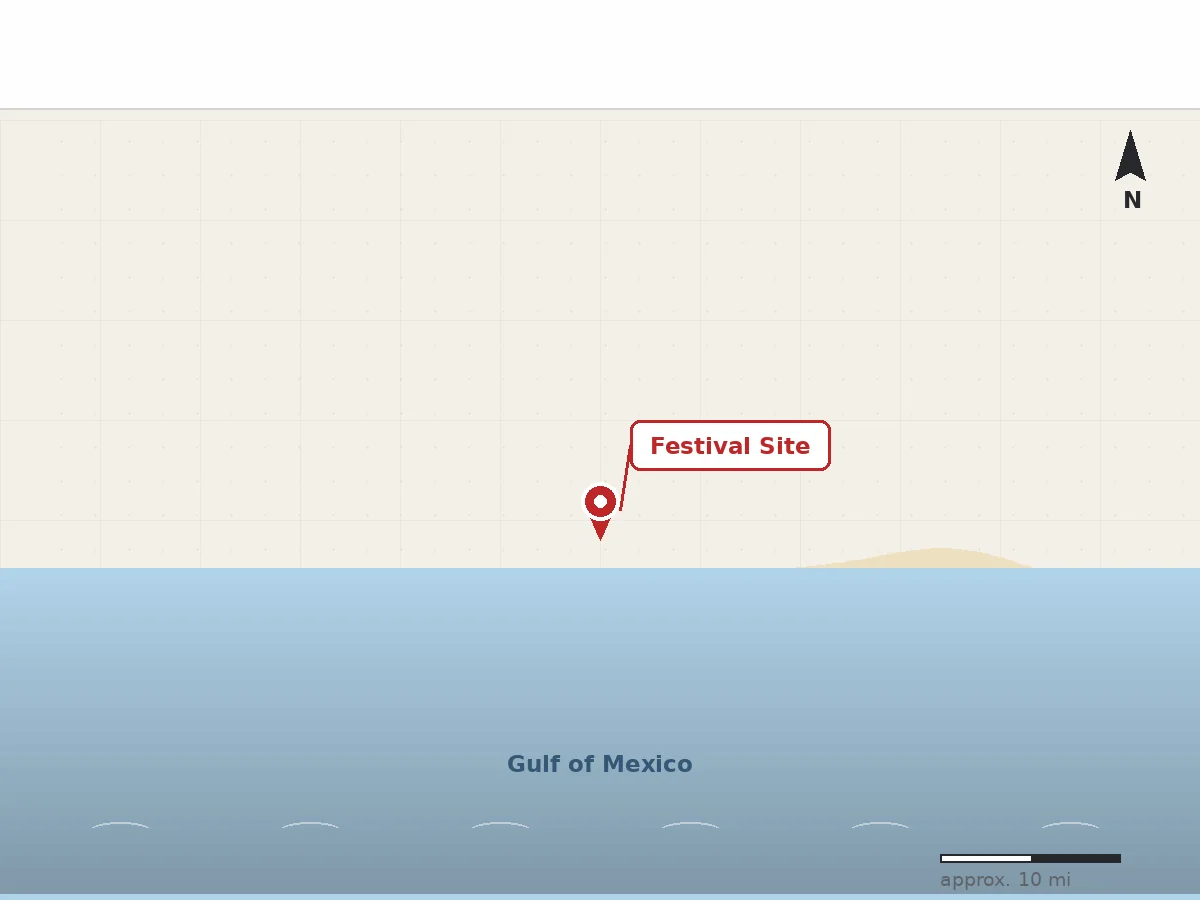
The fair takes place within Cheyenne County in the far northwest corner of Kansas, along the Colorado state line, in the heart of the high plains.
Cheyenne County Fair Questions I Get Asked Every Year
Is the Cheyenne County Fair free to attend?
Grounds admission is typically free, and that has been true for as long as I have been going. Individual things inside the gates — rides, games, food, and some grandstand events or wristband promotions — carry their own charges. Bring cash for the small stuff and you will not be caught short.
When exactly is the fair held?
It falls in late summer, usually a run of days in late July or early August, which is when Kansas county fairs traditionally land. Because the schedule can shift year to year, confirm the current dates with the fair board or a local listing before you build a trip around it.
Can I bring kids and still see the livestock shows?
Yes, and the two combine better than you would expect. Watch from the bleachers rather than the rail, keep little ones out of the alleys when animals are moving, and use the exhibit halls as a cool-down between classes. Barns are usually the highlight for children anyway.
Do I need to live in Cheyenne County to enter exhibits?
Open-class categories typically welcome entrants beyond 4-H membership, but eligibility rules vary by department and change over time. If you are thinking about entering baking, photography or produce, ask the fair board well ahead of the entry deadline rather than showing up with a pie.
What the Next Few Cheyenne County Fair Weeks Might Look Like
The fair’s future looks a lot like its present: a volunteer-run event in a county of 2,616 people, leaning on the same families and the same habit of showing up. The pressures are familiar — an aging volunteer base, rising costs, and young people who move away for work. The opportunities are just as familiar: new exhibit categories, stronger promotion to travelers passing through northwest Kansas, and a growing appetite for authentic small-town experiences.
If you have never been, go before it becomes a thing people talk about having missed. If you have been, you already know the best seat in the grandstand.
Last updated: October 2026
The Cheyenne County Fair is not trying to be anything other than what it is: a few late-summer days on the high plains when a spread-out county gathers in one place to show animals, eat fried food, and remember that it is a community. Go once and you will understand the appeal. Go twice and you will start planning your summer around it.
One Comment