Cherokee County Kansas Cherokee County Fair Festival
The Cherokee County Fair is the kind of gathering where the parking-lot conversation runs as long as the schedule. In a county of 19,362 people spread across 591 square miles of southeast Kansas, fair week is one of the few times when Columbus, Baxter Springs, Galena, Scammon, Weir and the rural townships around them all land in the same place at the same time.
Ask people why they come and you rarely get a single answer. “You see everybody you haven’t seen since last August,” one longtime Columbus resident said, and that sentence does most of the work of explaining the fair. The rest is livestock, pie, tractors and a great deal of standing around talking.
Cherokee County Fair Basics, From County Seat to Gate
A quick orientation before the details, so you know what you are driving toward.
| Town / place | The Cherokee County area, Kansas |
| County | Cherokee County, Kansas |
| County seat | Columbus |
| Population | 19,362 (2020 census) |
| Region | Southeast Kansas, bordering Missouri and Oklahoma |
| Typical timing | Late summer, most years in late July or August |
| Admission | Generally free at the gate; spending happens at concessions and auctions |
| Setting | Rural fairgrounds with exhibit halls, show rings and open-air seating |
| Features | Livestock shows, 4-H exhibits, home arts, antique machinery, community meals |
| Organizer | Local volunteer fair board with area 4-H clubs and community groups |
Those basics hold in most years, but days and hours shift from season to season, so it is worth checking local listings before you load the truck.
What the Cherokee County Fair Is, in the Words of People Who Go
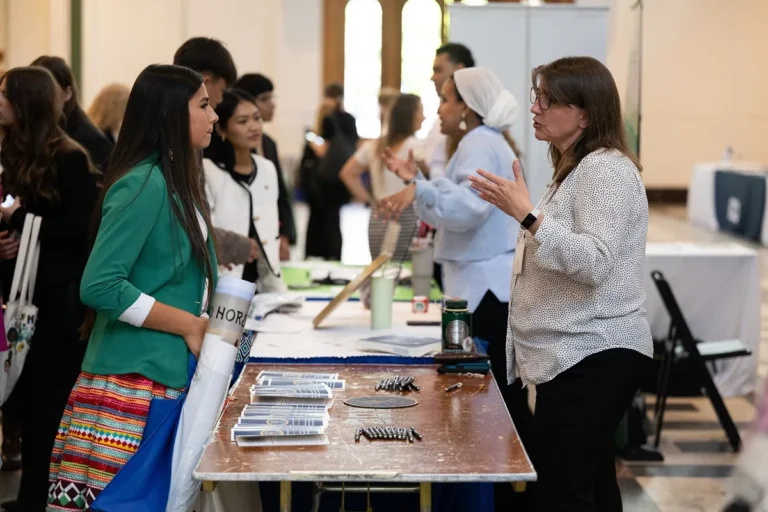
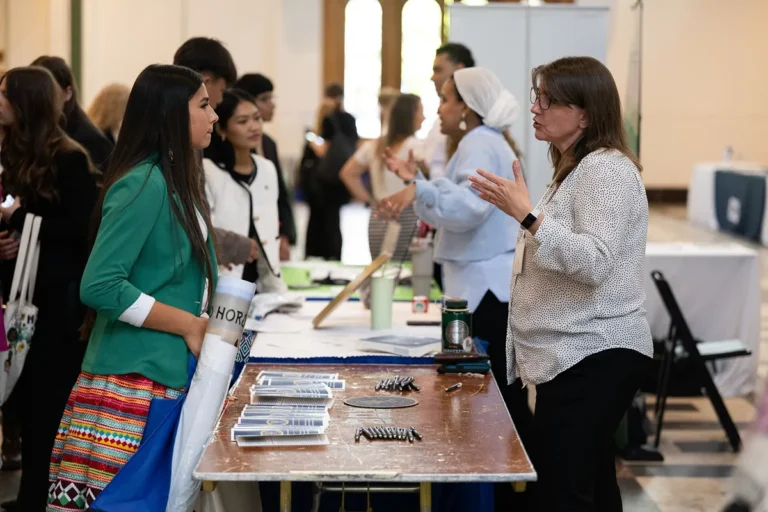
Strip away the tents and the ribbons and the fair is a county-wide reunion with livestock attached. Families who farm outside Scammon see neighbors from Baxter Springs. Grandparents who moved to Joplin drive back for the week. Teenagers who spent all spring haltering a steer finally get to find out whether any of it worked.
For another look at how a community turns its own traditions into a gathering, see the Chautauqua County Kansas 4-H Fair Festival for a useful comparison.
The habits are remarkably consistent. “We come the first night to walk it, then we come back when the kids show,” a Galena-area 4-H mother said. A Weir family described their routine as pie first, exhibits second, grandstand third, and they were only half joking. Older residents tend to arrive early, claim a chair near the show ring and stay until the lights go down.
For visitors from outside the county, that is the useful thing to understand: this is not a spectator event with a fence around it. It is a working fair where the people in the stands are usually related to the people in the ring, and nobody minds if you pull up a chair and join in.
From an 1860 County to a Late-Summer Fair Tradition
Cherokee County was founded on February 18, 1860, with Columbus named as its seat, in the far southeast corner of Kansas where the state meets Missouri and Oklahoma. The county’s 591 square miles took in prairie farms, river bottom and, before long, some of the most productive coal fields in the region.
That mix shaped the fair. The coal camps around Scammon, Weir and West Mineral drew families from a dozen countries, and they brought with them garden plots, livestock, baking traditions and a habit of gathering in the evenings. Farm families in the western townships brought the other half: purebred cattle, grain, machinery and the competitive streak that shows up in every open class at every county fair in Kansas.
Generations later, the pattern still holds. The fair has been a fixture of county life for so long that most residents cannot remember a summer without it, and the fairgrounds themselves have served as a neutral ground where town and country meet over a plate of pie. The names on the exhibit tags change; the categories do not.
Inside Fair Week: What Cherokee County Families Actually Do
The schedule varies by year, but the rhythm of a fair week in southeast Kansas is fairly predictable. Here is how the days tend to fill.
Fair Food, Church Stands, and the Pie Table
Food is the reason a surprising number of people come. Local churches and civic groups run the concession stands, which means the menu is short, cheap and reliable: burgers, hot dogs, chili, homemade pies, cinnamon rolls and iced tea by the gallon. The pie table is often the first thing to sell out on a busy evening, and regulars know to buy slices early.
Grandstand Nights, Local Talent, and Small-Town Entertainment
Evenings bring people to the grandstand for the events that anchor fair week, which in most years include a mix of livestock sales, contests and live music from area performers. Talent from Columbus, Baxter Springs and the surrounding towns carries the bill. Bring a blanket for the grass and a jacket for after dark, because the temperature drops faster than anyone expects.
Family Activities, 4-H Exhibits, and the Show Ring
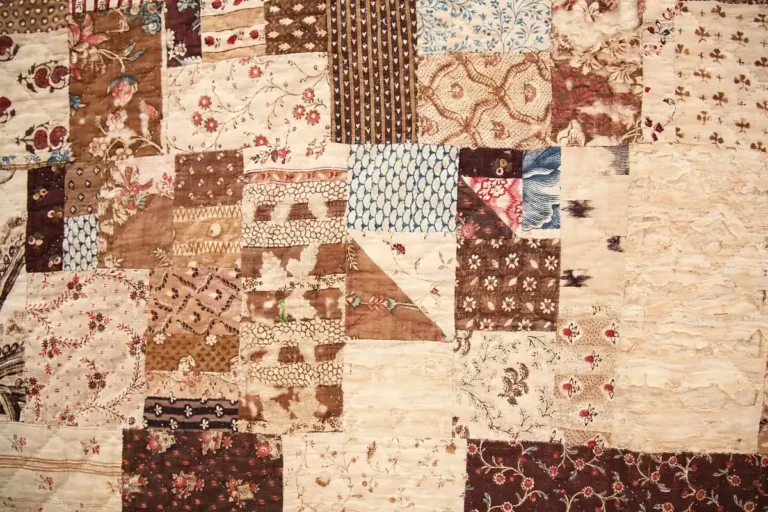
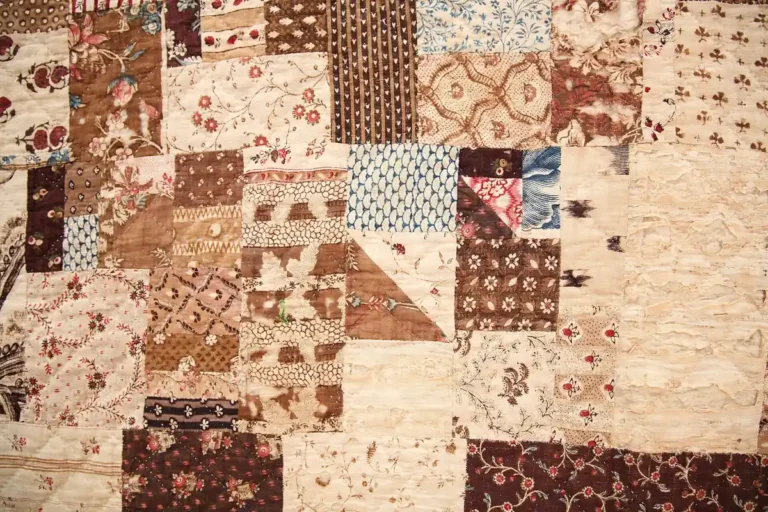
During the day the fairgrounds belong to exhibitors. The barns fill with beef cattle, dairy, swine, sheep, goats and poultry, while the exhibit hall holds photography, canned goods, quilts, vegetables, flowers and school art. Small children can usually find a few organized activities, and the antique machinery display is a reliable place to lose a grandfather for an hour.
Planning a Fair Week Trip Around Columbus and Cherokee County
Almost everything you need to plan is contained in a few practical questions.
Getting There From Joplin, Pittsburg, or Tulsa
Cherokee County sits at the junction of US-69, US-400 and US-166, with the historic Route 66 corridor running through Baxter Springs and Galena. Joplin is a short drive south, Pittsburg is a short drive north, and Tulsa is a longer haul southwest. Most visitors arrive by car, and rural roads around the fairgrounds narrow quickly after dark.
Where to Stay Near the Fairgrounds
Lodging in the county is limited, and most of it clusters around the larger towns. Many families stay with relatives, which is part of the fair’s culture, while out-of-county visitors often base themselves in Joplin or Pittsburg and drive in for the evening. Book early during fair week, because rooms in the area fill.
Parking on a Gravel Lot: What to Know
Parking is typically on grass or gravel around the grounds, free in most years, and handled by volunteers with flashlights. Arrive before the evening program if you want a spot near the gate. After a summer storm, low-lying areas can get soft, so park where others are already parked rather than inventing your own space.
Admission, Cash, and Where the Money Goes
Gate admission is generally free, and the money that changes hands goes to concessions, raffles, auction bids and exhibit entries. Bring cash in small bills; card readers can be unreliable in a field. If you buy nothing else, buy something from a church stand, because that is the loop that keeps the week funded.
Late-Summer Heat, Storms, and What to Wear
Late July and August in southeast Kansas mean heat indexes in the nineties and the occasional evening thunderstorm. Wear light clothing, closed-toe shoes for the barns and a hat. Keep water with you, watch the western sky after lunch, and treat any lightning as a signal to move to the car.
A Sample Fair Weekend in Cherokee County, Hour by Hour
Friday afternoon and evening. Arrive mid-afternoon, while the barns are still being bedded and the exhibit hall is cool. Walk the aisles once to see what is entered, buy a slice of pie before it disappears, then settle near the show ring for the evening classes. Stay for the grandstand program and the walk back to the car in the dark.
Saturday. Come early, because Saturday is the busiest day. Livestock shows run through the morning, the exhibit hall gets crowded by noon, and the concession lines stretch by early evening. Use the middle of the day for the antique machinery, the kids’ activities and a slow loop past the poultry and rabbit cages.
Sunday. The final day is quieter and, for many residents, the best one. Auction and wrap-up events close out the week, exhibitors start packing, and the mood turns reflective. If you only have one day, Sunday gives you room to talk to people.
How the Cherokee County Fair Compares With Neighboring Fairs
Southeast Kansas has a dense fair calendar, and Cherokee County’s neighbors run their own weeks. The Crawford County Fair in Girard is larger and draws on a bigger population base. The Labette County Fair in Altamont has a similar agricultural character with its own loyal following. Both are worth a drive if you enjoy comparing show rings.
What distinguishes Cherokee County is the mix of influences. This is a coal-country fair as much as a farm fair, set in towns tied to Route 66 and the Oklahoma and Missouri lines. The result is a week that feels smaller, more local and easier to walk than some of its neighbors, with a free gate that keeps the crowd broad.
Cherokee County Fair Checklist: What to Load in the Truck
| Water bottles | Refill stations are limited and afternoons get hot |
| Cash in small bills | Concessions, raffles and auction bids |
| Lawn chairs | Seating near the show ring fills fast |
| Sunscreen and hats | Shade on the grounds is scarce at midday |
| Closed-toe shoes | Barns, gravel and mud after rain |
| Bug spray | Evenings near livestock and grass |
| A light jacket | Temperatures drop after sunset |
| A tote bag | For ribbons, baked goods and exhibit purchases |
Beyond the Fairgrounds: Big Brutus, Route 66, and the Rest of the County
Give yourself an extra half day. West Mineral is home to Big Brutus, the colossal electric shovel that has become the county’s most recognizable landmark and a genuine piece of mining history. In Galena, Schermerhorn Park offers trails and a cave, and Baxter Springs holds a stretch of original Route 66 complete with a classic main street.
Columbus, the county seat, is a sensible base for a walkable downtown and a look at the courthouse square. Taken together, these stops turn a fair visit into a small tour of a county that has been reinventing itself since 1860.
Why a Free County Fair Still Matters in a 19,362-Person County
In a county this size, institutions that bring people together are not decorative. They are infrastructure. The fair is where a 4-H member learns to speak to an adult judge, where a church raises a year’s worth of funding in five nights, and where a family new to the area can meet forty neighbors without knocking on a single door.
It also preserves skills that do not survive on their own: canning, halter-breaking, welding, baking, judging livestock. Keeping the gate free matters, because it means the fair belongs to everyone in the county, not just those who can afford a ticket.
Where the Cherokee County Fair Sits on the Southeast Kansas Map
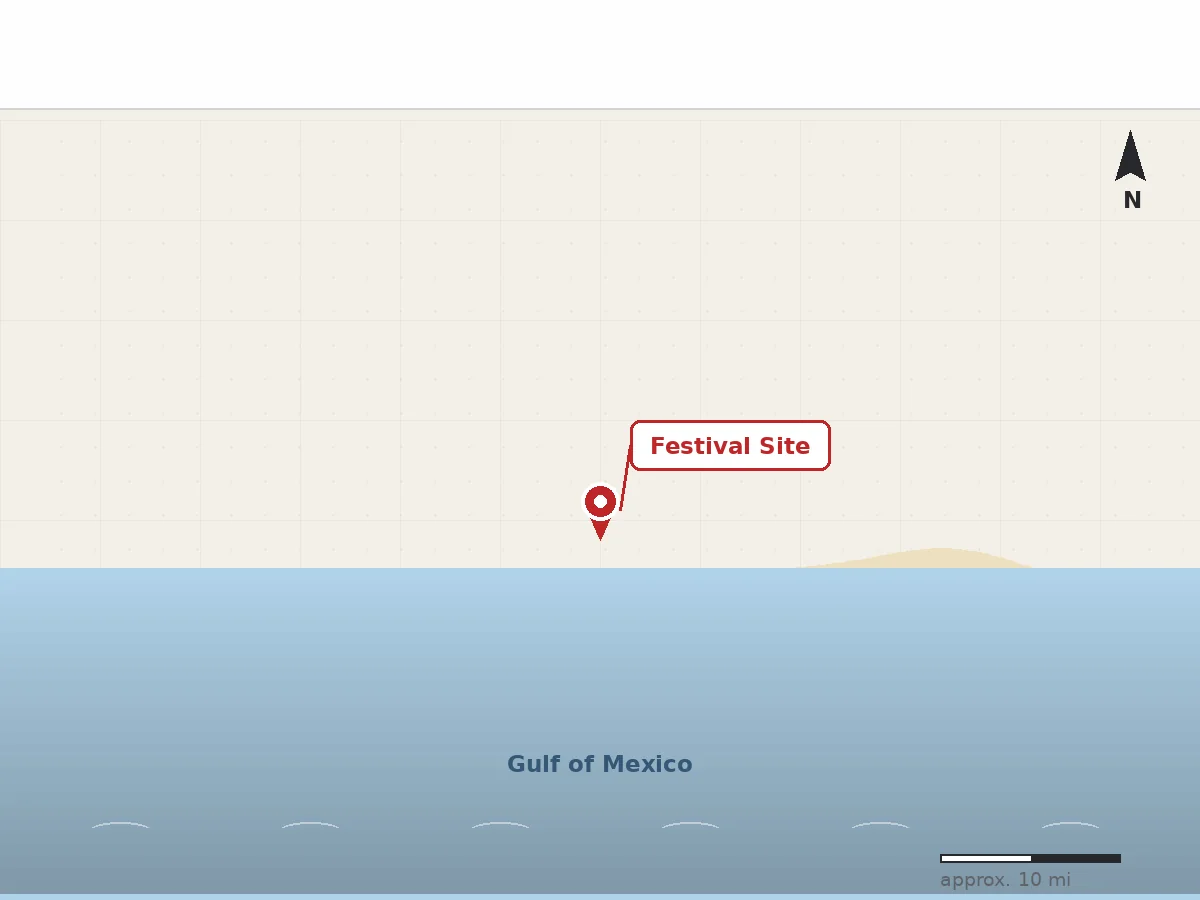
The fair takes place on fairgrounds in the Cherokee County area of southeast Kansas, within easy reach of Columbus and the surrounding communities along the US-69 and Route 66 corridors.
Cherokee County Fair Questions, Answered by Locals
Is the Cherokee County Fair free to attend?
In most years, yes. Gate admission is generally free, and the fair is supported through concession sales, raffles, livestock auctions and entry fees. Bring cash anyway, because the food stands and auction rings are where the week actually gets paid for.
What time of year does it happen?
The fair is a late-summer event, held in most years during late July or August, timed to fit around the growing season and the start of the school year. Exact days shift annually, so confirm the week locally before making plans.
Can families from outside the county enter exhibits or livestock?
Open classes at Kansas county fairs commonly welcome entrants from beyond the county line, while 4-H and youth divisions follow their own eligibility rules. If you are considering entering something, contact the fair board or your local extension office well before entry deadlines close.
What happens if it storms during fair week?
Summer storms are part of the deal in southeast Kansas. Outdoor events pause when lightning is nearby, barns and exhibit halls become the shelter of choice, and schedules compress or shift. Locals simply wait it out and come back, which is usually the right call for visitors too.
Looking Ahead: The Next Seasons of the Cherokee County Fair
The fair’s future looks a lot like its present, which is probably the point. Volunteer boards in small counties are always recruiting, exhibit numbers rise and fall with the size of each 4-H club, and every few years someone talks about adding a new event or a better shade structure.
What does not change is the calendar anchor. As long as Cherokee County has families raising animals, baking pies and entering photographs, there will be a week in late summer when the whole county shows up in the same field.
Last updated: October 2026
If you go, go with an appetite and a lawn chair, plan on staying longer than you intended, and let a local point you toward the pie before it sells out. The Cherokee County Fair is not a spectacle you watch from a distance. It is a week you join.