Hawaii County Hawaii Merrie Monarch Festival
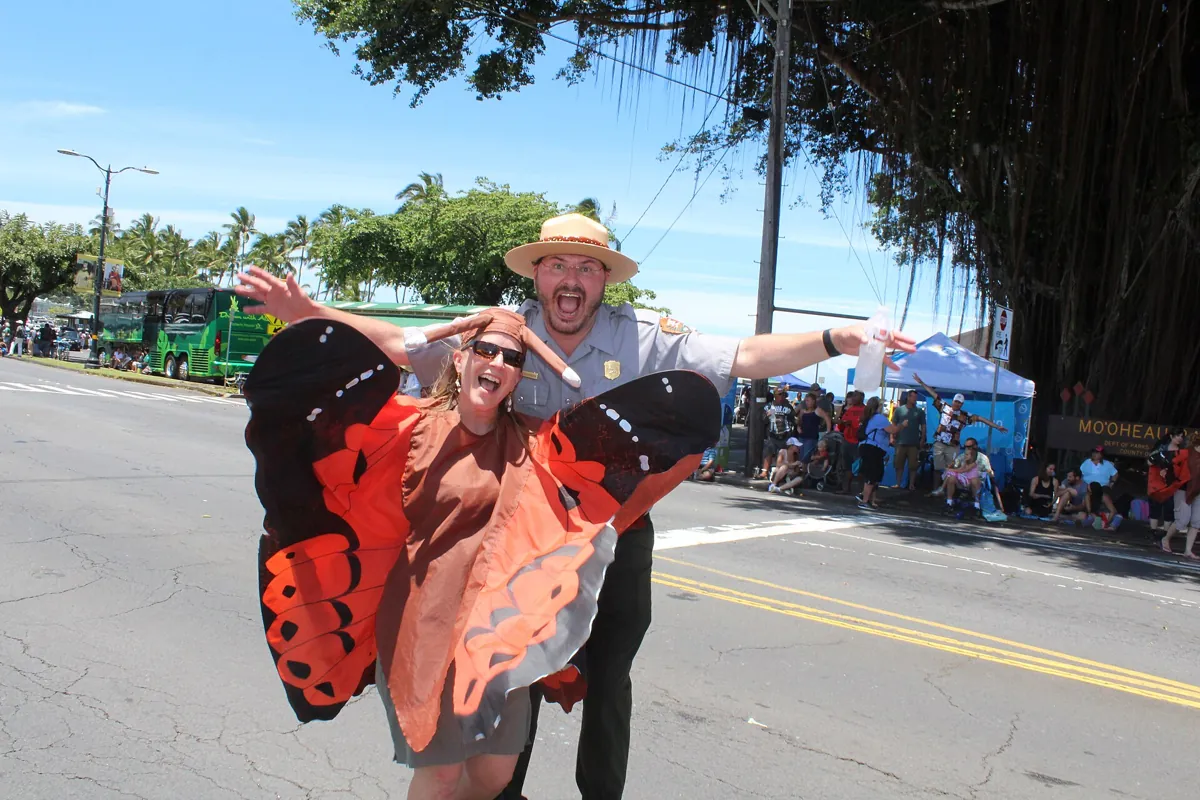
Spring in Hilo has a texture all its own. Rain moves through the bayfront in soft, deliberate bands, the hills above town stay impossibly green, and plumeria and maile scent the air near the farmers market long before the sun clears the pali. Then, for one week, that ordinary rhythm tightens into something else. The Merrie Monarch Festival turns this east-side Hawaii County town into the hula capital of the islands, drawing dancers, kumu hula, musicians, lei makers, and spectators into a celebration that feels less like an event and more like a season.
Hilo is the county seat of Hawaii County, a place of roughly 200,629 residents spread across a vast and varied island. The festival sits squarely in that setting — a rainforest town with an old sugar-plantation soul, a working harbor, and a cultural gravity that surprises first-time visitors who expect Hawaiʻi to look like a resort. It doesn’t, not here. What you get instead is a community that has spent generations refining a tradition and then opening the door to anyone willing to watch, listen, and learn.
This is a season-and-setting piece, so think of it that way: not a single night out, but a stretch of days that reshapes how the town eats, drives, parks, and talks. Read on for what the week actually involves, how to plan around Hilo’s weather, and where the festival fits into a much older story about Hawaiian performance.
Merrie Monarch Basics for First-Time Hilo Visitors
Before you book anything, get the shape of the event straight. Merrie Monarch is anchored by a competitive hula festival, but the week around it includes a parade, a large craft fair, and a steady hum of related cultural programming across Hilo.
| Town / area | Hilo and the surrounding Hawaii County area |
| County | Hawaii County, Hawaii |
| County seat | Hilo |
| County population | 200,629 |
| Region | East side of Hawaiʻi Island, windward and rainforest-fed |
| Typical timing | Each spring, traditionally in the weeks following Easter |
| Admission | Ticketed for the main competition nights; parade, craft fair, and many public events are free |
| Setting | A bayfront town backed by green hills, with a large indoor auditorium as the main venue |
| Signature features | Hula competition in both kahiko and ʻauana styles, a grand parade, a multi-day craft fair, live Hawaiian music |
| Organizer | Locally organized in Hilo by festival organizers and community volunteers |
What the Merrie Monarch Festival Actually Is
At its core, Merrie Monarch is a hula competition. Halau — schools of hula — travel to Hilo with their kumu hula and perform on a stage that carries enormous weight in the Hawaiian cultural world. Dancers compete in kahiko, the older, chanted, percussive form, and in ʻauana, the more modern style accompanied by singing and stringed instruments. Judges score precision, expression, costume, and the deep stylistic knowledge that separates a good performance from a memorable one.
But the competition is only the spine of the week. Around it grows a whole ecosystem: a craft fair where artisans sell woven lauhala, carved wood, featherwork, and jewelry; a parade that moves through Hilo’s streets with paʻu riders on horseback; workshops and demonstrations; and evening concerts featuring Hawaiian music. Miss Aloha Hula, a solo competition for individual dancers, is its own draw, and for many longtime attendees it is the emotional center of the festival.
The name honors King David Kalākaua, the nineteenth-century monarch remembered as the Merrie Monarch — a ruler associated with a revival of hula and other Hawaiian arts at a time when they were under pressure. That association gives the festival its purpose. It is a competition, yes, but it is also an act of continuation: a week when knowledge is passed forward in public, in front of thousands.
From Kalākaua’s Legacy to a Hilo Spring Tradition
The festival’s roots reach back to Kalākaua’s reign, when hula and other Hawaiian practices were actively supported by the crown. His birthday became a local occasion for celebration in Hilo, and over time that observance grew into something larger and more organized. Community members shaped it into a festival with a name, a purpose, and eventually a competition attached.
A short timeline helps make sense of how it developed:
The royal era. Kalākaua’s patronage of hula and Hawaiian arts creates the cultural foundation that later organizers would draw on.
The community years. Hilo residents build an annual celebration around the king’s memory, blending civic pride with Hawaiian performance.
The competitive turn. Hula competition becomes the centerpiece, and halau begin traveling to Hilo specifically to take part.
The modern era. The festival expands into a multi-day affair with a craft fair, parade, and a national and international audience, while remaining rooted in Hilo and in Hawaiian community life.
What has stayed constant through all of it is the location. Merrie Monarch is not a touring festival. It happens in Hilo, in the same town, in the same general season, and that fixedness is part of its identity. Generations of local families have grown up with the week marked on the calendar.
Days of Hula, Craft Fairs, and Wet Hilo Air
Expect a week that runs long and full. Competition nights can stretch past midnight, craft fair mornings start early, and the parade takes over the streets for a few hours of the day. Pacing yourself matters more than trying to see everything.
Food Around the Merrie Monarch Week
Hilo eats well, and festival week pushes local kitchens into overdrive. Plate lunch spots serve teriyaki chicken, kalua pork, and loco moco to crowds heading to and from the auditorium. Farmers market stalls carry fresh fruit, banana bread, and smoked meat. Pop-up food booths near the craft fair and parade route sell malasadas, shave ice, and grilled skewers. Locals will tell you to try the poke — Hilo’s proximity to the harbor makes it a point of pride. Reservations at sit-down restaurants during the week are worth making well ahead, because the town fills up.
Hawaiian Music and Entertainment Beyond the Stage
Music is not background here; it is half the experience. Competition performances include live accompaniment, from ipu and pahu drumming to slack key guitar and falsetto singing. Outside the venue, bars, cafés, and hotel lounges host live Hawaiian music through the week, and the craft fair often features informal performances. If you have never heard a large halau chant in unison in a room that has gone completely silent, that moment tends to be the one people remember afterward.
Family-Friendly Ways to Join the Week
The parade is the easiest entry point for families — free, outdoors, and full of color, with horses, marching groups, and floats. The craft fair welcomes browsers and children, and many of the workshops and demonstrations around town are open to all ages. Families should note that competition nights run late, so an early-evening slot or a matinee-style event may suit younger kids better. Bring rain jackets for anything outdoors; Hilo’s showers arrive without much warning and leave just as quickly.
Planning Your Trip to Hilo for Festival Season
Getting to Hilo and Around the County
Most visitors fly into Hilo directly, though some arrive on the Kona side and drive across the island — a scenic trip of a few hours that crosses the saddle between the volcanoes. Once in town, a rental car is convenient but not essential during festival week, since the main venues cluster relatively close together. Ride shares and local taxis exist but get busy on competition nights, so plan your return trip before the performance ends.
Where to Stay in Hilo During Merrie Monarch
Book early — months early. Hilo’s hotel and vacation rental inventory is modest relative to the number of people who arrive for the festival. Options include bayfront hotels, small inns, and short-term rentals in residential neighborhoods. If Hilo is full, look at nearby communities along the Hāmākua Coast or upslope toward Volcano, both of which are within a reasonable drive.
Parking Realities in a Small Bayfront Town
Parking is the single most predictable headache of festival week. Downtown and bayfront street parking fills quickly, and lots near the main venue are contested on competition nights. Arrive early, expect to walk, and be respectful of neighborhood driveways and posted restrictions. Some attendees park farther out and walk in, which is often faster than circling.
Admission and What Things Cost
The headline competition nights are ticketed, and demand far exceeds supply — tickets typically sell out well in advance, so treat them as the first thing you secure. The parade and craft fair are generally free to attend, and many cultural demonstrations around town carry no charge. Budget for food, parking, and craft fair purchases, which add up faster than expected when the vendors are this good.
Hilo Weather and What to Wear
Spring in Hilo means warm, humid days and frequent rain. Daytime temperatures sit in the comfortable range, evenings are mild, and showers can appear at any hour. Pack light layers, a compact rain jacket, and comfortable shoes that can handle wet pavement. For competition nights, people dress up — aloha attire is standard and appreciated — but comfort still matters when you are sitting through a long program.
A Sample Merrie Monarch Weekend, Start to Finish
Friday. Arrive, settle in, and walk the bayfront to get your bearings. Spend the afternoon at the craft fair, where you can meet artisans and pick up a lei. Eat an early dinner downtown, then head to the competition for an evening of kahiko performances.
Saturday. Sleep in a little, then catch a farmers market breakfast. Find a spot along the parade route and watch the paʻu riders pass. Afternoon is for workshops, a museum visit, or a short drive to a nearby waterfall. In the evening, return to the auditorium for ʻauana and group competition, and stay to the end if you can — the final announcements carry real weight.
Sunday. Slow down. Visit a coffee farm or take a drive along the coast, then have a long lunch before flying out. If your schedule allows an extra day, use it for the volcano area rather than squeezing it into an already packed weekend.
How Merrie Monarch Compares with Other Island Happenings
Set against other Hawaiʻi Island towns and celebrations, Merrie Monarch stands apart in scale and seriousness. Kailua-Kona, on the dry west side, hosts its own cultural and food-oriented events through the year, but they tend to be resort-adjacent and spread out rather than concentrated in a single intense week.
Waimea, upcountry, leans into paniolo — Hawaiian cowboy — heritage, with a cooler climate and a ranching character that feels nothing like Hilo’s rainforest setting. Volcano, near the national park, draws visitors for geology and hiking rather than performance. What makes Merrie Monarch distinct is that it is genuinely competitive and genuinely local at the same time: an event with national attention that still belongs to the town that hosts it.
Your Merrie Monarch Prep Checklist
Secure competition tickets before booking flights. Reserve lodging early, with a backup town in mind. Rent a car if you plan to explore beyond Hilo. Pack a rain jacket, layers, and comfortable shoes. Bring cash for craft fair vendors and food booths. Charge your phone and bring a portable battery for long nights. Plan your parking and return ride in advance. Arrive at venues early. Keep your voice down during performances and follow photography rules. Drink water, eat regularly, and pace yourself across the week.
Beyond the Auditorium: Hilo and the Hāmākua Coast
Give yourself time outside the festival. Hilo itself rewards wandering: the farmers market, the bayfront parks, small museums, and old storefronts that hint at the town’s plantation and harbor history. North along the Hāmākua Coast, the road winds past waterfalls, botanical gardens, and dramatic ocean lookouts. Inland and upslope, coffee farms and macadamia orchards offer tours and tastings.
Farther afield, Hawaiʻi Volcanoes National Park is a major draw and pairs well with a festival trip — though it deserves its own day, not an afternoon squeezed between performances. If you have time, a loop that takes in the coast, the volcano, and a couple of small towns will show you a side of Hawaii County that resort areas never reveal.
What Merrie Monarch Means to Hawaii County
For Hilo, the festival is both an economic engine and a point of identity. Hotels, restaurants, and shops depend on the spring surge, but the deeper value is cultural. Hula is not a performance genre imported for tourists here; it is a living practice with lineage, protocol, and responsibility attached. When halau from across the islands gather in one town, the effect ripples through families and communities far beyond the auditorium walls.
There is also a quieter significance. The festival gives younger dancers a stage with real stakes, gives kumu hula a place to present their work, and gives residents of a county that spans an entire island a shared annual moment. In a place as geographically spread out as Hawaii County, that shared moment matters.
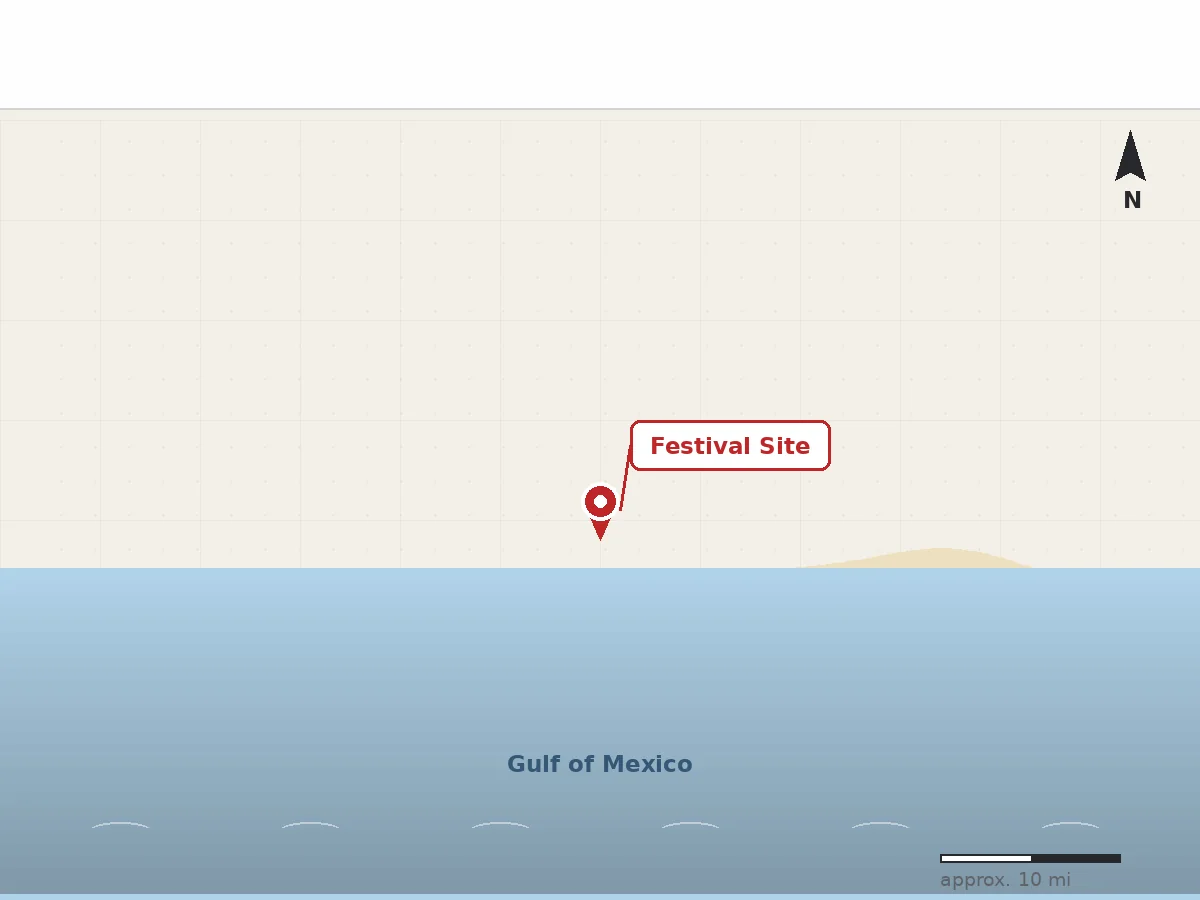
Where Merrie Monarch Week Unfolds in Hilo
The festival centers on Hilo, the county seat of Hawaii County, with competition in a large auditorium venue and parade and craft fair activity concentrated in the town’s bayfront and downtown blocks.
Merrie Monarch Questions Travelers Ask Most
When does the festival usually take place?
It is held each spring, traditionally in the weeks following Easter. Because the timing follows the season rather than a fixed calendar date, check the current year’s schedule before you book travel, and treat the spring window as your planning frame.
Do I need tickets to attend?
The main competition nights are ticketed and typically sell out far in advance. The parade, the craft fair, and many public cultural events are free. If competition tickets are gone, you can still experience a great deal of the week without them.
Is Hilo a good base for the whole trip?
Yes. Staying in Hilo keeps you close to the venues and spares you long drives after late nights. If lodging is unavailable, nearby towns along the coast or upslope toward the volcano area are reasonable alternatives, though you will need a car.
What should I know before my first competition night?
Arrive early, dress in aloha attire, and expect a long program. Silence your phone, follow the announced photography rules, and stay quiet during performances. The atmosphere is warm but formal in its respect for the dancers, and matching that respect is part of the experience.
Looking Ahead to Future Merrie Monarch Seasons
The festival’s future looks steady. Demand for competition tickets continues to outpace supply, and the surrounding craft fair, parade, and workshop programming keep expanding the ways visitors can participate. As Hilo’s hospitality capacity grows slowly, planning further ahead will likely become the norm rather than the exception. For travelers, the practical takeaway is simple: decide early, book early, and build in flexibility for Hilo’s spring weather.
Last updated: October 2026
Merrie Monarch is the rare festival that rewards both careful planning and a willingness to slow down. Buy your tickets, find your room, then let the week unfold at Hilo’s pace — rain showers, long nights, and all. The hula is the reason people come, but the town, the season, and the shared attention of an entire county are the reason they come back.