Hawaii County Hawaii Kona Orchid Festival
The Kealoha family left Hilo while the bay was still a soft gray, three generations folded into one car for the long drive west across Hawaiʻi Island. Grandma rode up front with a thermos and a long memory of every orchid she had ever kept alive, and a few she had not. In the back, two kids argued about whether the windows should stay up or down once the island turned dry and warm, the air suddenly smelling of dust and plumeria instead of rain and ti leaf.
They were headed to the Kona Orchid Festival, a gathering that turns the west side of Hawaii County into a slow parade of blooms for a weekend each spring. For this family it has become a ritual: leave Hilo early, cross the island, spend the day among flowers, and drive home with the windows down and at least one new plant wedged between the suitcases.
Kona Orchid Festival Facts for Hawaii County Travelers
| Town or area | Kona area, West Hawaiʻi Island |
| County | Hawaii County, Hawaii |
| County seat | Hilo |
| County population | 200,629 |
| Region | Kona coast, leeward West Hawaiʻi |
| Typical timing | Spring, most years |
| Admission | Free in most years |
| Setting | Garden-style grounds in the Kona area with shaded display and vendor areas |
| Features | Orchid displays, plant sales, growing advice, lei-making, keiki activities, local food |
| Organizer | Community orchid growers and volunteers from the Kona area |
Those basics matter more than they look. A festival on the leeward side of Hawaiʻi Island asks you to plan around a mountain crossing, a dry climate, and a spring weekend when the rest of the island is also out enjoying the sun.
What the Kona Orchid Festival Is, in Plain Terms
The Kona Orchid Festival is a community flower event built around orchids and the people who grow them. Expect display tables crowded with blooming plants, growers standing beside their entries to answer questions, and vendors selling divisions, seedlings, and potted orchids ready to go home with you. Admission is typically free, which makes it an easy add-on to a Kona day rather than a major ticketed production.
What separates it from a garden show on the mainland is the setting and the company. Many of the growers are neighbors, retirees, nursery owners, and hobbyists who grow in backyards and small shade houses along the coast. Conversations start easily. Someone will explain why a particular cattleya sulks in Hilo’s rain but thrives in Kona’s sun, and someone else will hand your child a keiki orchid and a paper cup of soil.
For the Kealoha family, the festival is less about buying and more about wandering. Grandma found a grower who remembered the same old hybrid she once kept on her lanai, and the two of them stood talking for twenty minutes while the kids circled the lei-making table twice and came back with flower-stained fingers.
How Orchid Growing Took Root Along the Kona Coast
Orchids arrived in Hawaiʻi the way many garden plants did: through traders, plant collectors, and families who carried cuttings and divisions across the ocean. On the Kona coast, the warm, relatively dry leeward climate suited a wide range of orchids, especially the sun-loving varieties that struggle in wetter windward areas. Backyard growing spread quietly for decades before it became something the public gathered around.
The festival grew out of that hobby culture. Growers who were already trading plants and comparing notes needed a place to show what they had raised, and a public event gave them one. Over time, the gathering added sales tables, educational displays, food, music, and activities for children, turning a growers’ meet-up into a weekend that welcomes anyone curious about flowers.
Older growers on the coast describe the early years as informal and small, with plants lined up on folding tables and prizes handed out with more laughter than ceremony. Much of that spirit survives. The scale has grown, but the festival still feels like a neighborhood showing off its garden rather than a corporation selling a brand.
A Family’s Day Inside the Kona Orchid Festival
Arrive in the morning if you can. The light is gentler, the parking is easier, and the blooms look their best before the midday heat settles in. Here is how the day tends to unfold once you are through the gate.
Food and Drink Between the Bloom Displays
Food at the Kona Orchid Festival leans local and unfussy: plate lunches, grilled skewers, musubi, baked goods, shave ice, and cold drinks. Kona coffee usually makes an appearance, sometimes poured by farms from just up the road. Seating can be limited, so many families claim a patch of shade, spread a mat, and eat with orchids in view. Bring cash for smaller vendors, and expect lines to build around lunch.
Music and Island Entertainment on the Grounds
Live entertainment typically runs through the day, with slack key guitar, ukulele, and small hālau performing hula. The lineup changes from year to year, and some sets are deliberately low-key so that conversations at the display tables can continue. Treat the music as background texture rather than a headline concert, and you will enjoy it more.
Keiki Activities and Hands-On Orchid Moments
Children do well here because there is something to touch. Lei-making, potting demonstrations, and craft tables give kids a reason to slow down, and growers are usually happy to let a young visitor smell a flower or hold a potted plant. Strollers work on most paths, though the grounds can be uneven in spots. Shade is available but not everywhere, so hats and water bottles are worth the trouble.
Planning a Kona Orchid Festival Trip From Hilo or the Mainland
Getting There From Either Side of the Island
From Hilo, the drive across Hawaiʻi Island takes a couple of hours depending on route and traffic, and it crosses country that swings from rainforest to dry lava fields in a single trip. Visitors flying in usually land at the Kona airport on the west side and rent a car. Public transit on the island is limited, so most families drive.
Where to Stay for Festival Weekend
Kailua-Kona and the surrounding coast offer resorts, condos, and vacation rentals within a short drive of most festival activity. Spring is a busy season, so booking early helps. Staying in Hilo is cheaper for some travelers but adds a mountain crossing each way; it works best if you are combining the festival with volcano country or the windward side.
Parking and Moving Around the Grounds
Parking fills quickly once the morning crowd arrives. Carpooling, arriving early, and following staff directions all make the day smoother. Expect a short walk from wherever you leave the car, and wear shoes you do not mind getting dusty.
Admission and What You Will Actually Spend
Admission is typically free, so the real spending happens at the plant tables and food stalls. Set a budget before you walk in, because it is genuinely difficult to leave without a new orchid. Cash helps at smaller vendor booths, though many accept cards.
Kona Weather and How to Dress for It
The Kona side is warm, sunny, and dry compared with Hilo, with strong midday sun and a dependable afternoon breeze. Light clothing, a hat, sunglasses, and sunscreen cover most of it. Brief showers can still pass through, so a compact rain layer is never wasted.
A Sample Weekend Itinerary for a Kona Orchid Festival
Friday: drive over from Hilo in the afternoon, check in, and eat an early dinner near the water. Watch the sunset, then sleep somewhere with a fan or air conditioning, because the leeward night stays warm.
Saturday: arrive at the festival in the morning while the grounds are still cool. Spend two or three hours at the displays, buy one plant you have actually thought about, eat lunch on site, and let the kids finish at the craft tables. In the afternoon, visit a coffee farm or a beach, then return to town for dinner.
Sunday: take a slow morning, stop at a farmers market, and drive south along the coast toward the historic sites and snorkel bays. Head back to Hilo in the late afternoon so you are not crossing the island in the dark, with your new orchid secured in a box in the back seat.
How Kona Compares With Other Hawaii County Festival Stops
Hilo, the county seat, hosts large cultural events of its own and offers a rainier, greener experience built around the bay and nearby volcano country. Waimea, upcountry, runs cooler and more pastoral, with paniolo heritage rather than beach weather. Both are worth a day, but neither feels like the dry, sunlit Kona coast.
Closer in spirit is the Kona Coffee Cultural Festival, which celebrates the same region’s agricultural identity during harvest season. If you are choosing between them, pick by season: orchids for spring color and easy browsing, coffee for autumn harvest energy and farm tours.
A Pre-Trip Checklist for Kona Orchid Festival Weekend
| Checklist item | Why it matters |
| Confirm the current year’s dates and hours | Timing shifts slightly from year to year |
| Book lodging early | Spring weekends on the Kona coast fill up |
| Plan the drive and fuel stops | The island crossing is long and remote in places |
| Pack sun protection and water | Leeward sun is strong even under clouds |
| Bring cash for vendors | Smaller booths may not take cards |
| Leave room in the car | Plants and pots need space to ride safely |
| Charge phones and cameras | You will take more photos than expected |
Beyond the Orchid Displays: The Rest of the Kona and Hawaii County Area
The festival sits inside one of the most varied counties in the country, and a flower weekend can easily stretch into a longer trip. South of Kona, Puʻuhonua o Hōnaunau National Historical Park and Kealakekua Bay add history and snorkeling. North along the coast, beaches like Hapuna offer wide sand and calm water.
Inland, coffee farms welcome visitors for tastings and tours. Across the island, Hawaiʻi Volcanoes National Park rewards a full day, and Hilo adds farmers markets, museums, and a walkable waterfront. Families who make the crossing for orchids often find the drive itself becomes the memory.
What the Kona Orchid Festival Means to Hawaii County
For Hawaii County, the festival is a small but meaningful thread in a larger fabric. It supports local growers and nurseries, gives hobbyists a stage, and hands children a reason to care about plants. Because admission is typically free, it stays accessible to residents who might not pay for a ticketed show.
It also spreads visitors into a shoulder season, supporting restaurants, shops, and lodging along the Kona coast. Most of all, it keeps knowledge moving between generations — the grandmother who remembers an old hybrid, the teenager learning to repot a division, the grower who answers the same question patiently for the hundredth time.
Where the Kona Orchid Festival Sits on the Kona Coast
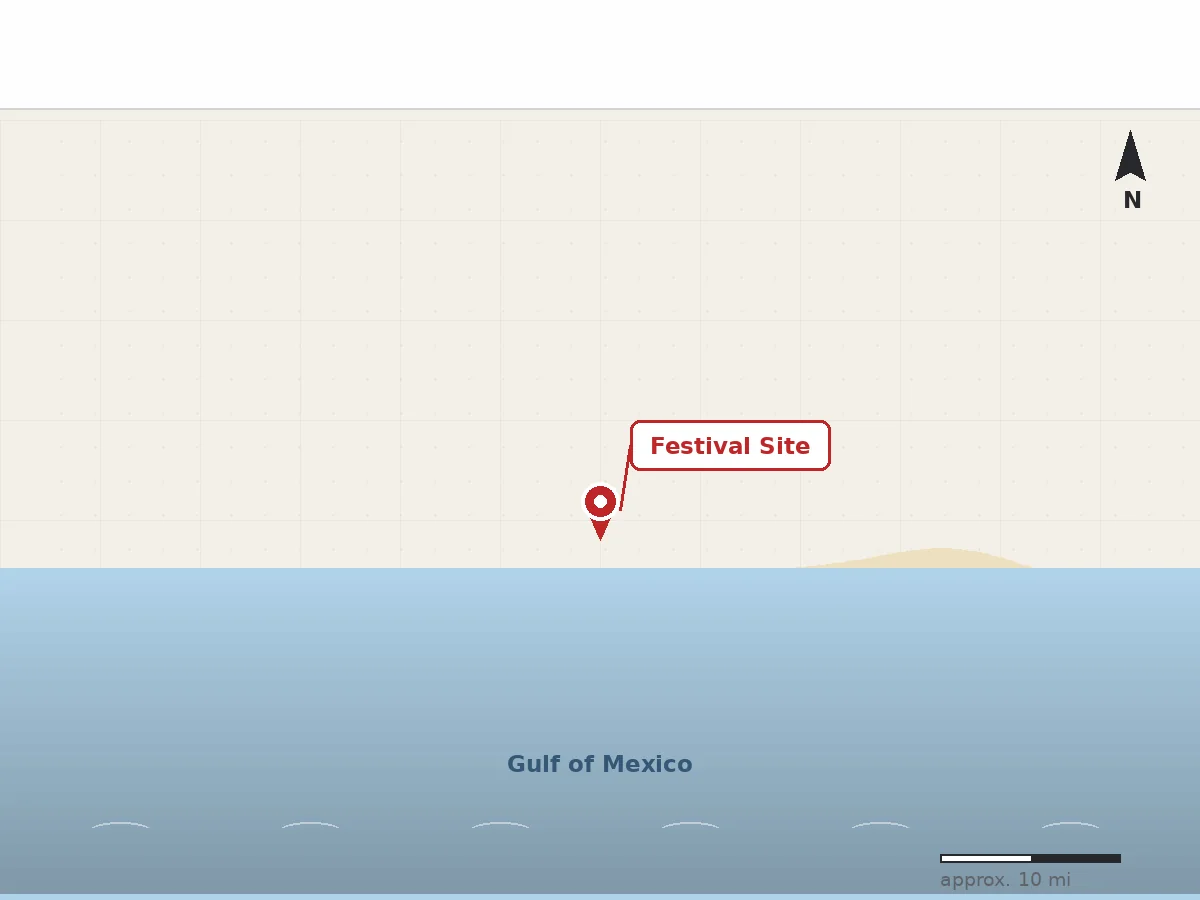
The Kona Orchid Festival takes place in the Kona area on the leeward west side of Hawaiʻi Island, within Hawaii County and roughly a two-hour drive from the county seat in Hilo.
Kona Orchid Festival: Practical Answers Before You Drive Over
Is the Kona Orchid Festival free to attend?
Admission is typically free in most years, though individual vendors charge for plants, food, and crafts. Bring some cash so you are not stuck when a small booth cannot process a card, and treat your plant purchases as the real ticket price.
What is the best time of day to arrive?
Morning is best. Parking is easier, temperatures are lower, and the flowers look freshest before the heat builds. Midday brings the biggest crowds and the strongest sun, so plan shade, water, and a slower pace if you arrive later.
Can I buy orchids and take them home?
Yes. Plant sales are a central part of the event, and growers are usually glad to explain how to care for what you buy. If you are flying, check current agricultural rules before packing plants in luggage, and carry them carefully so leaves and spikes are not crushed.
Is it a good outing for young children and older visitors?
It generally is. The pace is slow, the grounds are walkable, and there are hands-on activities for kids. Shade and seating can be limited, so bring water, hats, and a folding chair if someone in your group needs to rest often.
The Next Chapter for the Kona Orchid Festival
The festival’s future depends on the same things that built it: growers willing to show their work, volunteers willing to organize, and a community that keeps showing up. Younger growers are bringing new varieties and new enthusiasm, while longtime exhibitors carry the institutional memory of how the event began.
Keeping admission free will remain the goal, since that openness is what makes the day feel like a neighborhood gathering rather than a trade show. As long as orchids keep blooming on the Kona coast, there will be a weekend each spring when the tables come out and the doors open wide.
Last updated: October 2026
Drive over early, walk slowly, talk to the people behind the tables, and let one plant come home with you. That is how the Kealoha family has done it for years, and it is how most visitors end up marking the next Kona Orchid Festival on the calendar before they have even left the grounds.