Greene County Iowa Greene County Fair Festival
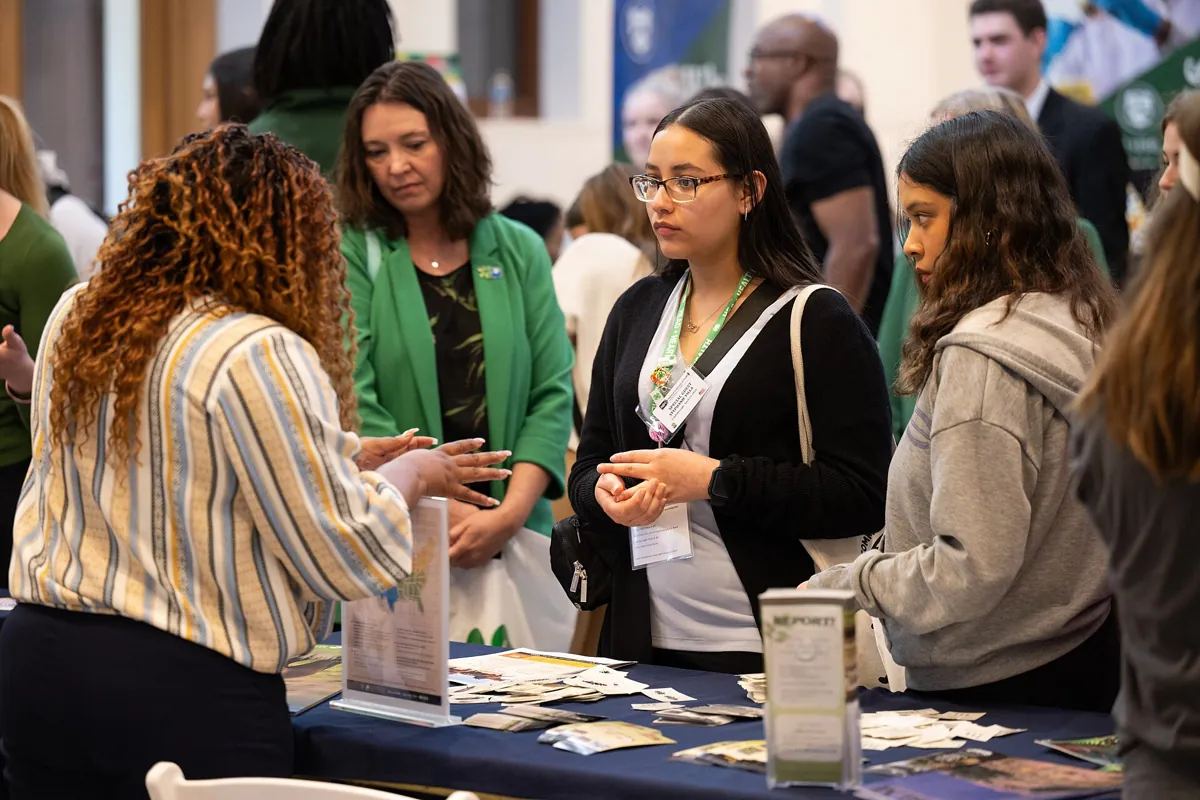
Greene County, Iowa covers 571 square miles of west-central farmland, with Jefferson as its county seat and 8,771 residents counted in the 2020 census. Each summer, that scattered rural population folds into one place for the Greene County Fair — a multi-day run of livestock shows, exhibit halls, carnival rides, grandstand nights, and food stands.
This guide is written for the first-time visitor. It covers what the fair is, how it grew out of a county founded in 1851, what to eat and see, where to park, how to plan around Iowa weather, and how to shape a weekend around it without wasting daylight.
Greene County Fair Essentials: The Facts Behind the Fun
| Town / area | Greene County area, Iowa |
| County / county seat | Greene County, Iowa / Jefferson |
| Population | 8,771 (2020 census) |
| Land area | 571 square miles |
| Region | West-central Iowa |
| Typical timing | A multi-day run in mid-summer, usually July |
| Admission | Fairgrounds entry typically free; rides, food, and grandstand events priced separately |
| Setting | Rural fairgrounds ringed by farmland and small Iowa towns |
| Signature features | Livestock shows, 4-H and FFA exhibits, carnival midway, grandstand entertainment, food stands |
| Organizer | Volunteer fair board and local community groups |
The Greene County Fair, Explained for First-Timers
The Greene County Fair is the county’s annual homecoming. It is not a big-city event with a corporate sponsor on every banner; it is a volunteer-driven county fair where the people showing cattle, baking pies, and working the ticket booth are neighbors, classmates, and families who have farmed here for generations.
Expect the classic Iowa county fair shape: a midway with rides and games, barns full of cattle, swine, sheep, goats, and poultry, an exhibit hall crowded with canned goods, photography, quilts, and school art, plus a grandstand that fills after dark. The fairgrounds serve as neutral ground for a county of 8,771 people spread across 571 square miles — one of the few times the whole county is in the same place at the same time.
Because the fair is organized locally and the schedule shifts from year to year, treat any plan as a framework. Check the fair’s own listings before you drive out for a specific grandstand act or a livestock weigh-in.
For another look at how a community turns its own traditions into a gathering, see the Greene County Indiana Bloomfield Apple Festival for a useful comparison.
From an 1851 County to a Summer Fair Tradition
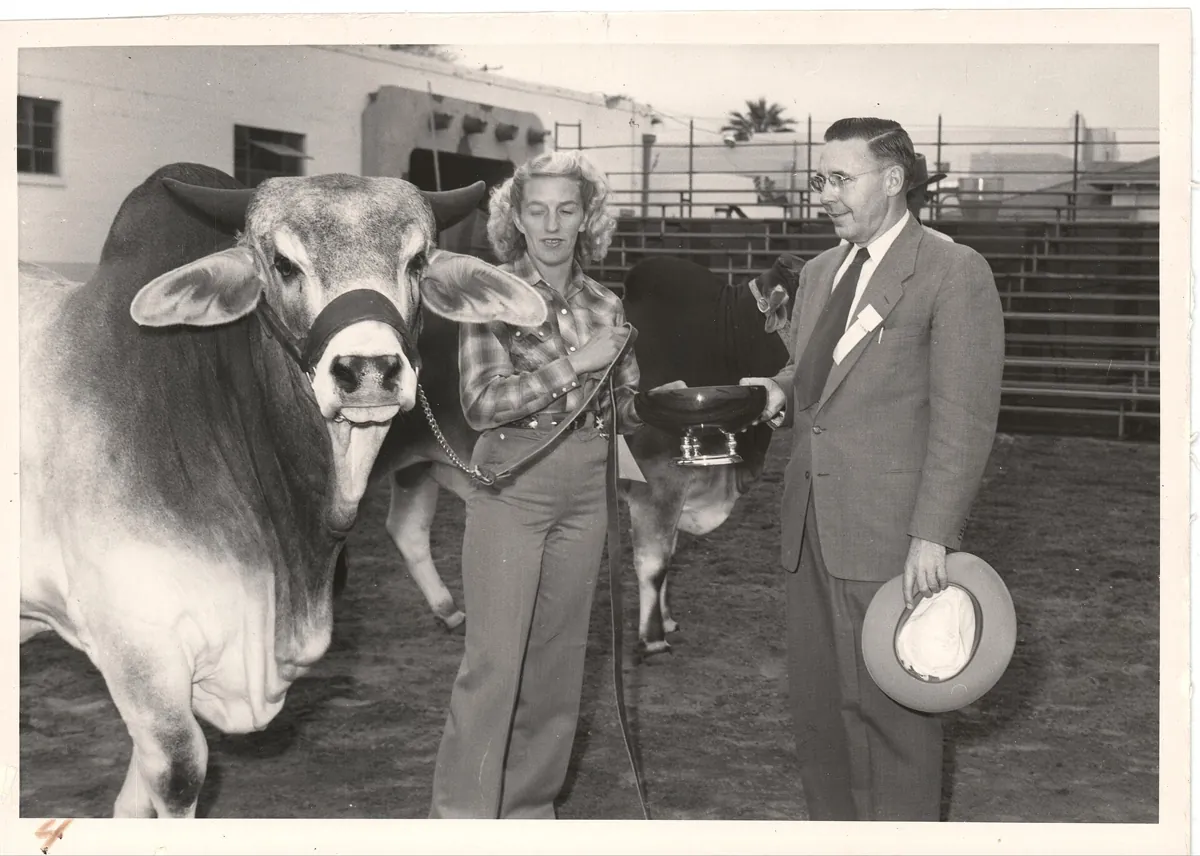
Greene County was founded in 1851, when Iowa was still a young state and this land was being broken into farms. Jefferson became the county seat, and the courthouse square turned into the place where the county conducted its business — taxes, deeds, trials, and eventually celebrations.
County fairs arrived across Iowa in the same era for a practical reason: farm families needed a neutral place to compare seed, livestock bloodlines, and equipment, and they needed an excuse to socialize once the season’s work allowed it. What began as agricultural exhibitions grew broader as the decades passed. 4-H and FFA programs gave young people a stage, exhibit halls became showcases for domestic skill and artistry, and the midway and grandstand turned the fair into entertainment as much as education.
Through depressions, droughts, wartime labor shortages, and the long consolidation of family farms, the fair kept its place on the county calendar. That continuity matters here: it is one of the few institutions that predates nearly everyone currently attending it.
Today’s version is a modern take on that old idea — online entry forms instead of handwritten cards, card readers at more stands — but the core has not moved. Bring what you grew, made, or raised, put it in front of your neighbors, and see how it stacks up.
What a Fair Day in Greene County Actually Feels Like
A day here moves in slow waves: quiet mornings in the barns, a busy late afternoon, and a packed evening around the grandstand and midway.
Fair Food, From Church Stands to Funnel Cakes
Food is half the reason many people come. Expect the standard arsenal — corn dogs, pork chop on a stick, funnel cakes, elephant ears, lemonade shake-ups, walking tacos — alongside stands run by local churches, booster clubs, and service organizations, which is often where you find the better value and the more interesting plate. Portions are large, prices are fairground-normal, and lines move fastest in the late afternoon before the evening crowd arrives. Bring some cash as a backup even if most vendors take cards.
Grandstand Nights, Local Bands, and the Midway
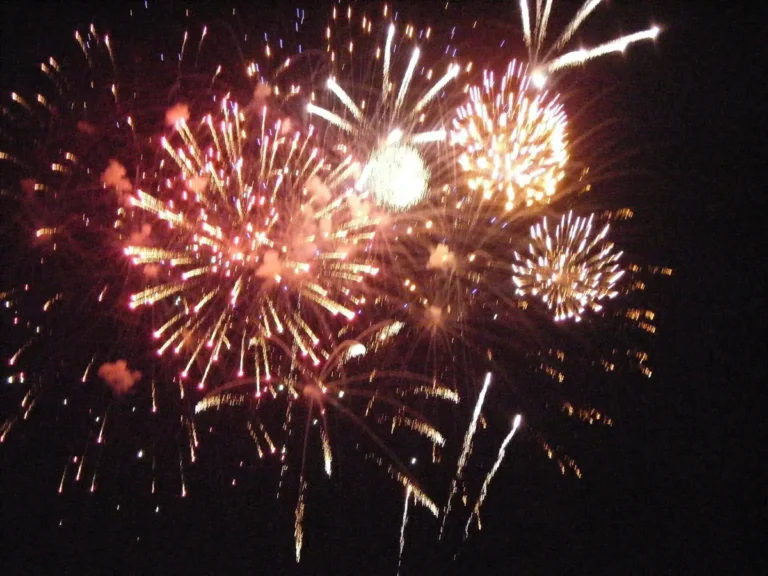
Evenings belong to the grandstand, which in most years hosts a mix of motorsport-style events, live music, and crowd-pleasing spectacles, with tickets or wristbands sold separately from fairgrounds entry. Smaller stages and the midway carry the rest of the night: local and regional bands, karaoke, and the low hum of ride generators. If you want a seat for the headline event, arrive early — grandstands fill from the front, and the best sightlines go first.
Livestock Barns, Exhibit Halls, and Kid-Friendly Grounds
This is a working fair, and the barns are the heart of it. Cattle, swine, sheep, goats, poultry, and rabbits are shown across the run, and 4-H and FFA members are usually happy to answer questions between classes. The exhibit hall is the other must-see: baked goods, canned preserves, vegetables, flowers, photography, quilts, and youth projects judged and displayed. For families, the midway, the animal areas, and the free entertainment stages fill the gaps between shows.
Planning Your Trip to the Greene County Fairgrounds
The fair is a local event, not a destination resort, so planning is mostly about timing, parking, and weather.
Getting There: Jefferson and the Roads Around Greene County
Jefferson sits in the middle of Greene County in west-central Iowa, reachable by the state highways and county roads that stitch the region’s farm towns together. Most visitors drive, and there is no meaningful public transit to plan around. From out of town, the practical approach is to route to Jefferson first and then follow local signage or a maps app to the fairgrounds, since rural addressing can be less obvious than in a city.
Where to Stay in and Around Greene County
Lodging in the immediate area is limited and books early during fair week, so the realistic options are a small local motel or rental in or near Jefferson, or a short drive to a larger town with chain hotels. Camping and RV sites are often available in connection with fairgrounds events, but confirm directly rather than assuming. If you are coming from a distance, reserve months ahead.
Parking Without the Evening Crush
Expect a mix of on-grounds lots and nearby field parking, staffed by volunteers and usually free or by donation. Arrive before the evening rush if you want a short walk; leave a little early if you want to avoid the slow crawl out at closing. Follow the volunteers’ directions — they know which rows drain first.
Admission, Costs, and What to Budget
Fairgrounds admission at fairs of this size is typically free or very low, with costs concentrated in ride wristbands, grandstand tickets, food, and games. Budget for both cash and card, and expect separate pricing for premium evening events. There is generally no need to buy anything in advance just to walk the grounds.
Iowa Summer Weather and How to Handle It
July in west-central Iowa means heat, humidity, and a real chance of a thunderstorm rolling through in an hour. Wear light clothing, bring a refillable water bottle, use sunscreen, and keep a rain shell in the car. Barns and exhibit buildings double as shade and shelter. If storms threaten, listen for announcements and follow staff direction.
A Sample Greene County Fair Weekend, Morning to Night
Friday: arrive in the early afternoon, before the crowds. Park, walk the barns while they are calm, then spend an hour in the exhibit hall. Eat dinner from a church stand around five, catch a livestock class or a free stage act, and settle into the grandstand for the evening show. Leave right after the headline event if you want an easy exit.
Saturday: come early for the busiest judging day. Morning is the best time for livestock shows and for talking with exhibitors. Eat lunch on the grounds, let the kids loose on the midway in the afternoon, and take a break in the shade during the hottest hours. Return for the evening entertainment, then stay for the post-grandstand atmosphere — the midway at night is the classic fair experience.
Sunday: a slower day, often with a community focus, plus the final rounds of shows. Use it for anything you missed: the exhibit hall before displays are dismantled, the food stand you skipped, and one last walk through the barns.
How the Greene County Fair Compares to Neighboring Celebrations
Greene County sits in a cluster of rural counties that each hold their own fair. Boone County to the east, Dallas County to the southeast around Adel, Guthrie County to the southwest, and Carroll County to the west all run county fairs of similar scale and spirit — livestock, 4-H exhibits, a midway, and a grandstand.
What makes Greene County’s version distinctive is proportion. With 8,771 residents and 571 square miles, it is small enough that the fair still works as a genuine county-wide reunion rather than a regional attraction, and large enough to support a full slate of shows and entertainment. If you are choosing between county fairs on the same weekend, pick based on the grandstand lineup and how far you want to drive, not on size — at this scale, the experience is remarkably consistent.
Towns such as Jefferson, Perry, Boone, and Carroll also host their own summer events, so a fair weekend can be paired with a stop in a neighboring county seat.
Greene County Fair Prep: A Short, Practical Checklist
| Cash in small bills | Food stands, games, and donation parking |
| Refillable water bottle | Mid-summer heat and humidity |
| Sunscreen and a hat | Long hours outdoors with little shade |
| Light rain jacket | Afternoon storms arrive quickly |
| Closed-toe shoes | Barns, gravel, and livestock areas |
| Folding chair or blanket | Grandstand and lawn seating |
| Charged phone plus battery pack | Maps, schedules, and photos |
| Cooler left in the car | Snacks and water for the drive home |
Beyond the Fairgrounds: Jefferson and the Rest of Greene County
The fair is the anchor, but Greene County rewards a slow drive. Jefferson, the county seat, has a courthouse square and a compact downtown worth a walk, with the kind of Main Street businesses that survive in county seats of this size.
Beyond town, the county is farm country: gravel roads, corn and soybean fields, windbreaks, and small communities most travelers pass through without noticing. Take a loop on the county roads and you will understand the geography the fair represents — 571 square miles of land that most of its exhibitors work for a living.
If you have an extra half-day, pair the fair with a drive to a neighboring county seat such as Boone, Carroll, or Adel, each with its own historic downtown and summer calendar.
What the Fair Means to a County of 8,771 People
In a county with 8,771 residents, a fair is not just an event; it is infrastructure for community life. It is where scholarships are announced, where businesses sponsor banners, where kids learn to speak in public about a project they raised, and where older residents see people they otherwise only wave to from a truck.
It is also an agricultural showcase. The fair connects the county’s farming base to its future, giving young exhibitors a reason to learn animal husbandry, record-keeping, and presentation — skills that transfer far beyond the show ring.
Most of all, it is continuity. The county was founded in 1851, and the fair remains one of the threads tying that long history to the present.
Where the Greene County Fair Sits on the Iowa Map
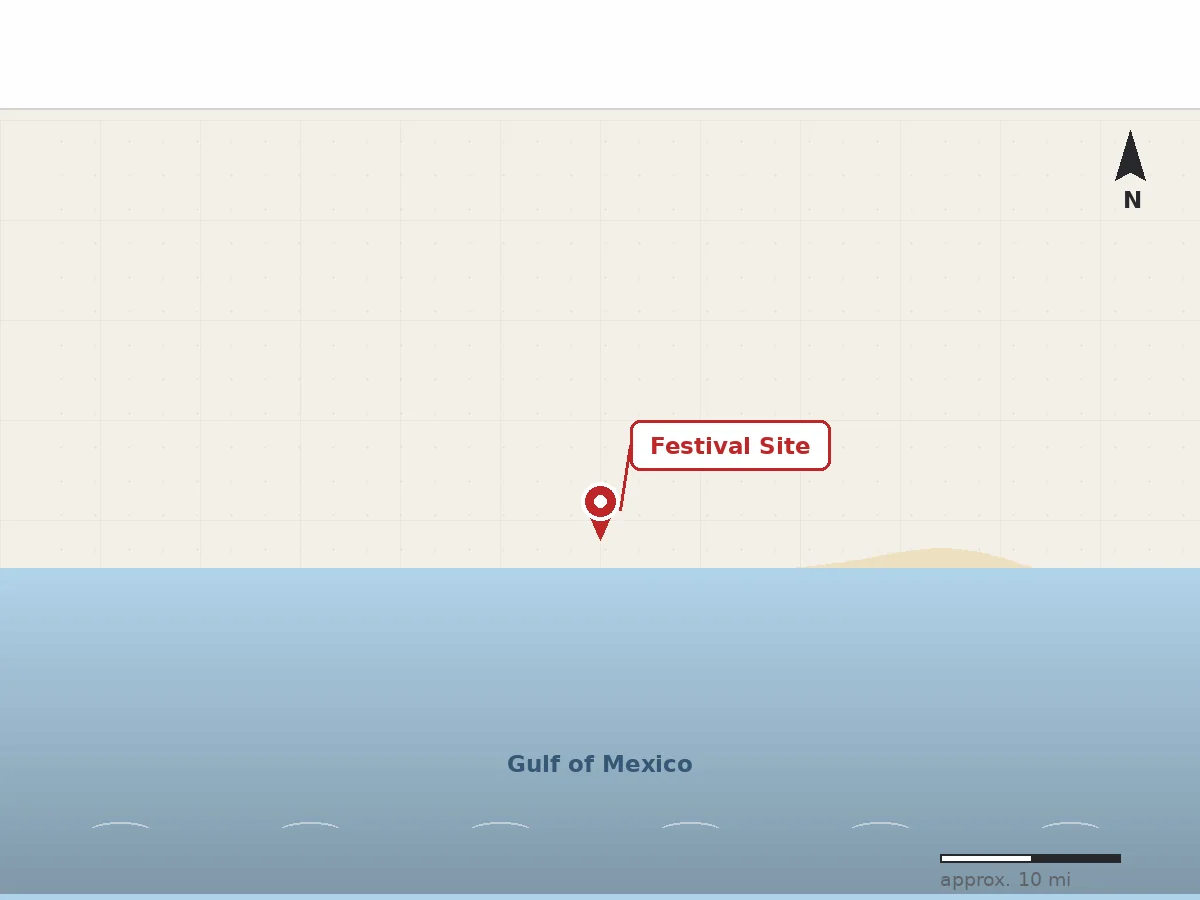
The Greene County Fair takes place in the Greene County area of west-central Iowa, with Jefferson — the county seat — as the practical anchor for directions, fuel, and food.
Greene County Fair Questions, Answered Straight
When does the Greene County Fair usually happen?
The fair runs for several days in mid-summer, most often in July, which is the standard window for Iowa county fairs. Exact dates shift each year, so confirm the current schedule through the fair’s own listings before you plan travel.
Is admission free?
Fairgrounds entry at fairs of this size is typically free or low-cost, with spending concentrated on rides, grandstand events, food, and games. Treat grandstand shows and ride wristbands as separate purchases.
Is the fair a good fit for young kids?
Yes. The midway, animal barns, exhibit halls, and family entertainment stages suit mixed ages, and mornings are calmer and cooler for younger children. Bring a stroller that handles gravel and grass.
What happens if it rains?
Summer storms in Iowa are usually brief. Barns and exhibit buildings offer shelter, and most fairs resume quickly after a passing cell. If severe weather is forecast, follow announcements from fair staff and be ready to move to your vehicle.
The Next Seasons of the Greene County Fair
County fairs survive by adapting. The Greene County Fair’s future will likely look like its past in the ways that matter — volunteer-run, agriculture-centered, and built around the same barns, exhibit hall, and grandstand — while changing in the details: online entries, card readers at more stands, and entertainment booked to compete with screens at home.
For visitors, that means the fair stays an easy, affordable, genuinely local summer tradition in a county of 8,771 people. Go once, and you will likely go again.
Last updated: October 2026
If you are planning a summer trip through west-central Iowa, time it around the Greene County Fair. Park once, walk the barns and the exhibit hall, eat something fried, find a seat at the grandstand, and stay for the midway lights. It is a county introducing itself to itself — and visitors are welcome to watch.