Champaign County Illinois CU Pride Fest Festival
Urbana hosts this festival, and the point deserves stating plainly at the outset: Urbana, not its larger twin, is the seat of Champaign County. The City of Champaign is the bigger of the two cities, yet the county seat belongs to Urbana, and every layer behind this article sets the festival on the Urbana side — downtown in its early years, and on Main Street for the parade in the most recent listings.
The published names arrive in three forms, none merged here into one tidy label. News layers from the first two editions and the organiser’s current usage call it CU Pride Fest; an organiser layer gives Champaign-Urbana Pride Fest; a listing layer prints CU Pride Parade and Fest. The title at the top of this page doubles the words Fest and Festival, but that doubling belongs to the sheet: the published event is the Pride Fest together with its parade.
Behind the festival stands Uniting Pride of Champaign County, also named as the Uniting Pride (UP) Center, which proudly produces what its current page describes as a week-long festival. The first edition fell on 20 August 2010 and was announced beforehand as the first gay pride festival in the history of Champaign-Urbana. Recent editions have moved to October, and the organiser’s page fixes the coming one on Saturday 17 October 2026.
About CU Pride Fest
CU Pride Fest is a Pride festival with a parade at its centre, produced in Urbana by Uniting Pride. Its documented shape is broader than a single afternoon: the organiser describes a week-long festival, and across the layers the programme gathers a parade, vendor and community booths, drag and music performances, discussions and workshops, and family-friendly programming. Each strand sits in the layers with its own era attached, and they are kept that way in what follows.
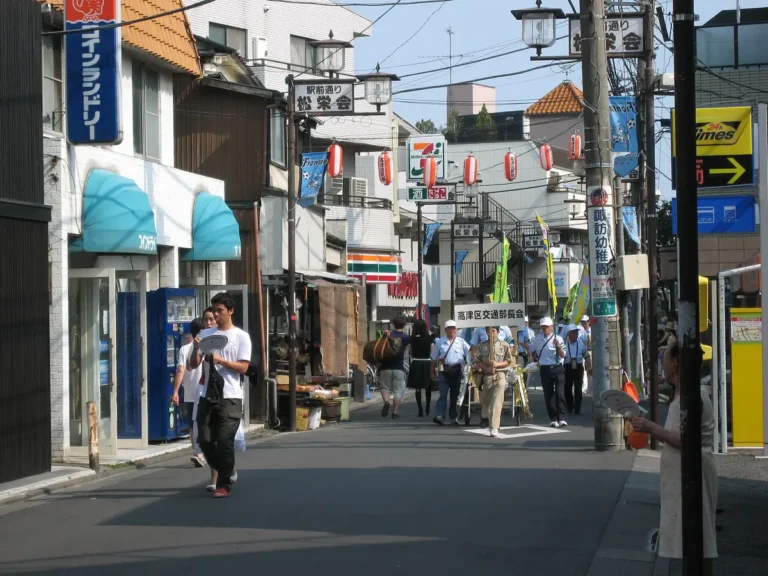
The geography of the festival has stayed downtown. Early editions gathered at Lincoln Square Mall and at a Broadway performance venue in downtown Urbana; the 2026 listings put the parade on Main Street. Nothing in the layers moves the event into Champaign, and the two cities’ roles are not interchangeable here: Champaign is the larger city, Urbana is the county seat, and the festival belongs to Urbana.
For a useful comparison, see the Champaign County Illinois CU Folk and Roots Festival for another county festival.
Two things the record never supplies are worth naming here. No layer quotes an admission price for any edition, and no layer describes entry as free, so the cost of attending sits undocumented. The organiser-side crowd claims quoted further down are claims rather than counts — a distinction this article keeps throughout.
Quick Facts
| Detail | What the layers record |
| Published name | CU Pride Fest |
| Other published forms | Champaign-Urbana Pride Fest; CU Pride Parade and Fest |
| Host city | Urbana, Illinois |
| County seat | Urbana, verified against the county government’s own layer; Champaign is not the seat |
| Organiser | Uniting Pride of Champaign County, the Uniting Pride (UP) Center |
| First edition | Friday 20 August 2010, downtown Urbana |
| Early venues | Lincoln Square Mall and the Broadway venue |
| Billings in recent layers | Fifteenth anniversary in 2025; sixteen years strong in 2026 |
| Parade | Main Street, Urbana, in the 2026 listings |
| Admission | No price published in any layer; no layer claims free entry |
History
Uniting Pride itself predates the festival by a year. An archive layer held in the county historical archives at the Urbana Free Library records that Uniting Pride was formed in 2009 by Kevin Johnson, with the intention of coordinating Champaign-Urbana’s first Pride Festival. On that layer’s telling, the organisation existed in order to make this festival happen.
The founder’s name, however, refuses to sit still. A news layer from 2011 names Kevin Bowersox-Johnson as founder of the UP Center. The archive layer says Kevin Johnson; the later news layer says Kevin Bowersox-Johnson. This article records both forms alongside their layers and settles neither: merging them into one smooth person-history would manufacture a fact the record does not contain.
The first committee’s leadership is documented more cleanly. A news layer from July 2010 names Evelyne Tardy and Caroline Nappo as co-chairs of the first CU Pride Fest Committee. The week they prepared ran from 16 August 2010, and the festival itself closed that week on Friday 20 August 2010, from four to nine in the evening, split between Lincoln Square Mall and the Broadway venue downtown. The announcement layer, printed on 31 July 2010, billed the coming evening as the first gay pride festival in the history of Champaign-Urbana.
The second edition returned to the same August ground. On 20 August 2011 the festival filled Lincoln Square from four in the afternoon until two in the morning, with the after-party carrying the night at the Broadway venue. More than fifty-five booths stood at that edition — a booth count, which measures the trading and community rows rather than the crowd. For the crowd itself, the only figures are organiser-side statements quoted in a 2011 news layer: over two thousand people for 2011, with a similar turnout described for 2010 — claims carried in newsprint, never a counted gate, belonging to those early editions alone.
The later record jumps seasons. A news layer bills the 2025 edition, held from 16 to 26 October 2025, as the festival’s fifteenth anniversary. The organiser’s current page bills 2026 as sixteen years strong and fixes its festival day on Saturday 17 October 2026, with Hope Elam-Huett as parade grand marshal. Both phrasings stand here as billings as printed, neither converted into a founding year: the founding facts the layers document are the formation of Uniting Pride in 2009 and the dated first edition of August 2010.
What to Expect
A parade on Main Street is the anchor of the modern edition, and the listings treat the procession as the public face of the week. The 2026 listings place the parade there, in Urbana, and the organiser’s page names Hope Elam-Huett as parade grand marshal for that year, so the procession is no decorative extra but the named centrepiece around which the festival day is arranged.
Around the parade, the layers assemble the working parts of the week. Vendor and community booths give local groups and sellers their rows; at the 2011 edition those rows held more than fifty-five booths. Drag and music performances supply the stage programme alongside discussions and workshops, and the organiser’s 2026 layer adds family-friendly programming to the mix, widening the week beyond the parade crowd.
Some strands belong to particular eras. A Youth Pride Party appears in the 2011 layer, part of that edition’s shape rather than a promise about any later year. The week-long spread, though, is consistent: the first edition arrived as the culmination of a week of events, and the organiser’s current page still produces the festival as a week-long undertaking.
Planning Your Visit
Planning begins with a gap the record never fills. Admission is the blank space in every layer: no price is quoted for the first edition, the second, or the billed editions of 2025 and 2026, and no organiser page promises free entry either. A visitor budgeting from documentation alone has nothing to budget with.
Timing asks for equal care, because the festival has changed seasons inside its own record. The editions of 2010 and 2011 belonged to August, each built around 20 August. The editions of 2025 and 2026 belong to October, with the organiser’s current page fixing Saturday 17 October 2026 inside a week-long run. Anyone working from an old August clipping would arrive two months early.
Place is the simplest part. The documented venues cluster in downtown Urbana: Lincoln Square Mall and the Broadway venue for the early editions, Main Street for the modern parade. Travellers coming from the larger twin city should remember that the festival sits in Urbana, the county seat.
A Sample Itinerary From the Second Edition
The fullest hour-by-hour shape in the record belongs to the second edition, so this itinerary follows Saturday 20 August 2011 as documented, offered as that edition’s pattern rather than as a schedule for any coming year.
Begin at Lincoln Square when the festival opens at four in the afternoon, and walk the booth rows first: more than fifty-five vendor and community booths stood there that year, and the early hours are when such rows are easiest to read. The Youth Pride Party belongs to this edition’s programme, so younger visitors have a strand of their own inside the afternoon.
Stay through the evening at Lincoln Square as the performances take over, since the 2011 shape kept the festival in one downtown ground from afternoon into night. When the main ground winds down, the documented move is across to the Broadway venue, where the after-party carried the celebration until two in the morning — the latest closing hour anywhere in this festival’s record.
The Festival Beside Its Film Strand
Uniting Pride’s name attaches to one more event in the layers, and the two should not be folded together. From 2010, news and archive layers document an LGBT Film Festival run by Uniting Pride. It is a separately named programme strand of the same organiser, devoted to film, and it is not a separate festival record under this title.
The contrast clarifies what the Pride Fest itself is. The film strand gathers its audience around screenings; the Pride Fest spreads across a week of downtown Urbana, with a parade on Main Street, booth rows, performances, discussions and family programming. Same organiser, two distinct shapes — and only the second is the subject of this article.
Checklist
- Settle on Urbana for every arrangement, since the festival’s venues and parade sit in the county seat rather than in Champaign.
- Find the parade day inside the festival week before fixing anything else, because the Main Street parade carries its own listing for 2026.
- Leave the admission question open in any budget: no layer quotes a price, and none promises free entry.
- Look through the week for the family-friendly programming and workshops the organiser lists, if children are part of the party.
- Treat any crowd figure attached to the early editions as an organiser claim quoted in news, never as a counted attendance.
Beyond the Festival
The festival’s world is a compact downtown one. Lincoln Square Mall, the Broadway venue and Main Street all sit within Urbana’s centre, so the documented editions unfold within a short walk of one another, with the county seat’s civic core as their backdrop.
There is a quieter documentary landmark as well: the archive layer preserving the festival’s founding intention sits in the county historical archives at the Urbana Free Library, so the paper trail of the first Pride festival is itself kept in Urbana, near the ground where the first editions stood.
Significance
The announcement layer of July 2010 gives this festival a claim few events can match in their own documentation: it was billed, before it happened, as the first gay pride festival in the history of Champaign-Urbana. The archive layer deepens that claim by showing the festival was no accident — Uniting Pride was formed in 2009 with the express intention of coordinating it, and a named committee under co-chairs Evelyne Tardy and Caroline Nappo carried the plan into being.
Its endurance is written in the organiser’s own billings: a fifteenth anniversary in 2025 and sixteen years strong in 2026, with the season transplanted from August to October along the way. Even its untidy corners carry meaning — two founder name forms no layer reconciles, crowd figures that remain claims rather than counts — because they show a community festival whose history was recorded by its own side, in its own words.
Frequently Asked Questions
Which of the festival’s names is the real one?
All three published forms are real in their own layers. News layers from 2010 and 2011 and the organiser’s current usage print CU Pride Fest; an organiser layer prints Champaign-Urbana Pride Fest; a listing layer prints CU Pride Parade and Fest. The layers never crown one form over the others, so this article keeps all three standing, each attached to the kind of layer that printed it.
Who produces the festival in Urbana?
Uniting Pride of Champaign County, also named as the Uniting Pride (UP) Center, proudly produces the week-long festival, according to its current page. An archive layer records the organisation’s formation in 2009 with the intention of coordinating the twin cities’ first Pride festival, a year before the first edition actually stood downtown.
Has the festival always happened in October?
No — the season moved inside the documented record. The first and second editions fell in August, on 20 August 2010 and 20 August 2011. The billed editions of 2025 and 2026 fall in October, and the organiser’s current page fixes the 2026 festival day on Saturday 17 October. October is the festival’s present season, not its original one.
Are the early crowd figures a counted attendance?
They are not. The figure of over two thousand people for 2011, with a similar turnout described for 2010, comes from organiser-side statements quoted in a 2011 news layer, belonging to those early editions only. The one hard count from that era measures something else: more than fifty-five booths in 2011, tallying stalls rather than spectators.
What to Expect From the Next Champaign County Illinois CU Pride Fest Festival
How often is Champaign County Illinois CU Pride Fest Festival held?
The layers document editions in 2010 and 2011, then billed editions in 2025 and 2026 — a fifteenth anniversary and a sixteenth year as the organiser prints them. Each documented edition is produced by Uniting Pride as a week-long festival rather than a single day, with the parade set inside that longer run.
When is the next Champaign County Illinois CU Pride Fest Festival?
The organiser’s current page fixes the 2026 edition on Saturday 17 October 2026, produced as a week-long festival. The parade stands on Main Street in Urbana in the 2026 listings, and Hope Elam-Huett is named as parade grand marshal for that edition, so the Saturday carries both the procession and its marshal.
Will the dates change?
They already have, once, inside the record itself. August held the first two editions, in 2010 and 2011; October holds the billed editions of 2025 and 2026. A season that has moved before cannot be treated as fixed by its early precedent, so the organiser’s current page — not the August pattern of the founding years — is the authority for the coming edition’s dates.
Closing
CU Pride Fest began as an intention written down in 2009, stood for the first time on an August evening in 2010, and now marches down Main Street in October under anniversary billings its own organiser prints. Its record keeps a few questions open — a founder’s name in two forms, an admission price nowhere at all — and this account leaves those questions exactly where the layers leave them.