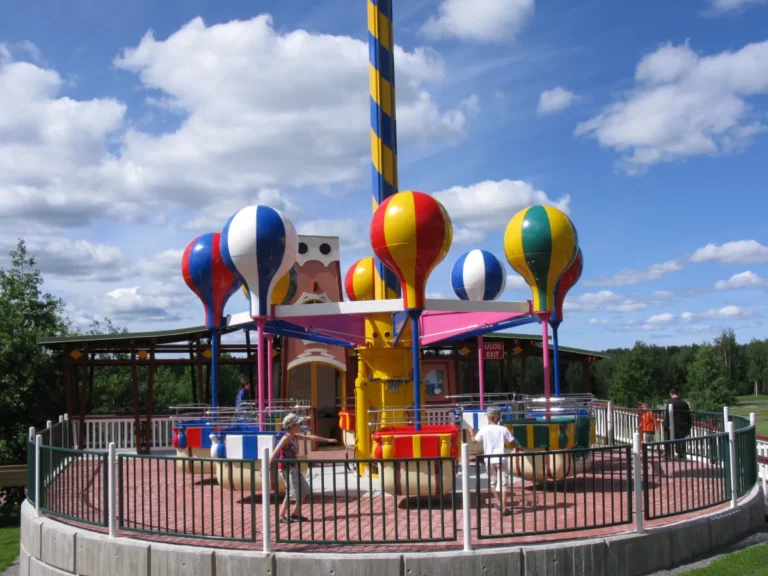
Big Stone County Minnesota Fair Festival
Big Stone County is one of the least crowded corners of Minnesota, a farming county pressed against the South Dakota line, and its fair is built in the same spirit. The Big Stone County Fair, held over five days in mid-July in the small town of Clinton, is not trying to outsize anyone. There is no charge to walk in and no charge to park, the livestock shows run in a single friendly arena, and the entertainments include a treasure hunt and a trivia contest alongside the rodeo.
That scale is precisely the reason to go. In the Prairie Waters region of far western Minnesota, the county fair is still the summer’s main gathering, the week when Clinton’s fairgrounds hold more people than the town’s streets normally see in a month. Exhibitors haul in beef cattle, goats, rabbits and poultry; neighbours compete in trivia about the agriculture they practise all year; and the whole county turns up to watch. This guide explains what the fair offers and how a free fair in a town of a few hundred people actually works.
A Small Fair With the Whole County Behind It
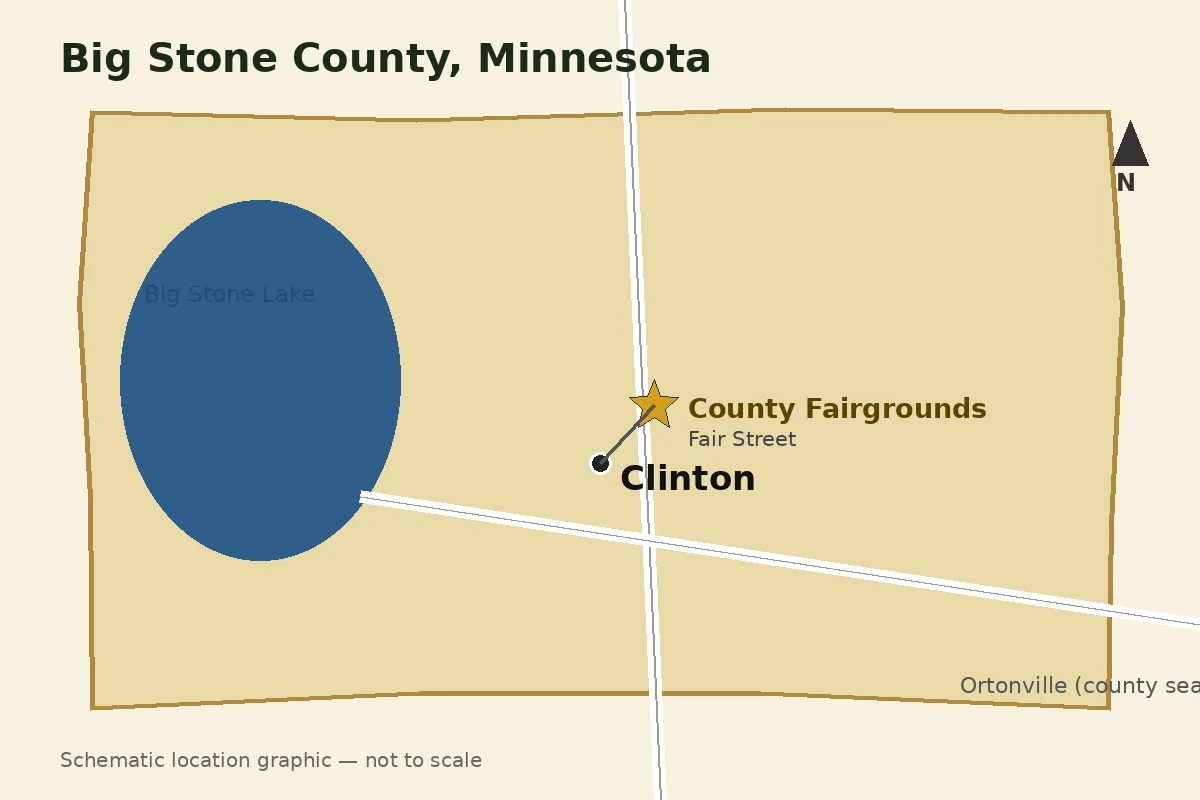
The first thing to understand about the Big Stone County Fair is where it is not. It does not take place in Ortonville, the county seat, but in Clinton, a smaller community a short drive north of the lake. That choice gives the fair its character. Clinton is a prairie town where the fairgrounds sit at 220 Fair Street and the fair is quite simply the biggest thing that happens all year. Visitors here are not processed. They are absorbed.
The fair is run by the Big Stone County Agricultural Society, and its programme reflects what a farming county values: judged livestock, open-class exhibits, 4-H shows and sales, and entertainment the community largely supplies itself. The grounds are compact enough to cross in minutes, which changes the social physics of a fair.
The Clinton Fairgrounds in Brief
| Festival | Big Stone County Fair |
| Town | Clinton, Minnesota |
| County | Big Stone County |
| County seat | Ortonville |
| Venue | Big Stone County Fairgrounds, 220 Fair Street |
| Region | Prairie Waters, far western Minnesota |
| Typical timing | Five days in mid-July |
| Admission | Free admission and free parking |
| Organizer | Big Stone County Agricultural Society |
| Known for | Ranch Rodeo, medallion hunt, ag trivia, 4-H Ribbon Sale |
Five Days of Shows, Sleuthing and Grandstand Nights
Eating Well at a Small-County Fair
Food at a fair of this size is personal. The 4-H food stand is a fixture, the kind of place where a meal supports the same young exhibitors whose animals fill the barns, and local stands round out a short but honest menu. Travellers comparing Minnesota’s county fairs will notice how eating changes with scale: at the Benton County Minnesota Fair Festival, dozens of organisation stands feed a six-day crowd, while in Clinton the cooks are more likely to know the customers by name.
A Free Stage, a Beer Garden and Grandstand Evenings
Entertainment in Clinton runs on participation as much as performance. A free stage hosts music during the fair, evenings gather around the beer garden, and in some years the grandstand has carried full concerts by touring country acts. Then there are events no large fair would programme: a Farm Bureau agriculture trivia contest, where teams of up to five test what they know about their own work, and bingo sessions between shows.
Family Fun, From the Medallion Hunt to the Ribbon Sale
The fair’s favourite family tradition may be its medallion hunt: a hidden medallion, clues posted at the fair office, and half the county conducting a cheerful search between shows. Children are otherwise served by inflatables, barns full of rabbits, poultry and goats, and the freedom of a compact ground. The 4-H programme builds from dog, horse, rabbit and poultry shows to the beef, sheep and swine judging, and ends with the Ribbon Sale, where buyers back the county’s young exhibitors.
Practicalities for a Trip to Clinton
Driving to the Far Western Edge of Minnesota
Clinton sits in Minnesota’s far west, close to the South Dakota border, and reaching it is a prairie drive from any direction. The fairgrounds stand at 220 Fair Street, findable in a town small enough that the fair is its own landmark during fair week. Fuel and supplies are best gathered before arriving, since fair week in Clinton is about the fair, not shopping.
Staying in Clinton, Ortonville and the Lake Area
Lodging near a fair this size means thinking like a local. Clinton itself has very limited accommodation, so most visitors base themselves in Ortonville, the county seat at the foot of Big Stone Lake, where small hotels, motels and lakeside options serve the summer trade. Booking early matters more, not less, at a small fair, because the room supply is thin.
Camping and RV Options Near the Grounds
The country around Clinton is lake and prairie camping country, and visitors with tents or RVs will generally find their best options around Big Stone Lake and in the Ortonville area rather than at the fairgrounds themselves. A lakeside camp makes a fine base: mornings on the water, afternoons and evenings at the grounds. Prairie nights are usually mild, though tents should be pitched with the wind in mind.
Parking and Moving Around a Compact Fairground
Parking is free, admission is free, and the grounds are small: the logistics of this fair could hardly be gentler. Visitors can arrive, wander in, and be watching a livestock show within minutes. The busiest moments gather around headline events, a rodeo evening or a concert night, when the whole county arrives at once, but even then the scale stays human, and no part of the programme is ever far away.
Costs: A Fair With No Gate Charge
The fair’s finances are refreshingly simple for visitors: no admission fee and no parking fee. Spending inside goes on food, any ticketed grandstand attraction in a given year, and the small pleasures of the week. Treat the free gate as the fair’s tradition rather than a guarantee that everything within it costs nothing. Even so, few fairs in Minnesota offer a cheaper full day out, which encourages people to return day after day.
July Weather on the Prairie and What to Pack
Mid-July on the western Minnesota prairie means heat, sun and wind, with the chance of a fast-moving thunderstorm. Shade is limited on open grounds, so a hat, sunscreen and water are essentials, and light clothing suits the afternoons. Evenings cool pleasantly once the sun drops, and a light layer makes grandstand sitting comfortable. If a storm crosses, exhibit buildings offer shelter, and prairie storms usually pass quickly.
An Agricultural Society Fair on the Border
The history of this fair is the history of its Agricultural Society, the volunteer body that has carried it as the county’s annual exhibition of itself. Fairs of this kind were founded to judge a county’s produce and livestock in public, and in Big Stone County that original purpose never got buried under entertainment: the show arena remains the centre of the week, open-class exhibits still fill the exhibit building, and 4-H judging still structures the days.
What the modern fair has added, it has added in its own image. A ranch rodeo suits a county where cattle handling is an ordinary skill, not theatre. A medallion hunt suits a community small enough to search together; ag trivia suits farmers confident enough to be quizzed in public. Even the fair’s cultural performances, supported through state legacy arts funding, express its own community rather than an imported one.
Big Stone Lake and the Prairie Waters Beyond the Gates
The fair’s natural partner is Big Stone Lake, the long, narrow lake that forms part of Minnesota’s border with South Dakota and gives the county its name and its summer rhythm. Ortonville, at the lake’s foot, is the natural second half of a fair trip: fishing and boating on the lake, a meal in town, and the main-street shops of a county seat. A fair day in Clinton followed by an evening by the water is the classic local combination.
Further afield, the Prairie Waters region offers the quiet pleasures of western Minnesota: prairie horizons that make sunsets an event, small towns with their own summer gatherings, and roads where the driving itself is part of the holiday.
A Fair Weekend Based in Clinton
Start on a show morning. Arrive as the livestock judging begins, with exhibitors presenting animals prepared over months. Walk the exhibit building, eat at the 4-H food stand, and collect the medallion hunt clues from the fair office. Keep the evening for the week’s headline event if one is scheduled, a rodeo or a concert night being the natural climax of a first day.
On the second day, play the fair as a participant. Join the crowd for bingo, enter a team in the agriculture trivia if it falls during your visit, and revisit the barns for whichever species is being judged that day. Between events, take the short drive to Ortonville and the lake for a swim or an hour of fishing, then return for the free stage and the evening crowd.
If the visit runs to the fair’s final day, slow down for its ending rituals: the last judging, the 4-H awards and, when scheduled, the pancake breakfast at the 4-H food stand that closes the week. Small fairs end personally, with results announced to people who know every name, and staying for the finish gives a truer picture of what the fair is for. Leave Clinton by the lake road, and the trip home doubles as the last exhibit of the week.
Clinton Beside Other Western Minnesota Fairs
Among Minnesota’s county fairs, Big Stone sits at the small, free and personal end of the spectrum. Larger fairs offer bigger midways and longer grandstand bills; Clinton offers a fair where the gate, the parking and much of the entertainment cost nothing, and the whole programme can be known by heart in two days. Big Stone rewards wanderers, families watching their spending, and anyone who suspects a county fair was meant to feel like a reunion.
As a trip, the fair pairs well with its own county in a way bigger fairs rarely manage. Ortonville supplies the lake, the county seat’s services and a second community to explore, while Clinton supplies the fair itself, and the two together make a complete small holiday.
A Clinton Fair Checklist: What to Bring
- A hat, sunscreen and water for exposed prairie grounds
- Cash for food stands and any ticketed grandstand event
- A light layer for evenings once the sun drops
- Comfortable shoes for grass, dust and gravel paths
- A notebook or phone for medallion hunt clues posted at the fair office
- Swimming or fishing gear if the trip includes Big Stone Lake
- Fuel and supplies gathered in advance, as small-town services are limited
- Time set aside for Ortonville and the lake, not only the fairgrounds
What a Free Fair Means to a Border County
A free fair is an economic statement as much as a pricing decision. By charging nothing at the gate and nothing to park, the Agricultural Society bets that the fair’s value lies in attendance itself: exhibitors supported, young people encouraged, food stands kept busy and a county reminded, once a year, that it is a community. The 4-H Ribbon Sale makes the same point in miniature, turning the week’s judging into direct investment in the next generation of local farmers.
Where the Clinton Fairgrounds Sit
The Big Stone County Fairgrounds stand at 220 Fair Street in Clinton, Minnesota, a short drive north of Ortonville and Big Stone Lake.
Frequently Asked Questions
Where is the Big Stone County Fair held?
The fair is held at the Big Stone County Fairgrounds at 220 Fair Street in Clinton, Minnesota. Clinton is not the county seat; that is Ortonville, at the foot of Big Stone Lake, where most visitors find lodging.
Is the Big Stone County Fair really free?
Admission and parking have traditionally both been free, one of the fair’s defining features. Visitors should still bring money for food and for any attraction that carries its own charge in a given year.
What is the Ranch Rodeo at the Big Stone County Fair?
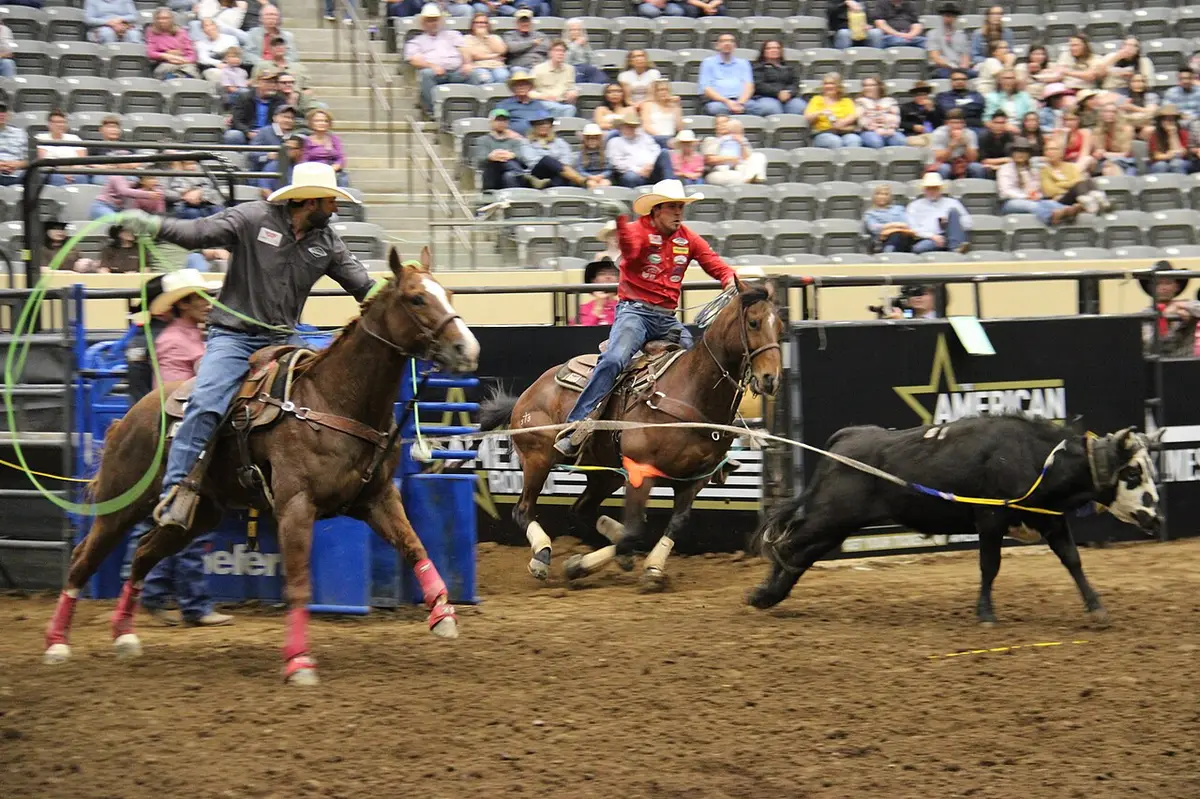
The Ranch Rodeo is one of the fair’s headline events, a rodeo built around the working skills of ranch life rather than purely show events, and it has traditionally been free to watch. It suits Big Stone County well, since cattle work is part of ordinary life for many local families.
What is the medallion hunt?
The medallion hunt is a fair-wide treasure hunt: a medallion is hidden, clues are posted at the fair office, and visitors search the grounds and town between events. It is free to join and popular with children and competitive adults alike.
What to Expect From the Next Big Stone County Fair
The Big Stone County Fair is an annual event, and in most years it returns to Clinton in mid-July with the same essentials: livestock and 4-H shows, open-class exhibits, a free gate, and community entertainment built around the free stage and the arena. Headline events are settled by the Agricultural Society each year and can change, so check the programme nearer the time.
How often is the Big Stone County Fair held?
The fair is held once a year, traditionally over five days in mid-July. It is the Big Stone County Agricultural Society’s principal annual event and the county’s largest regular gathering, returning to the same Clinton fairgrounds each summer.
When is the next Big Stone County Fair?
The next edition is expected in mid-July, following the fair’s established season. The Agricultural Society confirms the dates and programme in advance of each fair, and those confirmations are the ones to rely on when booking lodging around Big Stone Lake.
Will the dates change?
The fair’s mid-July place in the calendar has been consistent, but the society can adjust the exact days or the event line-up from one year to the next. Anyone travelling a long distance should verify the final programme before setting out.
Last updated: October 2026
In a state of big fairs, Big Stone County’s is a reminder of what the institution was for. No gate, no parking fee, no distance between the people exhibiting and the people watching: just a small town, a working arena and a county spending five days together. Come for the rodeo and the medallion hunt, stay for a pancake breakfast.