Blue Earth County Minnesota Fair Festival
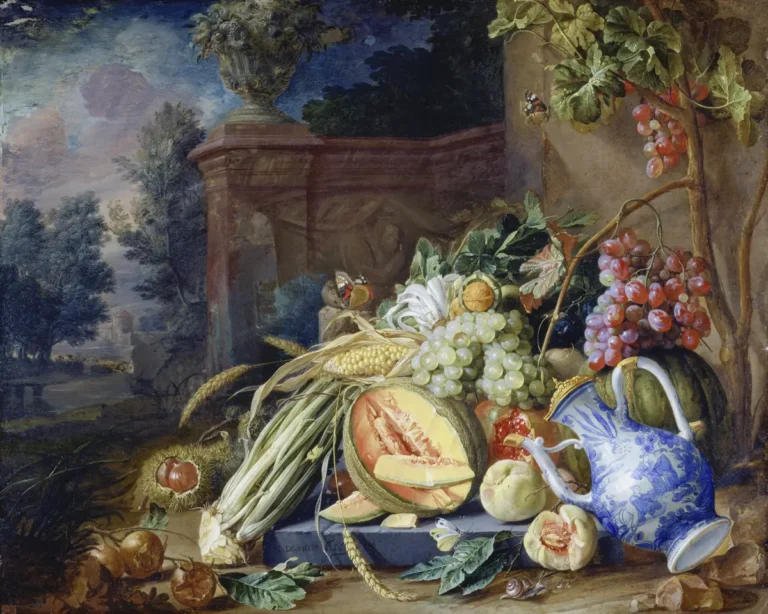
Most people who search for this fair start with Mankato, because Mankato is the county seat and biggest city in Blue Earth County. The fair itself, though, belongs to somewhere smaller and quieter. Follow the Watonwan River into Garden City and the road opens onto a historic fairground shaded by old oaks, where long barns are labelled for beef, sheep, and poultry, and where the FFA and 4-H exhibits still sit at the heart of the grounds.
For four days in late July, that peaceful riverbank setting fills with exhibitors, demonstrators, families, and the sound of a compact car demolition derby. The Blue Earth County Fair is one of the older county fairs in Minnesota, and it has kept a scale that larger events have long outgrown. You can walk the whole ground without a map, meet the same people twice in one afternoon, and still find something you missed on the second lap.
What gives this fair its character is the combination of place and persistence. The barns, the oak shade, and the river beside the grounds are not decorations added for atmosphere; they are the fair, in the same way the exhibit benches and judging rings are. Generations of county families have brought animals, crops, baking, and handwork to this one spot, and the event still revolves around showing what the county grows and makes.
This guide explains where the fair actually is, how it nearly left Garden City a decade ago, what fills its four days, and how to plan a visit that pairs the fair with time in Mankato. It also covers the practical points that catch visitors out, from late-July heat to the simple mistake of pointing the car at the wrong town.
A Small Fair With a Long Memory
Garden City is a small community, and for most of the year it keeps a low profile while Mankato, a short drive north, handles the county’s everyday business. Fair week reverses that relationship. If you enjoy Minnesota fairs that keep a strong local accent, the Big Stone County Minnesota Fair Festival offers an interesting contrast, but Blue Earth’s version of local is rooted in this riverbank and in exhibit traditions that stretch back well over a century.
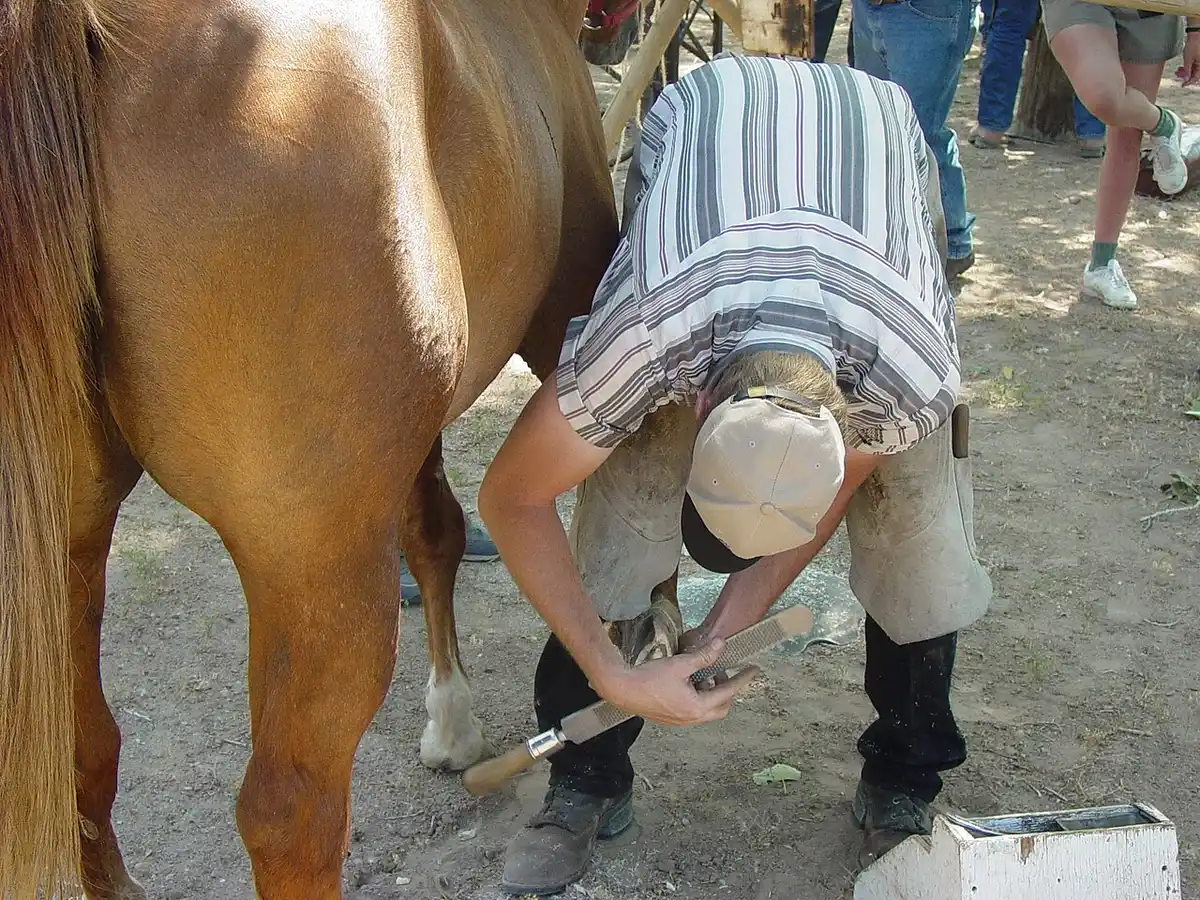
Expect a fair built around showing rather than spectacle. Open-class exhibitors fill benches with produce, flowers, photography, and craftwork. Young people show livestock they have raised and prepared for months. Demonstrators work at forges and displays while visitors drift between the barns and the food stands. It rewards slow wandering more than a strict schedule.
| Festival | Blue Earth County Fair |
| Town | Garden City, Minnesota |
| County | Blue Earth County |
| County seat | Mankato |
| Region | South-central Minnesota, Watonwan River valley |
| Typical timing | Four days in late July |
| Admission | Gate and grandstand charges vary; check before travelling |
| Setting | Historic fairgrounds under aged oaks beside the Watonwan River |
| Known for | Metal-forger demonstrations, old-time music, pioneer photography, demolition derby |
| Run by | The county fair association, exhibitors, and community volunteers |
From Early County Gatherings to the Move That Never Happened
The fair’s roots reach back to around 1860, which places it among the earliest county fairs in Minnesota. By the middle of the last decade, local observers were already counting roughly a century and a half of summer gatherings on or near this site. In a state where many fairs date from the late nineteenth century, that head start matters: this is the landscape around which the tradition formed.
Through those years the pattern of the fair settled into something recognisable today. Farmers brought cattle, sheep, and poultry to be judged in the barns that still carry those names. Families made a day of it, and the fair became one of the fixed points of the county’s summer, a place where rural Blue Earth County displayed itself to itself.
That continuity was genuinely tested in 2014. The fair had been losing money in the years before, and the fair association put a hard question to its shareholders: sell the Garden City fairgrounds and move the fair nearer Mankato, closer to the county’s population centre, in the hope that a new site would draw bigger crowds. It was a serious proposal, discussed at a formal meeting, not a rumour.
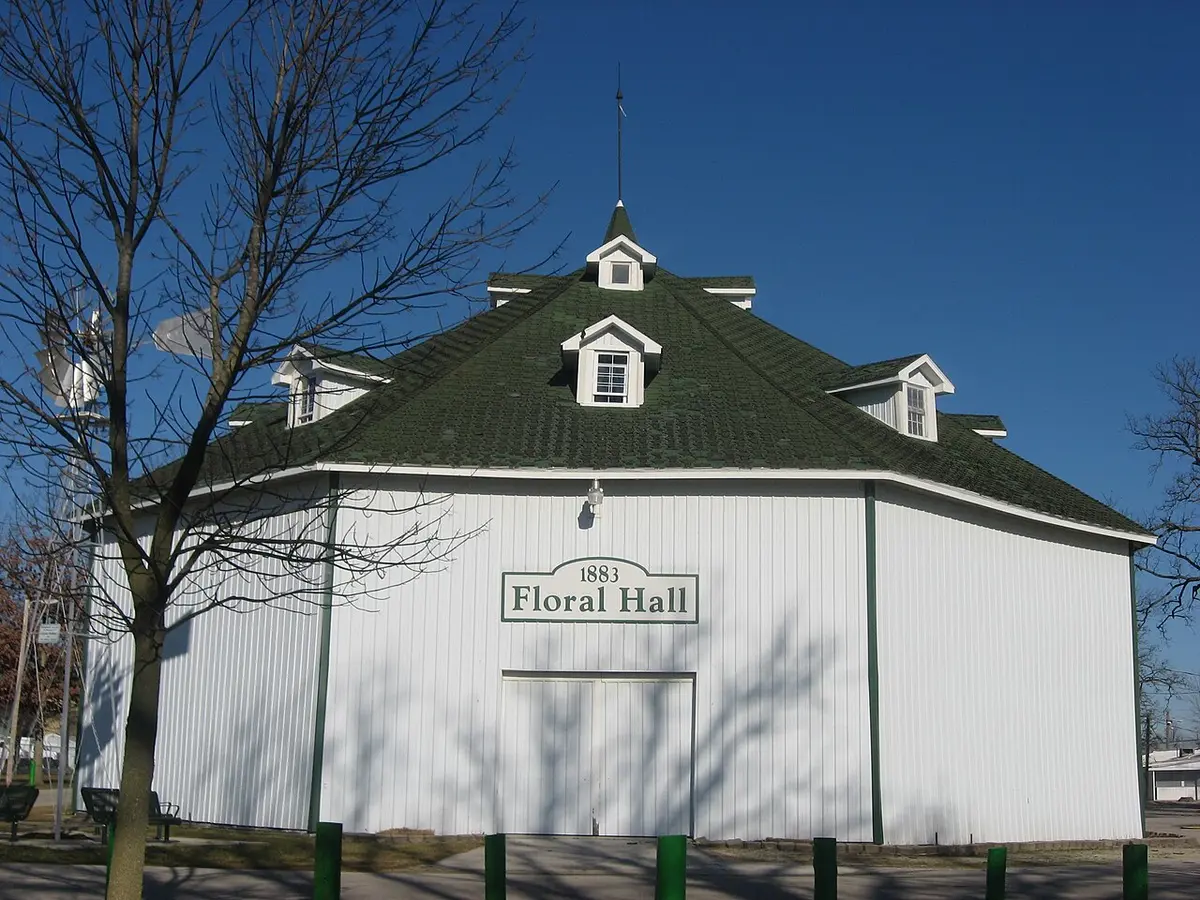
The move never happened, and the fair remains in Garden City. That decision shapes the event visitors find now. Keeping the old ground kept the oaks, the riverbank, and the barns that give the fair its identity, at the cost of staying small and working within older facilities. Anyone who prefers a fair with a sense of place over a fair with a bigger midway will probably feel the trade was worth it.
What Fills Four Days in Garden City
Food Stalls and Local Sellers
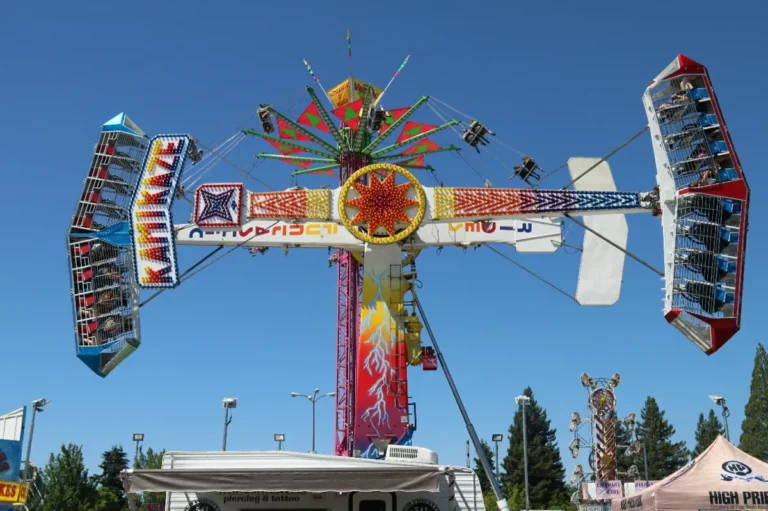
Food at a fair this size is part fuel, part ritual. Expect the familiar pleasures of a Minnesota county fair: hot food from local stands, cold drinks, and treats that appear for one week of the year. Between meals, browse the commercial and exhibitor displays, and leave time for the open-class building, where the county’s gardeners, bakers, photographers, and makers compete for ribbons with produce and work they have spent the season preparing.
Forgers, Old-Time Music, and the Derby
The entertainment here leans toward skills you can watch up close. Metal forgers demonstrate across all four days of the fair, working through the day, so visitors can stop, watch, and come back later to see a piece progress. Pioneer photography presentations run in the open-class building, old-time music features on Senior Day, and the compact car demolition derby brings the noise, mud, and cheerful destruction that close out many a fair evening.
Things for Children and Families
Families tend to build the day around the barns. Children who have never been close to farm animals can watch judging, see beef and dairy cattle, sheep, and poultry handled by young exhibitors, and learn what the ribbons actually reward. The 4-H exhibits show projects in everything from foods to photography.
Planning a Garden City Fair Day
Getting There Without Going to Mankato
The single most useful planning fact is the town: set your destination for Garden City, in the southern part of Blue Earth County, not for Mankato. Most visitors arrive by car, and the fairgrounds sit in the community beside the Watonwan River. Coming from Mankato is straightforward, but allow a little extra time on busy fair evenings, when traffic funnels toward one small ground.
Where to Stay Nearby
Garden City itself has very little visitor lodging, so most overnight visitors base themselves in Mankato, which offers the county’s widest choice of hotels and places to eat. Smaller communities in the surrounding valley provide quieter options. Because the fair falls in peak summer, book ahead if you want a choice of rooms.
Camping and RV Options
The Garden City ground is a traditional fairground rather than a developed RV resort, and camping arrangements can change from year to year. Travellers bringing a caravan or motorhome should check the current position before setting out and look at campgrounds and parks elsewhere in the Watonwan and Minnesota river country.
Parking and Crowds
Crowds here are modest by metro-fair standards, which is part of the appeal, but the busiest sessions still fill the ground’s parking and the lanes between barns. Arriving earlier in the day makes everything easier, and after rain the grass can be soft underfoot, so wear sensible shoes.
Admission, Costs, and Cash
Charges for the gate, parking, and grandstand-style events can change between editions, so treat anything you read in older listings as a guide only and confirm the current position before you travel. Budget beyond admission for food, drinks, and rides or games where offered. Carrying some cash is wise at any rural fairground, where card readers and signal can both be unreliable.
Weather and What to Wear
Late July in southern Minnesota usually means warm, humid days, strong sun between the trees, and the chance of a summer storm rolling through. The oaks shade parts of the ground, but bring a hat, sunscreen, and water. Light clothing for the afternoon, a layer for the evening, and footwear ready for grass and dust cover most of what the fair can produce.
Making a Mankato Day of It
Because most visitors pass through Mankato anyway, the fair pairs naturally with time in the county seat. Mankato is a river city with far more restaurants, shops, and services than the fairground’s village, so it works well as the eating and sleeping base for a fair trip.
Garden City rewards a slower look too. For one week a year this small community becomes the centre of its county, a role residents once hoped would be permanent. Outside fair week, the interest is the landscape itself: the Watonwan River and farmland running to the horizon.
A Slow Fair Weekend, Garden City Style
On your first day, arrive in the morning while the barns are busy and the judging is under way. Walk the livestock lines, watch a class being placed, then drift through the open-class exhibits before the afternoon heat peaks. Find the forgers while they are working, take a first pass at the food stands, and let the children set the pace around the animals.
On the second day, lean into the programme rather than the grounds. Catch the demonstrations you missed, return to the photography presentations, listen to the music sessions, and stay into the evening for the demolition derby atmosphere, when the crowd gathers and the fair feels at its fullest.
Use the final part of the weekend for the wider county. Have a relaxed morning in Mankato, eat somewhere you would not find in Garden City, and then make a last, shorter visit to the grounds for the exhibits you rushed past.
How Garden City Compares With Its Neighbours
Set beside the Brown County Free Fair in New Ulm, Garden City is smaller, shorter, and quieter: Brown runs for five days in mid-August with a free gate, while Blue Earth keeps four days in late July and a demonstration-led programme. Against the small fair at Clinton in Big Stone County, the difference runs the other way; Blue Earth draws on a larger county population and carries a longer history, yet both share the same exhibitor-first character.
Pack This, Check That
A short bit of preparation makes a small fair run smoothly:
- Confirm the destination is Garden City, not Mankato, before you set off
- Check the current programme and gate arrangements for the edition you are attending
- Bring cash for food, small purchases, and any charges where cards fail
- Wear shoes suited to grass, dust, and mud after rain
- Carry water, a hat, and sunscreen for warm late-July afternoons
- Book Mankato lodging early if you are staying over a fair weekend
- Leave unhurried time for the barns and the open-class exhibits
Why a Small Fairground Carries Weight
A county fair is one of the few remaining places where a county’s everyday work is put on public display and judged in the open. The premiums and ribbons in Garden City reward a year of feeding, planting, sewing, building, and practising, much of it by young people learning skills through 4-H and FFA.
The ground itself carries meaning too. When the association chose to stay beside the Watonwan rather than start again nearer the city, it kept the fair tied to the farming landscape that created it. For Garden City, the fair is also the week the wider county comes to it. Small fairs survive on volunteers, exhibitors, and habit, and every visitor who makes the trip south from Mankato helps keep a very old habit alive.
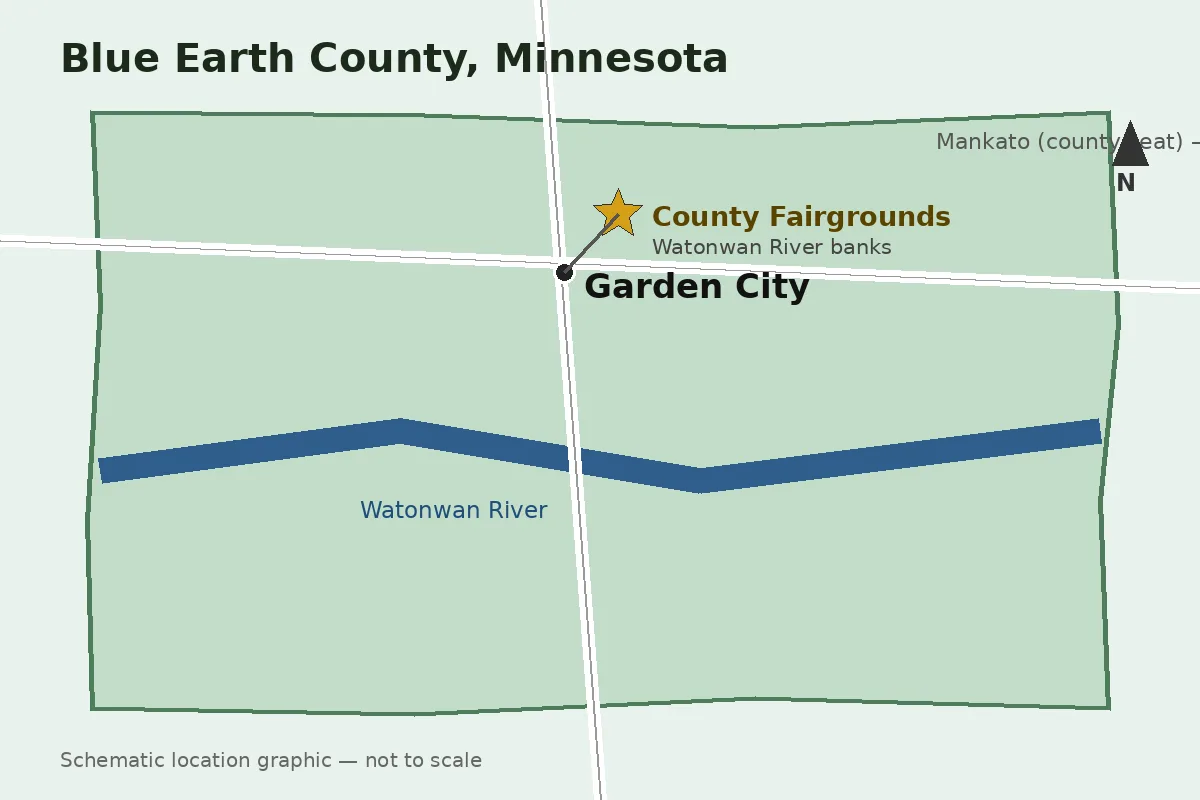
Where the Fairgrounds Sit
The Blue Earth County Fairgrounds stand in Garden City, beside the Watonwan River in Blue Earth County, south of Mankato in southern Minnesota.
Frequently Asked Questions
Where is the Blue Earth County Fair actually held?
It is held in Garden City, a small community in Blue Earth County, on historic fairgrounds beside the Watonwan River. Mankato is the county seat and the usual base for lodging, but the fair itself has remained in Garden City throughout its long history.
When does the Blue Earth County Fair usually take place?
The fair traditionally runs for four days in late July. Exact arrangements are set for each edition, so check the current programme before making travel plans, especially if you are aiming for the demolition derby or a particular demonstration.
What is the Blue Earth County Fair best known for?
Its living-history flavour sets it apart: metal forgers demonstrating through the fair, pioneer photography presentations in the open-class building, and old-time music on Senior Day, all alongside the livestock barns, exhibits, and a compact car demolition derby in an oak-shaded riverbank setting.
Can visitors camp at the Blue Earth County Fair?
Camping arrangements at the ground are limited and can change, so do not rely on rolling up with a caravan or motorhome unannounced. Most overnight visitors stay in Mankato or at campgrounds elsewhere in the surrounding river country, and it is worth confirming your pitch or room before fair week arrives.
What to Expect From the Next Blue Earth County Fair
The fair is an established annual fixture of the county’s summer, and in most years visitors can expect the same pattern: several days in Garden City built around livestock, open-class exhibits, demonstrations, and evening entertainment. Formats and features can shift between editions, and nothing about a future programme should be treated as fixed until the organisers publish it.
How often is the Blue Earth County Fair held?
It is traditionally held once a year, as the county’s main agricultural fair, with the grounds otherwise quiet for much of the rest of the year.
When is the next Blue Earth County Fair?
The next edition is expected in the usual late-July window in Garden City. Because dates and programme details are confirmed edition by edition, check the fair’s current announcements nearer the summer before booking travel or lodging around it.
Will the dates change?
They could, in principle. The fair has a settled seasonal pattern, but organisers can adjust the length, days, or features of an edition. Treat the late-July timing as a strong tradition rather than a guarantee, and verify before you commit to a trip.
Last updated: October 2026
Plenty of Minnesota fairs are bigger, louder, and easier to reach. Very few can offer what Garden City can: a fair still held on the ground where its county has gathered for well over a century and a half, under old oaks, beside a slow river, with the forge lit and the barns full. Make the short trip south from Mankato, and go slowly when you get there.